
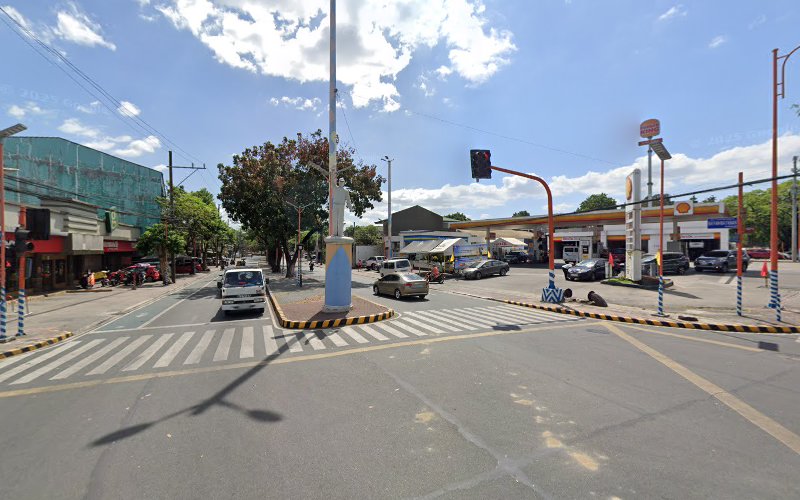
Popoy Lagman Monument
About Popoy Lagman Monument
Description
The Popoy Lagman Monument stands as a powerful reminder of the Philippines' struggle for democracy and the sacrifices made by ordinary citizens who became extraordinary heroes. This historical landmark commemorates Eduardo "Popoy" Lagman Jr., a labor leader and activist who lost his life during the fight against the Marcos dictatorship. When you stand before this monument, you're not just looking at stone and metal—you're witnessing a piece of living history that continues to inspire Filipinos and international visitors alike. I've always believed that the most meaningful travel experiences come from understanding the stories behind the places we visit. And this monument tells one of those stories that makes you pause and reflect on what courage really means. Popoy Lagman wasn't a politician or a military general. He was a labor organizer who believed in workers' rights and social justice so deeply that he was willing to risk everything for those principles. The monument itself serves as a gathering point for those who value freedom and democracy. It's become more than just a memorial—it's transformed into a symbol of resistance and hope for future generations. Parents bring their children here to teach them about Philippine history in a way that textbooks simply can't capture. You'll often see students sketching the monument, taking photographs, or simply sitting nearby in contemplative silence. What strikes most visitors is the monument's ability to connect past struggles with present-day issues. The fight for workers' rights and social justice didn't end with Lagman's death in 1991. His legacy continues to resonate with modern movements for equality and fair treatment. This isn't your typical tourist attraction where you snap a few photos and move on. It demands something more from you—attention, respect, and maybe even some introspection about your own values.Key Features
The Popoy Lagman Monument offers several distinctive elements that make it worth visiting: • A sculptural representation that captures the spirit of activism and the labor movement in the Philippines • Historical inscriptions detailing Lagman's contributions to the fight for democracy and workers' rights • A family-friendly environment where parents can educate their children about Philippine history in an accessible way • A quiet space for reflection amid the usual bustle of urban life • Proximity to other historical sites that together paint a comprehensive picture of the Philippines' democratic struggle • Regular visits from local organizations and educational groups who use the monument as a teaching tool • Photo opportunities that carry deeper meaning than typical tourist snapshots • An authentic connection to grassroots movements that shaped modern Philippine society • Architectural elements that symbolize strength, perseverance, and the unbreakable spirit of the Filipino people • A testament to the fact that heroes come from all walks of life, not just from positions of powerBest Time to Visit
Timing your visit to the Popoy Lagman Monument can enhance your experience significantly. The monument is accessible year-round, but certain periods offer unique advantages depending on what you're looking for. The dry season, which typically runs from November through April, provides the most comfortable conditions for outdoor exploration. You won't have to worry about sudden downpours interrupting your visit or making photography difficult. Early mornings during these months are particularly pleasant—the temperature is cooler, the light is softer for photographs, and you'll likely have more peaceful moments for reflection without large crowds. But here's something interesting that many guidebooks won't tell you: visiting during significant dates in Philippine labor history or democracy-related commemorations can be incredibly meaningful. These occasions sometimes bring together people who actually knew Lagman or participated in the same movements. The energy is completely different, and you might have the chance to hear firsthand accounts that bring the monument's significance to life in ways you never expected. Weekdays generally offer quieter experiences compared to weekends when local families and student groups tend to visit. If you prefer solitude for contemplation, aim for mid-morning on a Tuesday or Wednesday. However, if you want to observe how the monument functions as a living part of the community, weekend visits provide that perspective. The late afternoon presents another excellent window for visiting. The harsh midday sun has softened, and there's often a gentle breeze that makes standing and reading the inscriptions more comfortable. Plus, the golden hour light creates dramatic shadows that add visual interest to photographs while maintaining the monument's solemn dignity. Avoid visiting during peak rainy season months unless you're prepared with proper rain gear. Not only does the weather make outdoor monuments less accessible, but it also limits your ability to fully appreciate the surrounding area and properly photograph the memorial.How to Get There
Getting to the Popoy Lagman Monument requires some local knowledge that most travel apps won't provide in detail. The landmark's location means you'll need to navigate like someone who actually knows the Philippines rather than just following generic GPS directions. Public transportation is your most practical option if you're traveling on a budget or want to experience local life. Jeepneys serve the area, though you'll need to ask locals for the specific routes since they can change. Don't be shy about asking for directions—Filipinos are generally helpful to travelers who show genuine interest in visiting historical sites. Just mention "Popoy Lagman Monument" and you'll likely get detailed instructions, possibly even someone offering to walk you part of the way. Tricycles offer a more direct option if you're coming from nearby areas. Negotiate the fare before getting in, and make sure the driver knows exactly where you're going. I've found that showing a photo of the monument on your phone helps avoid any confusion, especially if there's a language barrier. For those using ride-sharing apps, you can typically get dropped off very close to the monument. These services have become reliable in many Philippine cities, and drivers are usually familiar with historical landmarks. However, during peak traffic hours, what should be a 15-minute ride might stretch to 45 minutes, so plan accordingly. If you're renting a car, parking can be limited depending on the specific area surrounding the monument. Scout out parking options in advance or be prepared to walk a short distance from where you leave your vehicle. Local parking attendants can usually direct you to safe spots for a small fee. Consider combining your visit with other nearby historical sites to maximize your time. Many travelers find that hiring a local guide for a half-day historical tour provides the best value and deepest understanding. These guides know the stories that never make it into official descriptions and can navigate you efficiently between multiple locations.Tips for Visiting
Making the most of your visit to the Popoy Lagman Monument means preparing properly and approaching it with the right mindset. Here's what years of travel experience and conversations with locals have taught me about visiting historical landmarks in the Philippines. Dress respectfully. This isn't a beach or a casual park—it's a memorial to someone who died for their beliefs. That doesn't mean you need formal attire, but avoid beachwear or overly casual clothing. Comfortable walking shoes are essential since you might be standing for a while reading inscriptions or taking in the surroundings. Bring water, especially if you're visiting during warmer months. There might not be vendors immediately nearby, and staying hydrated makes a significant difference in how much you can enjoy and absorb during your visit. A small backpack with essentials is practical without being cumbersome. Take time to actually read the inscriptions and information plaques. I know this sounds obvious, but you'd be surprised how many people rush through, snap a photo, and leave without understanding what they're looking at. The details matter here. Lagman's story isn't just about one person—it represents a broader movement that shaped the Philippines you're visiting today. If you're traveling with children, use this as an educational opportunity. The monument is good for kids according to local feedback, and it provides a tangible way to discuss concepts like courage, justice, and standing up for what's right. Kids often understand these ideas better when they're connected to real people and places rather than abstract lessons. Consider visiting with a local friend or hiring a knowledgeable guide if you really want to understand the context. The monument itself is powerful, but the stories surrounding it—the political climate of the time, the labor movement's role, the personal sacrifices made—these layers of meaning transform a simple visit into a profound experience. Be mindful of others who might be there for more personal reasons. Some visitors have direct connections to Lagman's work or the broader struggle for democracy. Give people space, keep your voice at a respectful volume, and remember that what might be a tourist stop for you could be a pilgrimage for someone else. Photography is generally acceptable, but approach it thoughtfully. This isn't the place for silly selfies or disrespectful poses. Capture the monument's dignity, the architectural details, the inscriptions. Think about what story your photos will tell when you share them later. Don't rush. Even though the monument itself doesn't take hours to see, the experience benefits from contemplation. Sit for a while if seating is available. Watch how other visitors interact with the space. Let the significance of the place sink in rather than treating it like another checkbox on your itinerary. Small gestures of respect go a long way. If you see flowers or tributes left by others, don't disturb them. These offerings represent ongoing reverence for Lagman's sacrifice and the values he represented. Being a good traveler means honoring the local customs and sentiments surrounding important sites. Finally, take what you learn here and apply it to the rest of your Philippine travels. Understanding figures like Popoy Lagman helps you better comprehend the country's complex political history, its labor movements, and the ongoing struggles for social justice. This context enriches every other historical site you'll visit and every conversation you'll have with locals about their country's past and future.Key Features
- Statue/monument honoring Filemon “Ka Popoy” Lagman
- Informational plaque detailing Lagman’s activism and legacy
- Located on Gen. Ordoñez Avenue within a pedestrian-friendly area
- Proximity to Marikina’s civic landmarks and local streetscapes
- Good photographic opportunities with urban-green backdrop
More Details
Updated January 18, 2026
Table of Contents
Description
The Popoy Lagman Monument stands as a powerful reminder of the Philippines’ struggle for democracy and the sacrifices made by ordinary citizens who became extraordinary heroes. This historical landmark commemorates Eduardo “Popoy” Lagman Jr., a labor leader and activist who lost his life during the fight against the Marcos dictatorship. When you stand before this monument, you’re not just looking at stone and metal—you’re witnessing a piece of living history that continues to inspire Filipinos and international visitors alike.
I’ve always believed that the most meaningful travel experiences come from understanding the stories behind the places we visit. And this monument tells one of those stories that makes you pause and reflect on what courage really means. Popoy Lagman wasn’t a politician or a military general. He was a labor organizer who believed in workers’ rights and social justice so deeply that he was willing to risk everything for those principles.
The monument itself serves as a gathering point for those who value freedom and democracy. It’s become more than just a memorial—it’s transformed into a symbol of resistance and hope for future generations. Parents bring their children here to teach them about Philippine history in a way that textbooks simply can’t capture. You’ll often see students sketching the monument, taking photographs, or simply sitting nearby in contemplative silence.
What strikes most visitors is the monument’s ability to connect past struggles with present-day issues. The fight for workers’ rights and social justice didn’t end with Lagman’s death in 1991. His legacy continues to resonate with modern movements for equality and fair treatment. This isn’t your typical tourist attraction where you snap a few photos and move on. It demands something more from you—attention, respect, and maybe even some introspection about your own values.
Key Features
The Popoy Lagman Monument offers several distinctive elements that make it worth visiting:
• A sculptural representation that captures the spirit of activism and the labor movement in the Philippines
• Historical inscriptions detailing Lagman’s contributions to the fight for democracy and workers’ rights
• A family-friendly environment where parents can educate their children about Philippine history in an accessible way
• A quiet space for reflection amid the usual bustle of urban life
• Proximity to other historical sites that together paint a comprehensive picture of the Philippines’ democratic struggle
• Regular visits from local organizations and educational groups who use the monument as a teaching tool
• Photo opportunities that carry deeper meaning than typical tourist snapshots
• An authentic connection to grassroots movements that shaped modern Philippine society
• Architectural elements that symbolize strength, perseverance, and the unbreakable spirit of the Filipino people
• A testament to the fact that heroes come from all walks of life, not just from positions of power
Best Time to Visit
Timing your visit to the Popoy Lagman Monument can enhance your experience significantly. The monument is accessible year-round, but certain periods offer unique advantages depending on what you’re looking for.
The dry season, which typically runs from November through April, provides the most comfortable conditions for outdoor exploration. You won’t have to worry about sudden downpours interrupting your visit or making photography difficult. Early mornings during these months are particularly pleasant—the temperature is cooler, the light is softer for photographs, and you’ll likely have more peaceful moments for reflection without large crowds.
But here’s something interesting that many guidebooks won’t tell you: visiting during significant dates in Philippine labor history or democracy-related commemorations can be incredibly meaningful. These occasions sometimes bring together people who actually knew Lagman or participated in the same movements. The energy is completely different, and you might have the chance to hear firsthand accounts that bring the monument’s significance to life in ways you never expected.
Weekdays generally offer quieter experiences compared to weekends when local families and student groups tend to visit. If you prefer solitude for contemplation, aim for mid-morning on a Tuesday or Wednesday. However, if you want to observe how the monument functions as a living part of the community, weekend visits provide that perspective.
The late afternoon presents another excellent window for visiting. The harsh midday sun has softened, and there’s often a gentle breeze that makes standing and reading the inscriptions more comfortable. Plus, the golden hour light creates dramatic shadows that add visual interest to photographs while maintaining the monument’s solemn dignity.
Avoid visiting during peak rainy season months unless you’re prepared with proper rain gear. Not only does the weather make outdoor monuments less accessible, but it also limits your ability to fully appreciate the surrounding area and properly photograph the memorial.
How to Get There
Getting to the Popoy Lagman Monument requires some local knowledge that most travel apps won’t provide in detail. The landmark’s location means you’ll need to navigate like someone who actually knows the Philippines rather than just following generic GPS directions.
Public transportation is your most practical option if you’re traveling on a budget or want to experience local life. Jeepneys serve the area, though you’ll need to ask locals for the specific routes since they can change. Don’t be shy about asking for directions—Filipinos are generally helpful to travelers who show genuine interest in visiting historical sites. Just mention “Popoy Lagman Monument” and you’ll likely get detailed instructions, possibly even someone offering to walk you part of the way.
Tricycles offer a more direct option if you’re coming from nearby areas. Negotiate the fare before getting in, and make sure the driver knows exactly where you’re going. I’ve found that showing a photo of the monument on your phone helps avoid any confusion, especially if there’s a language barrier.
For those using ride-sharing apps, you can typically get dropped off very close to the monument. These services have become reliable in many Philippine cities, and drivers are usually familiar with historical landmarks. However, during peak traffic hours, what should be a 15-minute ride might stretch to 45 minutes, so plan accordingly.
If you’re renting a car, parking can be limited depending on the specific area surrounding the monument. Scout out parking options in advance or be prepared to walk a short distance from where you leave your vehicle. Local parking attendants can usually direct you to safe spots for a small fee.
Consider combining your visit with other nearby historical sites to maximize your time. Many travelers find that hiring a local guide for a half-day historical tour provides the best value and deepest understanding. These guides know the stories that never make it into official descriptions and can navigate you efficiently between multiple locations.
Tips for Visiting
Making the most of your visit to the Popoy Lagman Monument means preparing properly and approaching it with the right mindset. Here’s what years of travel experience and conversations with locals have taught me about visiting historical landmarks in the Philippines.
Dress respectfully. This isn’t a beach or a casual park—it’s a memorial to someone who died for their beliefs. That doesn’t mean you need formal attire, but avoid beachwear or overly casual clothing. Comfortable walking shoes are essential since you might be standing for a while reading inscriptions or taking in the surroundings.
Bring water, especially if you’re visiting during warmer months. There might not be vendors immediately nearby, and staying hydrated makes a significant difference in how much you can enjoy and absorb during your visit. A small backpack with essentials is practical without being cumbersome.
Take time to actually read the inscriptions and information plaques. I know this sounds obvious, but you’d be surprised how many people rush through, snap a photo, and leave without understanding what they’re looking at. The details matter here. Lagman’s story isn’t just about one person—it represents a broader movement that shaped the Philippines you’re visiting today.
If you’re traveling with children, use this as an educational opportunity. The monument is good for kids according to local feedback, and it provides a tangible way to discuss concepts like courage, justice, and standing up for what’s right. Kids often understand these ideas better when they’re connected to real people and places rather than abstract lessons.
Consider visiting with a local friend or hiring a knowledgeable guide if you really want to understand the context. The monument itself is powerful, but the stories surrounding it—the political climate of the time, the labor movement’s role, the personal sacrifices made—these layers of meaning transform a simple visit into a profound experience.
Be mindful of others who might be there for more personal reasons. Some visitors have direct connections to Lagman’s work or the broader struggle for democracy. Give people space, keep your voice at a respectful volume, and remember that what might be a tourist stop for you could be a pilgrimage for someone else.
Photography is generally acceptable, but approach it thoughtfully. This isn’t the place for silly selfies or disrespectful poses. Capture the monument’s dignity, the architectural details, the inscriptions. Think about what story your photos will tell when you share them later.
Don’t rush. Even though the monument itself doesn’t take hours to see, the experience benefits from contemplation. Sit for a while if seating is available. Watch how other visitors interact with the space. Let the significance of the place sink in rather than treating it like another checkbox on your itinerary.
Small gestures of respect go a long way. If you see flowers or tributes left by others, don’t disturb them. These offerings represent ongoing reverence for Lagman’s sacrifice and the values he represented. Being a good traveler means honoring the local customs and sentiments surrounding important sites.
Finally, take what you learn here and apply it to the rest of your Philippine travels. Understanding figures like Popoy Lagman helps you better comprehend the country’s complex political history, its labor movements, and the ongoing struggles for social justice. This context enriches every other historical site you’ll visit and every conversation you’ll have with locals about their country’s past and future.
Key Highlights
- Statue/monument honoring Filemon “Ka Popoy” Lagman
- Informational plaque detailing Lagman’s activism and legacy
- Located on Gen. Ordoñez Avenue within a pedestrian-friendly area
- Proximity to Marikina’s civic landmarks and local streetscapes
- Good photographic opportunities with urban-green backdrop
Location
Places to Stay Near Popoy Lagman Monument
Find and Book a Tour
Explore More Travel Guides
No reviews found! Be the first to review!
Traveler Reviews for Popoy Lagman Monument
There are no reviews yet. Be the first one to write one.
Have you visited Popoy Lagman Monument? Help other travelers by sharing your review.
Nearby Attractions
You Might Also Like
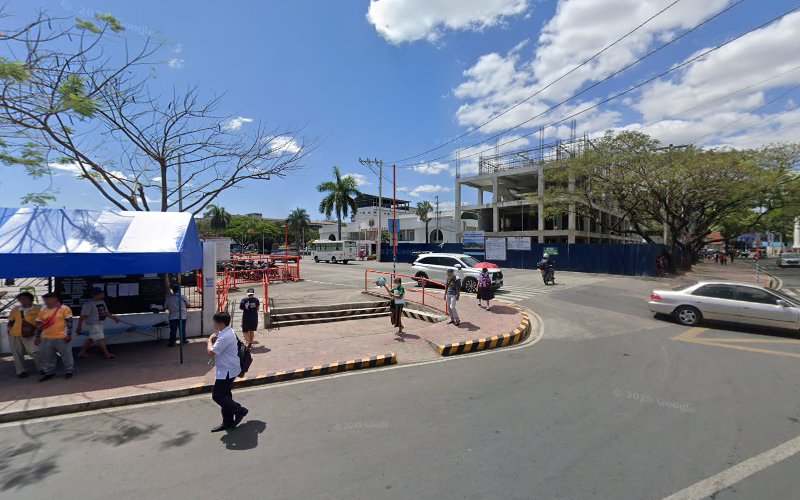
Marikina City Hall of Justice Mini Park
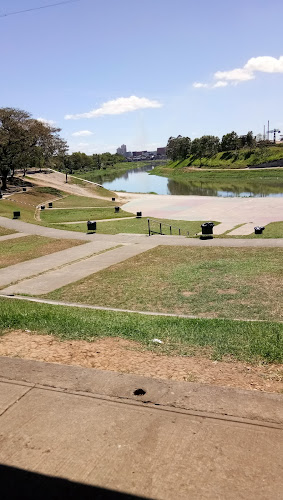
Marikina River Park
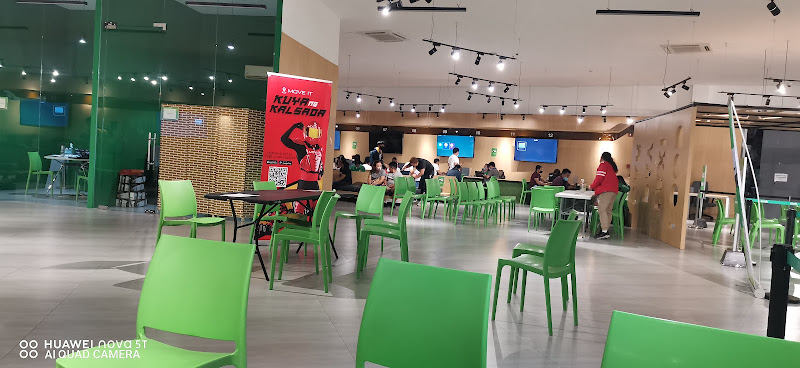
Grab Warehouse Marikina
Find Accommodations Nearby
Recommended Tours & Activities
Visitor Reviews
There are no reviews yet. Be the first one to write one.
Share Your Experience
Have you visited Popoy Lagman Monument? Help other travelers by leaving a review.