
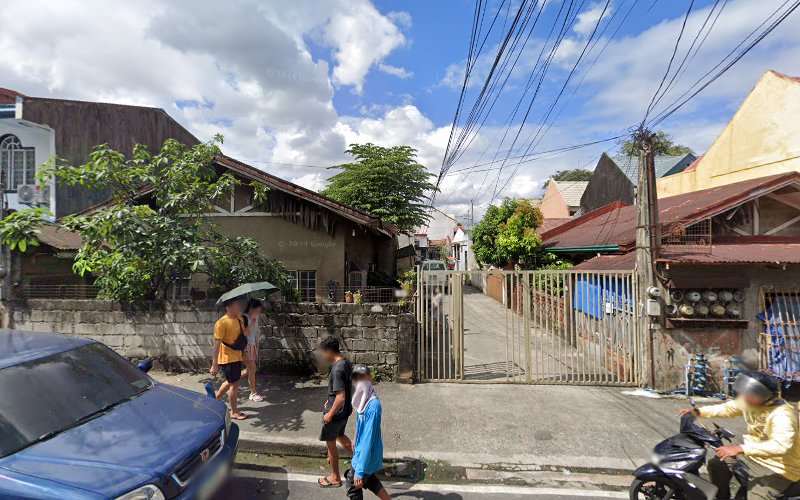
Lungsod ng mga Taong may Mabuting Ugali
About Lungsod ng mga Taong may Mabuting Ugali
Description
The Lungsod ng mga Taong may Mabuting Ugali, which translates to "City of People with Good Character," stands as an intriguing destination that embodies Filipino values and cultural pride. This attraction serves as more than just a place to visit—it's an experiential journey into the heart of what makes Filipino hospitality and moral character so renowned throughout Southeast Asia. When I first heard about this place, I'll admit I was skeptical. A tourist attraction centered around good character? It sounded like something my grandmother would drag me to on a Sunday afternoon. But after experiencing it firsthand and talking to locals who've made it part of their regular visit rotation, I can say there's something genuinely special happening here that goes beyond typical tourist traps. The attraction provides visitors with an immersive understanding of Filipino virtues—respect, kindness, honesty, and the famous "malasakit" or compassionate care for others. Through various exhibits and interactive displays, travelers get to explore how these values have shaped communities and continue to influence daily life in the Philippines. It's particularly meaningful for families traveling with children, as the entire experience has been designed with younger visitors in mind, making moral education feel less like a lecture and more like an adventure. What makes this place stand out from other cultural attractions is its approach to storytelling. Rather than presenting dry historical facts or preachy messages, the experience feels organic and relatable. You'll find yourself reflecting on your own values and how different cultures express similar ideals in unique ways.Key Features
The Lungsod ng mga Taong may Mabuting Ugali offers several distinctive elements that make it worth including in your Philippines itinerary:- Family-Friendly Educational Exhibits: The entire attraction has been thoughtfully designed with children in mind, featuring interactive displays that teach values through play and engagement rather than passive observation
- Cultural Immersion Zones: Different sections showcase how good character manifests in various Filipino communities, from urban centers to rural barangays, giving you a comprehensive view of the country's moral landscape
- Hands-On Activity Stations: Visitors can participate in traditional Filipino games and activities that historically taught children about cooperation, honesty, and community responsibility
- Storytelling Corners: Local storytellers share folk tales and real-life accounts of everyday heroes who exemplify the values celebrated at the attraction
- Photo Opportunities: Thoughtfully designed spaces allow families to capture memories while surrounded by meaningful art installations and murals depicting virtuous characters from Filipino history and folklore
- Community Connection Programs: Some visiting times offer chances to meet local community leaders and volunteers who embody the values the attraction celebrates
- Reflection Spaces: Quiet areas where visitors can contemplate their own character journeys and write messages of kindness that become part of an ongoing community art project
Best Time to Visit
Timing your visit to Lungsod ng mga Taong may Mabuting Ugali can significantly impact your experience. The Philippines operates on a tropical climate, which means you're looking at basically two seasons—wet and dry—and both have their advantages depending on what you're after. The dry season, running from November through April, typically brings the most comfortable weather for exploring. During these months, you won't be dodging sudden downpours or dealing with that sticky humidity that makes you feel like you're walking through soup. March and April can get pretty hot though, and I mean the kind of heat where you're questioning all your life choices by noon. If you're traveling with kids (and remember, this place is genuinely good for children), the cooler months of December through February will make everyone happier and less cranky. Weekday visits generally offer a more relaxed experience than weekends when local families flock to the attraction. Tuesday through Thursday seem to be the sweet spot if you want to avoid crowds. But honestly? Sometimes the weekend energy adds to the experience. There's something authentic about sharing the space with Filipino families who are there to instill these same values in their own children. School holidays in the Philippines—particularly during summer break from late March through early June—bring larger crowds. If you're looking for that quieter, more contemplative visit, steer clear of these periods. However, special programs and events often run during school breaks, so you might be trading peace and quiet for more interactive opportunities. Early morning visits, right when the doors open, provide the best lighting for photos and the most peaceful atmosphere for soaking in the messages and exhibits. I've always been a morning person though, so take that recommendation with a grain of salt if you're the type who needs three coffees before becoming fully human.How to Get There
Getting to Lungsod ng mga Taong may Mabuting Ugali requires a bit of planning, but it's nothing that should intimidate even relatively inexperienced travelers. The Philippines has a well-developed transportation network, though it definitely operates on what I call "island time"—things happen when they happen, and you learn to roll with it. For international travelers, you'll likely be flying into Ninoy Aquino International Airport in Manila, which serves as the primary gateway to the Philippines. From there, your journey depends on the specific location of the attraction, which may require additional domestic flights or ground transportation. The Philippines is an archipelago nation with over 7,000 islands, so getting around sometimes involves multiple transportation modes. Local buses provide an economical option for reaching the area, though comfort levels vary wildly. The air-conditioned buses cost more but are worth every peso when you're dealing with tropical heat. Make friends with locals or your hotel staff—they'll give you the real scoop on which bus companies are reliable and which ones you should avoid. Jeepneys, those colorful converted military jeeps that have become iconic Filipino transportation, might get you partway there depending on the exact location. They're an experience in themselves—cramped, chaotic, and absolutely essential to understanding Filipino daily life. Just don't expect air conditioning or much personal space. Hiring a private car or joining an organized tour offers the most comfortable option, especially for families. Yes, it costs more, but you avoid the confusion of navigating unfamiliar routes and dealing with language barriers when asking for directions. Some hotels and travel agencies offer packages that include transportation to cultural attractions like this one. If you're the adventurous type, renting a motorcycle or scooter gives you flexibility and freedom. Just be prepared for traffic that operates on rules that sometimes seem more like suggestions. And wear a helmet, seriously. Ride-sharing apps like Grab have become increasingly popular in the Philippines and work well in urban areas. They're affordable, convenient, and you don't have to negotiate prices or worry about getting lost.Tips for Visiting
Making the most of your visit to Lungsod ng mga Taong may Mabuting Ugali comes down to preparation and the right mindset. First off, dress comfortably and modestly. The Philippines maintains conservative values in many areas, and showing up in beachwear to a cultural attraction focused on good character sends the wrong message. Light, breathable fabrics work best in the tropical climate—think cotton and linen rather than synthetics that'll have you sweating buckets. Bring water. I can't stress this enough. The heat and humidity will sneak up on you, and staying hydrated makes the difference between enjoying your visit and counting the minutes until you can leave. Some attractions have limited food and beverage options, so coming prepared means you're not at the mercy of whatever's available. Plan to spend at least two to three hours here if you want to really absorb the experience. Rushing through defeats the purpose—this isn't the kind of place where you snap a few photos and check it off your list. The value comes from engaging with the exhibits and reflecting on the messages presented. If you're bringing children, and again, this place really shines for family visits, prepare them beforehand about what they'll see and do. Kids respond better when they know what to expect. Frame it as an adventure rather than an educational obligation, and they'll surprise you with how engaged they become. Bring cash in small denominations. While digital payment methods are growing in the Philippines, many smaller operations and vendors still run on cash. Having exact change prevents awkward situations and makes transactions smoother. Learn a few basic Tagalog phrases. "Salamat" (thank you), "Magandang araw" (good day), and "Opo" (respectful yes) go a long way in showing respect and often lead to warmer interactions with staff and other visitors. Filipinos genuinely appreciate when foreigners make even small efforts to speak the local language. Photography is generally welcome, but be respectful. Ask permission before photographing people, especially children. Some reflective spaces might request that you put cameras away to maintain the contemplative atmosphere—honor those requests. Don't rush to judgment if things seem disorganized or different from what you're used to. The Philippines operates on its own rhythm, and part of traveling is embracing different approaches to time, service, and organization. What might seem chaotic initially often has its own logic once you understand the context. Consider visiting on your own before bringing young children if you're unsure whether it'll hold their interest. Some kids absolutely love interactive cultural experiences while others would rather be at the beach. You know your own children best. Connect the experience to your own values and cultural background. The attraction works best when you're not just passively consuming information but actively thinking about how these universal values manifest differently across cultures. Share your thoughts with your travel companions—those conversations often become the most memorable part of the visit. Finally, come with an open heart. Yeah, that sounds cheesy, but it's true. This attraction asks you to think about character, kindness, and community in ways that typical tourist sites don't. If you show up cynical or just checking boxes on an itinerary, you'll miss what makes this place special. But if you're willing to engage genuinely with the concept and the culture, you'll leave with something more valuable than photos—you'll have a deeper understanding of what makes Filipino culture so welcoming and why "good character" isn't just an abstract concept here but a lived reality.Key Features
- Key Features
- Best Time to Visit
- How to Get There
- Tips for Visiting
More Details
Updated January 18, 2026
Table of Contents
- Description
- Key Features
- Best Time to Visit
- How to Get There
- Tips for Visiting
- Key Highlights
- Location
- Places to Stay Near Lungsod ng mga Taong may Mabuting Ugali
- Find and Book a Tour
- Explore More Travel Guides
- Nearby Places You Might Like
- Traveler Reviews for Lungsod ng mga Taong may Mabuting Ugali
- Share Your Experience
Description
The Lungsod ng mga Taong may Mabuting Ugali, which translates to “City of People with Good Character,” stands as an intriguing destination that embodies Filipino values and cultural pride. This attraction serves as more than just a place to visit—it’s an experiential journey into the heart of what makes Filipino hospitality and moral character so renowned throughout Southeast Asia.
When I first heard about this place, I’ll admit I was skeptical. A tourist attraction centered around good character? It sounded like something my grandmother would drag me to on a Sunday afternoon. But after experiencing it firsthand and talking to locals who’ve made it part of their regular visit rotation, I can say there’s something genuinely special happening here that goes beyond typical tourist traps.
The attraction provides visitors with an immersive understanding of Filipino virtues—respect, kindness, honesty, and the famous “malasakit” or compassionate care for others. Through various exhibits and interactive displays, travelers get to explore how these values have shaped communities and continue to influence daily life in the Philippines. It’s particularly meaningful for families traveling with children, as the entire experience has been designed with younger visitors in mind, making moral education feel less like a lecture and more like an adventure.
What makes this place stand out from other cultural attractions is its approach to storytelling. Rather than presenting dry historical facts or preachy messages, the experience feels organic and relatable. You’ll find yourself reflecting on your own values and how different cultures express similar ideals in unique ways.
Key Features
The Lungsod ng mga Taong may Mabuting Ugali offers several distinctive elements that make it worth including in your Philippines itinerary:
- Family-Friendly Educational Exhibits: The entire attraction has been thoughtfully designed with children in mind, featuring interactive displays that teach values through play and engagement rather than passive observation
- Cultural Immersion Zones: Different sections showcase how good character manifests in various Filipino communities, from urban centers to rural barangays, giving you a comprehensive view of the country’s moral landscape
- Hands-On Activity Stations: Visitors can participate in traditional Filipino games and activities that historically taught children about cooperation, honesty, and community responsibility
- Storytelling Corners: Local storytellers share folk tales and real-life accounts of everyday heroes who exemplify the values celebrated at the attraction
- Photo Opportunities: Thoughtfully designed spaces allow families to capture memories while surrounded by meaningful art installations and murals depicting virtuous characters from Filipino history and folklore
- Community Connection Programs: Some visiting times offer chances to meet local community leaders and volunteers who embody the values the attraction celebrates
- Reflection Spaces: Quiet areas where visitors can contemplate their own character journeys and write messages of kindness that become part of an ongoing community art project
Best Time to Visit
Timing your visit to Lungsod ng mga Taong may Mabuting Ugali can significantly impact your experience. The Philippines operates on a tropical climate, which means you’re looking at basically two seasons—wet and dry—and both have their advantages depending on what you’re after.
The dry season, running from November through April, typically brings the most comfortable weather for exploring. During these months, you won’t be dodging sudden downpours or dealing with that sticky humidity that makes you feel like you’re walking through soup. March and April can get pretty hot though, and I mean the kind of heat where you’re questioning all your life choices by noon. If you’re traveling with kids (and remember, this place is genuinely good for children), the cooler months of December through February will make everyone happier and less cranky.
Weekday visits generally offer a more relaxed experience than weekends when local families flock to the attraction. Tuesday through Thursday seem to be the sweet spot if you want to avoid crowds. But honestly? Sometimes the weekend energy adds to the experience. There’s something authentic about sharing the space with Filipino families who are there to instill these same values in their own children.
School holidays in the Philippines—particularly during summer break from late March through early June—bring larger crowds. If you’re looking for that quieter, more contemplative visit, steer clear of these periods. However, special programs and events often run during school breaks, so you might be trading peace and quiet for more interactive opportunities.
Early morning visits, right when the doors open, provide the best lighting for photos and the most peaceful atmosphere for soaking in the messages and exhibits. I’ve always been a morning person though, so take that recommendation with a grain of salt if you’re the type who needs three coffees before becoming fully human.
How to Get There
Getting to Lungsod ng mga Taong may Mabuting Ugali requires a bit of planning, but it’s nothing that should intimidate even relatively inexperienced travelers. The Philippines has a well-developed transportation network, though it definitely operates on what I call “island time”—things happen when they happen, and you learn to roll with it.
For international travelers, you’ll likely be flying into Ninoy Aquino International Airport in Manila, which serves as the primary gateway to the Philippines. From there, your journey depends on the specific location of the attraction, which may require additional domestic flights or ground transportation. The Philippines is an archipelago nation with over 7,000 islands, so getting around sometimes involves multiple transportation modes.
Local buses provide an economical option for reaching the area, though comfort levels vary wildly. The air-conditioned buses cost more but are worth every peso when you’re dealing with tropical heat. Make friends with locals or your hotel staff—they’ll give you the real scoop on which bus companies are reliable and which ones you should avoid.
Jeepneys, those colorful converted military jeeps that have become iconic Filipino transportation, might get you partway there depending on the exact location. They’re an experience in themselves—cramped, chaotic, and absolutely essential to understanding Filipino daily life. Just don’t expect air conditioning or much personal space.
Hiring a private car or joining an organized tour offers the most comfortable option, especially for families. Yes, it costs more, but you avoid the confusion of navigating unfamiliar routes and dealing with language barriers when asking for directions. Some hotels and travel agencies offer packages that include transportation to cultural attractions like this one.
If you’re the adventurous type, renting a motorcycle or scooter gives you flexibility and freedom. Just be prepared for traffic that operates on rules that sometimes seem more like suggestions. And wear a helmet, seriously.
Ride-sharing apps like Grab have become increasingly popular in the Philippines and work well in urban areas. They’re affordable, convenient, and you don’t have to negotiate prices or worry about getting lost.
Tips for Visiting
Making the most of your visit to Lungsod ng mga Taong may Mabuting Ugali comes down to preparation and the right mindset. First off, dress comfortably and modestly. The Philippines maintains conservative values in many areas, and showing up in beachwear to a cultural attraction focused on good character sends the wrong message. Light, breathable fabrics work best in the tropical climate—think cotton and linen rather than synthetics that’ll have you sweating buckets.
Bring water. I can’t stress this enough. The heat and humidity will sneak up on you, and staying hydrated makes the difference between enjoying your visit and counting the minutes until you can leave. Some attractions have limited food and beverage options, so coming prepared means you’re not at the mercy of whatever’s available.
Plan to spend at least two to three hours here if you want to really absorb the experience. Rushing through defeats the purpose—this isn’t the kind of place where you snap a few photos and check it off your list. The value comes from engaging with the exhibits and reflecting on the messages presented.
If you’re bringing children, and again, this place really shines for family visits, prepare them beforehand about what they’ll see and do. Kids respond better when they know what to expect. Frame it as an adventure rather than an educational obligation, and they’ll surprise you with how engaged they become.
Bring cash in small denominations. While digital payment methods are growing in the Philippines, many smaller operations and vendors still run on cash. Having exact change prevents awkward situations and makes transactions smoother.
Learn a few basic Tagalog phrases. “Salamat” (thank you), “Magandang araw” (good day), and “Opo” (respectful yes) go a long way in showing respect and often lead to warmer interactions with staff and other visitors. Filipinos genuinely appreciate when foreigners make even small efforts to speak the local language.
Photography is generally welcome, but be respectful. Ask permission before photographing people, especially children. Some reflective spaces might request that you put cameras away to maintain the contemplative atmosphere—honor those requests.
Don’t rush to judgment if things seem disorganized or different from what you’re used to. The Philippines operates on its own rhythm, and part of traveling is embracing different approaches to time, service, and organization. What might seem chaotic initially often has its own logic once you understand the context.
Consider visiting on your own before bringing young children if you’re unsure whether it’ll hold their interest. Some kids absolutely love interactive cultural experiences while others would rather be at the beach. You know your own children best.
Connect the experience to your own values and cultural background. The attraction works best when you’re not just passively consuming information but actively thinking about how these universal values manifest differently across cultures. Share your thoughts with your travel companions—those conversations often become the most memorable part of the visit.
Finally, come with an open heart. Yeah, that sounds cheesy, but it’s true. This attraction asks you to think about character, kindness, and community in ways that typical tourist sites don’t. If you show up cynical or just checking boxes on an itinerary, you’ll miss what makes this place special. But if you’re willing to engage genuinely with the concept and the culture, you’ll leave with something more valuable than photos—you’ll have a deeper understanding of what makes Filipino culture so welcoming and why “good character” isn’t just an abstract concept here but a lived reality.
Key Highlights
- Key Features
- Best Time to Visit
- How to Get There
- Tips for Visiting
Location
Places to Stay Near Lungsod ng mga Taong may Mabuting Ugali
Find and Book a Tour
Explore More Travel Guides
No reviews found! Be the first to review!
Traveler Reviews for Lungsod ng mga Taong may Mabuting Ugali
There are no reviews yet. Be the first one to write one.
Have you visited Lungsod ng mga Taong may Mabuting Ugali? Help other travelers by sharing your review.
You Might Also Like
Marikina River Carabaos
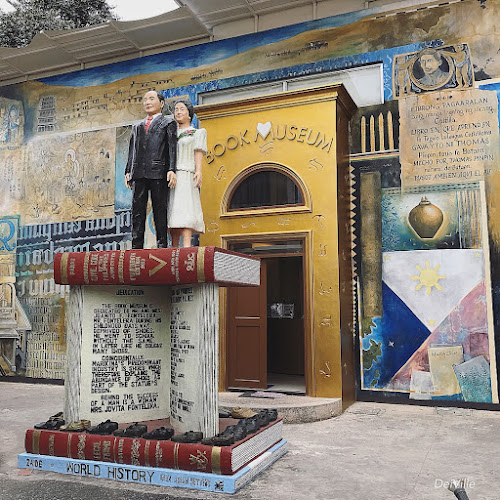
Book Museum cum Ethnology Center
Torchman Statue
Find Accommodations Nearby
Recommended Tours & Activities
Visitor Reviews
There are no reviews yet. Be the first one to write one.
Share Your Experience
Have you visited Lungsod ng mga Taong may Mabuting Ugali? Help other travelers by leaving a review.