
Plaza Tres Culturas
About Plaza Tres Culturas
Description
Plaza de las Tres Culturas stands as one of Mexico City's most historically layered sites, where three distinct eras of Mexican civilization converge in a single, thought-provoking space. The plaza gets its name from the three cultural periods represented here: pre-Columbian, Spanish colonial, and modern Mexican. Walking through this area feels a bit like thumbing through a history textbook, except you're actually standing where it all happened. The plaza itself serves as an outdoor museum of sorts, showcasing the Aztec ruins of Tlatelolco, the colonial-era Church of Santiago, and the contemporary architecture of residential buildings that surround the space. What makes this place genuinely fascinating is how these three time periods don't just coexist—they literally overlap, with each layer telling its own story about Mexico's complex past. I'll be honest with you: this isn't your typical cheerful tourist spot with street performers and souvenir vendors everywhere. The atmosphere here carries weight. The plaza was the site of the 1968 Tlatelolco massacre, where government forces opened fire on student protesters just days before the Mexico City Olympics. A memorial at the site honors those who lost their lives that day, adding a somber dimension to any visit. But beyond the tragic history, Plaza Tres Culturas offers visitors a unique opportunity to understand Mexico's cultural evolution. The pre-Hispanic ruins reveal the sophisticated urban planning of Tlatelolco, which was once a major trading center rivaling Tenochtitlan itself. The Spanish came and built their church using stones from the destroyed Aztec temples—a physical manifestation of colonialism if there ever was one. And then the modern buildings represent Mexico's journey into the 20th century. The site remains popular with history enthusiasts, students, and travelers who want to dig deeper than the usual tourist circuit. It's wheelchair accessible and welcomes families with children, though parents should be prepared to explain some heavy historical concepts. Dogs are allowed too, making it a decent spot for a contemplative walk with your four-legged companion.Key Features
- Ancient Tlatelolco archaeological zone featuring pre-Hispanic pyramids and ceremonial platforms that date back to the Aztec empire
- The 16th-century Church and Convent of Santiago Tlatelolco, built by Spanish conquistadors using stones from demolished Aztec temples
- Memorial dedicated to the victims of the 1968 student massacre, providing historical context about Mexico's modern political struggles
- Colegio de Santa Cruz, one of the first institutions of higher learning in the Americas where indigenous languages were studied and preserved
- Open-air layout that allows visitors to walk freely among ruins and observe the architectural contrasts between different historical periods
- Informational plaques throughout the site explaining the significance of various structures in Spanish and sometimes English
- The Foreign Affairs Ministry building (Torre de Tlatelolco) adjacent to the plaza, representing modern Mexican architecture and governance
- Archaeological excavations that continue to reveal new findings about pre-Hispanic life in central Mexico
- Educational programs and occasional guided tours that provide deeper historical context for visitors interested in Mexican history
- Photography opportunities that capture the unique juxtaposition of three distinct architectural and cultural styles in one location
Best Time to Visit
Timing your visit to Plaza Tres Culturas can make a real difference in your experience. The site is open throughout the year, but certain times offer better conditions for exploration and reflection. Early mornings, particularly between 9 and 11 AM, provide the most pleasant experience. The Mexico City sun hasn't reached its peak intensity yet, and you'll encounter fewer crowds. This is especially important if you want to take photographs without dozens of people in your shots or if you prefer a more contemplative atmosphere for absorbing the historical significance. Weekdays are generally quieter than weekends. Local families often visit on Saturdays and Sundays, which adds a different energy to the place—not necessarily bad, just busier. If you're someone who needs quiet to really connect with historical sites, stick to Tuesday through Thursday. Weather-wise, the dry season from November through April offers the most comfortable conditions for wandering around an open-air archaeological site. Mexico City's rainy season runs from May to October, with afternoon showers being pretty common. Getting caught in rain while exploring ruins isn't ideal, so pack an umbrella if you're visiting during these months. Special consideration should be given to October 2nd, the anniversary of the 1968 massacre. The plaza hosts memorial ceremonies and can be quite crowded with participants and onlookers. It's a powerful time to visit if you want to witness how Mexicans honor this difficult chapter of their history, but it's not the day for a casual sightseeing trip. Avoid visiting during major Mexican holidays unless you specifically want to experience the crowds. The plaza can get packed, and the archaeological areas might be cordoned off for special events. The golden hour before sunset, roughly between 5 and 6 PM depending on the season, creates beautiful lighting conditions for photography. The way the sun hits the ancient stones and colonial church creates some genuinely striking visual moments.How to Get There
Getting to Plaza Tres Culturas is relatively straightforward, though like everything in Mexico City, it requires a bit of patience and awareness. The Mexico City Metro is your best friend here. Take Line 3 (the olive-green line) to Tlatelolco station. Once you exit, you're literally steps away from the plaza. The metro system in Mexico City is affordable, efficient, and honestly one of the best ways to get around without dealing with traffic. Just be aware that it gets incredibly crowded during rush hours—roughly 7 to 9 AM and 6 to 8 PM on weekdays. If you're coming from the historic center, you can also take the Metrobús Line 1. Get off at the Buenavista station and walk about fifteen minutes north. It's a pleasant enough walk through neighborhoods that give you a sense of everyday Mexico City life. Taxis and ride-sharing services like Uber and Didi work well too. They're more expensive than public transit but offer convenience and air conditioning, which matters when Mexico City heat kicks in. Just make sure to specify "Plaza de las Tres Culturas en Tlatelolco" because there can be confusion with other plazas. For those renting cars—and I'd generally advise against driving in Mexico City unless you're experienced with chaotic traffic—parking near the plaza can be challenging. Street parking exists but fills up quickly, and you'll need to pay attention to parking regulations which aren't always clearly marked. The plaza sits in the Tlatelolco neighborhood of the Cuauhtémoc borough, roughly 3 kilometers north of the Zócalo (main square). From popular tourist areas like Roma or Condesa, expect about a 20-30 minute journey depending on traffic.Tips for Visiting
First things first: wear comfortable walking shoes. The ground around the archaeological site isn't perfectly even, and you'll be doing more walking than you probably expect. Those cute sandals or dress shoes? Save them for dinner. Bring water, especially if you're visiting between March and May when Mexico City experiences its warmest temperatures. There aren't many vendors immediately around the plaza, and staying hydrated while exploring under the sun matters more than you might think. Consider hiring a guide if you really want to understand what you're looking at. The ruins are impressive, but without context, they're just old stones. Some guides hang around the entrance offering their services, or you can arrange something through your hotel. A good guide transforms the experience from "looking at stuff" to genuinely understanding Mexico's complex history. Photography is allowed and encouraged, but be respectful around the memorial to the 1968 victims. This is still an emotional site for many Mexicans who lost family members or who participated in the student movement. The church often remains open for visitors who want to step inside, but remember it's an active place of worship. Dress modestly and speak quietly if you enter. The interior offers a cool respite from the heat and some beautiful colonial-era religious art. Don't rush your visit. I've seen tourists blow through in thirty minutes, snap a few photos, and leave. You're missing the point. Sit on one of the benches. Watch how the light changes on the ruins. Read the plaques carefully. This place deserves at least an hour and a half of your time, preferably two. The surrounding Tlatelolco neighborhood has undergone significant changes in recent years. While generally safe during daylight hours, exercise normal urban awareness. Keep valuables secured and stay alert to your surroundings, especially if you wander beyond the immediate plaza area. Combine your visit with nearby attractions to make the most of your trip to this part of the city. The excellent Museum of Memory and Tolerance is about fifteen minutes away, and the historic center is easily accessible. Check whether there are any temporary exhibitions or special events happening during your visit. The Cultural Center occasionally hosts exhibitions related to Mexican history and contemporary social issues. And here's something many visitors miss: look up occasionally. The contrast between ancient ruins and modern apartment buildings creates these surreal visual moments that really capture what Mexico City is all about—layers upon layers of history all existing simultaneously.Key Features
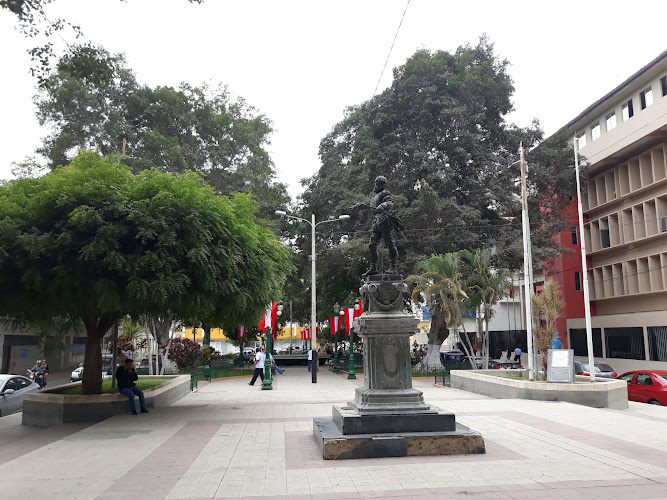
- Central monument referencing historical figures
- Ornamental fountains with nighttime lighting
- Recently remodeled landscaping and walkways
- Street-level access in central Piura neighborhood
- Active local atmosphere with vendors and small events
More Details
Updated January 18, 2026
Table of Contents
Description
Plaza de las Tres Culturas stands as one of Mexico City’s most historically layered sites, where three distinct eras of Mexican civilization converge in a single, thought-provoking space. The plaza gets its name from the three cultural periods represented here: pre-Columbian, Spanish colonial, and modern Mexican. Walking through this area feels a bit like thumbing through a history textbook, except you’re actually standing where it all happened.
The plaza itself serves as an outdoor museum of sorts, showcasing the Aztec ruins of Tlatelolco, the colonial-era Church of Santiago, and the contemporary architecture of residential buildings that surround the space. What makes this place genuinely fascinating is how these three time periods don’t just coexist—they literally overlap, with each layer telling its own story about Mexico’s complex past.
I’ll be honest with you: this isn’t your typical cheerful tourist spot with street performers and souvenir vendors everywhere. The atmosphere here carries weight. The plaza was the site of the 1968 Tlatelolco massacre, where government forces opened fire on student protesters just days before the Mexico City Olympics. A memorial at the site honors those who lost their lives that day, adding a somber dimension to any visit.
But beyond the tragic history, Plaza Tres Culturas offers visitors a unique opportunity to understand Mexico’s cultural evolution. The pre-Hispanic ruins reveal the sophisticated urban planning of Tlatelolco, which was once a major trading center rivaling Tenochtitlan itself. The Spanish came and built their church using stones from the destroyed Aztec temples—a physical manifestation of colonialism if there ever was one. And then the modern buildings represent Mexico’s journey into the 20th century.
The site remains popular with history enthusiasts, students, and travelers who want to dig deeper than the usual tourist circuit. It’s wheelchair accessible and welcomes families with children, though parents should be prepared to explain some heavy historical concepts. Dogs are allowed too, making it a decent spot for a contemplative walk with your four-legged companion.
Key Features
- Ancient Tlatelolco archaeological zone featuring pre-Hispanic pyramids and ceremonial platforms that date back to the Aztec empire
- The 16th-century Church and Convent of Santiago Tlatelolco, built by Spanish conquistadors using stones from demolished Aztec temples
- Memorial dedicated to the victims of the 1968 student massacre, providing historical context about Mexico’s modern political struggles
- Colegio de Santa Cruz, one of the first institutions of higher learning in the Americas where indigenous languages were studied and preserved
- Open-air layout that allows visitors to walk freely among ruins and observe the architectural contrasts between different historical periods
- Informational plaques throughout the site explaining the significance of various structures in Spanish and sometimes English
- The Foreign Affairs Ministry building (Torre de Tlatelolco) adjacent to the plaza, representing modern Mexican architecture and governance
- Archaeological excavations that continue to reveal new findings about pre-Hispanic life in central Mexico
- Educational programs and occasional guided tours that provide deeper historical context for visitors interested in Mexican history
- Photography opportunities that capture the unique juxtaposition of three distinct architectural and cultural styles in one location
Best Time to Visit
Timing your visit to Plaza Tres Culturas can make a real difference in your experience. The site is open throughout the year, but certain times offer better conditions for exploration and reflection.
Early mornings, particularly between 9 and 11 AM, provide the most pleasant experience. The Mexico City sun hasn’t reached its peak intensity yet, and you’ll encounter fewer crowds. This is especially important if you want to take photographs without dozens of people in your shots or if you prefer a more contemplative atmosphere for absorbing the historical significance.
Weekdays are generally quieter than weekends. Local families often visit on Saturdays and Sundays, which adds a different energy to the place—not necessarily bad, just busier. If you’re someone who needs quiet to really connect with historical sites, stick to Tuesday through Thursday.
Weather-wise, the dry season from November through April offers the most comfortable conditions for wandering around an open-air archaeological site. Mexico City’s rainy season runs from May to October, with afternoon showers being pretty common. Getting caught in rain while exploring ruins isn’t ideal, so pack an umbrella if you’re visiting during these months.
Special consideration should be given to October 2nd, the anniversary of the 1968 massacre. The plaza hosts memorial ceremonies and can be quite crowded with participants and onlookers. It’s a powerful time to visit if you want to witness how Mexicans honor this difficult chapter of their history, but it’s not the day for a casual sightseeing trip.
Avoid visiting during major Mexican holidays unless you specifically want to experience the crowds. The plaza can get packed, and the archaeological areas might be cordoned off for special events.
The golden hour before sunset, roughly between 5 and 6 PM depending on the season, creates beautiful lighting conditions for photography. The way the sun hits the ancient stones and colonial church creates some genuinely striking visual moments.
How to Get There
Getting to Plaza Tres Culturas is relatively straightforward, though like everything in Mexico City, it requires a bit of patience and awareness.
The Mexico City Metro is your best friend here. Take Line 3 (the olive-green line) to Tlatelolco station. Once you exit, you’re literally steps away from the plaza. The metro system in Mexico City is affordable, efficient, and honestly one of the best ways to get around without dealing with traffic. Just be aware that it gets incredibly crowded during rush hours—roughly 7 to 9 AM and 6 to 8 PM on weekdays.
If you’re coming from the historic center, you can also take the Metrobús Line 1. Get off at the Buenavista station and walk about fifteen minutes north. It’s a pleasant enough walk through neighborhoods that give you a sense of everyday Mexico City life.
Taxis and ride-sharing services like Uber and Didi work well too. They’re more expensive than public transit but offer convenience and air conditioning, which matters when Mexico City heat kicks in. Just make sure to specify “Plaza de las Tres Culturas en Tlatelolco” because there can be confusion with other plazas.
For those renting cars—and I’d generally advise against driving in Mexico City unless you’re experienced with chaotic traffic—parking near the plaza can be challenging. Street parking exists but fills up quickly, and you’ll need to pay attention to parking regulations which aren’t always clearly marked.
The plaza sits in the Tlatelolco neighborhood of the Cuauhtémoc borough, roughly 3 kilometers north of the Zócalo (main square). From popular tourist areas like Roma or Condesa, expect about a 20-30 minute journey depending on traffic.
Tips for Visiting
First things first: wear comfortable walking shoes. The ground around the archaeological site isn’t perfectly even, and you’ll be doing more walking than you probably expect. Those cute sandals or dress shoes? Save them for dinner.
Bring water, especially if you’re visiting between March and May when Mexico City experiences its warmest temperatures. There aren’t many vendors immediately around the plaza, and staying hydrated while exploring under the sun matters more than you might think.
Consider hiring a guide if you really want to understand what you’re looking at. The ruins are impressive, but without context, they’re just old stones. Some guides hang around the entrance offering their services, or you can arrange something through your hotel. A good guide transforms the experience from “looking at stuff” to genuinely understanding Mexico’s complex history.
Photography is allowed and encouraged, but be respectful around the memorial to the 1968 victims. This is still an emotional site for many Mexicans who lost family members or who participated in the student movement.
The church often remains open for visitors who want to step inside, but remember it’s an active place of worship. Dress modestly and speak quietly if you enter. The interior offers a cool respite from the heat and some beautiful colonial-era religious art.
Don’t rush your visit. I’ve seen tourists blow through in thirty minutes, snap a few photos, and leave. You’re missing the point. Sit on one of the benches. Watch how the light changes on the ruins. Read the plaques carefully. This place deserves at least an hour and a half of your time, preferably two.
The surrounding Tlatelolco neighborhood has undergone significant changes in recent years. While generally safe during daylight hours, exercise normal urban awareness. Keep valuables secured and stay alert to your surroundings, especially if you wander beyond the immediate plaza area.
Combine your visit with nearby attractions to make the most of your trip to this part of the city. The excellent Museum of Memory and Tolerance is about fifteen minutes away, and the historic center is easily accessible.
Check whether there are any temporary exhibitions or special events happening during your visit. The Cultural Center occasionally hosts exhibitions related to Mexican history and contemporary social issues.
And here’s something many visitors miss: look up occasionally. The contrast between ancient ruins and modern apartment buildings creates these surreal visual moments that really capture what Mexico City is all about—layers upon layers of history all existing simultaneously.
Key Highlights
- Central monument referencing historical figures
- Ornamental fountains with nighttime lighting
- Recently remodeled landscaping and walkways
- Street-level access in central Piura neighborhood
- Active local atmosphere with vendors and small events
Location
Places to Stay Near Plaza Tres Culturas
Find and Book a Tour
Explore More Travel Guides
No reviews found! Be the first to review!
Traveler Reviews for Plaza Tres Culturas
There are no reviews yet. Be the first one to write one.
Have you visited Plaza Tres Culturas? Help other travelers by sharing your review.
Nearby Attractions
You Might Also Like
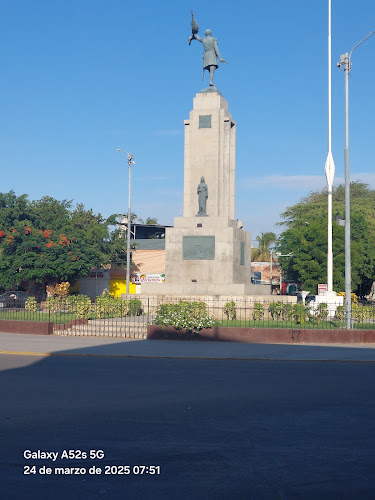
Óvalo Bolognesi

Dogmusic
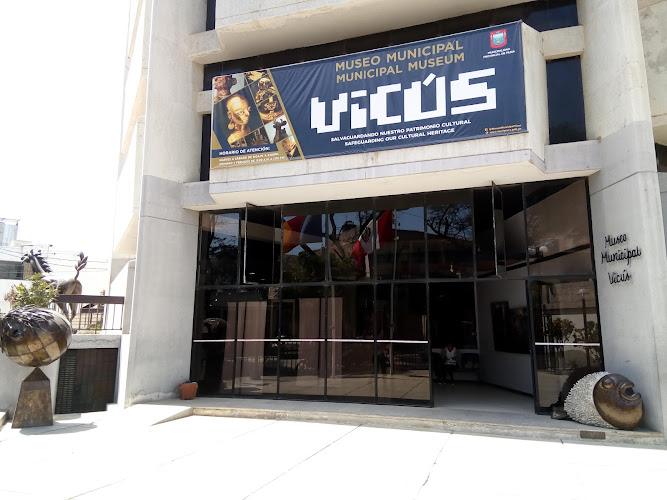
Municipal Museum Vicús
Find Accommodations Nearby
Recommended Tours & Activities
Visitor Reviews
There are no reviews yet. Be the first one to write one.
Share Your Experience
Have you visited Plaza Tres Culturas? Help other travelers by leaving a review.