
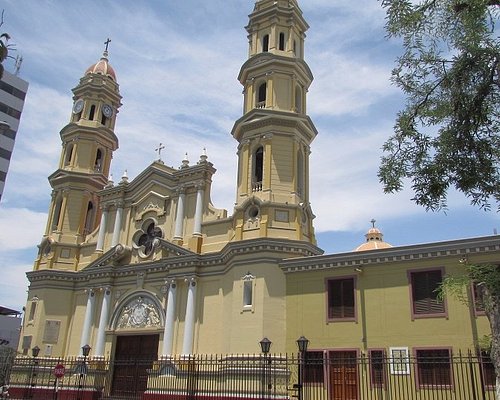
Piura
About Piura
Description
Piura sits in Peru's northwestern corner like a well-kept secret that most international travelers somehow manage to skip right over. And honestly? That's part of its charm. This sun-drenched city doesn't try too hard to impress anyone – it just exists as this authentic slice of Peruvian life where colonial history meets contemporary regional culture without all the tourist circus you'd find in Cusco or Lima. I remember my first impression of Piura was how genuinely hot it gets there. We're talking scorching, make-you-question-your-life-choices kind of heat during certain months. But that desert climate has shaped everything about this place, from its architecture to the way locals organize their daily routines around the midday sun. The city revolves around Plaza de Armas, which is pretty standard for colonial Latin American cities, but Piura's version has these magnificent tamarind trees providing shade that becomes absolutely sacred when temperatures climb past 35 degrees Celsius. The Piura Cathedral dominates one side of the plaza, and while I've seen plenty of churches throughout South America, there's something special about stepping inside this one. That gilded altarpiece isn't just decorative – it's a masterclass in colonial religious art that tells you everything about how important this region was during Spanish rule. What really sets Piura apart from other Peruvian destinations is its role in the country's independence movement. San Francisco Church isn't just another pretty colonial building – it's literally where Piura declared its independence from Spain back in 1821. Standing in that church, you can almost feel the weight of that historical moment. These weren't people in Lima or Arequipa making decisions for them; Piura took its own stand. The Admiral Miguel Grau Museum offers another layer to understanding Peruvian identity. Grau is considered Peru's greatest naval hero, and his house-turned-museum preserves personal items, photographs, and memorabilia that humanize this almost mythical figure. You won't find crowds of tourists snapping selfies here, which means you can actually take your time absorbing the stories these artifacts tell about 19th-century Peru and the War of the Pacific. But Piura isn't frozen in colonial amber. It's a working city where approximately half a million people go about their lives, making it Peru's tenth-largest urban area. The economy runs on agriculture, fishing, and increasingly, mining. You'll see this blend everywhere – colonial facades housing modern businesses, traditional markets selling everything from mangoes to mobile phones.Key Features
Travelers exploring Piura will discover several distinctive characteristics that define this northwestern Peruvian city: • Piura Cathedral – The city's architectural centerpiece featuring an elaborate gilded altarpiece that represents centuries of religious artistry and colonial craftsmanship. The cathedral anchors Plaza de Armas and serves as both a spiritual center and historical landmark. • Plaza de Armas – The main square lined with tamarind trees offering essential shade in the desert heat. This is where locals gather in early morning and late evening when temperatures become tolerable. • San Francisco Church – The historically significant site where Piura formally declared independence from Spanish rule in 1821, making it a pilgrimage spot for anyone interested in Latin American independence movements. • Admiral Miguel Grau Museum and House – A thoughtfully curated collection celebrating Peru's most celebrated naval hero, providing context about the War of the Pacific and 19th-century Peruvian history through personal artifacts and photographs. • Colonial Architecture – Well-preserved Spanish colonial buildings throughout the historic center that showcase architectural styles adapted to extreme desert conditions. • Desert Climate – One of Peru's hottest and driest regions, creating a completely different environment compared to the Andes or Amazon regions most tourists visit. • Authentic Local Culture – Far fewer international tourists than southern Peru destinations, meaning genuine cultural experiences and interactions with locals going about daily life. • Gateway Location – Strategic position for accessing northern coastal beaches, the Sechura Desert, and the pre-Incan archaeological sites in the surrounding region.Best Time to Visit
Timing your Piura visit matters more than you might think, because this city operates on a different climatic schedule than most of Peru. The absolute best window runs from May through October, which coincides with Peru's dry season. During these months, you'll experience hot days – let's be real, they're always hot in Piura – but with lower humidity and virtually no rain. Temperatures hover between 25-30 degrees Celsius, which sounds manageable until you factor in that relentless sun. But compared to other times of year, this is genuinely pleasant. I'd particularly recommend June through August if you can swing it. These months offer the most comfortable weather, though "comfortable" is relative in a desert city. Mornings start warm, midday gets properly hot, and evenings cool down enough that sitting outside becomes enjoyable rather than an endurance test. December through March brings Peru's summer and rainy season, though "rainy season" in Piura is complicated. Most years see minimal rainfall because of the region's desert climate. But – and this is important – during El Niño years, everything changes. Piura can experience catastrophic flooding that transforms the entire region. The 2017 El Niño event absolutely devastated parts of the city and surrounding areas. So if you're planning a visit between December and March, definitely check current weather patterns and El Niño forecasts. The heat peaks between January and March, when temperatures regularly exceed 35 degrees Celsius and can push toward 40. Unless you're specifically training for desert survival, I'd suggest avoiding these months. Nothing ruins sightseeing quite like heat exhaustion. April and November serve as shoulder season months – decent weather without any particular downsides, though you might catch some late or early season heat. One thing many travel guides won't tell you: Piura's summer heat doesn't just make walking around uncomfortable. It fundamentally changes how the city functions. Shops close during midday hours, streets empty out between noon and 4 PM, and anyone with sense stays indoors. This isn't just local tradition – it's survival strategy.How to Get There
Getting to Piura requires a bit more planning than reaching Peru's more famous destinations, but the city's accessibility has improved significantly over the past decade. By air, Captain FAP Guillermo Concha Iberico International Airport sits about 2 kilometers from downtown Piura. LATAM and Sky Airline operate regular flights from Lima, with the journey taking roughly an hour and forty-five minutes. Flight prices fluctuate wildly depending on booking timing, but you can sometimes snag deals around $50-80 USD one-way if you're flexible. The Lima-Piura route runs multiple times daily, making day-of travel reasonably feasible if needed. The airport itself is small and straightforward – you won't get lost or overwhelmed like at Lima's Jorge Chávez International. Taxis into the city center cost around 10-15 soles and take maybe ten minutes depending on traffic. If you're already exploring northern Peru, several regional airports connect to Piura. Flights from Trujillo and other northern cities operate less frequently but can save considerable ground travel time. Overland travel to Piura appeals to budget travelers and those who want to see Peru's coastal landscape. Long-distance buses from Lima take approximately 14-16 hours, covering around 1,000 kilometers along the Pan-American Highway. Cruz del Sur, Oltursa, and several other reputable companies operate this route with varying service levels. The better bus companies offer surprisingly comfortable sleeper seats, meals, and entertainment systems, making overnight travel relatively painless. The Lima-Piura bus route costs anywhere from $25-60 USD depending on service level and booking timing. I'd recommend spending extra for premium services – those additional hours of actual sleep are worth every sol when you arrive. From Ecuador, Piura serves as one of the first substantial Peruvian cities travelers encounter. The border crossing at Tumbes lies about 280 kilometers north, with buses taking 4-5 hours. Several companies specialize in international routes connecting Guayaquil and other Ecuadorian cities with Piura. Driving independently to Piura works if you're comfortable with Peruvian road conditions and traffic patterns. The Pan-American Highway is generally well-maintained, though desert driving requires specific precautions regarding fuel, water, and vehicle preparation. Don't attempt this without a reliable vehicle and emergency supplies. Once you arrive, getting around Piura itself is straightforward. The historic center where most attractions concentrate is walkable, though remember that "walkable" in 35-degree heat means something different than in temperate climates. Local taxis are abundant and inexpensive – most trips within the city run 5-10 soles. Uber operates in Piura, providing an alternative to negotiating taxi fares.Tips for Visiting
Spending time in Piura successfully requires adjusting expectations and strategies compared to other Peruvian destinations. First and most critical: respect the heat. This isn't a suggestion, it's a survival requirement. Carry water constantly – I mean actually constantly, not just when you remember. Dehydration sneaks up frighteningly fast in Piura's dry climate. You'll feel fine one moment, then suddenly lightheaded and exhausted. Drink before you feel thirsty. Plan your sightseeing schedule around temperature patterns. Visit outdoor attractions and churches in early morning before 10 AM or late afternoon after 4 PM. Use the brutal midday hours for air-conditioned museums, lunch, or honestly just resting in your hotel. Fighting against Piura's climate makes no sense when you can work with it instead. Sunscreen isn't optional. The desert sun at these latitudes will absolutely roast unprotected skin in under an hour. Reapply frequently, especially if you're sweating (and you will be sweating). A wide-brimmed hat helps enormously, though you might feel slightly ridiculous. Better ridiculous than sunburned. Language matters in Piura more than in heavily-touristed Peruvian cities. English proficiency is limited outside upscale hotels and specific tourist services. Basic Spanish phrases go a long way, and locals genuinely appreciate attempts to communicate in their language. Download a translation app before arriving, because wifi isn't always reliable. Currency-wise, bring soles not dollars. While Lima businesses often accept US currency, Piura operates primarily on local currency. ATMs are widely available around Plaza de Armas and throughout the city, but they sometimes run out of cash or experience technical problems. Withdraw money during business hours when you can get help if something goes wrong. Safety in Piura requires standard urban awareness without paranoia. The city experiences typical Latin American urban crime – pickpocketing, bag snatching, occasional robberies – but doesn't have the elevated risks of Lima or other major cities. Keep valuables secured and unobtrusive, avoid displaying expensive electronics or jewelry, and don't wander unfamiliar neighborhoods late at night. The historic center remains generally safe during daylight hours. Food safety deserves attention since Piura's heat accelerates spoilage. Eat at busy restaurants where turnover keeps ingredients fresh. Be cautious with street food during hot afternoons when meat and dairy sit unrefrigerated. That said, Piura's culinary scene offers fantastic ceviche, seco de cabrito (goat stew), and regional specialties worth trying from reputable establishments. Accommodation strategy depends on your budget and heat tolerance. Splurge for air conditioning if possible – fans alone struggle against Piura's peak temperatures. Hotels in the historic center put you within walking distance of major attractions, though "walking distance" again means something different in desert heat. Mid-range hotels typically cost $30-60 USD nightly with air conditioning and breakfast included. Photography opportunities abound, particularly around Plaza de Armas and colonial buildings. Early morning and late afternoon light create beautiful conditions for architecture photography. Ask permission before photographing people – most locals don't mind, but respect is expected. Cash reserves matter because card acceptance remains inconsistent outside major hotels and restaurants. Smaller shops, markets, taxis, and local eateries operate cash-only. Keep small bills handy since making change for large notes can be problematic. Finally, adjust your pace expectations. Piura moves slower than Lima or Cusco, both literally due to heat and culturally. Services take longer, people are less rushed, and trying to maintain a frantic tourist schedule will only frustrate you. Embrace the slower rhythm and you'll enjoy Piura considerably more. The city rewards travelers seeking authentic Peruvian experiences away from well-worn tourist circuits. Come prepared for heat, bring patience and flexibility, and you'll discover a genuinely interesting destination that most travelers overlook completely.Key Features
- Shaded benches and mature trees offering relief from the heat
- Central location on Av. San Martín, convenient for walking tours
- Local vendors and simple street food nearby
- Quiet spots for people-watching and relaxing
- Close views of surrounding colonial-era buildings and urban life
More Details
Updated January 18, 2026
Table of Contents
Description
Piura sits in Peru’s northwestern corner like a well-kept secret that most international travelers somehow manage to skip right over. And honestly? That’s part of its charm. This sun-drenched city doesn’t try too hard to impress anyone – it just exists as this authentic slice of Peruvian life where colonial history meets contemporary regional culture without all the tourist circus you’d find in Cusco or Lima.
I remember my first impression of Piura was how genuinely hot it gets there. We’re talking scorching, make-you-question-your-life-choices kind of heat during certain months. But that desert climate has shaped everything about this place, from its architecture to the way locals organize their daily routines around the midday sun.
The city revolves around Plaza de Armas, which is pretty standard for colonial Latin American cities, but Piura’s version has these magnificent tamarind trees providing shade that becomes absolutely sacred when temperatures climb past 35 degrees Celsius. The Piura Cathedral dominates one side of the plaza, and while I’ve seen plenty of churches throughout South America, there’s something special about stepping inside this one. That gilded altarpiece isn’t just decorative – it’s a masterclass in colonial religious art that tells you everything about how important this region was during Spanish rule.
What really sets Piura apart from other Peruvian destinations is its role in the country’s independence movement. San Francisco Church isn’t just another pretty colonial building – it’s literally where Piura declared its independence from Spain back in 1821. Standing in that church, you can almost feel the weight of that historical moment. These weren’t people in Lima or Arequipa making decisions for them; Piura took its own stand.
The Admiral Miguel Grau Museum offers another layer to understanding Peruvian identity. Grau is considered Peru’s greatest naval hero, and his house-turned-museum preserves personal items, photographs, and memorabilia that humanize this almost mythical figure. You won’t find crowds of tourists snapping selfies here, which means you can actually take your time absorbing the stories these artifacts tell about 19th-century Peru and the War of the Pacific.
But Piura isn’t frozen in colonial amber. It’s a working city where approximately half a million people go about their lives, making it Peru’s tenth-largest urban area. The economy runs on agriculture, fishing, and increasingly, mining. You’ll see this blend everywhere – colonial facades housing modern businesses, traditional markets selling everything from mangoes to mobile phones.
Key Features
Travelers exploring Piura will discover several distinctive characteristics that define this northwestern Peruvian city:
• Piura Cathedral – The city’s architectural centerpiece featuring an elaborate gilded altarpiece that represents centuries of religious artistry and colonial craftsmanship. The cathedral anchors Plaza de Armas and serves as both a spiritual center and historical landmark.
• Plaza de Armas – The main square lined with tamarind trees offering essential shade in the desert heat. This is where locals gather in early morning and late evening when temperatures become tolerable.
• San Francisco Church – The historically significant site where Piura formally declared independence from Spanish rule in 1821, making it a pilgrimage spot for anyone interested in Latin American independence movements.
• Admiral Miguel Grau Museum and House – A thoughtfully curated collection celebrating Peru’s most celebrated naval hero, providing context about the War of the Pacific and 19th-century Peruvian history through personal artifacts and photographs.
• Colonial Architecture – Well-preserved Spanish colonial buildings throughout the historic center that showcase architectural styles adapted to extreme desert conditions.
• Desert Climate – One of Peru’s hottest and driest regions, creating a completely different environment compared to the Andes or Amazon regions most tourists visit.
• Authentic Local Culture – Far fewer international tourists than southern Peru destinations, meaning genuine cultural experiences and interactions with locals going about daily life.
• Gateway Location – Strategic position for accessing northern coastal beaches, the Sechura Desert, and the pre-Incan archaeological sites in the surrounding region.
Best Time to Visit
Timing your Piura visit matters more than you might think, because this city operates on a different climatic schedule than most of Peru.
The absolute best window runs from May through October, which coincides with Peru’s dry season. During these months, you’ll experience hot days – let’s be real, they’re always hot in Piura – but with lower humidity and virtually no rain. Temperatures hover between 25-30 degrees Celsius, which sounds manageable until you factor in that relentless sun. But compared to other times of year, this is genuinely pleasant.
I’d particularly recommend June through August if you can swing it. These months offer the most comfortable weather, though “comfortable” is relative in a desert city. Mornings start warm, midday gets properly hot, and evenings cool down enough that sitting outside becomes enjoyable rather than an endurance test.
December through March brings Peru’s summer and rainy season, though “rainy season” in Piura is complicated. Most years see minimal rainfall because of the region’s desert climate. But – and this is important – during El Niño years, everything changes. Piura can experience catastrophic flooding that transforms the entire region. The 2017 El Niño event absolutely devastated parts of the city and surrounding areas. So if you’re planning a visit between December and March, definitely check current weather patterns and El Niño forecasts.
The heat peaks between January and March, when temperatures regularly exceed 35 degrees Celsius and can push toward 40. Unless you’re specifically training for desert survival, I’d suggest avoiding these months. Nothing ruins sightseeing quite like heat exhaustion.
April and November serve as shoulder season months – decent weather without any particular downsides, though you might catch some late or early season heat.
One thing many travel guides won’t tell you: Piura’s summer heat doesn’t just make walking around uncomfortable. It fundamentally changes how the city functions. Shops close during midday hours, streets empty out between noon and 4 PM, and anyone with sense stays indoors. This isn’t just local tradition – it’s survival strategy.
How to Get There
Getting to Piura requires a bit more planning than reaching Peru’s more famous destinations, but the city’s accessibility has improved significantly over the past decade.
By air, Captain FAP Guillermo Concha Iberico International Airport sits about 2 kilometers from downtown Piura. LATAM and Sky Airline operate regular flights from Lima, with the journey taking roughly an hour and forty-five minutes. Flight prices fluctuate wildly depending on booking timing, but you can sometimes snag deals around $50-80 USD one-way if you’re flexible. The Lima-Piura route runs multiple times daily, making day-of travel reasonably feasible if needed.
The airport itself is small and straightforward – you won’t get lost or overwhelmed like at Lima’s Jorge Chávez International. Taxis into the city center cost around 10-15 soles and take maybe ten minutes depending on traffic.
If you’re already exploring northern Peru, several regional airports connect to Piura. Flights from Trujillo and other northern cities operate less frequently but can save considerable ground travel time.
Overland travel to Piura appeals to budget travelers and those who want to see Peru’s coastal landscape. Long-distance buses from Lima take approximately 14-16 hours, covering around 1,000 kilometers along the Pan-American Highway. Cruz del Sur, Oltursa, and several other reputable companies operate this route with varying service levels. The better bus companies offer surprisingly comfortable sleeper seats, meals, and entertainment systems, making overnight travel relatively painless.
The Lima-Piura bus route costs anywhere from $25-60 USD depending on service level and booking timing. I’d recommend spending extra for premium services – those additional hours of actual sleep are worth every sol when you arrive.
From Ecuador, Piura serves as one of the first substantial Peruvian cities travelers encounter. The border crossing at Tumbes lies about 280 kilometers north, with buses taking 4-5 hours. Several companies specialize in international routes connecting Guayaquil and other Ecuadorian cities with Piura.
Driving independently to Piura works if you’re comfortable with Peruvian road conditions and traffic patterns. The Pan-American Highway is generally well-maintained, though desert driving requires specific precautions regarding fuel, water, and vehicle preparation. Don’t attempt this without a reliable vehicle and emergency supplies.
Once you arrive, getting around Piura itself is straightforward. The historic center where most attractions concentrate is walkable, though remember that “walkable” in 35-degree heat means something different than in temperate climates. Local taxis are abundant and inexpensive – most trips within the city run 5-10 soles. Uber operates in Piura, providing an alternative to negotiating taxi fares.
Tips for Visiting
Spending time in Piura successfully requires adjusting expectations and strategies compared to other Peruvian destinations.
First and most critical: respect the heat. This isn’t a suggestion, it’s a survival requirement. Carry water constantly – I mean actually constantly, not just when you remember. Dehydration sneaks up frighteningly fast in Piura’s dry climate. You’ll feel fine one moment, then suddenly lightheaded and exhausted. Drink before you feel thirsty.
Plan your sightseeing schedule around temperature patterns. Visit outdoor attractions and churches in early morning before 10 AM or late afternoon after 4 PM. Use the brutal midday hours for air-conditioned museums, lunch, or honestly just resting in your hotel. Fighting against Piura’s climate makes no sense when you can work with it instead.
Sunscreen isn’t optional. The desert sun at these latitudes will absolutely roast unprotected skin in under an hour. Reapply frequently, especially if you’re sweating (and you will be sweating). A wide-brimmed hat helps enormously, though you might feel slightly ridiculous. Better ridiculous than sunburned.
Language matters in Piura more than in heavily-touristed Peruvian cities. English proficiency is limited outside upscale hotels and specific tourist services. Basic Spanish phrases go a long way, and locals genuinely appreciate attempts to communicate in their language. Download a translation app before arriving, because wifi isn’t always reliable.
Currency-wise, bring soles not dollars. While Lima businesses often accept US currency, Piura operates primarily on local currency. ATMs are widely available around Plaza de Armas and throughout the city, but they sometimes run out of cash or experience technical problems. Withdraw money during business hours when you can get help if something goes wrong.
Safety in Piura requires standard urban awareness without paranoia. The city experiences typical Latin American urban crime – pickpocketing, bag snatching, occasional robberies – but doesn’t have the elevated risks of Lima or other major cities. Keep valuables secured and unobtrusive, avoid displaying expensive electronics or jewelry, and don’t wander unfamiliar neighborhoods late at night. The historic center remains generally safe during daylight hours.
Food safety deserves attention since Piura’s heat accelerates spoilage. Eat at busy restaurants where turnover keeps ingredients fresh. Be cautious with street food during hot afternoons when meat and dairy sit unrefrigerated. That said, Piura’s culinary scene offers fantastic ceviche, seco de cabrito (goat stew), and regional specialties worth trying from reputable establishments.
Accommodation strategy depends on your budget and heat tolerance. Splurge for air conditioning if possible – fans alone struggle against Piura’s peak temperatures. Hotels in the historic center put you within walking distance of major attractions, though “walking distance” again means something different in desert heat. Mid-range hotels typically cost $30-60 USD nightly with air conditioning and breakfast included.
Photography opportunities abound, particularly around Plaza de Armas and colonial buildings. Early morning and late afternoon light create beautiful conditions for architecture photography. Ask permission before photographing people – most locals don’t mind, but respect is expected.
Cash reserves matter because card acceptance remains inconsistent outside major hotels and restaurants. Smaller shops, markets, taxis, and local eateries operate cash-only. Keep small bills handy since making change for large notes can be problematic.
Finally, adjust your pace expectations. Piura moves slower than Lima or Cusco, both literally due to heat and culturally. Services take longer, people are less rushed, and trying to maintain a frantic tourist schedule will only frustrate you. Embrace the slower rhythm and you’ll enjoy Piura considerably more.
The city rewards travelers seeking authentic Peruvian experiences away from well-worn tourist circuits. Come prepared for heat, bring patience and flexibility, and you’ll discover a genuinely interesting destination that most travelers overlook completely.
Key Highlights
- Shaded benches and mature trees offering relief from the heat
- Central location on Av. San Martín, convenient for walking tours
- Local vendors and simple street food nearby
- Quiet spots for people-watching and relaxing
- Close views of surrounding colonial-era buildings and urban life
Location
Places to Stay Near Piura
Find and Book a Tour
Explore More Travel Guides
No reviews found! Be the first to review!
Traveler Reviews for Piura
There are no reviews yet. Be the first one to write one.
Have you visited Piura? Help other travelers by sharing your review.
Nearby Attractions
You Might Also Like
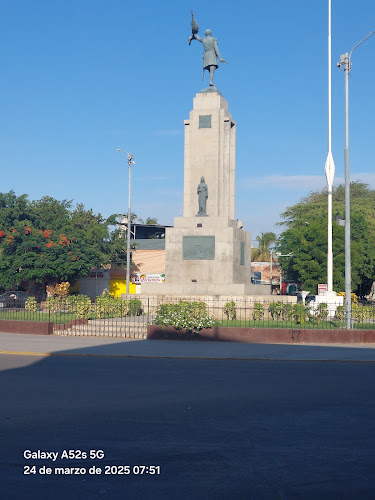
Óvalo Bolognesi
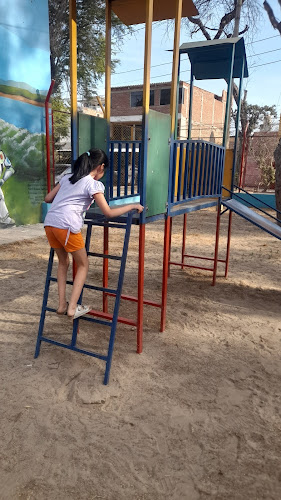
Juegos Recreativos Urb. Piura
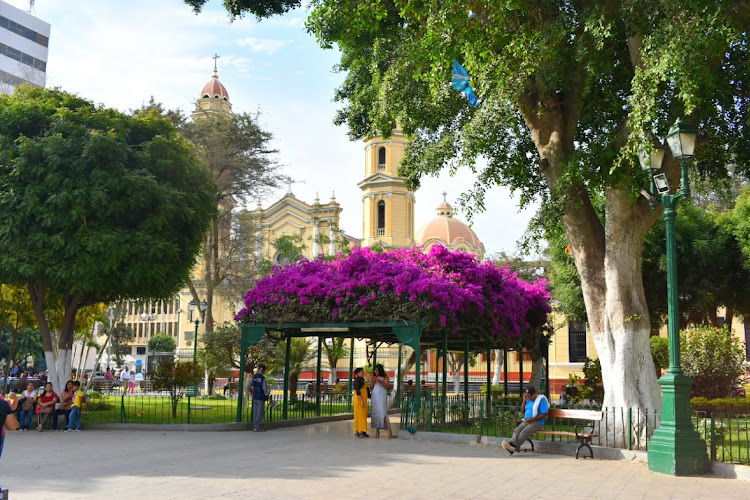
Plaza de Armas Piura
Find Accommodations Nearby
Recommended Tours & Activities
Visitor Reviews
There are no reviews yet. Be the first one to write one.
Share Your Experience
Have you visited Piura? Help other travelers by leaving a review.