
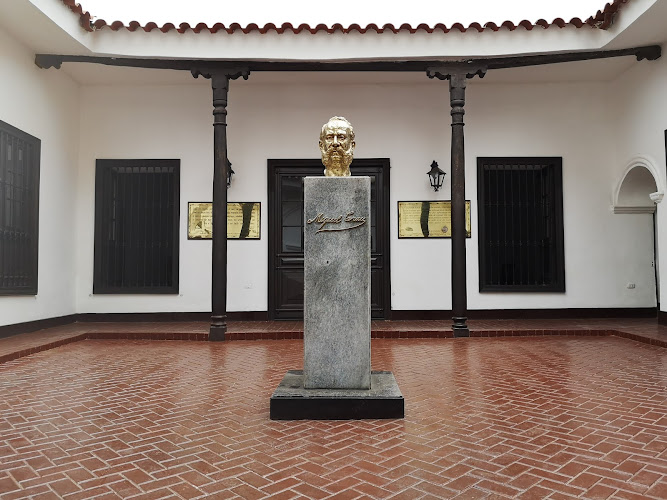
Casa Museo Gran Almirante Grau
About Casa Museo Gran Almirante Grau
Description
The Casa Museo Gran Almirante Grau stands as a fascinating testament to one of Peru's most celebrated naval heroes, Miguel Grau Seminario. This museum occupies the former residence where the legendary admiral lived with his family, and honestly, walking through these rooms feels like stepping directly into 19th-century Lima. The preserved home offers visitors an intimate glimpse into the personal life of the man who became known as the "Gentleman of the Seas" during the War of the Pacific. What makes this place particularly special is how it manages to combine historical significance with genuine emotional resonance. You're not just looking at artifacts behind glass cases here—though there are plenty of those too. The museum has maintained much of the original architecture and atmosphere, so you really get a sense of how Admiral Grau actually lived. And let me tell you, there's something quite moving about standing in the same spaces where this remarkable figure once walked, worked, and spent time with his loved ones. The museum showcases an impressive collection of personal belongings, naval uniforms, correspondence, and military memorabilia that paint a comprehensive picture of Grau's life both as a military leader and as a family man. But what really grabbed me when I first learned about this place was how it doesn't just glorify war or military conquest. Instead, it emphasizes Grau's humanitarian values and the chivalrous conduct that earned him respect even from his enemies. Most visitors spend about an hour here, though history enthusiasts could easily lose track of time examining the detailed exhibits. The colonial-era architecture itself deserves attention, with its characteristic Lima style featuring wooden balconies and period furnishings that transport you back to a different era. It's the kind of museum that works equally well for serious history buffs and casual tourists who just want to understand Peruvian culture a bit better.Key Features
The Casa Museo Gran Almirante Grau offers several distinctive elements that make it worth adding to your Lima itinerary: • Original furniture and personal items that belonged to Admiral Grau and his family, giving you an authentic window into their daily life • The admiral's naval uniforms and military decorations displayed in carefully curated exhibits that showcase his distinguished career • Personal correspondence and documents, including letters that reveal Grau's character and the values that made him a national hero • Period photographs depicting both Grau's family life and significant moments from Peru's naval history • The preserved architecture of a typical 19th-century Lima home, complete with traditional wooden balconies and colonial-style rooms • Educational displays explaining the War of the Pacific and Grau's pivotal role in Peruvian naval history • Memorial items and tributes from various nations acknowledging Grau's humanitarian conduct during wartime • A collection of naval artifacts and equipment from the era, helping visitors understand maritime warfare of that period • Wheelchair accessible entrance and restroom facilities, making the museum welcoming to visitors with mobility challenges • Family-friendly exhibits that help younger visitors connect with Peruvian history in an engaging way • Well-maintained restroom facilities for visitor convenience during your tour • Knowledgeable staff who can provide context and answer questions about the exhibitsBest Time to Visit
Timing your visit to the Casa Museo Gran Almirante Grau can really enhance your experience, and there's a few things worth considering. The museum tends to be quietest on weekday mornings, particularly Tuesday through Thursday. If you prefer exploring without crowds—and who doesn't, really—aim for opening hours when you'll have more space to appreciate the exhibits at your own pace. Lima's weather plays less of a role here since you'll be indoors, but it's worth noting that the city's "winter" months from June to September bring overcast skies and cooler temperatures. This actually makes it a perfect time for museum visits since you won't feel like you're missing out on beach weather or sunny outdoor activities. The garúa—that characteristic Lima mist—creates quite an atmospheric backdrop for visiting a historical home anyway. Avoid visiting during Peruvian school holidays if possible, especially the summer break from January to March, when local families make up a larger portion of museum visitors. That said, the museum rarely gets uncomfortably crowded compared to Lima's bigger attractions. Special commemorations around October 8th, the anniversary of the Battle of Angamos where Admiral Grau lost his life, bring increased interest to the museum. While this means more visitors, it also creates a particularly poignant atmosphere if you're interested in experiencing how Peruvians honor their naval heritage. Weekends see moderate traffic, with Saturday mornings being busier than Sunday afternoons. But honestly, unless you're visiting during a major holiday or school vacation period, the museum maintains a manageable visitor flow that allows for comfortable exploration.How to Get There
Getting to the Casa Museo Gran Almirante Grau is straightforward enough, though like anything in Lima, it requires a bit of local knowledge to navigate efficiently. The museum sits in central Lima, making it accessible through various transportation options depending on where you're staying in the city. Taxis and ride-sharing services like Uber or Beat offer the most convenient option for most travelers. The ride from Miraflores takes roughly 20-30 minutes depending on traffic—and Lima traffic can be unpredictable, so build in extra time. From the Barranco neighborhood, you're looking at a similar journey time. The fare typically runs reasonable by international standards, though prices can spike during rush hours. If you're staying in central Lima, you might find yourself within walking distance, though do consider the neighborhood and time of day before deciding to walk. Lima's downtown areas are generally safe during daylight hours but always stay aware of your surroundings. The Metropolitano bus rapid transit system provides a budget-friendly alternative, though it requires more planning and local knowledge to navigate effectively. You'd need to get off at a nearby station and walk a short distance, which works fine if you're comfortable with a bit of urban exploring. Local buses run throughout central Lima, but I'll be honest—navigating Lima's bus system as a tourist can be challenging unless you speak Spanish and have some familiarity with the routes. The buses aren't always clearly marked, and routes can be confusing for newcomers. Many travelers find it easiest to combine their visit with other nearby attractions in central Lima, making it part of a broader historical district tour. Some guided Lima city tours include the Casa Museo Gran Almirante Grau in their itineraries, which solves the transportation question entirely while adding valuable historical context.Tips for Visiting
Making the most of your visit to the Casa Museo Gran Almirante Grau involves some practical considerations that'll help you enjoy the experience more fully. First off, bring some cash in small denominations. While many Lima attractions now accept cards, having soles on hand for admission and any small purchases just makes everything smoother. Photography policies can vary in museums, so check current rules when you arrive. Generally, non-flash photography is permitted in many areas, but some sections with particularly delicate artifacts may have restrictions. Your phone camera should work fine for most shots—you don't need fancy equipment. The museum maintains comfortable indoor temperatures, but Lima's climate can be deceivingly cool, especially during the garúa season. Layering works best so you can adjust as needed when moving between the outside streets and the museum interior. Plan for about an hour to ninety minutes for your visit if you want to properly appreciate the exhibits without rushing. Sure, you could speed through in 30 minutes, but what's the point? The real value comes from taking time to read the descriptions and reflect on what you're seeing. While the museum has restroom facilities, they're basic but clean. If you have specific accessibility needs beyond the wheelchair-accessible entrance and restroom, calling ahead might be worthwhile to confirm specific accommodations. Guided tours can add significant value to your experience. Even if you're usually the independent type, having someone explain the historical context and share stories about Admiral Grau brings the exhibits to life in ways that reading plaques simply can't match. Some guides speak excellent English, though Spanish-language tours are more readily available. Combine your visit with other nearby historical attractions to make a full morning or afternoon of exploring Lima's heritage. The area has several museums and colonial-era buildings worth seeing, and grouping them together makes logistical sense. And here's something people don't always think about—bring a small notebook if you're a history enthusiast. You'll want to jot down details or questions that come up during your visit, especially if you're interested in Peru's naval history or the War of the Pacific period. The museum staff are generally helpful and appreciate visitors who show genuine interest in Admiral Grau's legacy. Don't hesitate to ask questions, though English proficiency among staff members varies. A translation app on your phone can bridge any language gaps pretty effectively. Finally, approach your visit with an open mind about Peruvian history and culture. The Casa Museo Gran Almirante Grau isn't just about military history—it's about understanding the values and character that made Grau a hero not just in Peru but respected internationally. His story of honor, courage, and humanity resonates across cultures and time periods, which is ultimately what makes this modest museum so worthwhile.Key Features
- Original family residence setting with period architecture and courtyard
- Personal artifacts of Admiral Miguel Grau (uniforms, letters, portraits)
- Maritime exhibits relating to Peru’s naval history and the War of the Pacific
- Intimate, small-scale displays allowing up-close viewing
- Central location near Piura’s historic downtown and plazas
More Details
Updated January 18, 2026
Table of Contents
Description
The Casa Museo Gran Almirante Grau stands as a fascinating testament to one of Peru’s most celebrated naval heroes, Miguel Grau Seminario. This museum occupies the former residence where the legendary admiral lived with his family, and honestly, walking through these rooms feels like stepping directly into 19th-century Lima. The preserved home offers visitors an intimate glimpse into the personal life of the man who became known as the “Gentleman of the Seas” during the War of the Pacific.
What makes this place particularly special is how it manages to combine historical significance with genuine emotional resonance. You’re not just looking at artifacts behind glass cases here—though there are plenty of those too. The museum has maintained much of the original architecture and atmosphere, so you really get a sense of how Admiral Grau actually lived. And let me tell you, there’s something quite moving about standing in the same spaces where this remarkable figure once walked, worked, and spent time with his loved ones.
The museum showcases an impressive collection of personal belongings, naval uniforms, correspondence, and military memorabilia that paint a comprehensive picture of Grau’s life both as a military leader and as a family man. But what really grabbed me when I first learned about this place was how it doesn’t just glorify war or military conquest. Instead, it emphasizes Grau’s humanitarian values and the chivalrous conduct that earned him respect even from his enemies.
Most visitors spend about an hour here, though history enthusiasts could easily lose track of time examining the detailed exhibits. The colonial-era architecture itself deserves attention, with its characteristic Lima style featuring wooden balconies and period furnishings that transport you back to a different era. It’s the kind of museum that works equally well for serious history buffs and casual tourists who just want to understand Peruvian culture a bit better.
Key Features
The Casa Museo Gran Almirante Grau offers several distinctive elements that make it worth adding to your Lima itinerary:
• Original furniture and personal items that belonged to Admiral Grau and his family, giving you an authentic window into their daily life
• The admiral’s naval uniforms and military decorations displayed in carefully curated exhibits that showcase his distinguished career
• Personal correspondence and documents, including letters that reveal Grau’s character and the values that made him a national hero
• Period photographs depicting both Grau’s family life and significant moments from Peru’s naval history
• The preserved architecture of a typical 19th-century Lima home, complete with traditional wooden balconies and colonial-style rooms
• Educational displays explaining the War of the Pacific and Grau’s pivotal role in Peruvian naval history
• Memorial items and tributes from various nations acknowledging Grau’s humanitarian conduct during wartime
• A collection of naval artifacts and equipment from the era, helping visitors understand maritime warfare of that period
• Wheelchair accessible entrance and restroom facilities, making the museum welcoming to visitors with mobility challenges
• Family-friendly exhibits that help younger visitors connect with Peruvian history in an engaging way
• Well-maintained restroom facilities for visitor convenience during your tour
• Knowledgeable staff who can provide context and answer questions about the exhibits
Best Time to Visit
Timing your visit to the Casa Museo Gran Almirante Grau can really enhance your experience, and there’s a few things worth considering. The museum tends to be quietest on weekday mornings, particularly Tuesday through Thursday. If you prefer exploring without crowds—and who doesn’t, really—aim for opening hours when you’ll have more space to appreciate the exhibits at your own pace.
Lima’s weather plays less of a role here since you’ll be indoors, but it’s worth noting that the city’s “winter” months from June to September bring overcast skies and cooler temperatures. This actually makes it a perfect time for museum visits since you won’t feel like you’re missing out on beach weather or sunny outdoor activities. The garúa—that characteristic Lima mist—creates quite an atmospheric backdrop for visiting a historical home anyway.
Avoid visiting during Peruvian school holidays if possible, especially the summer break from January to March, when local families make up a larger portion of museum visitors. That said, the museum rarely gets uncomfortably crowded compared to Lima’s bigger attractions.
Special commemorations around October 8th, the anniversary of the Battle of Angamos where Admiral Grau lost his life, bring increased interest to the museum. While this means more visitors, it also creates a particularly poignant atmosphere if you’re interested in experiencing how Peruvians honor their naval heritage.
Weekends see moderate traffic, with Saturday mornings being busier than Sunday afternoons. But honestly, unless you’re visiting during a major holiday or school vacation period, the museum maintains a manageable visitor flow that allows for comfortable exploration.
How to Get There
Getting to the Casa Museo Gran Almirante Grau is straightforward enough, though like anything in Lima, it requires a bit of local knowledge to navigate efficiently. The museum sits in central Lima, making it accessible through various transportation options depending on where you’re staying in the city.
Taxis and ride-sharing services like Uber or Beat offer the most convenient option for most travelers. The ride from Miraflores takes roughly 20-30 minutes depending on traffic—and Lima traffic can be unpredictable, so build in extra time. From the Barranco neighborhood, you’re looking at a similar journey time. The fare typically runs reasonable by international standards, though prices can spike during rush hours.
If you’re staying in central Lima, you might find yourself within walking distance, though do consider the neighborhood and time of day before deciding to walk. Lima’s downtown areas are generally safe during daylight hours but always stay aware of your surroundings.
The Metropolitano bus rapid transit system provides a budget-friendly alternative, though it requires more planning and local knowledge to navigate effectively. You’d need to get off at a nearby station and walk a short distance, which works fine if you’re comfortable with a bit of urban exploring.
Local buses run throughout central Lima, but I’ll be honest—navigating Lima’s bus system as a tourist can be challenging unless you speak Spanish and have some familiarity with the routes. The buses aren’t always clearly marked, and routes can be confusing for newcomers.
Many travelers find it easiest to combine their visit with other nearby attractions in central Lima, making it part of a broader historical district tour. Some guided Lima city tours include the Casa Museo Gran Almirante Grau in their itineraries, which solves the transportation question entirely while adding valuable historical context.
Tips for Visiting
Making the most of your visit to the Casa Museo Gran Almirante Grau involves some practical considerations that’ll help you enjoy the experience more fully. First off, bring some cash in small denominations. While many Lima attractions now accept cards, having soles on hand for admission and any small purchases just makes everything smoother.
Photography policies can vary in museums, so check current rules when you arrive. Generally, non-flash photography is permitted in many areas, but some sections with particularly delicate artifacts may have restrictions. Your phone camera should work fine for most shots—you don’t need fancy equipment.
The museum maintains comfortable indoor temperatures, but Lima’s climate can be deceivingly cool, especially during the garúa season. Layering works best so you can adjust as needed when moving between the outside streets and the museum interior.
Plan for about an hour to ninety minutes for your visit if you want to properly appreciate the exhibits without rushing. Sure, you could speed through in 30 minutes, but what’s the point? The real value comes from taking time to read the descriptions and reflect on what you’re seeing.
While the museum has restroom facilities, they’re basic but clean. If you have specific accessibility needs beyond the wheelchair-accessible entrance and restroom, calling ahead might be worthwhile to confirm specific accommodations.
Guided tours can add significant value to your experience. Even if you’re usually the independent type, having someone explain the historical context and share stories about Admiral Grau brings the exhibits to life in ways that reading plaques simply can’t match. Some guides speak excellent English, though Spanish-language tours are more readily available.
Combine your visit with other nearby historical attractions to make a full morning or afternoon of exploring Lima’s heritage. The area has several museums and colonial-era buildings worth seeing, and grouping them together makes logistical sense.
And here’s something people don’t always think about—bring a small notebook if you’re a history enthusiast. You’ll want to jot down details or questions that come up during your visit, especially if you’re interested in Peru’s naval history or the War of the Pacific period.
The museum staff are generally helpful and appreciate visitors who show genuine interest in Admiral Grau’s legacy. Don’t hesitate to ask questions, though English proficiency among staff members varies. A translation app on your phone can bridge any language gaps pretty effectively.
Finally, approach your visit with an open mind about Peruvian history and culture. The Casa Museo Gran Almirante Grau isn’t just about military history—it’s about understanding the values and character that made Grau a hero not just in Peru but respected internationally. His story of honor, courage, and humanity resonates across cultures and time periods, which is ultimately what makes this modest museum so worthwhile.
Key Highlights
- Original family residence setting with period architecture and courtyard
- Personal artifacts of Admiral Miguel Grau (uniforms, letters, portraits)
- Maritime exhibits relating to Peru’s naval history and the War of the Pacific
- Intimate, small-scale displays allowing up-close viewing
- Central location near Piura’s historic downtown and plazas
Location
Places to Stay Near Casa Museo Gran Almirante Grau
Find and Book a Tour
Explore More Travel Guides
No reviews found! Be the first to review!
Traveler Reviews for Casa Museo Gran Almirante Grau
There are no reviews yet. Be the first one to write one.
Have you visited Casa Museo Gran Almirante Grau? Help other travelers by sharing your review.
Nearby Attractions
You Might Also Like

Mural piurano
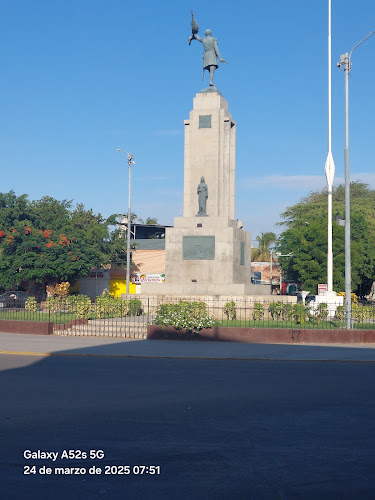
Óvalo Bolognesi

Minicoliseo San Ramon
Find Accommodations Nearby
Recommended Tours & Activities
Visitor Reviews
There are no reviews yet. Be the first one to write one.
Share Your Experience
Have you visited Casa Museo Gran Almirante Grau? Help other travelers by leaving a review.