
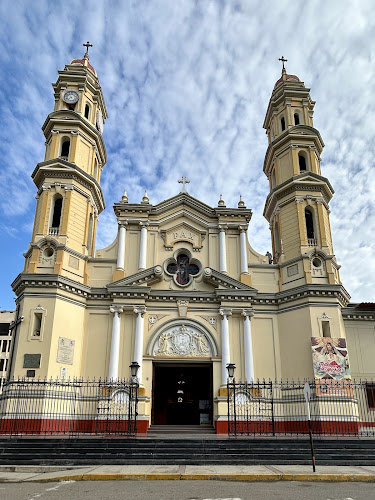
St. Michael the Archangel Cathedral, Piura
About St. Michael the Archangel Cathedral, Piura
Description
The St. Michael the Archangel Cathedral stands as one of Peru's most remarkable colonial-era religious structures, commanding attention right in the heart of Piura's main plaza. This isn't just another church you'll pass by on your travels through northern Peru—it's a genuine architectural treasure that's been watching over the city since the 16th century, though you'd be forgiven for thinking parts of it look much newer because of extensive renovations over the centuries. Walking up to this cathedral for the first time, travelers often find themselves stopping mid-stride to take in the facade. The building showcases that distinctive Peruvian baroque style that somehow manages to feel both grandiose and welcoming at the same time. And here's the thing—Piura doesn't get nearly the tourist traffic that Cusco or Lima receives, which means you'll actually get to experience this cathedral without fighting through crowds of tour groups. That alone makes it worth the visit. The cathedral has witnessed pretty much everything Piura has gone through—earthquakes, floods, political upheavals, and the everyday life of a city that's been here since 1588. The current structure, which is what you'll see today, incorporates elements from various reconstruction periods. Some parts date back several centuries while others are more recent additions following earthquake damage. It's this layered history that gives the building such character. Inside, the atmosphere shifts completely. The exterior might prepare you for something impressive, but stepping through those doors transports you into a space where light filters through in the most unexpected ways, illuminating gilded altars and religious artwork that's been collecting here for generations. The interior isn't overly ornate in that overwhelming European cathedral way—instead, it strikes this balance between reverence and restraint that feels distinctly Peruvian.Key Features
Travelers planning their visit to the St. Michael the Archangel Cathedral should keep an eye out for several distinctive elements that make this structure stand out from other colonial churches in Peru: • The main altar features stunning gold leaf work that catches the light differently throughout the day, creating an almost theatrical effect during late afternoon hours when sunlight streams through the windows • Multiple side chapels dedicated to various saints provide quieter spaces for reflection and contain some of the cathedral's oldest religious artwork and statuary • The bell tower, visible from various points around Piura's city center, serves as a landmark that helps orient travelers exploring the downtown area • Wheelchair accessible entrance ensures that visitors with mobility considerations can experience the cathedral without barriers • Restroom facilities available on-site, which honestly isn't always a given in historic religious buildings and makes planning your visit much easier • The architectural blend of different periods creates an almost timeline effect where you can spot baroque, neoclassical, and more modern renovation elements all coexisting • Original colonial-era paintings and sculptures scattered throughout the interior, some of which were created by indigenous artisans using European techniques mixed with local artistic traditions • The floor plan follows the traditional Latin cross design, but with proportions that feel more intimate than many European cathedrals of similar historical importance • Confessionals crafted from dark wood showcase the detailed carpentry skills that were present in colonial Peru • The cathedral's position on the Plaza de Armas means it's constantly part of daily Piuran life—not just a tourist site but an active place of worshipBest Time to Visit
Timing your visit to the St. Michael the Archangel Cathedral requires thinking about both the weather in Piura and the rhythm of religious services. The cathedral welcomes visitors year-round, but your experience will definitely vary depending on when you show up. Piura's climate is hot and dry most of the year, which means you won't be dealing with the rain delays that plague other parts of Peru. The cooler months from May through October offer the most comfortable temperatures for walking around the plaza and exploring the cathedral interior. But honestly? Even during the hotter months from December to March, the thick colonial walls keep the cathedral interior surprisingly cool. For the best lighting inside the cathedral, late morning between 10 AM and noon works beautifully. The sun hits the stained glass and gilded surfaces in ways that photographers absolutely love. I'd suggest avoiding the midday hours from about 1 PM to 3 PM when services might be happening and when the plaza outside becomes almost uncomfortably hot. Early evening, around 5 PM to 6 PM, offers another sweet spot. The crowds thin out, locals start gathering in the plaza for their evening strolls, and the whole atmosphere becomes more relaxed. You'll see actual Piurans coming in for prayer rather than just tourists snapping photos. Sunday mornings are beautiful if you want to experience the cathedral during Mass, but come prepared for it to be quite full. The Sunday service isn't really the time for tourist wandering and photography—that's when the cathedral serves its primary function as a place of worship. If you want to observe a service respectfully from the back, that's generally acceptable, but save the detailed exploration for weekday visits. Religious holidays, particularly during Holy Week and the feast of St. Michael (September 29th), transform the cathedral into the center of city-wide celebrations. These times offer incredible cultural experiences but expect crowds and limited access to certain areas.How to Get There
Getting to the St. Michael the Archangel Cathedral is refreshingly straightforward since it occupies such a central location in Piura. The cathedral sits right on the Plaza de Armas, which is essentially the heart of the city—everything radiates out from this main square. If you're flying into Piura's Captain FAP Guillermo Concha Iberico International Airport, you'll land about 2 kilometers from the city center. Taxis from the airport to the cathedral area take roughly 10-15 minutes depending on traffic, and the fare shouldn't cost more than 10-15 soles if you negotiate beforehand. Always settle on a price before getting in—trust me on this one. For travelers arriving by bus from other Peruvian cities, most bus terminals in Piura are located on the outskirts. From the main terminal on Avenida Sánchez Cerro, you can grab a taxi directly to the Plaza de Armas. The ride takes about 10 minutes. Alternatively, local combis (shared minivans) run frequently toward the center, though navigating the combi system requires either some Spanish skills or a good sense of adventure. Once you're anywhere in downtown Piura, the cathedral becomes an obvious landmark. Its bell tower is visible from blocks away, and locals can point you in the right direction if you get turned around. The streets around the Plaza de Armas are mostly pedestrian-friendly, though watch out for the occasional motorcycle weaving through. Walking is absolutely the best way to approach the cathedral if you're staying anywhere in the central district. The plaza itself is designed for strolling, with benches and shaded areas. You'll pass shops, cafes, and other colonial-era buildings that give context to the cathedral's architectural style. Parking near the cathedral can be tricky if you've rented a car. The immediate area around the Plaza de Armas has restrictions, but there are parking areas a few blocks away. Honestly though, driving in downtown Piura isn't something I'd recommend unless you're really comfortable with aggressive Peruvian traffic patterns.Tips for Visiting
Making the most of your visit to the St. Michael the Archangel Cathedral involves some practical considerations that guidebooks don't always mention. First off, dress code matters here. This is an active place of worship, not just a museum, so shoulders and knees should be covered. I've seen tourists turned away at the entrance for wearing tank tops or very short shorts. Bring a light shawl or scarf if you're planning to wear something sleeveless—the local climate tempts people into minimal clothing, but respect for the space should take priority. Photography is generally allowed, but flash photography during services is a no-go, and it's just polite to be discreet. Some of the side chapels might have signs requesting no photos. When locals are praying, give them space and avoid walking directly in front of them or between them and the altar. The cathedral doesn't charge an entrance fee, which sometimes surprises travelers used to European churches with ticket booths. However, donations are appreciated and help maintain this historic building. There's usually a donation box near the entrance. Even a few soles contribute to ongoing preservation work. Bring some cash in small bills. You won't need it for entry, but if you want to light a candle or purchase any small religious items from vendors near the cathedral, cards won't work. Speaking of vendors, the plaza around the cathedral attracts people selling everything from snacks to souvenirs. They're generally not aggressive, but a polite "no, gracias" works fine if you're not interested. Timing your visit to avoid service times gives you more freedom to explore. Check the posted schedule at the entrance, or ask at your hotel about current Mass times. Weekday mornings outside of service hours are typically quietest. The wheelchair accessible entrance is located on the side rather than through the main doors, so visitors with mobility devices should look for signage directing them to the appropriate entry point. Staff members are usually around to help if needed. Combine your cathedral visit with exploring the rest of the Plaza de Armas. The square itself deserves time—there are cafes where you can sit with a coffee and watch daily life unfold, other historic buildings worth examining, and usually some kind of activity happening, especially on weekends. Hydration is crucial in Piura's climate. Before you spend time inside the cathedral and wandering the plaza, grab a bottle of water. The cathedral itself stays cooler than outside, but you'll be doing walking before and after. For those really interested in the history and architectural details, hiring a local guide can enhance the experience significantly. They'll point out features you'd otherwise miss and share stories that bring the space to life. You can usually find guides near the plaza, though arranging one through your hotel might be more reliable. Finally, visit more than once if your schedule allows it. The cathedral reveals different aspects depending on the time of day, the season, and what's happening in the city. Morning light creates one mood, evening another. Experiencing it during both quiet reflection time and during a full Mass gives you completely different perspectives on what this building means to Piura.Key Features
- Historic foundation dating to 1588 with layered colonial and neo-Renaissance elements
- Prominent location on Piura’s central plaza (Plaza de Armas), easy to combine with other sights
- Well-preserved wooden altars, religious artworks, and vaulted interior architecture
- Active parish with regular services—opportunity to experience local religious culture
- Photogenic façade and charming surrounding colonial streets for walking and photography
More Details
Updated January 18, 2026
Table of Contents
- Description
- Key Features
- Best Time to Visit
- How to Get There
- Tips for Visiting
- Key Highlights
- Location
- Places to Stay Near St. Michael the Archangel Cathedral, Piura
- Find and Book a Tour
- Explore More Travel Guides
- Nearby Places You Might Like
- Traveler Reviews for St. Michael the Archangel Cathedral, Piura
- Share Your Experience
Description
The St. Michael the Archangel Cathedral stands as one of Peru’s most remarkable colonial-era religious structures, commanding attention right in the heart of Piura’s main plaza. This isn’t just another church you’ll pass by on your travels through northern Peru—it’s a genuine architectural treasure that’s been watching over the city since the 16th century, though you’d be forgiven for thinking parts of it look much newer because of extensive renovations over the centuries.
Walking up to this cathedral for the first time, travelers often find themselves stopping mid-stride to take in the facade. The building showcases that distinctive Peruvian baroque style that somehow manages to feel both grandiose and welcoming at the same time. And here’s the thing—Piura doesn’t get nearly the tourist traffic that Cusco or Lima receives, which means you’ll actually get to experience this cathedral without fighting through crowds of tour groups. That alone makes it worth the visit.
The cathedral has witnessed pretty much everything Piura has gone through—earthquakes, floods, political upheavals, and the everyday life of a city that’s been here since 1588. The current structure, which is what you’ll see today, incorporates elements from various reconstruction periods. Some parts date back several centuries while others are more recent additions following earthquake damage. It’s this layered history that gives the building such character.
Inside, the atmosphere shifts completely. The exterior might prepare you for something impressive, but stepping through those doors transports you into a space where light filters through in the most unexpected ways, illuminating gilded altars and religious artwork that’s been collecting here for generations. The interior isn’t overly ornate in that overwhelming European cathedral way—instead, it strikes this balance between reverence and restraint that feels distinctly Peruvian.
Key Features
Travelers planning their visit to the St. Michael the Archangel Cathedral should keep an eye out for several distinctive elements that make this structure stand out from other colonial churches in Peru:
• The main altar features stunning gold leaf work that catches the light differently throughout the day, creating an almost theatrical effect during late afternoon hours when sunlight streams through the windows
• Multiple side chapels dedicated to various saints provide quieter spaces for reflection and contain some of the cathedral’s oldest religious artwork and statuary
• The bell tower, visible from various points around Piura’s city center, serves as a landmark that helps orient travelers exploring the downtown area
• Wheelchair accessible entrance ensures that visitors with mobility considerations can experience the cathedral without barriers
• Restroom facilities available on-site, which honestly isn’t always a given in historic religious buildings and makes planning your visit much easier
• The architectural blend of different periods creates an almost timeline effect where you can spot baroque, neoclassical, and more modern renovation elements all coexisting
• Original colonial-era paintings and sculptures scattered throughout the interior, some of which were created by indigenous artisans using European techniques mixed with local artistic traditions
• The floor plan follows the traditional Latin cross design, but with proportions that feel more intimate than many European cathedrals of similar historical importance
• Confessionals crafted from dark wood showcase the detailed carpentry skills that were present in colonial Peru
• The cathedral’s position on the Plaza de Armas means it’s constantly part of daily Piuran life—not just a tourist site but an active place of worship
Best Time to Visit
Timing your visit to the St. Michael the Archangel Cathedral requires thinking about both the weather in Piura and the rhythm of religious services. The cathedral welcomes visitors year-round, but your experience will definitely vary depending on when you show up.
Piura’s climate is hot and dry most of the year, which means you won’t be dealing with the rain delays that plague other parts of Peru. The cooler months from May through October offer the most comfortable temperatures for walking around the plaza and exploring the cathedral interior. But honestly? Even during the hotter months from December to March, the thick colonial walls keep the cathedral interior surprisingly cool.
For the best lighting inside the cathedral, late morning between 10 AM and noon works beautifully. The sun hits the stained glass and gilded surfaces in ways that photographers absolutely love. I’d suggest avoiding the midday hours from about 1 PM to 3 PM when services might be happening and when the plaza outside becomes almost uncomfortably hot.
Early evening, around 5 PM to 6 PM, offers another sweet spot. The crowds thin out, locals start gathering in the plaza for their evening strolls, and the whole atmosphere becomes more relaxed. You’ll see actual Piurans coming in for prayer rather than just tourists snapping photos.
Sunday mornings are beautiful if you want to experience the cathedral during Mass, but come prepared for it to be quite full. The Sunday service isn’t really the time for tourist wandering and photography—that’s when the cathedral serves its primary function as a place of worship. If you want to observe a service respectfully from the back, that’s generally acceptable, but save the detailed exploration for weekday visits.
Religious holidays, particularly during Holy Week and the feast of St. Michael (September 29th), transform the cathedral into the center of city-wide celebrations. These times offer incredible cultural experiences but expect crowds and limited access to certain areas.
How to Get There
Getting to the St. Michael the Archangel Cathedral is refreshingly straightforward since it occupies such a central location in Piura. The cathedral sits right on the Plaza de Armas, which is essentially the heart of the city—everything radiates out from this main square.
If you’re flying into Piura’s Captain FAP Guillermo Concha Iberico International Airport, you’ll land about 2 kilometers from the city center. Taxis from the airport to the cathedral area take roughly 10-15 minutes depending on traffic, and the fare shouldn’t cost more than 10-15 soles if you negotiate beforehand. Always settle on a price before getting in—trust me on this one.
For travelers arriving by bus from other Peruvian cities, most bus terminals in Piura are located on the outskirts. From the main terminal on Avenida Sánchez Cerro, you can grab a taxi directly to the Plaza de Armas. The ride takes about 10 minutes. Alternatively, local combis (shared minivans) run frequently toward the center, though navigating the combi system requires either some Spanish skills or a good sense of adventure.
Once you’re anywhere in downtown Piura, the cathedral becomes an obvious landmark. Its bell tower is visible from blocks away, and locals can point you in the right direction if you get turned around. The streets around the Plaza de Armas are mostly pedestrian-friendly, though watch out for the occasional motorcycle weaving through.
Walking is absolutely the best way to approach the cathedral if you’re staying anywhere in the central district. The plaza itself is designed for strolling, with benches and shaded areas. You’ll pass shops, cafes, and other colonial-era buildings that give context to the cathedral’s architectural style.
Parking near the cathedral can be tricky if you’ve rented a car. The immediate area around the Plaza de Armas has restrictions, but there are parking areas a few blocks away. Honestly though, driving in downtown Piura isn’t something I’d recommend unless you’re really comfortable with aggressive Peruvian traffic patterns.
Tips for Visiting
Making the most of your visit to the St. Michael the Archangel Cathedral involves some practical considerations that guidebooks don’t always mention. First off, dress code matters here. This is an active place of worship, not just a museum, so shoulders and knees should be covered. I’ve seen tourists turned away at the entrance for wearing tank tops or very short shorts. Bring a light shawl or scarf if you’re planning to wear something sleeveless—the local climate tempts people into minimal clothing, but respect for the space should take priority.
Photography is generally allowed, but flash photography during services is a no-go, and it’s just polite to be discreet. Some of the side chapels might have signs requesting no photos. When locals are praying, give them space and avoid walking directly in front of them or between them and the altar.
The cathedral doesn’t charge an entrance fee, which sometimes surprises travelers used to European churches with ticket booths. However, donations are appreciated and help maintain this historic building. There’s usually a donation box near the entrance. Even a few soles contribute to ongoing preservation work.
Bring some cash in small bills. You won’t need it for entry, but if you want to light a candle or purchase any small religious items from vendors near the cathedral, cards won’t work. Speaking of vendors, the plaza around the cathedral attracts people selling everything from snacks to souvenirs. They’re generally not aggressive, but a polite “no, gracias” works fine if you’re not interested.
Timing your visit to avoid service times gives you more freedom to explore. Check the posted schedule at the entrance, or ask at your hotel about current Mass times. Weekday mornings outside of service hours are typically quietest.
The wheelchair accessible entrance is located on the side rather than through the main doors, so visitors with mobility devices should look for signage directing them to the appropriate entry point. Staff members are usually around to help if needed.
Combine your cathedral visit with exploring the rest of the Plaza de Armas. The square itself deserves time—there are cafes where you can sit with a coffee and watch daily life unfold, other historic buildings worth examining, and usually some kind of activity happening, especially on weekends.
Hydration is crucial in Piura’s climate. Before you spend time inside the cathedral and wandering the plaza, grab a bottle of water. The cathedral itself stays cooler than outside, but you’ll be doing walking before and after.
For those really interested in the history and architectural details, hiring a local guide can enhance the experience significantly. They’ll point out features you’d otherwise miss and share stories that bring the space to life. You can usually find guides near the plaza, though arranging one through your hotel might be more reliable.
Finally, visit more than once if your schedule allows it. The cathedral reveals different aspects depending on the time of day, the season, and what’s happening in the city. Morning light creates one mood, evening another. Experiencing it during both quiet reflection time and during a full Mass gives you completely different perspectives on what this building means to Piura.
Key Highlights
- Historic foundation dating to 1588 with layered colonial and neo-Renaissance elements
- Prominent location on Piura’s central plaza (Plaza de Armas), easy to combine with other sights
- Well-preserved wooden altars, religious artworks, and vaulted interior architecture
- Active parish with regular services—opportunity to experience local religious culture
- Photogenic façade and charming surrounding colonial streets for walking and photography
Location
Places to Stay Near St. Michael the Archangel Cathedral, Piura
Find and Book a Tour
Explore More Travel Guides
No reviews found! Be the first to review!
Traveler Reviews for St. Michael the Archangel Cathedral, Piura
There are no reviews yet. Be the first one to write one.
Have you visited St. Michael the Archangel Cathedral, Piura? Help other travelers by sharing your review.
Nearby Attractions
You Might Also Like
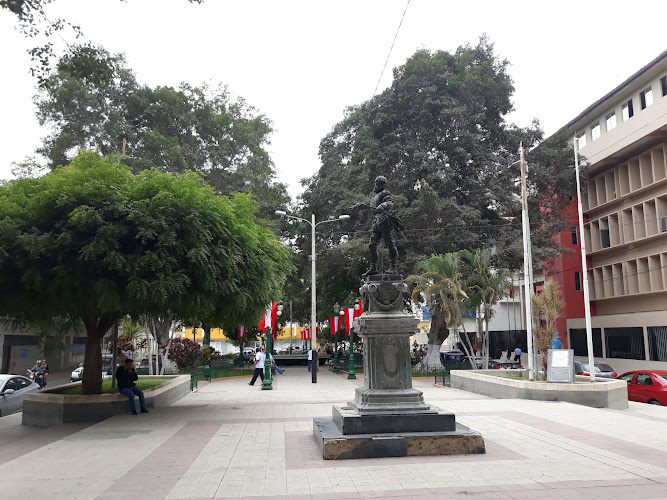
Plaza Tres Culturas

Mural piurano
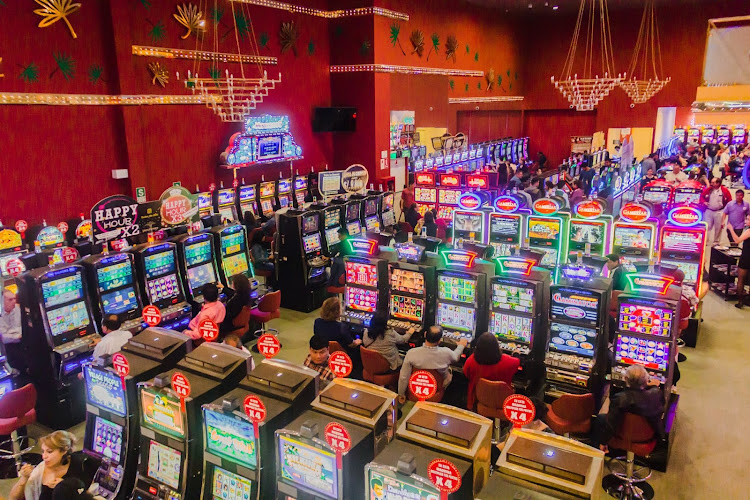
Salon Palmeras Casino Slot
Find Accommodations Nearby
Recommended Tours & Activities
Visitor Reviews
There are no reviews yet. Be the first one to write one.
Share Your Experience
Have you visited St. Michael the Archangel Cathedral, Piura? Help other travelers by leaving a review.