
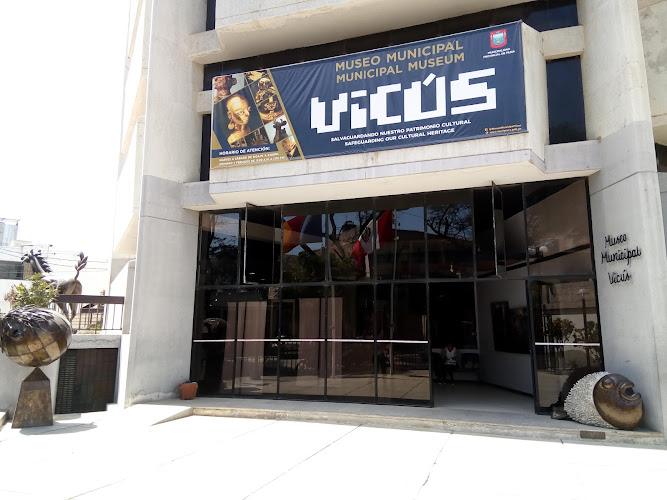
Municipal Museum Vicús
About Municipal Museum Vicús
Description
The Municipal Museum Vicús stands as one of Peru's most fascinating archaeological repositories, housing an extraordinary collection that tells the story of the ancient Vicús culture that flourished in northern Peru between 500 BCE and 500 CE. This museum offers travelers a rare glimpse into a pre-Columbian civilization that's often overshadowed by the more famous Incas but whose artistic achievements and daily life practices were equally remarkable. When you step inside this museum, you're essentially walking through centuries of human history that's been carefully preserved and thoughtfully displayed. The Vicús people were masterful ceramicists and metalworkers, and the museum's collection reflects this expertise through hundreds of pottery pieces, jewelry items, and ceremonial objects. What makes this place particularly special is how it manages to present archaeological findings in a way that feels accessible rather than overwhelming—you don't need to be an archaeology buff to appreciate what you're seeing here. The building itself might not win any architectural awards, but that's actually part of its charm. It's straightforward and functional, which means the focus stays exactly where it should be: on the artifacts themselves. And honestly, after visiting dozens of museums across South America, there's something refreshing about a space that doesn't try to compete with its own exhibits. Most visitors spend between one to two hours exploring the collection, though history enthusiasts could easily lose track of time among the displays. The museum does an admirable job of contextualizing the Vicús culture within the broader tapestry of pre-Columbian Peru, helping visitors understand how this civilization traded, fought, and coexisted with neighboring cultures.Key Features
The Municipal Museum Vicús presents several remarkable elements that make it worth including in any northern Peru itinerary:- An extensive pottery collection showcasing the distinctive Vicús style, characterized by unique negative painting techniques and sculptural vessels that depict everyday life, animals, and mythological beings
- Metalwork displays featuring gold, silver, and copper ornaments that demonstrate the sophisticated metallurgical knowledge possessed by ancient artisans
- Complete wheelchair accessibility throughout the facility, including entrance, parking areas, and restroom facilities—making it one of the more inclusive museums in the region
- Burial offerings and funerary objects that provide insight into Vicús beliefs about death and the afterlife
- Educational displays explaining the archaeological excavations that uncovered these treasures and the challenges of preserving them
- Clean, well-maintained restroom facilities available for visitors throughout their stay
- A kid-friendly environment where families can explore together without worrying about overly restrictive rules or fragile displays behind poor barriers
- Informative placards and descriptions that explain the cultural significance of displayed items, though English translations can be limited
- Rotating exhibitions that bring fresh perspectives even for repeat visitors
- Affordable admission prices that make cultural education accessible to both international travelers and local families
Best Time to Visit
Planning your visit to the Municipal Museum Vicús requires consideration of both weather patterns and crowd levels. The museum operates year-round, but your experience can vary dramatically depending on when you choose to go. The dry season, running from May through October, represents the most popular time for travelers to explore northern Peru. During these months, you'll find comfortable temperatures and minimal rain, making it easier to combine your museum visit with other outdoor activities in the region. But here's the thing—this popularity means busier galleries, especially during July and August when South American school holidays bring domestic tourists in larger numbers. I've found that visiting during the shoulder months of April or November often strikes the perfect balance. The weather remains relatively pleasant, but the crowds thin out considerably. You'll have more space to contemplate the exhibits without feeling rushed or crowded by tour groups. Weekday mornings, particularly Tuesday through Thursday, tend to offer the quietest museum experience. Most tour buses arrive later in the day or on weekends, so early birds get rewarded with a more contemplative atmosphere. If you're someone who likes taking your time reading every placard and really absorbing the information, aim for a weekday morning visit. The wet season from December through March brings occasional heavy rains to the region, but don't automatically write off these months. The museum's indoor nature means weather doesn't significantly impact your visit, and you might appreciate having the galleries almost entirely to yourself. Just be prepared with appropriate rain gear for getting to and from the building. Avoid visiting on local holidays and festival days unless you specifically enjoy the energy of crowds. The museum becomes a popular destination for local families during these times, which creates a lively atmosphere but can make detailed viewing more challenging.How to Get There
Reaching the Municipal Museum Vicús requires some planning, but the journey itself becomes part of your northern Peru adventure. Most international travelers arrive first in Lima before making their way north to the Piura region where the museum is located. From Lima, you have two main options. Flying into Capitán FAP Guillermo Concha Iberico International Airport in Piura takes roughly ninety minutes and several airlines offer daily flights. Once you land, the museum sits within reasonable taxi or rideshare distance. Local taxis are readily available at the airport, though negotiating the fare beforehand prevents any uncomfortable conversations later. Expect to pay a fair price for the journey, and don't be afraid to ask your hotel to recommend reliable taxi services. The overland route appeals to travelers with more time and a sense of adventure. Buses run regularly from Lima to Piura, taking approximately fourteen to sixteen hours depending on the service class you choose. Several reputable bus companies offer comfortable overnight services with reclining seats, meals, and onboard entertainment. The coastal highway offers spectacular views, especially during daylight portions of the journey. Once you're in the general area, reaching the museum becomes straightforward. Local transportation options include taxis, mototaxis (three-wheeled motorcycle taxis that are ubiquitous in northern Peru), and rideshare apps that have expanded into the region. If you're staying at a hotel in the city center, you might consider walking if you're comfortable navigating urban environments and the weather cooperates. For travelers planning to explore multiple archaeological sites in the region, renting a car provides maximum flexibility. However, driving in Peru requires confidence and familiarity with local traffic customs, which can be... let's say, creative compared to North American or European standards. Tour operators in Piura and surrounding areas often include the museum as part of multi-site packages. This option works well for travelers who prefer having logistics handled by someone else and appreciate the context provided by knowledgeable guides.Tips for Visiting
Making the most of your Municipal Museum Vicús experience involves some practical preparation and realistic expectations. Here's what years of museum-hopping across Latin America have taught me about visiting places like this. Bring cash for admission since card payment systems aren't always reliable in smaller museums. ATMs are available in the surrounding area, but withdrawing money before arrival saves time and potential frustration. Photography policies vary, so ask at the entrance about current rules. Some exhibits allow photos without flash, while others prohibit photography entirely to protect delicate artifacts. Respecting these guidelines helps preserve the collection for future generations. The museum doesn't have a restaurant or cafe, so eat beforehand if you're prone to getting hangry. There are decent dining options in the surrounding neighborhood where you can grab a meal after your visit. And honestly, exploring local eateries often provides cultural insights that rival what you learn in museums. Consider hiring a guide, especially if your Spanish is limited. While the museum provides written information, a knowledgeable guide brings the Vicús culture to life through stories and context that static displays can't convey. Guides are usually available at the entrance, or you can arrange one through your hotel. Dress comfortably but respectfully. The museum maintains a casual atmosphere, but extremely revealing clothing might draw unwanted attention. Comfortable walking shoes matter more than fashion here—you'll be on your feet exploring different galleries. Plan to spend at least ninety minutes to two hours for a thorough visit. Rushing through diminishes the experience and defeats the purpose of traveling all this way to learn about an ancient culture. Download offline translation apps before visiting if you don't speak Spanish fluently. Many exhibit descriptions are primarily in Spanish, and having translation capability enhances your understanding significantly. The museum's accessibility features make it genuinely welcoming for visitors with mobility challenges, but confirming specific needs in advance never hurts. Staff members are generally helpful when approached with patience and courtesy. Leave large bags and backpacks at your hotel if possible. While the museum typically provides storage, traveling light makes moving through galleries easier and draws less attention from security staff. Bring a refillable water bottle since staying hydrated in Peru's climate is essential. The museum has restrooms where you can refill, though the water quality varies and many travelers prefer bottled water for drinking. Take advantage of the museum shop if it's open during your visit. Small purchases of books or replicas support the institution while providing meaningful souvenirs that actually teach you something, unlike the typical tourist trinkets sold elsewhere. Most importantly, approach your visit with genuine curiosity rather than treating it as just another checkbox on your itinerary. The Vicús culture offers insights into human creativity, spirituality, and community that resonate across millennia. Allow yourself to be surprised by what captures your attention—it might not be what you expected.Key Features
- Metalwork displays featuring gold, silver, and copper ornaments that demonstrate the sophisticated metallurgical knowledge possessed by ancient artisans
- Complete wheelchair accessibility throughout the facility, including entrance, parking areas, and restroom facilities—making it one of the more inclusive museums in the region
- Burial offerings and funerary objects that provide insight into Vicús beliefs about death and the afterlife
- Educational displays explaining the archaeological excavations that uncovered these treasures and the challenges of preserving them
- Clean, well-maintained restroom facilities available for visitors throughout their stay
- A kid-friendly environment where families can explore together without worrying about overly restrictive rules or fragile displays behind poor barriers
- Informative placards and descriptions that explain the cultural significance of displayed items, though English translations can be limited
More Details
Updated January 18, 2026
Table of Contents
Description
The Municipal Museum Vicús stands as one of Peru’s most fascinating archaeological repositories, housing an extraordinary collection that tells the story of the ancient Vicús culture that flourished in northern Peru between 500 BCE and 500 CE. This museum offers travelers a rare glimpse into a pre-Columbian civilization that’s often overshadowed by the more famous Incas but whose artistic achievements and daily life practices were equally remarkable.
When you step inside this museum, you’re essentially walking through centuries of human history that’s been carefully preserved and thoughtfully displayed. The Vicús people were masterful ceramicists and metalworkers, and the museum’s collection reflects this expertise through hundreds of pottery pieces, jewelry items, and ceremonial objects. What makes this place particularly special is how it manages to present archaeological findings in a way that feels accessible rather than overwhelming—you don’t need to be an archaeology buff to appreciate what you’re seeing here.
The building itself might not win any architectural awards, but that’s actually part of its charm. It’s straightforward and functional, which means the focus stays exactly where it should be: on the artifacts themselves. And honestly, after visiting dozens of museums across South America, there’s something refreshing about a space that doesn’t try to compete with its own exhibits.
Most visitors spend between one to two hours exploring the collection, though history enthusiasts could easily lose track of time among the displays. The museum does an admirable job of contextualizing the Vicús culture within the broader tapestry of pre-Columbian Peru, helping visitors understand how this civilization traded, fought, and coexisted with neighboring cultures.
Key Features
The Municipal Museum Vicús presents several remarkable elements that make it worth including in any northern Peru itinerary:
- An extensive pottery collection showcasing the distinctive Vicús style, characterized by unique negative painting techniques and sculptural vessels that depict everyday life, animals, and mythological beings
- Metalwork displays featuring gold, silver, and copper ornaments that demonstrate the sophisticated metallurgical knowledge possessed by ancient artisans
- Complete wheelchair accessibility throughout the facility, including entrance, parking areas, and restroom facilities—making it one of the more inclusive museums in the region
- Burial offerings and funerary objects that provide insight into Vicús beliefs about death and the afterlife
- Educational displays explaining the archaeological excavations that uncovered these treasures and the challenges of preserving them
- Clean, well-maintained restroom facilities available for visitors throughout their stay
- A kid-friendly environment where families can explore together without worrying about overly restrictive rules or fragile displays behind poor barriers
- Informative placards and descriptions that explain the cultural significance of displayed items, though English translations can be limited
- Rotating exhibitions that bring fresh perspectives even for repeat visitors
- Affordable admission prices that make cultural education accessible to both international travelers and local families
Best Time to Visit
Planning your visit to the Municipal Museum Vicús requires consideration of both weather patterns and crowd levels. The museum operates year-round, but your experience can vary dramatically depending on when you choose to go.
The dry season, running from May through October, represents the most popular time for travelers to explore northern Peru. During these months, you’ll find comfortable temperatures and minimal rain, making it easier to combine your museum visit with other outdoor activities in the region. But here’s the thing—this popularity means busier galleries, especially during July and August when South American school holidays bring domestic tourists in larger numbers.
I’ve found that visiting during the shoulder months of April or November often strikes the perfect balance. The weather remains relatively pleasant, but the crowds thin out considerably. You’ll have more space to contemplate the exhibits without feeling rushed or crowded by tour groups.
Weekday mornings, particularly Tuesday through Thursday, tend to offer the quietest museum experience. Most tour buses arrive later in the day or on weekends, so early birds get rewarded with a more contemplative atmosphere. If you’re someone who likes taking your time reading every placard and really absorbing the information, aim for a weekday morning visit.
The wet season from December through March brings occasional heavy rains to the region, but don’t automatically write off these months. The museum’s indoor nature means weather doesn’t significantly impact your visit, and you might appreciate having the galleries almost entirely to yourself. Just be prepared with appropriate rain gear for getting to and from the building.
Avoid visiting on local holidays and festival days unless you specifically enjoy the energy of crowds. The museum becomes a popular destination for local families during these times, which creates a lively atmosphere but can make detailed viewing more challenging.
How to Get There
Reaching the Municipal Museum Vicús requires some planning, but the journey itself becomes part of your northern Peru adventure. Most international travelers arrive first in Lima before making their way north to the Piura region where the museum is located.
From Lima, you have two main options. Flying into Capitán FAP Guillermo Concha Iberico International Airport in Piura takes roughly ninety minutes and several airlines offer daily flights. Once you land, the museum sits within reasonable taxi or rideshare distance. Local taxis are readily available at the airport, though negotiating the fare beforehand prevents any uncomfortable conversations later. Expect to pay a fair price for the journey, and don’t be afraid to ask your hotel to recommend reliable taxi services.
The overland route appeals to travelers with more time and a sense of adventure. Buses run regularly from Lima to Piura, taking approximately fourteen to sixteen hours depending on the service class you choose. Several reputable bus companies offer comfortable overnight services with reclining seats, meals, and onboard entertainment. The coastal highway offers spectacular views, especially during daylight portions of the journey.
Once you’re in the general area, reaching the museum becomes straightforward. Local transportation options include taxis, mototaxis (three-wheeled motorcycle taxis that are ubiquitous in northern Peru), and rideshare apps that have expanded into the region. If you’re staying at a hotel in the city center, you might consider walking if you’re comfortable navigating urban environments and the weather cooperates.
For travelers planning to explore multiple archaeological sites in the region, renting a car provides maximum flexibility. However, driving in Peru requires confidence and familiarity with local traffic customs, which can be… let’s say, creative compared to North American or European standards.
Tour operators in Piura and surrounding areas often include the museum as part of multi-site packages. This option works well for travelers who prefer having logistics handled by someone else and appreciate the context provided by knowledgeable guides.
Tips for Visiting
Making the most of your Municipal Museum Vicús experience involves some practical preparation and realistic expectations. Here’s what years of museum-hopping across Latin America have taught me about visiting places like this.
Bring cash for admission since card payment systems aren’t always reliable in smaller museums. ATMs are available in the surrounding area, but withdrawing money before arrival saves time and potential frustration.
Photography policies vary, so ask at the entrance about current rules. Some exhibits allow photos without flash, while others prohibit photography entirely to protect delicate artifacts. Respecting these guidelines helps preserve the collection for future generations.
The museum doesn’t have a restaurant or cafe, so eat beforehand if you’re prone to getting hangry. There are decent dining options in the surrounding neighborhood where you can grab a meal after your visit. And honestly, exploring local eateries often provides cultural insights that rival what you learn in museums.
Consider hiring a guide, especially if your Spanish is limited. While the museum provides written information, a knowledgeable guide brings the Vicús culture to life through stories and context that static displays can’t convey. Guides are usually available at the entrance, or you can arrange one through your hotel.
Dress comfortably but respectfully. The museum maintains a casual atmosphere, but extremely revealing clothing might draw unwanted attention. Comfortable walking shoes matter more than fashion here—you’ll be on your feet exploring different galleries.
Plan to spend at least ninety minutes to two hours for a thorough visit. Rushing through diminishes the experience and defeats the purpose of traveling all this way to learn about an ancient culture.
Download offline translation apps before visiting if you don’t speak Spanish fluently. Many exhibit descriptions are primarily in Spanish, and having translation capability enhances your understanding significantly.
The museum’s accessibility features make it genuinely welcoming for visitors with mobility challenges, but confirming specific needs in advance never hurts. Staff members are generally helpful when approached with patience and courtesy.
Leave large bags and backpacks at your hotel if possible. While the museum typically provides storage, traveling light makes moving through galleries easier and draws less attention from security staff.
Bring a refillable water bottle since staying hydrated in Peru’s climate is essential. The museum has restrooms where you can refill, though the water quality varies and many travelers prefer bottled water for drinking.
Take advantage of the museum shop if it’s open during your visit. Small purchases of books or replicas support the institution while providing meaningful souvenirs that actually teach you something, unlike the typical tourist trinkets sold elsewhere.
Most importantly, approach your visit with genuine curiosity rather than treating it as just another checkbox on your itinerary. The Vicús culture offers insights into human creativity, spirituality, and community that resonate across millennia. Allow yourself to be surprised by what captures your attention—it might not be what you expected.
Key Highlights
- Metalwork displays featuring gold, silver, and copper ornaments that demonstrate the sophisticated metallurgical knowledge possessed by ancient artisans
- Complete wheelchair accessibility throughout the facility, including entrance, parking areas, and restroom facilities—making it one of the more inclusive museums in the region
- Burial offerings and funerary objects that provide insight into Vicús beliefs about death and the afterlife
- Educational displays explaining the archaeological excavations that uncovered these treasures and the challenges of preserving them
- Clean, well-maintained restroom facilities available for visitors throughout their stay
- A kid-friendly environment where families can explore together without worrying about overly restrictive rules or fragile displays behind poor barriers
- Informative placards and descriptions that explain the cultural significance of displayed items, though English translations can be limited
Location
Places to Stay Near Municipal Museum Vicús
Find and Book a Tour
Explore More Travel Guides
No reviews found! Be the first to review!
Traveler Reviews for Municipal Museum Vicús
There are no reviews yet. Be the first one to write one.
Have you visited Municipal Museum Vicús? Help other travelers by sharing your review.
You Might Also Like

Parque principal El Bosque
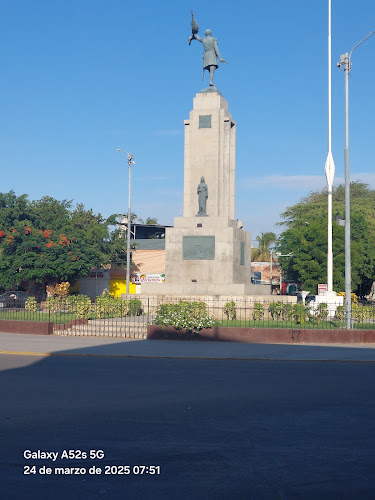
Óvalo Bolognesi
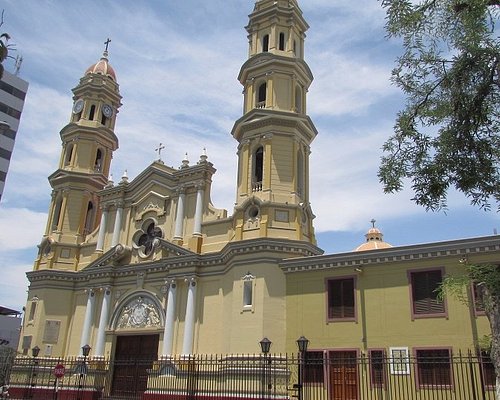
Piura
Find Accommodations Nearby
Recommended Tours & Activities
Visitor Reviews
There are no reviews yet. Be the first one to write one.
Share Your Experience
Have you visited Municipal Museum Vicús? Help other travelers by leaving a review.