
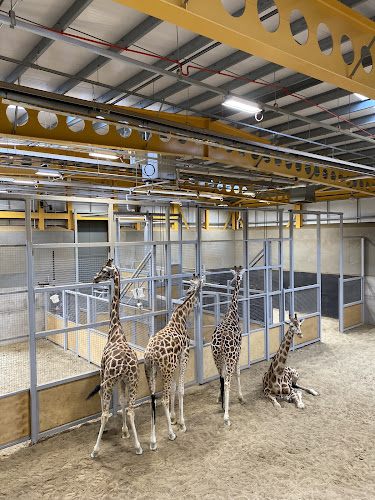
Edinburgh Zoo
About Edinburgh Zoo
Description
Edinburgh Zoo sits proudly on the slopes of Corstorphine Hill, and honestly, it's one of those places that surprised me more than I expected. When you think of Scottish attractions, your mind probably jumps to castles and whisky distilleries first. But this 82-acre parkland zoo has quietly become one of Scotland's most visited attractions, and there's good reason for that. The zoo operates as more than just a place to see animals behind glass – it's actually run by the Royal Zoological Society of Scotland, which means every admission ticket contributes directly to conservation work happening around the globe. What struck me most during visits here is how the terrain works with you rather than against you. The hilltop location means you're getting proper exercise while wandering between exhibits, and the views across Edinburgh from certain vantage points are genuinely spectacular. You're looking at over 1,000 rare and endangered animals from around the world, spread across naturalistic enclosures that feel worlds apart from the concrete-heavy zoos some of us remember from childhood. The zoo has this reputation for being home to the UK's only giant pandas, which did wonders for putting it on the international map. Though the pandas have since returned to China, the facility continues to house an incredible array of species you won't easily find elsewhere in Britain. We're talking about Sumatran tigers, koalas, pygmy hippos, and a penguin colony that's been here since 1913 – making it the first penguin enclosure of its kind anywhere in the world. What really sets this place apart is the emphasis on education and interaction. Throughout the day, keeper talks happen at various enclosures where staff share fascinating insights about animal behaviour, conservation challenges, and individual animal personalities. And these aren't just scripted presentations – the keepers genuinely know their charges, sharing stories that make you realize how complex and individual each creature truly is.Key Features
The range of experiences available makes planning your visit both exciting and slightly overwhelming in the best possible way: • The Budongo Trail offers an incredible walk-through experience where you can observe chimpanzees in one of the UK's most sophisticated primate enclosures, complete with viewing areas that put you eye-level with these remarkable animals • Penguins Rock features the famous Penguin Parade – a daily event where the colony of gentoo and rockhopper penguins waddle around the zoo grounds, giving visitors up-close views without barriers • Brilliant Birds is an interactive experience where rainbow lorikeets fly freely around you, and for a small fee you can feed them nectar while they perch on your arms • The Hilltop Safari is a free ride that takes you from the lower entrance up to the top of the zoo, saving your legs for the more enjoyable downhill journey through exhibits • Koala Territory brings a slice of Australia to Scotland, housing these notoriously sleepy marsupials in an indoor viewing area with excellent interpretation about their specialized diet and conservation status • WildGenes Lab showcases the genetic research happening behind the scenes, giving visitors insight into how modern zoos contribute to species preservation through science • Play parks scattered throughout the grounds mean families with young children can break up animal viewing with burn-off-energy time • Keeper for a Day experiences allow visitors to work alongside zoo staff, getting behind-the-scenes access to animal care routines and conservation work • The architecture itself deserves mention – some buildings date back to the zoo's 1913 opening and carry that wonderful early-20th-century institutional styleBest Time to Visit
Timing your visit can honestly make or break the experience. I've been during peak summer holidays when you're shoulder-to-shoulder with other visitors, and I've also wandered through on crisp autumn mornings when the place felt almost private. Spring months from April through May are genuinely brilliant. The weather's improving but school groups haven't yet descended in force, and many animals are more active as temperatures warm up. You'll see more natural behaviours, and the hillside gardens start showing off with blooming flowers. Plus, this is when many species have babies or youngsters, which adds an extra dimension of cuteness to your visit. Summer brings the longest opening hours and the most reliable weather, but also the biggest crowds. If you're visiting in July or August, get there right when gates open – seriously, be among the first through. Animals are more active in cooler morning temperatures anyway, and you'll have a solid two hours before the place gets properly busy. Wednesday and Thursday tend to be quieter than weekends or Mondays. Autumn from September through October might actually be my favourite time. The crowds thin considerably once schools are back in session, admission prices sometimes drop slightly, and the fall colours against the hillside create this gorgeous backdrop for photos. Animals are often quite energetic during this period too, fattening up and preparing for winter. Winter visits have their own charm, though I'll be honest – it gets properly cold up on that hill. The zoo stays open through winter with reduced hours, and while some animals are indoors or less visible, the indoor exhibits like the koala house and chimpanzee enclosure are perfectly comfortable. Plus, winter admission prices are lower, and you'll practically have the place to yourself on weekdays. Weather in Edinburgh changes faster than you can check the forecast, so any time of year means bringing layers and waterproofs. The exposed hillside location means wind can whip through even on otherwise pleasant days.How to Get There
Getting to Edinburgh Zoo is refreshingly straightforward, whether you're staying in the city centre or coming from further afield. The location sits about three miles west of Edinburgh's city centre, which puts it within easy reach by multiple transport options. The Lothian Buses routes are your most economical choice. Routes 12, 26, 31, and 38 all stop right outside the main entrance on Corstorphine Road. From Princes Street in the city centre, you're looking at roughly 25-30 minutes depending on traffic. The buses run frequently throughout the day, and you can pay contactless or with the Lothian Buses app. Honestly, this is how most locals would travel there. If you're driving, the zoo has onsite parking available in a dedicated lot. Be aware though – it's a paid car park and spaces fill up quickly during peak times, especially on weekends and school holidays. The cost isn't extortionate but factor it into your budget. The postcode for sat-nav purposes gets you right to the entrance without confusion. Taxis or ride-sharing services from central Edinburgh typically cost between £12-18 depending on your exact starting point and traffic conditions. It's a quick journey, usually under 20 minutes unless you hit rush hour. Cycling is absolutely doable if you're comfortable with some hills. There are bike racks available at the entrance. The route from town involves some climbing but nothing too extreme for moderately fit riders. Walking from the city centre is technically possible but it's a solid hour on foot and not particularly scenic for much of the route. Save your energy for walking around the zoo itself. If you're using Edinburgh's tram system, the nearest stop is actually Murrayfield, which still leaves you with about a 15-minute walk or a quick bus connection. The tram works well if you're coming from Edinburgh Airport though – you can tram to Murrayfield then catch a bus those final stops.Tips for Visiting
After several visits over the years, I've picked up some strategies that make the experience smoother and more enjoyable. First and foremost – book tickets online in advance. Not only does this usually save you a few pounds per person, but it guarantees entry during busy periods when they sometimes restrict numbers. Plus you skip the ticket queue entirely. Wear proper walking shoes. This isn't a suggestion, it's practically mandatory. You're covering serious ground over hilly terrain, and I've watched countless people struggle in inappropriate footwear. The pathways are generally well-maintained but there are slopes, steps, and uneven sections throughout. Download the zoo map on your phone or grab a paper copy at entrance. The layout can be confusing at first, and exhibits are spread across multiple levels. Plan your route based on scheduled keeper talks and feeding times, which are posted at the entrance and on their daily schedule. Missing the penguin parade because you were on the wrong side of the zoo is genuinely disappointing. Pack snacks and drinks, especially if you're visiting with children. Yes, there are cafes and kiosks throughout, but queues can be long and prices reflect captive-audience economics. There are plenty of benches and picnic spots where you can take breaks. The hilltop safari ride is brilliant for getting to the top, but don't feel obligated to use it. If you're reasonably mobile, walking up allows you to see exhibits along the way and you can always catch the safari back down if your legs are protesting. Bring weatherproof layers regardless of what the forecast says. That hillside exposure means conditions change rapidly, and there's limited indoor shelter between exhibits. I've started sunny morning visits that turned wet and cold by afternoon more times than I can count. For photographers, morning light is gorgeous and animals are more active. The penguin enclosure photographs particularly well in softer light. But also, put the camera down sometimes and just watch – you'll notice behaviours and details you'd miss while trying to frame the perfect shot. If you're visiting with young kids, pace yourself. There's a tendency to rush through trying to see everything, but children need breaks. The play parks are strategically positioned – use them. A 20-minute play session often resets energy levels better than pushing through to the next exhibit. The gift shop near the exit is substantial and well-stocked. If you're buying souvenirs, remember that purchases support conservation work. They have items at various price points, so you're not forced into expensive purchases to get something meaningful. Accessibility is genuinely good here. Wheelchairs and mobility scooters can access the vast majority of exhibits, though some areas are challenging due to the natural terrain. The hilltop safari accommodates wheelchairs, which solves the biggest access challenge. Finally, manage expectations around animal sightings. Some days animals are active and visible, other times they're sleeping or in areas you can't see. That's the nature of working with living creatures who aren't performing for visitors. The keepers can't make animals appear on demand, and honestly, that's exactly how it should be.Key Features
- Extensive 82-acre hillside setting with city views
- Penguin enclosure and daily penguin parade
- Diverse species including primates, big cats and tropical birds
- Conservation and education programmes run by the Royal Zoological Society of Scotland
- Accessible walking routes, visitor facilities and seasonal talks/feeding demonstrations
More Details
Updated March 30, 2026
Table of Contents
Description
Edinburgh Zoo sits proudly on the slopes of Corstorphine Hill, and honestly, it’s one of those places that surprised me more than I expected. When you think of Scottish attractions, your mind probably jumps to castles and whisky distilleries first. But this 82-acre parkland zoo has quietly become one of Scotland’s most visited attractions, and there’s good reason for that. The zoo operates as more than just a place to see animals behind glass – it’s actually run by the Royal Zoological Society of Scotland, which means every admission ticket contributes directly to conservation work happening around the globe.
What struck me most during visits here is how the terrain works with you rather than against you. The hilltop location means you’re getting proper exercise while wandering between exhibits, and the views across Edinburgh from certain vantage points are genuinely spectacular. You’re looking at over 1,000 rare and endangered animals from around the world, spread across naturalistic enclosures that feel worlds apart from the concrete-heavy zoos some of us remember from childhood.
The zoo has this reputation for being home to the UK’s only giant pandas, which did wonders for putting it on the international map. Though the pandas have since returned to China, the facility continues to house an incredible array of species you won’t easily find elsewhere in Britain. We’re talking about Sumatran tigers, koalas, pygmy hippos, and a penguin colony that’s been here since 1913 – making it the first penguin enclosure of its kind anywhere in the world.
What really sets this place apart is the emphasis on education and interaction. Throughout the day, keeper talks happen at various enclosures where staff share fascinating insights about animal behaviour, conservation challenges, and individual animal personalities. And these aren’t just scripted presentations – the keepers genuinely know their charges, sharing stories that make you realize how complex and individual each creature truly is.
Key Features
The range of experiences available makes planning your visit both exciting and slightly overwhelming in the best possible way:
• The Budongo Trail offers an incredible walk-through experience where you can observe chimpanzees in one of the UK’s most sophisticated primate enclosures, complete with viewing areas that put you eye-level with these remarkable animals
• Penguins Rock features the famous Penguin Parade – a daily event where the colony of gentoo and rockhopper penguins waddle around the zoo grounds, giving visitors up-close views without barriers
• Brilliant Birds is an interactive experience where rainbow lorikeets fly freely around you, and for a small fee you can feed them nectar while they perch on your arms
• The Hilltop Safari is a free ride that takes you from the lower entrance up to the top of the zoo, saving your legs for the more enjoyable downhill journey through exhibits
• Koala Territory brings a slice of Australia to Scotland, housing these notoriously sleepy marsupials in an indoor viewing area with excellent interpretation about their specialized diet and conservation status
• WildGenes Lab showcases the genetic research happening behind the scenes, giving visitors insight into how modern zoos contribute to species preservation through science
• Play parks scattered throughout the grounds mean families with young children can break up animal viewing with burn-off-energy time
• Keeper for a Day experiences allow visitors to work alongside zoo staff, getting behind-the-scenes access to animal care routines and conservation work
• The architecture itself deserves mention – some buildings date back to the zoo’s 1913 opening and carry that wonderful early-20th-century institutional style
Best Time to Visit
Timing your visit can honestly make or break the experience. I’ve been during peak summer holidays when you’re shoulder-to-shoulder with other visitors, and I’ve also wandered through on crisp autumn mornings when the place felt almost private.
Spring months from April through May are genuinely brilliant. The weather’s improving but school groups haven’t yet descended in force, and many animals are more active as temperatures warm up. You’ll see more natural behaviours, and the hillside gardens start showing off with blooming flowers. Plus, this is when many species have babies or youngsters, which adds an extra dimension of cuteness to your visit.
Summer brings the longest opening hours and the most reliable weather, but also the biggest crowds. If you’re visiting in July or August, get there right when gates open – seriously, be among the first through. Animals are more active in cooler morning temperatures anyway, and you’ll have a solid two hours before the place gets properly busy. Wednesday and Thursday tend to be quieter than weekends or Mondays.
Autumn from September through October might actually be my favourite time. The crowds thin considerably once schools are back in session, admission prices sometimes drop slightly, and the fall colours against the hillside create this gorgeous backdrop for photos. Animals are often quite energetic during this period too, fattening up and preparing for winter.
Winter visits have their own charm, though I’ll be honest – it gets properly cold up on that hill. The zoo stays open through winter with reduced hours, and while some animals are indoors or less visible, the indoor exhibits like the koala house and chimpanzee enclosure are perfectly comfortable. Plus, winter admission prices are lower, and you’ll practically have the place to yourself on weekdays.
Weather in Edinburgh changes faster than you can check the forecast, so any time of year means bringing layers and waterproofs. The exposed hillside location means wind can whip through even on otherwise pleasant days.
How to Get There
Getting to Edinburgh Zoo is refreshingly straightforward, whether you’re staying in the city centre or coming from further afield. The location sits about three miles west of Edinburgh’s city centre, which puts it within easy reach by multiple transport options.
The Lothian Buses routes are your most economical choice. Routes 12, 26, 31, and 38 all stop right outside the main entrance on Corstorphine Road. From Princes Street in the city centre, you’re looking at roughly 25-30 minutes depending on traffic. The buses run frequently throughout the day, and you can pay contactless or with the Lothian Buses app. Honestly, this is how most locals would travel there.
If you’re driving, the zoo has onsite parking available in a dedicated lot. Be aware though – it’s a paid car park and spaces fill up quickly during peak times, especially on weekends and school holidays. The cost isn’t extortionate but factor it into your budget. The postcode for sat-nav purposes gets you right to the entrance without confusion.
Taxis or ride-sharing services from central Edinburgh typically cost between £12-18 depending on your exact starting point and traffic conditions. It’s a quick journey, usually under 20 minutes unless you hit rush hour.
Cycling is absolutely doable if you’re comfortable with some hills. There are bike racks available at the entrance. The route from town involves some climbing but nothing too extreme for moderately fit riders.
Walking from the city centre is technically possible but it’s a solid hour on foot and not particularly scenic for much of the route. Save your energy for walking around the zoo itself.
If you’re using Edinburgh’s tram system, the nearest stop is actually Murrayfield, which still leaves you with about a 15-minute walk or a quick bus connection. The tram works well if you’re coming from Edinburgh Airport though – you can tram to Murrayfield then catch a bus those final stops.
Tips for Visiting
After several visits over the years, I’ve picked up some strategies that make the experience smoother and more enjoyable. First and foremost – book tickets online in advance. Not only does this usually save you a few pounds per person, but it guarantees entry during busy periods when they sometimes restrict numbers. Plus you skip the ticket queue entirely.
Wear proper walking shoes. This isn’t a suggestion, it’s practically mandatory. You’re covering serious ground over hilly terrain, and I’ve watched countless people struggle in inappropriate footwear. The pathways are generally well-maintained but there are slopes, steps, and uneven sections throughout.
Download the zoo map on your phone or grab a paper copy at entrance. The layout can be confusing at first, and exhibits are spread across multiple levels. Plan your route based on scheduled keeper talks and feeding times, which are posted at the entrance and on their daily schedule. Missing the penguin parade because you were on the wrong side of the zoo is genuinely disappointing.
Pack snacks and drinks, especially if you’re visiting with children. Yes, there are cafes and kiosks throughout, but queues can be long and prices reflect captive-audience economics. There are plenty of benches and picnic spots where you can take breaks.
The hilltop safari ride is brilliant for getting to the top, but don’t feel obligated to use it. If you’re reasonably mobile, walking up allows you to see exhibits along the way and you can always catch the safari back down if your legs are protesting.
Bring weatherproof layers regardless of what the forecast says. That hillside exposure means conditions change rapidly, and there’s limited indoor shelter between exhibits. I’ve started sunny morning visits that turned wet and cold by afternoon more times than I can count.
For photographers, morning light is gorgeous and animals are more active. The penguin enclosure photographs particularly well in softer light. But also, put the camera down sometimes and just watch – you’ll notice behaviours and details you’d miss while trying to frame the perfect shot.
If you’re visiting with young kids, pace yourself. There’s a tendency to rush through trying to see everything, but children need breaks. The play parks are strategically positioned – use them. A 20-minute play session often resets energy levels better than pushing through to the next exhibit.
The gift shop near the exit is substantial and well-stocked. If you’re buying souvenirs, remember that purchases support conservation work. They have items at various price points, so you’re not forced into expensive purchases to get something meaningful.
Accessibility is genuinely good here. Wheelchairs and mobility scooters can access the vast majority of exhibits, though some areas are challenging due to the natural terrain. The hilltop safari accommodates wheelchairs, which solves the biggest access challenge.
Finally, manage expectations around animal sightings. Some days animals are active and visible, other times they’re sleeping or in areas you can’t see. That’s the nature of working with living creatures who aren’t performing for visitors. The keepers can’t make animals appear on demand, and honestly, that’s exactly how it should be.
Key Highlights
- Extensive 82-acre hillside setting with city views
- Penguin enclosure and daily penguin parade
- Diverse species including primates, big cats and tropical birds
- Conservation and education programmes run by the Royal Zoological Society of Scotland
- Accessible walking routes, visitor facilities and seasonal talks/feeding demonstrations
Location
Places to Stay Near Edinburgh Zoo
Find and Book a Tour
Explore More Travel Guides
No reviews found! Be the first to review!
Edinburgh Zoo is a prominent attractions located in Edinburgh.
Visit us at: 134 Corstorphine Rd, Corstorphine, Edinburgh EH12 6TS, Inggris Raya.
Traveler Reviews for Edinburgh Zoo
There are no reviews yet. Be the first one to write one.
Have you visited Edinburgh Zoo? Help other travelers by sharing your review.
Nearby Attractions
You Might Also Like

The Real Mary King's Close
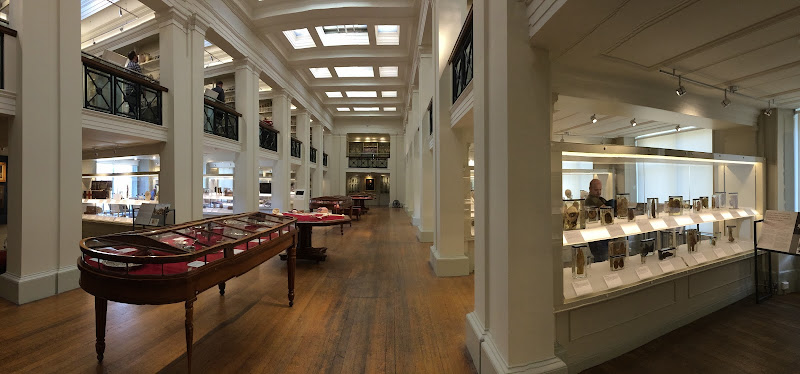
Surgeons' Hall Museums

Royal Mile
Find Accommodations Nearby
Recommended Tours & Activities
Visitor Reviews
There are no reviews yet. Be the first one to write one.
Share Your Experience
Have you visited Edinburgh Zoo? Help other travelers by leaving a review.