Art museum 4.7 Glasgow, United Kingdom of Great Britain and Northern IrelandCommunity Guide

The Burrell Collection

Pollok Country Park, 2060 Pollokshaws Rd, Bellahouston, Glasgow G43 1AT, United Kingdom

The Burrell Collection
5,739 Photos

About & Overview

The Burrell Collection is an art museum in Pollok Country Park, Glasgow, displaying art, antiquities, ceramics, tapestries, stained glass, paintings, and decorative objects from Sir William Burrell’s collection. It is best visited as a museum-and-park half-day outing on Glasgow’s south side.

Highlights & Key Features

  • Art and antiquities in Pollok Country Park
  • Medieval works, tapestries and stained-glass displays
  • Notable East Asian ceramics and decorative arts
  • Paintings alongside finely crafted everyday objects
  • Museum visit easily combined with park walking
  • Broad collection spanning centuries, cultures and materials

Visitor Guide & Information

The Burrell Collection is Glasgow’s broad, richly varied museum of art and objects, set within the green expanse of Pollok Country Park on the city’s south side. Built around the collection assembled by shipping magnate Sir William Burrell, it rewards curiosity rather than a rush toward a single headline masterpiece. The appeal lies in the conversation between periods and materials: medieval works can sit in the same visit as East Asian ceramics, European painting, carved sculpture, stained glass and finely made domestic objects. It is a museum for looking closely, then stepping back to see how taste, trade, craft and collecting connect across centuries.

The park setting gives the visit a different rhythm from a city-centre gallery. Arriving through Pollok Country Park, visitors can combine galleries with a walk among mature trees and open grounds, making the Burrell especially suited to an unhurried half-day. Inside, the collection’s range encourages visitors to follow personal interests, whether that means decorative arts, religious imagery, historical objects or painting. Rather than treating the museum as a checklist, allow room for detours: a mix, a small ceramic vessel or a fragment of stained glass may prove as memorable as the better-known categories. It is an excellent cultural stop for travellers who want both Glasgow’s museum strengths and a sense of its larger landscape.

Standout Highlights & Experience

The collection is notable for its breadth, but its strongest moments often come from comparing objects made for very different purposes. Look for evidence of skilled handwork, changing ideas of beauty and the routes by which art and materials travelled between cultures. The building and park surroundings also make pauses part of the experience rather than an interruption.

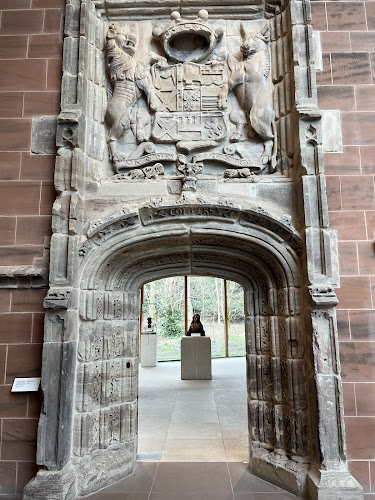
  • Medieval and European art: Seek out religious imagery, sculpture and decorative works that reveal the visual language of the Middle Ages and later Europe.
  • Tapestries and textiles: Take time with their storytelling, colour and dense detail; these works reward viewing from both a distance and close up.
  • Stained glass: Notice how light, line and coloured glass transform narrative scenes and ornamental designs.
  • East Asian ceramics: Compare glazes, forms and decoration across the ceramics displays, an especially strong thread within the collection.
  • Paintings and decorative objects: Move between framed art and functional objects to see how the museum treats craftsmanship as seriously as fine art.
  • Pollok Country Park: Build in time before or after the galleries for fresh air and a slower transition between the museum and the wider park.

Practical Visitor Strategy

FactorWhat to Know
Best Time to GoWeekday mornings generally offer the calmest gallery experience; choose daylight hours if you want to explore the park as well.
Suggested DurationAllow around two to three hours for a satisfying museum visit, or longer when pairing it with a park walk.
Crowd & Entry TipsGive yourself extra time during school holidays and weekends, and check current visitor arrangements before setting out.
Getting OrientedStart with the gallery themes that interest you most, then use the collection’s variety to shape a flexible route.

For a first visit, resist trying to absorb every room with equal intensity. Begin by getting a sense of the museum’s overall mix, then slow down in two or three areas that hold your attention. This approach works particularly well here because the collection spans so many centuries and disciplines. A short park walk between gallery viewing and the journey onward can reset the pace, while visitors on a tighter schedule can still have a rewarding experience by focusing on tapestries, ceramics, stained glass and a selection of paintings.

Honest Fit: Who Will Love It (and Trade-Offs)

The Burrell Collection is an excellent fit for art lovers, design-minded travellers, history enthusiasts and families or groups with mixed interests, since there is no need for everyone to engage with the same medium. It also suits visitors seeking a quieter cultural outing beyond central Glasgow. The trade-off is scale and variety: those wanting a rapid, single-theme museum may find the choice of objects overwhelming, while a visit involves navigating both a substantial museum and a park setting. Wear comfortable footwear for any outdoor exploration, and allow for changing Glasgow weather. Pair it with time in Pollok Country Park for the fullest experience, or make it a restorative contrast to Glasgow’s busier urban museums and shopping districts.

Community & Insider Notes

Last modified November 18, 2026

The Burrell Collection is Glasgow’s broad, richly varied museum of art and objects, set within the green expanse of Pollok Country Park on the city’s south side. Built around the collection assembled by shipping magnate Sir William Burrell, it rewards curiosity rather than a rush toward a single headline masterpiece. The appeal lies in the conversation between periods and materials: medieval works can sit in the same visit as East Asian ceramics, European painting, carved sculpture, stained glass and finely made domestic objects. It is a museum for looking closely, then stepping back to see how taste, trade, craft and collecting connect across centuries.

The park setting gives the visit a different rhythm from a city-centre gallery. Arriving through Pollok Country Park, visitors can combine galleries with a walk among mature trees and open grounds, making the Burrell especially suited to an unhurried half-day. Inside, the collection’s range encourages visitors to follow personal interests, whether that means decorative arts, religious imagery, historical objects or painting. Rather than treating the museum as a checklist, allow room for detours: a mix, a small ceramic vessel or a fragment of stained glass may prove as memorable as the better-known categories. It is an excellent cultural stop for travellers who want both Glasgow’s museum strengths and a sense of its larger landscape.

Standout Highlights & Experience

The collection is notable for its breadth, but its strongest moments often come from comparing objects made for very different purposes. Look for evidence of skilled handwork, changing ideas of beauty and the routes by which art and materials travelled between cultures. The building and park surroundings also make pauses part of the experience rather than an interruption.

  • Medieval and European art: Seek out religious imagery, sculpture and decorative works that reveal the visual language of the Middle Ages and later Europe.
  • Tapestries and textiles: Take time with their storytelling, colour and dense detail; these works reward viewing from both a distance and close up.
  • Stained glass: Notice how light, line and coloured glass transform narrative scenes and ornamental designs.
  • East Asian ceramics: Compare glazes, forms and decoration across the ceramics displays, an especially strong thread within the collection.
  • Paintings and decorative objects: Move between framed art and functional objects to see how the museum treats craftsmanship as seriously as fine art.
  • Pollok Country Park: Build in time before or after the galleries for fresh air and a slower transition between the museum and the wider park.

Practical Visitor Strategy

FactorWhat to Know
Best Time to GoWeekday mornings generally offer the calmest gallery experience; choose daylight hours if you want to explore the park as well.
Suggested DurationAllow around two to three hours for a satisfying museum visit, or longer when pairing it with a park walk.
Crowd & Entry TipsGive yourself extra time during school holidays and weekends, and check current visitor arrangements before setting out.
Getting OrientedStart with the gallery themes that interest you most, then use the collection’s variety to shape a flexible route.

For a first visit, resist trying to absorb every room with equal intensity. Begin by getting a sense of the museum’s overall mix, then slow down in two or three areas that hold your attention. This approach works particularly well here because the collection spans so many centuries and disciplines. A short park walk between gallery viewing and the journey onward can reset the pace, while visitors on a tighter schedule can still have a rewarding experience by focusing on tapestries, ceramics, stained glass and a selection of paintings.

Honest Fit: Who Will Love It (and Trade-Offs)

The Burrell Collection is an excellent fit for art lovers, design-minded travellers, history enthusiasts and families or groups with mixed interests, since there is no need for everyone to engage with the same medium. It also suits visitors seeking a quieter cultural outing beyond central Glasgow. The trade-off is scale and variety: those wanting a rapid, single-theme museum may find the choice of objects overwhelming, while a visit involves navigating both a substantial museum and a park setting. Wear comfortable footwear for any outdoor exploration, and allow for changing Glasgow weather. Pair it with time in Pollok Country Park for the fullest experience, or make it a restorative contrast to Glasgow’s busier urban museums and shopping districts.

Key Highlights

  • Art and antiquities in Pollok Country Park
  • Medieval works, tapestries and stained-glass displays
  • Notable East Asian ceramics and decorative arts
  • Paintings alongside finely crafted everyday objects
  • Museum visit easily combined with park walking
  • Broad collection spanning centuries, cultures and materials

Location

Places to Stay Near The Burrell Collection

Find and Book a Tour

Explore More Travel Guides

No reviews found! Be the first to review!

Select a Rating5 Stars4 Stars3 Stars2 Stars1 Star

The Burrell Collection is a prominent museums located in Glasgow.

Visit us at: Pollok Country Park, 2060 Pollokshaws Rd, Bellahouston, Glasgow G43 1AT, United Kingdom.

Find Places to Stay Nearby

Stay22 provides this accommodation search. We may earn a commission if you book through it; verify current prices and terms with the provider.

Recommended Experiences & Activities

GetYourGuide provides this tour inventory. We may earn a commission if you book through it; verify current availability, prices, and terms with the provider.

Top Viator Experiences & Guided Tours in Glasgow

We may earn a commission if you book through links on this page at no extra cost to you. All tours feature verified customer reviews and flexible cancellation options.

Traveler Reviews & Community Q&A

No traveler reviews yet. Share your experience below!

No traveler questions yet. Be the first to ask a local!

Real Journey Travels Community