

The Real Mary King’s Close
About The Real Mary King’s Close
Description
Stepping into The Real Mary King's Close feels like slipping through a crack in time itself. Buried beneath Edinburgh's famous Royal Mile, this warren of underground streets and buildings offers visitors a chance to walk through genuine 17th-century alleyways that have been hidden from view for centuries. Unlike many historical attractions that have been heavily reconstructed or modernized, these closes - the Scottish term for narrow lanes - remain remarkably intact, preserving a slice of Edinburgh life from hundreds of years ago. The experience here is something genuinely different from your typical museum visit. Costumed guides lead groups through the dimly lit passageways, sharing stories of the real people who once lived, worked, and died in these cramped spaces. You'll hear tales of plague outbreaks, everyday hardships, and the eventual sealing of the streets when the Royal Exchange was built above them in 1753. The guides don't just recite facts - they bring the place alive with theatrical storytelling that makes you feel like you're eavesdropping on conversations from centuries past. What makes this attraction particularly fascinating is its authenticity. These aren't recreations or movie sets. You're walking on the same cobblestones that Edinburgh residents trod hundreds of years ago, ducking through doorways that once led to family homes and merchant shops. The close was essentially frozen in time when new buildings were constructed over it, creating an accidental time capsule that archaeologists and historians still study today. The stories told here aren't always cheerful - you'll learn about the harsh realities of 17th-century urban life, including poverty, disease, and the devastating plague epidemics that swept through Edinburgh. But there's also humor and humanity woven throughout the tours. Your guide might share anecdotes about neighborhood gossip, trade disputes, or the daily routines of ordinary families trying to make their way in the world.Key Features
Visitors to The Real Mary King's Close can expect to encounter several remarkable elements that make this underground attraction worth exploring: • Authentic 17th-century streets and buildings preserved beneath modern Edinburgh, offering a genuine glimpse into historical urban life • Guided tours led by costumed interpreters who combine historical facts with engaging theatrical storytelling to bring the past to life • Original rooms and spaces where real families once lived, including bedchambers, workshops, and communal areas • Stories about Mary King herself and the myths that have grown around this mysterious historical figure and her famous close • Evidence of the 1645 plague outbreak and its devastating impact on the residents of these narrow streets • Atmospheric lighting and careful preservation that maintains the eerie, haunting quality of these underground spaces • Interactive elements and period details that help visitors understand daily life in 17th-century Edinburgh • The unique architectural phenomenon of how these streets became buried beneath newer construction • Tales of supposed hauntings and paranormal activity that have made this one of Edinburgh's most mysterious locations • Access to spaces that remained sealed and forgotten for over 250 years before being opened to the publicBest Time to Visit
Timing your visit to The Real Mary King's Close requires a bit of strategic thinking if you want to avoid the crowds and get the most out of your experience. Edinburgh's peak tourist season runs from June through August, and honestly, this attraction gets absolutely packed during those months. I've heard from travelers who waited over an hour just to join their pre-booked tour because of the sheer volume of visitors queuing up. If you can manage it, aim for the shoulder seasons - April to May or September to October. The weather in Edinburgh during these months can be unpredictable (let's be real, when isn't it?), but you'll encounter fewer tourists and have a more intimate experience in those narrow underground passages. There's something particularly atmospheric about visiting in October when Edinburgh's spooky reputation is in full swing, and the close definitely plays into that ghostly vibe. Winter visits from November through March offer the smallest crowds, though you'll need to contend with shorter daylight hours and cold weather. But here's the thing - since you're going underground anyway, the outside weather matters less than you'd think. The temperature in the close stays fairly constant year-round, hovering around 50 degrees Fahrenheit regardless of the season above ground. As for time of day, early morning tours tend to be less crowded than afternoon or evening slots. The first tours of the day also benefit from guides who are fresh and enthusiastic. Evening tours do have their own appeal though, especially if you're interested in the supernatural aspects of the close's history. Some visitors swear the atmosphere feels more intense after dark, even though you're already underground. Weekdays generally see fewer visitors than weekends, particularly Tuesday through Thursday. And here's a pro tip - avoid visiting during Edinburgh's major festivals, especially the Festival Fringe in August and Hogmanay around New Year's. The city becomes absolutely mobbed, and getting tickets for the close becomes significantly more challenging.How to Get There
The Real Mary King's Close sits right in the heart of Edinburgh's Old Town, making it remarkably accessible for most travelers. The entrance is located just off the Royal Mile, which runs through the city center connecting Edinburgh Castle with the Palace of Holyroodhouse. If you're staying anywhere in central Edinburgh, you can probably walk there in fifteen minutes or less. For those arriving by public transport, Edinburgh's bus network provides excellent coverage of the city center. Multiple bus routes stop along the Royal Mile or nearby streets. The closest major stop is on North Bridge, which is literally steps away from the close's entrance. Edinburgh's public buses are pretty straightforward to use - you can pay with contactless cards or the exact change, though be warned that drivers don't give change back. If you're coming from Edinburgh Waverley Station, the main railway hub, you're looking at roughly a ten-minute walk. Head up the stairs from the station, cross over North Bridge, and you'll find yourself on the Royal Mile. The close is right there near the City Chambers. It's an uphill walk, but then again, most walking in Edinburgh involves hills - that's just part of the city's charm. Taxis and ride-sharing services like Uber operate throughout Edinburgh and can drop you right near the entrance. However, during busy periods, the Royal Mile becomes pedestrian-heavy and traffic can crawl. You might actually get there faster on foot depending on where you're starting from. Now, here's something important - don't even think about driving there yourself. Parking in Edinburgh's Old Town is notoriously difficult and expensive. The narrow medieval streets weren't designed for modern vehicles, and many areas are restricted or pedestrianized. If you've rented a car, leave it at your hotel or use one of the park-and-ride facilities on the city's outskirts. For visitors with mobility concerns, getting to the entrance itself shouldn't pose problems as it's at street level. However, the underground tour itself involves stairs and uneven surfaces, which brings us to an important point about accessibility that I'll cover more in the tips section.Tips for Visiting
Before you go booking your tickets and heading underground, there are several things you should know that'll make your visit much smoother and more enjoyable. First and absolutely most important - book your tickets in advance. This isn't just a suggestion, it's practically mandatory. The tours operate on a timed-entry system with limited spaces, and they sell out regularly, especially during peak season. Showing up hoping to get same-day tickets is a gamble you'll likely lose. The attraction's website allows advance booking, and you should do this at least a few days ahead, though a week or more is better during summer months. Dress warmly, even if it's the middle of summer. The underground temperature stays cool year-round, and you'll be down there for about an hour. I always recommend bringing a light jacket or sweater. Your summer outfit might be perfect for walking the Royal Mile, but you'll feel that chill once you're beneath the streets. Comfortable, closed-toe shoes are also essential - the floors can be uneven, and you'll be standing and walking the entire time. The tours are not wheelchair accessible, and this is a genuine limitation of the historic structure itself rather than an oversight. The attraction involves navigating narrow staircases, low doorways, and uneven surfaces that simply can't be modified without destroying the historical integrity of the space. If you have mobility issues, claustrophobia, or difficulty with stairs, you need to consider this carefully before booking. There's no elevator, and once the tour starts, you're committed to completing the route. Speaking of claustrophobia - be honest with yourself about this. Some of the passages are genuinely narrow and low-ceilinged. The spaces can feel cramped, especially when your tour group is gathered in one of the smaller rooms. If tight spaces make you anxious, this might not be the attraction for you, and there's no shame in recognizing that beforehand. Photography is allowed in most areas, but flash photography is prohibited. The lighting is deliberately atmospheric and dim, so getting good photos can be challenging. Don't spend the entire tour glued to your phone screen trying to capture the perfect shot - sometimes it's better to just experience the moment. Your eyes will adjust to the low light better than your camera will anyway. Children are welcome on the tours, but use your judgment about whether your kids will enjoy it. The guides do a wonderful job making the history engaging, but it's still an hour of standing and listening in dim, cool conditions. Younger children might find some of the plague stories frightening, though the guides usually gauge their audience and adjust the scarier elements accordingly. Kids need to be able to handle the stairs safely and stay with the group. The tours move at a set pace with timed stops at different locations. You can't wander off or take your time exploring on your own - everyone moves together as a group. This is partly for safety and partly to manage the flow of multiple tours happening simultaneously in the underground warren. Don't expect to rush back to see something you missed or linger in a particular room that interests you. Arrive at least 10-15 minutes before your scheduled tour time. You'll need to check in, possibly store bags if they're too large, and use the restroom if needed. There are no facilities underground, and once your tour starts, you're committed for the full duration. Being late can mean missing your slot entirely, and rescheduling isn't always possible during busy periods. The gift shop at the entrance has some genuinely interesting historical books and unique souvenirs if you're into that sort of thing. It's worth a browse either before or after your tour. And unlike many tourist attractions, the merchandise here actually relates specifically to the close's history rather than generic Edinburgh memorabilia. Finally, keep an open mind and let yourself get immersed in the experience. Yes, some of the ghost stories might seem embellished, and the theatrical elements can feel a bit dramatic. But that's part of what makes this attraction special. The guides are passionate about the history they're sharing, and their enthusiasm is infectious. Ask questions, engage with the stories, and allow yourself to imagine what life was truly like in these dark, cramped streets hundreds of years ago. The Real Mary King's Close offers something genuinely unique - a chance to step into authentic historical spaces and connect with Edinburgh's hidden past in a way that few other attractions can match.Key Features
- Authentic 17th-century subterranean streets and tenement remains
- Guided, character-led tours with immersive storytelling
- Stories of ordinary residents, plague-era history and civic life
- Historic artefacts, period interpretation and atmospheric setting
- Central Royal Mile location with easy access to other Old Town sites
More Details
Updated March 30, 2026
Table of Contents
Description
Stepping into The Real Mary King’s Close feels like slipping through a crack in time itself. Buried beneath Edinburgh’s famous Royal Mile, this warren of underground streets and buildings offers visitors a chance to walk through genuine 17th-century alleyways that have been hidden from view for centuries. Unlike many historical attractions that have been heavily reconstructed or modernized, these closes – the Scottish term for narrow lanes – remain remarkably intact, preserving a slice of Edinburgh life from hundreds of years ago.
The experience here is something genuinely different from your typical museum visit. Costumed guides lead groups through the dimly lit passageways, sharing stories of the real people who once lived, worked, and died in these cramped spaces. You’ll hear tales of plague outbreaks, everyday hardships, and the eventual sealing of the streets when the Royal Exchange was built above them in 1753. The guides don’t just recite facts – they bring the place alive with theatrical storytelling that makes you feel like you’re eavesdropping on conversations from centuries past.
What makes this attraction particularly fascinating is its authenticity. These aren’t recreations or movie sets. You’re walking on the same cobblestones that Edinburgh residents trod hundreds of years ago, ducking through doorways that once led to family homes and merchant shops. The close was essentially frozen in time when new buildings were constructed over it, creating an accidental time capsule that archaeologists and historians still study today.
The stories told here aren’t always cheerful – you’ll learn about the harsh realities of 17th-century urban life, including poverty, disease, and the devastating plague epidemics that swept through Edinburgh. But there’s also humor and humanity woven throughout the tours. Your guide might share anecdotes about neighborhood gossip, trade disputes, or the daily routines of ordinary families trying to make their way in the world.
Key Features
Visitors to The Real Mary King’s Close can expect to encounter several remarkable elements that make this underground attraction worth exploring:
• Authentic 17th-century streets and buildings preserved beneath modern Edinburgh, offering a genuine glimpse into historical urban life
• Guided tours led by costumed interpreters who combine historical facts with engaging theatrical storytelling to bring the past to life
• Original rooms and spaces where real families once lived, including bedchambers, workshops, and communal areas
• Stories about Mary King herself and the myths that have grown around this mysterious historical figure and her famous close
• Evidence of the 1645 plague outbreak and its devastating impact on the residents of these narrow streets
• Atmospheric lighting and careful preservation that maintains the eerie, haunting quality of these underground spaces
• Interactive elements and period details that help visitors understand daily life in 17th-century Edinburgh
• The unique architectural phenomenon of how these streets became buried beneath newer construction
• Tales of supposed hauntings and paranormal activity that have made this one of Edinburgh’s most mysterious locations
• Access to spaces that remained sealed and forgotten for over 250 years before being opened to the public
Best Time to Visit
Timing your visit to The Real Mary King’s Close requires a bit of strategic thinking if you want to avoid the crowds and get the most out of your experience. Edinburgh’s peak tourist season runs from June through August, and honestly, this attraction gets absolutely packed during those months. I’ve heard from travelers who waited over an hour just to join their pre-booked tour because of the sheer volume of visitors queuing up.
If you can manage it, aim for the shoulder seasons – April to May or September to October. The weather in Edinburgh during these months can be unpredictable (let’s be real, when isn’t it?), but you’ll encounter fewer tourists and have a more intimate experience in those narrow underground passages. There’s something particularly atmospheric about visiting in October when Edinburgh’s spooky reputation is in full swing, and the close definitely plays into that ghostly vibe.
Winter visits from November through March offer the smallest crowds, though you’ll need to contend with shorter daylight hours and cold weather. But here’s the thing – since you’re going underground anyway, the outside weather matters less than you’d think. The temperature in the close stays fairly constant year-round, hovering around 50 degrees Fahrenheit regardless of the season above ground.
As for time of day, early morning tours tend to be less crowded than afternoon or evening slots. The first tours of the day also benefit from guides who are fresh and enthusiastic. Evening tours do have their own appeal though, especially if you’re interested in the supernatural aspects of the close’s history. Some visitors swear the atmosphere feels more intense after dark, even though you’re already underground.
Weekdays generally see fewer visitors than weekends, particularly Tuesday through Thursday. And here’s a pro tip – avoid visiting during Edinburgh’s major festivals, especially the Festival Fringe in August and Hogmanay around New Year’s. The city becomes absolutely mobbed, and getting tickets for the close becomes significantly more challenging.
How to Get There
The Real Mary King’s Close sits right in the heart of Edinburgh’s Old Town, making it remarkably accessible for most travelers. The entrance is located just off the Royal Mile, which runs through the city center connecting Edinburgh Castle with the Palace of Holyroodhouse. If you’re staying anywhere in central Edinburgh, you can probably walk there in fifteen minutes or less.
For those arriving by public transport, Edinburgh’s bus network provides excellent coverage of the city center. Multiple bus routes stop along the Royal Mile or nearby streets. The closest major stop is on North Bridge, which is literally steps away from the close’s entrance. Edinburgh’s public buses are pretty straightforward to use – you can pay with contactless cards or the exact change, though be warned that drivers don’t give change back.
If you’re coming from Edinburgh Waverley Station, the main railway hub, you’re looking at roughly a ten-minute walk. Head up the stairs from the station, cross over North Bridge, and you’ll find yourself on the Royal Mile. The close is right there near the City Chambers. It’s an uphill walk, but then again, most walking in Edinburgh involves hills – that’s just part of the city’s charm.
Taxis and ride-sharing services like Uber operate throughout Edinburgh and can drop you right near the entrance. However, during busy periods, the Royal Mile becomes pedestrian-heavy and traffic can crawl. You might actually get there faster on foot depending on where you’re starting from.
Now, here’s something important – don’t even think about driving there yourself. Parking in Edinburgh’s Old Town is notoriously difficult and expensive. The narrow medieval streets weren’t designed for modern vehicles, and many areas are restricted or pedestrianized. If you’ve rented a car, leave it at your hotel or use one of the park-and-ride facilities on the city’s outskirts.
For visitors with mobility concerns, getting to the entrance itself shouldn’t pose problems as it’s at street level. However, the underground tour itself involves stairs and uneven surfaces, which brings us to an important point about accessibility that I’ll cover more in the tips section.
Tips for Visiting
Before you go booking your tickets and heading underground, there are several things you should know that’ll make your visit much smoother and more enjoyable.
First and absolutely most important – book your tickets in advance. This isn’t just a suggestion, it’s practically mandatory. The tours operate on a timed-entry system with limited spaces, and they sell out regularly, especially during peak season. Showing up hoping to get same-day tickets is a gamble you’ll likely lose. The attraction’s website allows advance booking, and you should do this at least a few days ahead, though a week or more is better during summer months.
Dress warmly, even if it’s the middle of summer. The underground temperature stays cool year-round, and you’ll be down there for about an hour. I always recommend bringing a light jacket or sweater. Your summer outfit might be perfect for walking the Royal Mile, but you’ll feel that chill once you’re beneath the streets. Comfortable, closed-toe shoes are also essential – the floors can be uneven, and you’ll be standing and walking the entire time.
The tours are not wheelchair accessible, and this is a genuine limitation of the historic structure itself rather than an oversight. The attraction involves navigating narrow staircases, low doorways, and uneven surfaces that simply can’t be modified without destroying the historical integrity of the space. If you have mobility issues, claustrophobia, or difficulty with stairs, you need to consider this carefully before booking. There’s no elevator, and once the tour starts, you’re committed to completing the route.
Speaking of claustrophobia – be honest with yourself about this. Some of the passages are genuinely narrow and low-ceilinged. The spaces can feel cramped, especially when your tour group is gathered in one of the smaller rooms. If tight spaces make you anxious, this might not be the attraction for you, and there’s no shame in recognizing that beforehand.
Photography is allowed in most areas, but flash photography is prohibited. The lighting is deliberately atmospheric and dim, so getting good photos can be challenging. Don’t spend the entire tour glued to your phone screen trying to capture the perfect shot – sometimes it’s better to just experience the moment. Your eyes will adjust to the low light better than your camera will anyway.
Children are welcome on the tours, but use your judgment about whether your kids will enjoy it. The guides do a wonderful job making the history engaging, but it’s still an hour of standing and listening in dim, cool conditions. Younger children might find some of the plague stories frightening, though the guides usually gauge their audience and adjust the scarier elements accordingly. Kids need to be able to handle the stairs safely and stay with the group.
The tours move at a set pace with timed stops at different locations. You can’t wander off or take your time exploring on your own – everyone moves together as a group. This is partly for safety and partly to manage the flow of multiple tours happening simultaneously in the underground warren. Don’t expect to rush back to see something you missed or linger in a particular room that interests you.
Arrive at least 10-15 minutes before your scheduled tour time. You’ll need to check in, possibly store bags if they’re too large, and use the restroom if needed. There are no facilities underground, and once your tour starts, you’re committed for the full duration. Being late can mean missing your slot entirely, and rescheduling isn’t always possible during busy periods.
The gift shop at the entrance has some genuinely interesting historical books and unique souvenirs if you’re into that sort of thing. It’s worth a browse either before or after your tour. And unlike many tourist attractions, the merchandise here actually relates specifically to the close’s history rather than generic Edinburgh memorabilia.
Finally, keep an open mind and let yourself get immersed in the experience. Yes, some of the ghost stories might seem embellished, and the theatrical elements can feel a bit dramatic. But that’s part of what makes this attraction special. The guides are passionate about the history they’re sharing, and their enthusiasm is infectious. Ask questions, engage with the stories, and allow yourself to imagine what life was truly like in these dark, cramped streets hundreds of years ago.
The Real Mary King’s Close offers something genuinely unique – a chance to step into authentic historical spaces and connect with Edinburgh’s hidden past in a way that few other attractions can match.
Key Highlights
- Authentic 17th-century subterranean streets and tenement remains
- Guided, character-led tours with immersive storytelling
- Stories of ordinary residents, plague-era history and civic life
- Historic artefacts, period interpretation and atmospheric setting
- Central Royal Mile location with easy access to other Old Town sites
Location
Places to Stay Near The Real Mary King's Close
Find and Book a Tour
Explore More Travel Guides
No reviews found! Be the first to review!
The Real Mary King’s Close is a prominent attractions located in Edinburgh.
Visit us at: 2 Warriston’s Cl, Edinburgh EH1 1PG, United Kingdom.
Traveler Reviews for The Real Mary King’s Close
There are no reviews yet. Be the first one to write one.
Have you visited The Real Mary King’s Close? Help other travelers by sharing your review.
Nearby Attractions
You Might Also Like
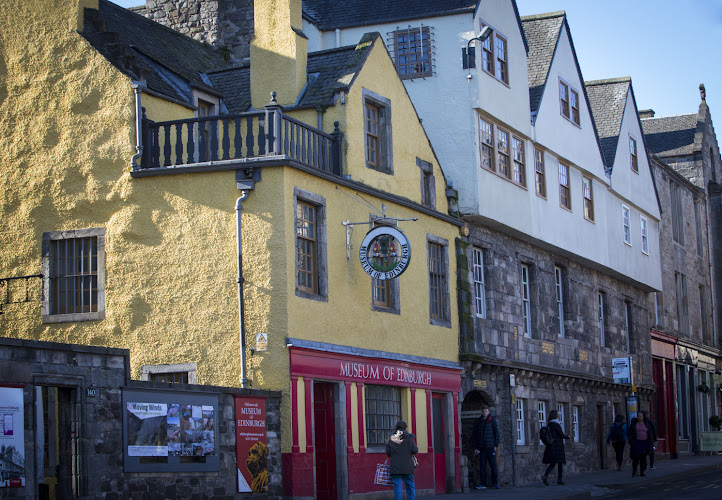
Museum of Edinburgh

Princes Street Gardens

The Georgian House (National Trust for Scotland)
Find Accommodations Nearby
Recommended Tours & Activities
Visitor Reviews
There are no reviews yet. Be the first one to write one.
Share Your Experience
Have you visited The Real Mary King’s Close? Help other travelers by leaving a review.