
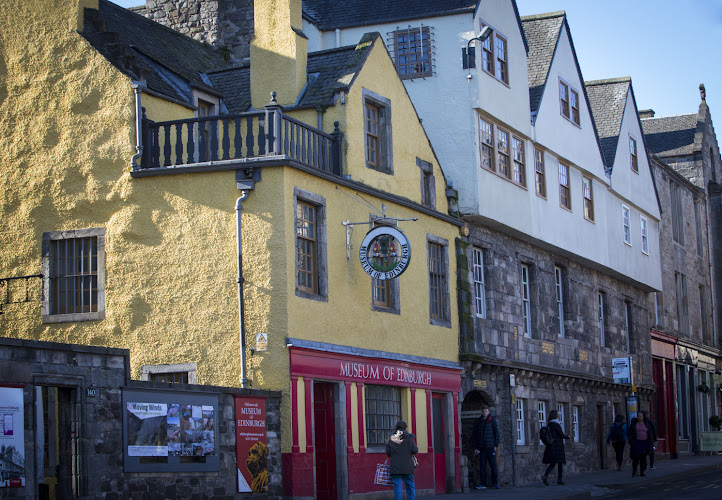
Museum of Edinburgh
About Museum of Edinburgh
Description
The Museum of Edinburgh offers travelers a fascinating journey through Scotland's capital city, housed within a collection of beautifully preserved historic buildings that tell their own stories before you even step inside. Located in the atmospheric Canongate area of the Royal Mile, this local history museum presents an intimate look at Edinburgh's social and industrial past through carefully curated reproductions and authentic artifacts. What makes this museum particularly special is its human-scale approach to history. Rather than overwhelming visitors with endless galleries, it provides focused glimpses into how ordinary Edinburgh residents lived, worked, and shaped their city over the centuries. The building itself - actually several interconnected 16th and 17th-century structures - creates an immersive experience where the architecture becomes part of the exhibition. I've always appreciated museums that don't try too hard to be everything to everyone, and this one succeeds by staying true to its local mission. You won't find grand displays about Scottish kings or famous battles here (though there's plenty of that elsewhere on the Royal Mile). Instead, you'll discover the everyday objects, trade tools, and domestic items that reveal what life was actually like for Edinburgh's working people, merchants, and craftspeople. The museum's collection spans several centuries, with particular strength in Georgian and Victorian era materials. And honestly, some of the most memorable pieces are the simple ones - a shopkeeper's ledger, children's toys from the 1800s, or trade guild artifacts that show how the city's economy functioned before industrialization changed everything.Key Features
The Museum of Edinburgh distinguishes itself through several notable elements that make it worth including on any traveler's itinerary:- Greyfriars Bobby's collar and bowl - One of Edinburgh's most beloved canine legends is commemorated here with authentic items belonging to the faithful terrier who supposedly guarded his master's grave for 14 years
- National Covenant original document - History buffs will appreciate seeing this significant 1638 document that shaped Scottish religious and political life
- Period room recreations - Walk through carefully reconstructed domestic spaces showing how Edinburgh families lived across different social classes and time periods
- Trade and guild artifacts - Extensive collections representing Edinburgh's traditional crafts including glassmaking, pottery, and textile production
- Authentic 16th-century architecture - The building complex itself, particularly the turnpike stair and original stone work, provides architectural heritage worth studying
- Local pottery and ceramics - Specialized collection showcasing Edinburgh and Scottish pottery traditions that you won't see elsewhere
- Victorian shop fronts and commercial displays - Reconstructions that transport visitors to Edinburgh's commercial heyday
- Intimate gallery spaces - Smaller rooms that allow for contemplative viewing without the crowds found at larger institutions
- Wheelchair accessible facilities - Restroom accessibility makes it manageable for visitors with mobility considerations, though parking accessibility is limited
- Child-friendly exhibitions - Interactive elements and relatable objects that engage younger visitors without dumbing down the content
Best Time to Visit
Timing your visit to the Museum of Edinburgh can significantly impact your experience, and I'd say the best approach depends on what kind of visitor you are. For crowd-avoiders, weekday mornings between October and March offer the quietest experience. Edinburgh's tourist season peaks dramatically from June through August when cruise ship passengers and summer holidaymakers flood the Royal Mile. During these months, you might find yourself squeezing past tour groups even in this smaller museum. But honestly, even in peak season, this place never gets as overwhelmed as Edinburgh Castle or the Palace of Holyroodhouse. Early afternoon on Tuesdays, Wednesdays, or Thursdays tends to hit a sweet spot throughout most of the year. Morning tour groups have moved on, school groups typically visit earlier in the day, and you'll have breathing room to actually read the exhibition labels without someone hovering behind you. Weather considerations matter less here than at outdoor attractions, which makes it an excellent rainy day option. And Edinburgh has plenty of those, believe me. When the Scottish weather turns (which it does with impressive frequency), ducking into this museum provides both shelter and substance. Festival season in August presents a special case. The city transforms into a massive performance venue, and while this creates incredible energy, it also means navigating packed streets. The museum itself might actually feel like a peaceful refuge during this time, though getting there requires patience. Winter months from November through February offer advantages beyond smaller crowds. The historic buildings' atmospheric qualities intensify when it's dark and cold outside, making the cozy period rooms feel even more transportive. Plus, you'll appreciate not having to battle summer tour bus schedules. If you're bringing children, aim for mid-morning around 10:30 or 11:00 when kids are alert but not yet hungry and cranky. The museum typically needs about 60-90 minutes to explore properly, making it manageable before lunch.How to Get There
Reaching the Museum of Edinburgh is refreshingly straightforward, particularly since it sits right on the Royal Mile - Edinburgh's most famous street that connects Edinburgh Castle to the Palace of Holyroodhouse. Walking is honestly the best option if you're staying anywhere in Edinburgh's city center. From Waverley Station (the main railway station), it's roughly a 15-minute uphill walk along the Royal Mile. Yes, uphill - Edinburgh isn't called the "Athens of the North" just for its intellectual heritage; it's built on hills that'll remind your leg muscles they exist. But the walk itself passes dozens of interesting shops, cafes, and historic buildings, so you're sightseeing the entire way. Bus service along the Royal Mile is extensive, with numerous routes stopping nearby. The Lothian Buses routes 6, 35, and 36 all serve the Canongate area. Just tell the driver you're heading to "Canongate" or "the Museum of Edinburgh" and they'll confirm the right stop. Bus fares in Edinburgh are reasonable, though drivers don't give change, so have exact coins or use a contactless payment card. Taxis and ride-shares can drop you directly outside, though be aware that Royal Mile traffic moves slowly, especially during peak tourist season. Sometimes you'll actually get there faster by walking. For drivers, here's where things get tricky. The museum doesn't have dedicated parking, and the surrounding streets feature restricted access, resident-only zones, and limited spaces that fill quickly. Your best bet is parking at one of the city center car parks - like the St. James Quarter or Castle Terrace - then walking or taking a short bus ride. Honestly, I wouldn't recommend driving unless you absolutely must. The accessibility situation requires mention. While the museum itself has wheelchair accessible restrooms and accommodations inside, the surrounding Royal Mile features cobblestones, uneven surfaces, and those charming but challenging historic street layouts. The building entrance involves some navigation, though staff members provide assistance when needed. Coming from Edinburgh Airport? Take the Airlink 100 bus to Waverley Bridge, then walk up the Royal Mile, or catch a connecting bus from there. The airport is well-connected, and this journey takes about 35-45 minutes depending on traffic.Tips for Visiting
Making the most of your Museum of Edinburgh experience requires some insider knowledge that guidebooks often skip over. Admission is free, which surprises many visitors. But don't let that fool you into thinking this is somehow a lesser museum - it's operated by the City of Edinburgh Council and funded publicly. However, donations are welcomed and genuinely help maintain the collection and buildings. I'd suggest contributing if you enjoy your visit; even a few pounds makes a difference. Allow more time than you initially think you'll need. Many visitors pop in planning to spend 30 minutes and end up staying over an hour. The compact size is deceptive - there's considerable depth to the collections if you actually read the descriptions and examine objects closely. Photography is permitted in most areas, but check for signage indicating exceptions. And please, turn off your flash - it damages delicate artifacts and annoys fellow visitors. Natural light through those ancient windows creates beautiful photo opportunities anyway. The building layout can feel confusing initially. Those historic structures weren't designed with museum traffic flow in mind, so you'll wind through various rooms connected by narrow staircases and unexpected doorways. Don't stress about following a "correct" route - just wander and discover. Visiting with children works well here, but manage expectations. This isn't a hands-on children's museum with interactive screens and buttons to push. However, many objects - old toys, strange tools, Victorian shop displays - naturally capture kids' attention. Ask staff about any family-friendly resources or activity sheets they might have available. Temperature inside varies considerably. Those thick stone walls keep things cool even in summer, and heating doesn't always reach every corner evenly in winter. Bring a light jacket or layer you can add. Combine your visit with the surrounding Canongate area rather than treating it as an isolated stop. You're literally steps away from the Scottish Parliament building, Canongate Kirk, and the Palace of Holyroodhouse. The museum works perfectly as part of a Royal Mile walking route. Staff members here tend to be knowledgeable locals rather than generic museum attendants. Don't hesitate to ask questions - I've had several fascinating conversations with staff who shared insights not mentioned in any exhibition label. Restrooms are available onsite, which matters more than you'd think given that many Royal Mile attractions lack facilities. Use them before continuing your explorations. Skip the souvenir shop expectations - there isn't really one. If you want Edinburgh-themed gifts, you'll find better selections elsewhere along the Royal Mile. Consider visiting on a weekday if your schedule allows flexibility. Weekend crowds don't overwhelm this museum like they do major attractions, but weekdays still offer a more contemplative atmosphere. Finally, don't rush through trying to see everything. Pick a few areas that genuinely interest you and spend quality time with those objects and stories. That Victorian shopkeeper's world or those medieval trade tools have more to reveal when you give them focused attention rather than hurried glances.Key Features
- Key Features
- Best Time to Visit
- How to Get There
- Tips for Visiting
More Details
Updated January 19, 2026
Table of Contents
Description
The Museum of Edinburgh offers travelers a fascinating journey through Scotland’s capital city, housed within a collection of beautifully preserved historic buildings that tell their own stories before you even step inside. Located in the atmospheric Canongate area of the Royal Mile, this local history museum presents an intimate look at Edinburgh’s social and industrial past through carefully curated reproductions and authentic artifacts.
What makes this museum particularly special is its human-scale approach to history. Rather than overwhelming visitors with endless galleries, it provides focused glimpses into how ordinary Edinburgh residents lived, worked, and shaped their city over the centuries. The building itself – actually several interconnected 16th and 17th-century structures – creates an immersive experience where the architecture becomes part of the exhibition.
I’ve always appreciated museums that don’t try too hard to be everything to everyone, and this one succeeds by staying true to its local mission. You won’t find grand displays about Scottish kings or famous battles here (though there’s plenty of that elsewhere on the Royal Mile). Instead, you’ll discover the everyday objects, trade tools, and domestic items that reveal what life was actually like for Edinburgh’s working people, merchants, and craftspeople.
The museum’s collection spans several centuries, with particular strength in Georgian and Victorian era materials. And honestly, some of the most memorable pieces are the simple ones – a shopkeeper’s ledger, children’s toys from the 1800s, or trade guild artifacts that show how the city’s economy functioned before industrialization changed everything.
Key Features
The Museum of Edinburgh distinguishes itself through several notable elements that make it worth including on any traveler’s itinerary:
- Greyfriars Bobby’s collar and bowl – One of Edinburgh’s most beloved canine legends is commemorated here with authentic items belonging to the faithful terrier who supposedly guarded his master’s grave for 14 years
- National Covenant original document – History buffs will appreciate seeing this significant 1638 document that shaped Scottish religious and political life
- Period room recreations – Walk through carefully reconstructed domestic spaces showing how Edinburgh families lived across different social classes and time periods
- Trade and guild artifacts – Extensive collections representing Edinburgh’s traditional crafts including glassmaking, pottery, and textile production
- Authentic 16th-century architecture – The building complex itself, particularly the turnpike stair and original stone work, provides architectural heritage worth studying
- Local pottery and ceramics – Specialized collection showcasing Edinburgh and Scottish pottery traditions that you won’t see elsewhere
- Victorian shop fronts and commercial displays – Reconstructions that transport visitors to Edinburgh’s commercial heyday
- Intimate gallery spaces – Smaller rooms that allow for contemplative viewing without the crowds found at larger institutions
- Wheelchair accessible facilities – Restroom accessibility makes it manageable for visitors with mobility considerations, though parking accessibility is limited
- Child-friendly exhibitions – Interactive elements and relatable objects that engage younger visitors without dumbing down the content
Best Time to Visit
Timing your visit to the Museum of Edinburgh can significantly impact your experience, and I’d say the best approach depends on what kind of visitor you are.
For crowd-avoiders, weekday mornings between October and March offer the quietest experience. Edinburgh’s tourist season peaks dramatically from June through August when cruise ship passengers and summer holidaymakers flood the Royal Mile. During these months, you might find yourself squeezing past tour groups even in this smaller museum. But honestly, even in peak season, this place never gets as overwhelmed as Edinburgh Castle or the Palace of Holyroodhouse.
Early afternoon on Tuesdays, Wednesdays, or Thursdays tends to hit a sweet spot throughout most of the year. Morning tour groups have moved on, school groups typically visit earlier in the day, and you’ll have breathing room to actually read the exhibition labels without someone hovering behind you.
Weather considerations matter less here than at outdoor attractions, which makes it an excellent rainy day option. And Edinburgh has plenty of those, believe me. When the Scottish weather turns (which it does with impressive frequency), ducking into this museum provides both shelter and substance.
Festival season in August presents a special case. The city transforms into a massive performance venue, and while this creates incredible energy, it also means navigating packed streets. The museum itself might actually feel like a peaceful refuge during this time, though getting there requires patience.
Winter months from November through February offer advantages beyond smaller crowds. The historic buildings’ atmospheric qualities intensify when it’s dark and cold outside, making the cozy period rooms feel even more transportive. Plus, you’ll appreciate not having to battle summer tour bus schedules.
If you’re bringing children, aim for mid-morning around 10:30 or 11:00 when kids are alert but not yet hungry and cranky. The museum typically needs about 60-90 minutes to explore properly, making it manageable before lunch.
How to Get There
Reaching the Museum of Edinburgh is refreshingly straightforward, particularly since it sits right on the Royal Mile – Edinburgh’s most famous street that connects Edinburgh Castle to the Palace of Holyroodhouse.
Walking is honestly the best option if you’re staying anywhere in Edinburgh’s city center. From Waverley Station (the main railway station), it’s roughly a 15-minute uphill walk along the Royal Mile. Yes, uphill – Edinburgh isn’t called the “Athens of the North” just for its intellectual heritage; it’s built on hills that’ll remind your leg muscles they exist. But the walk itself passes dozens of interesting shops, cafes, and historic buildings, so you’re sightseeing the entire way.
Bus service along the Royal Mile is extensive, with numerous routes stopping nearby. The Lothian Buses routes 6, 35, and 36 all serve the Canongate area. Just tell the driver you’re heading to “Canongate” or “the Museum of Edinburgh” and they’ll confirm the right stop. Bus fares in Edinburgh are reasonable, though drivers don’t give change, so have exact coins or use a contactless payment card.
Taxis and ride-shares can drop you directly outside, though be aware that Royal Mile traffic moves slowly, especially during peak tourist season. Sometimes you’ll actually get there faster by walking.
For drivers, here’s where things get tricky. The museum doesn’t have dedicated parking, and the surrounding streets feature restricted access, resident-only zones, and limited spaces that fill quickly. Your best bet is parking at one of the city center car parks – like the St. James Quarter or Castle Terrace – then walking or taking a short bus ride. Honestly, I wouldn’t recommend driving unless you absolutely must.
The accessibility situation requires mention. While the museum itself has wheelchair accessible restrooms and accommodations inside, the surrounding Royal Mile features cobblestones, uneven surfaces, and those charming but challenging historic street layouts. The building entrance involves some navigation, though staff members provide assistance when needed.
Coming from Edinburgh Airport? Take the Airlink 100 bus to Waverley Bridge, then walk up the Royal Mile, or catch a connecting bus from there. The airport is well-connected, and this journey takes about 35-45 minutes depending on traffic.
Tips for Visiting
Making the most of your Museum of Edinburgh experience requires some insider knowledge that guidebooks often skip over.
Admission is free, which surprises many visitors. But don’t let that fool you into thinking this is somehow a lesser museum – it’s operated by the City of Edinburgh Council and funded publicly. However, donations are welcomed and genuinely help maintain the collection and buildings. I’d suggest contributing if you enjoy your visit; even a few pounds makes a difference.
Allow more time than you initially think you’ll need. Many visitors pop in planning to spend 30 minutes and end up staying over an hour. The compact size is deceptive – there’s considerable depth to the collections if you actually read the descriptions and examine objects closely.
Photography is permitted in most areas, but check for signage indicating exceptions. And please, turn off your flash – it damages delicate artifacts and annoys fellow visitors. Natural light through those ancient windows creates beautiful photo opportunities anyway.
The building layout can feel confusing initially. Those historic structures weren’t designed with museum traffic flow in mind, so you’ll wind through various rooms connected by narrow staircases and unexpected doorways. Don’t stress about following a “correct” route – just wander and discover.
Visiting with children works well here, but manage expectations. This isn’t a hands-on children’s museum with interactive screens and buttons to push. However, many objects – old toys, strange tools, Victorian shop displays – naturally capture kids’ attention. Ask staff about any family-friendly resources or activity sheets they might have available.
Temperature inside varies considerably. Those thick stone walls keep things cool even in summer, and heating doesn’t always reach every corner evenly in winter. Bring a light jacket or layer you can add.
Combine your visit with the surrounding Canongate area rather than treating it as an isolated stop. You’re literally steps away from the Scottish Parliament building, Canongate Kirk, and the Palace of Holyroodhouse. The museum works perfectly as part of a Royal Mile walking route.
Staff members here tend to be knowledgeable locals rather than generic museum attendants. Don’t hesitate to ask questions – I’ve had several fascinating conversations with staff who shared insights not mentioned in any exhibition label.
Restrooms are available onsite, which matters more than you’d think given that many Royal Mile attractions lack facilities. Use them before continuing your explorations.
Skip the souvenir shop expectations – there isn’t really one. If you want Edinburgh-themed gifts, you’ll find better selections elsewhere along the Royal Mile.
Consider visiting on a weekday if your schedule allows flexibility. Weekend crowds don’t overwhelm this museum like they do major attractions, but weekdays still offer a more contemplative atmosphere.
Finally, don’t rush through trying to see everything. Pick a few areas that genuinely interest you and spend quality time with those objects and stories. That Victorian shopkeeper’s world or those medieval trade tools have more to reveal when you give them focused attention rather than hurried glances.
Key Highlights
- Key Features
- Best Time to Visit
- How to Get There
- Tips for Visiting
Location
Places to Stay Near Museum of Edinburgh
Find and Book a Tour
Explore More Travel Guides
No reviews found! Be the first to review!
Traveler Reviews for Museum of Edinburgh
There are no reviews yet. Be the first one to write one.
Have you visited Museum of Edinburgh? Help other travelers by sharing your review.
You Might Also Like

Scott Monument

Prisoners of War Museum

John Knox House
Find Accommodations Nearby
Recommended Tours & Activities
Visitor Reviews
There are no reviews yet. Be the first one to write one.
Share Your Experience
Have you visited Museum of Edinburgh? Help other travelers by leaving a review.