
Lehmbruck Museum
About Lehmbruck Museum
Description
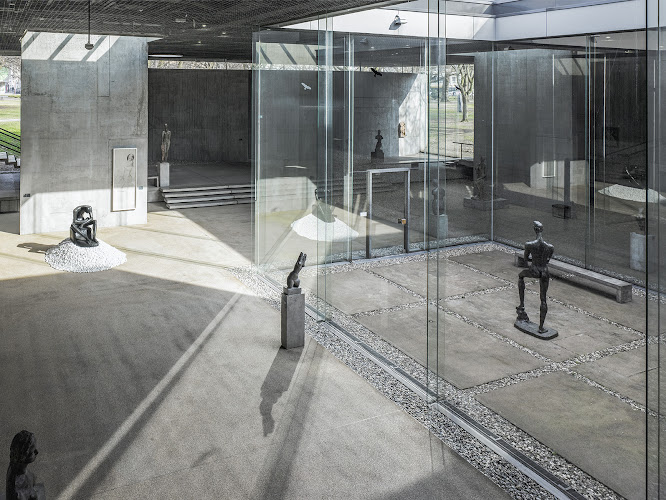
The Lehmbruck Museum stands as one of Germany's most distinctive art institutions, dedicated primarily to modern sculpture in ways that most museums simply don't attempt. Located in Duisburg, this museum carries the name of Wilhelm Lehmbruck, a renowned German sculptor whose work defines an entire era of expressionist art. What makes this place genuinely special isn't just the collection itself - though that's spectacular - but how the museum presents sculpture as a living, breathing art form rather than just static objects behind velvet ropes. I've always found that sculpture museums can feel a bit stuffy, you know? But this one breaks that mold entirely. The building itself, designed by architect Manfred Lehmbruck (Wilhelm's son), creates these incredible spaces where natural light plays across bronze and stone in ways that change throughout the day. You're not just looking at art here; you're experiencing how it interacts with space, light, and even the shadows it casts. The museum houses over 1,000 sculptures spanning from medieval times through contemporary works, though its heart beats strongest with 20th and 21st-century pieces. And here's something most visitors don't realize until they arrive - the outdoor sculpture park is absolutely massive. We're talking about dozens of monumental works set among landscaped grounds where you can literally walk through art history while getting some fresh air. What really sets this museum apart is its commitment to showing sculpture as an evolving conversation between artists across generations. You'll see works by Rodin, Barlach, Brancusi, and contemporary artists like Tony Cragg all sharing the same spaces. It's not organized in that rigid chronological way that makes you feel like you're trudging through a textbook. Instead, the curators have created these thoughtful dialogues between pieces from different eras.Key Features
- Extensive collection of Wilhelm Lehmbruck's original sculptures and drawings, offering the most comprehensive look at the artist's evolution anywhere in the world
- Massive outdoor sculpture park featuring monumental works that visitors can walk among freely, creating an immersive art experience that changes with weather and seasons
- Modern European sculpture collection spanning the entire 20th century, with particular strengths in German Expressionism and contemporary installation art
- Rotating exhibitions that bring international sculptors and three-dimensional artists to Duisburg, often featuring works never before shown in Germany
- Significant collection of works on paper, including drawings, prints, and graphic works that show the creative process behind three-dimensional art
- Architectural design by Manfred Lehmbruck that uses natural light as an essential element of the viewing experience
- Painting collection that complements the sculpture galleries, featuring works by prominent modern artists
- Educational workshops and programs that actually let visitors touch and interact with sculpture materials - something most museums would never allow
- Fully accessible facilities including wheelchair-friendly entrances, parking, and restrooms throughout the museum grounds
- Family-friendly spaces designed specifically for children to engage with three-dimensional art in hands-on ways
Best Time to Visit
Timing your visit to the Lehmbruck Museum really depends on what kind of experience you're after, and I've got some thoughts on this based on what travelers typically miss. The outdoor sculpture park absolutely shines during late spring and early autumn - we're talking May through early October. During these months, the weather in Duisburg is pleasant enough that you can spend serious time outside without freezing or melting. The gardens are in full bloom, and honestly, seeing these massive sculptures framed by greenery adds a whole dimension to the experience. I'd argue that visiting in September gives you the best of both worlds: still warm enough for comfortable outdoor exploring, but without the peak summer crowds. But here's a contrarian take - winter visits have their own magic. Yes, it's cold in northwestern Germany from November through February, but the indoor galleries feel particularly intimate during these months. The low winter light coming through the museum's windows creates these dramatic shadows that make the sculptures feel almost theatrical. Plus, you'll have entire galleries to yourself sometimes, which never happens during summer tourist season. Weekday mornings, particularly Tuesday through Thursday between 10 AM and noon, are when you'll find the museum at its quietest. Weekends can get surprisingly busy, especially when there's a special exhibition running. And if you're traveling with kids, Sunday afternoons often feature family programs, though this does mean more people around. One thing to watch for - the museum occasionally closes galleries for exhibition changeovers. Check their schedule before you go because having a section closed can be disappointing if you've traveled specifically to see certain works. The museum stays open until 8 PM on Thursdays, which I think is the absolute best time to visit. That evening light does incredible things to the sculpture park as the sun sets, and the indoor galleries take on this contemplative quality that's perfect for really absorbing the art without feeling rushed.How to Get There
Getting to the Lehmbruck Museum is refreshingly straightforward, even though Duisburg isn't exactly Germany's most famous tourist destination. The city sits in the Ruhr region, that industrial heartland that's been transforming itself into a cultural powerhouse over the past few decades. If you're flying in, Düsseldorf Airport is your closest major international hub, sitting just about 25 kilometers away. From there, you've got options. The train connection is probably your best bet - take the regional train from the airport to Duisburg Hauptbahnhof (main station), which takes roughly 20-25 minutes. From Duisburg's main station, the museum is about a 15-minute walk or a quick tram ride on line 903. For those based in other German cities, the train network makes Duisburg incredibly accessible. You're looking at about 20 minutes from Essen, 30 minutes from Cologne, and maybe an hour from Dortmund. The German rail system being what it is - generally reliable though occasionally prone to delays - you can usually plan your day trip with confidence. Driving is certainly possible, and the museum maintains a paid parking lot on site. This is actually worth considering if you're exploring multiple Ruhr region destinations in one trip. The autobahn network around Duisburg is well-developed, though be warned that traffic can get heavy during rush hours. GPS coordinates will take you right to the museum entrance without any drama. The local public transportation in Duisburg is operated by DVG, and honestly, it works pretty well. Tram line 903 stops practically at the museum's doorstep. A day ticket for the Duisburg zone is reasonably priced and gives you unlimited travel, which is handy if you're planning to explore other parts of the city too. For visitors staying in nearby cities like Düsseldorf or Essen, consider getting a regional day pass that covers multiple zones - it usually pays for itself if you're making a return journey plus any local travel.Tips for Visiting
Let me share some insights that'll make your visit smoother, because there are definitely things I wish I'd known before my first trip there. First off, budget at least three hours for your visit, and honestly, sculpture enthusiasts could easily spend five or six hours here. The collection is deceptively large, and if you actually take time with the outdoor park, hours just disappear. Don't make the mistake of scheduling something tight immediately afterward. The museum is genuinely good for kids, but here's the thing - bring snacks and drinks because there's no restaurant on site. There are restrooms (fully accessible ones too), but food options are limited to what you bring yourself or what you can grab from nearby cafes before entering. This catches a lot of families off guard. Photography is generally allowed for personal use, but check the specific rules for temporary exhibitions as they sometimes have restrictions. And please, for the love of art, don't use flash on delicate works on paper in the graphics collection. Weather in northwestern Germany can be unpredictable even in summer, so layer your clothing and bring an umbrella if there's any chance of rain. The outdoor sculpture park is worth seeing regardless of weather, but you'll enjoy it more if you're prepared. I've seen visitors cut their outdoor exploration short because they dressed for sunshine and got drizzle instead. The wheelchair accessibility here is actually excellent - they've really thought through the practical aspects. Elevators reach all levels, pathways in the sculpture park are smooth and well-maintained, and the accessible restrooms are conveniently located. This is one museum where mobility limitations won't prevent you from seeing anything. If you're interested in the educational programs or workshops, book ahead. They're popular and often fill up, especially during school holiday periods. Some programs are in German only, so check language availability if that matters to you. Don't skip the works on paper collection thinking it's just a footnote to the sculpture. The drawings and prints often reveal the artistic process in ways that the finished sculptures can't, and the collection includes some genuinely remarkable pieces. Admission prices are reasonable, and there are discounts for students, seniors, and families. Some days offer reduced or free admission, so checking the website beforehand could save you a few euros. One final tip - start with the outdoor sculpture park if weather permits, then move indoors. There's something about experiencing the monumental outdoor works first that makes the indoor galleries feel more intimate and focused. Plus, if weather turns bad, you're already inside for the rest of your visit. The museum shop is small but thoughtfully curated with sculpture-related books and unique gifts that aren't the usual museum store nonsense. If you're into art books, budget some time and money here.Key Features
- Extensive holdings of Wilhelm Lehmbruck works
- Strong collection of 20th- and 21st-century international sculpture
- Architecturally notable post-war museum building with natural light
- Sculpture park/garden adjacent to the galleries
- Regular temporary exhibitions, talks and educational programs
More Details
Updated March 30, 2026
Table of Contents
Description
The Lehmbruck Museum stands as one of Germany’s most distinctive art institutions, dedicated primarily to modern sculpture in ways that most museums simply don’t attempt. Located in Duisburg, this museum carries the name of Wilhelm Lehmbruck, a renowned German sculptor whose work defines an entire era of expressionist art. What makes this place genuinely special isn’t just the collection itself – though that’s spectacular – but how the museum presents sculpture as a living, breathing art form rather than just static objects behind velvet ropes.
I’ve always found that sculpture museums can feel a bit stuffy, you know? But this one breaks that mold entirely. The building itself, designed by architect Manfred Lehmbruck (Wilhelm’s son), creates these incredible spaces where natural light plays across bronze and stone in ways that change throughout the day. You’re not just looking at art here; you’re experiencing how it interacts with space, light, and even the shadows it casts.
The museum houses over 1,000 sculptures spanning from medieval times through contemporary works, though its heart beats strongest with 20th and 21st-century pieces. And here’s something most visitors don’t realize until they arrive – the outdoor sculpture park is absolutely massive. We’re talking about dozens of monumental works set among landscaped grounds where you can literally walk through art history while getting some fresh air.
What really sets this museum apart is its commitment to showing sculpture as an evolving conversation between artists across generations. You’ll see works by Rodin, Barlach, Brancusi, and contemporary artists like Tony Cragg all sharing the same spaces. It’s not organized in that rigid chronological way that makes you feel like you’re trudging through a textbook. Instead, the curators have created these thoughtful dialogues between pieces from different eras.
Key Features
- Extensive collection of Wilhelm Lehmbruck’s original sculptures and drawings, offering the most comprehensive look at the artist’s evolution anywhere in the world
- Massive outdoor sculpture park featuring monumental works that visitors can walk among freely, creating an immersive art experience that changes with weather and seasons
- Modern European sculpture collection spanning the entire 20th century, with particular strengths in German Expressionism and contemporary installation art
- Rotating exhibitions that bring international sculptors and three-dimensional artists to Duisburg, often featuring works never before shown in Germany
- Significant collection of works on paper, including drawings, prints, and graphic works that show the creative process behind three-dimensional art
- Architectural design by Manfred Lehmbruck that uses natural light as an essential element of the viewing experience
- Painting collection that complements the sculpture galleries, featuring works by prominent modern artists
- Educational workshops and programs that actually let visitors touch and interact with sculpture materials – something most museums would never allow
- Fully accessible facilities including wheelchair-friendly entrances, parking, and restrooms throughout the museum grounds
- Family-friendly spaces designed specifically for children to engage with three-dimensional art in hands-on ways
Best Time to Visit
Timing your visit to the Lehmbruck Museum really depends on what kind of experience you’re after, and I’ve got some thoughts on this based on what travelers typically miss.
The outdoor sculpture park absolutely shines during late spring and early autumn – we’re talking May through early October. During these months, the weather in Duisburg is pleasant enough that you can spend serious time outside without freezing or melting. The gardens are in full bloom, and honestly, seeing these massive sculptures framed by greenery adds a whole dimension to the experience. I’d argue that visiting in September gives you the best of both worlds: still warm enough for comfortable outdoor exploring, but without the peak summer crowds.
But here’s a contrarian take – winter visits have their own magic. Yes, it’s cold in northwestern Germany from November through February, but the indoor galleries feel particularly intimate during these months. The low winter light coming through the museum’s windows creates these dramatic shadows that make the sculptures feel almost theatrical. Plus, you’ll have entire galleries to yourself sometimes, which never happens during summer tourist season.
Weekday mornings, particularly Tuesday through Thursday between 10 AM and noon, are when you’ll find the museum at its quietest. Weekends can get surprisingly busy, especially when there’s a special exhibition running. And if you’re traveling with kids, Sunday afternoons often feature family programs, though this does mean more people around.
One thing to watch for – the museum occasionally closes galleries for exhibition changeovers. Check their schedule before you go because having a section closed can be disappointing if you’ve traveled specifically to see certain works.
The museum stays open until 8 PM on Thursdays, which I think is the absolute best time to visit. That evening light does incredible things to the sculpture park as the sun sets, and the indoor galleries take on this contemplative quality that’s perfect for really absorbing the art without feeling rushed.
How to Get There
Getting to the Lehmbruck Museum is refreshingly straightforward, even though Duisburg isn’t exactly Germany’s most famous tourist destination. The city sits in the Ruhr region, that industrial heartland that’s been transforming itself into a cultural powerhouse over the past few decades.
If you’re flying in, Düsseldorf Airport is your closest major international hub, sitting just about 25 kilometers away. From there, you’ve got options. The train connection is probably your best bet – take the regional train from the airport to Duisburg Hauptbahnhof (main station), which takes roughly 20-25 minutes. From Duisburg’s main station, the museum is about a 15-minute walk or a quick tram ride on line 903.
For those based in other German cities, the train network makes Duisburg incredibly accessible. You’re looking at about 20 minutes from Essen, 30 minutes from Cologne, and maybe an hour from Dortmund. The German rail system being what it is – generally reliable though occasionally prone to delays – you can usually plan your day trip with confidence.
Driving is certainly possible, and the museum maintains a paid parking lot on site. This is actually worth considering if you’re exploring multiple Ruhr region destinations in one trip. The autobahn network around Duisburg is well-developed, though be warned that traffic can get heavy during rush hours. GPS coordinates will take you right to the museum entrance without any drama.
The local public transportation in Duisburg is operated by DVG, and honestly, it works pretty well. Tram line 903 stops practically at the museum’s doorstep. A day ticket for the Duisburg zone is reasonably priced and gives you unlimited travel, which is handy if you’re planning to explore other parts of the city too.
For visitors staying in nearby cities like Düsseldorf or Essen, consider getting a regional day pass that covers multiple zones – it usually pays for itself if you’re making a return journey plus any local travel.
Tips for Visiting
Let me share some insights that’ll make your visit smoother, because there are definitely things I wish I’d known before my first trip there.
First off, budget at least three hours for your visit, and honestly, sculpture enthusiasts could easily spend five or six hours here. The collection is deceptively large, and if you actually take time with the outdoor park, hours just disappear. Don’t make the mistake of scheduling something tight immediately afterward.
The museum is genuinely good for kids, but here’s the thing – bring snacks and drinks because there’s no restaurant on site. There are restrooms (fully accessible ones too), but food options are limited to what you bring yourself or what you can grab from nearby cafes before entering. This catches a lot of families off guard.
Photography is generally allowed for personal use, but check the specific rules for temporary exhibitions as they sometimes have restrictions. And please, for the love of art, don’t use flash on delicate works on paper in the graphics collection.
Weather in northwestern Germany can be unpredictable even in summer, so layer your clothing and bring an umbrella if there’s any chance of rain. The outdoor sculpture park is worth seeing regardless of weather, but you’ll enjoy it more if you’re prepared. I’ve seen visitors cut their outdoor exploration short because they dressed for sunshine and got drizzle instead.
The wheelchair accessibility here is actually excellent – they’ve really thought through the practical aspects. Elevators reach all levels, pathways in the sculpture park are smooth and well-maintained, and the accessible restrooms are conveniently located. This is one museum where mobility limitations won’t prevent you from seeing anything.
If you’re interested in the educational programs or workshops, book ahead. They’re popular and often fill up, especially during school holiday periods. Some programs are in German only, so check language availability if that matters to you.
Don’t skip the works on paper collection thinking it’s just a footnote to the sculpture. The drawings and prints often reveal the artistic process in ways that the finished sculptures can’t, and the collection includes some genuinely remarkable pieces.
Admission prices are reasonable, and there are discounts for students, seniors, and families. Some days offer reduced or free admission, so checking the website beforehand could save you a few euros.
One final tip – start with the outdoor sculpture park if weather permits, then move indoors. There’s something about experiencing the monumental outdoor works first that makes the indoor galleries feel more intimate and focused. Plus, if weather turns bad, you’re already inside for the rest of your visit.
The museum shop is small but thoughtfully curated with sculpture-related books and unique gifts that aren’t the usual museum store nonsense. If you’re into art books, budget some time and money here.
Key Highlights
- Extensive holdings of Wilhelm Lehmbruck works
- Strong collection of 20th- and 21st-century international sculpture
- Architecturally notable post-war museum building with natural light
- Sculpture park/garden adjacent to the galleries
- Regular temporary exhibitions, talks and educational programs
Location
Places to Stay Near Lehmbruck Museum
Find and Book a Tour
Explore More Travel Guides
No reviews found! Be the first to review!
Lehmbruck Museum is a prominent museums located in Duisburg.
Visit us at: Düsseldorfer Str. 51, 47051 Duisburg, Germany.
Traveler Reviews for Lehmbruck Museum
There are no reviews yet. Be the first one to write one.
Have you visited Lehmbruck Museum? Help other travelers by sharing your review.
Nearby Attractions
You Might Also Like
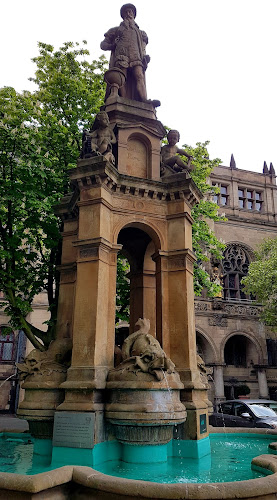
Mercatorbrunnen

Kaiserberg
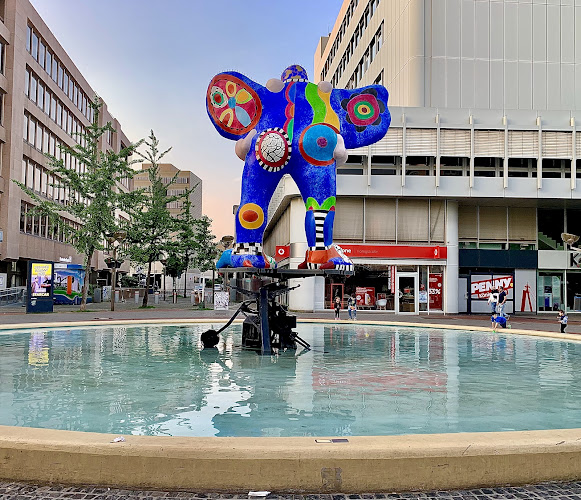
Lifesaver Brunnen Duisburg
Find Accommodations Nearby
Recommended Tours & Activities
Visitor Reviews
There are no reviews yet. Be the first one to write one.
Share Your Experience
Have you visited Lehmbruck Museum? Help other travelers by leaving a review.