
German Inland Waterways Museum
About German Inland Waterways Museum
Description
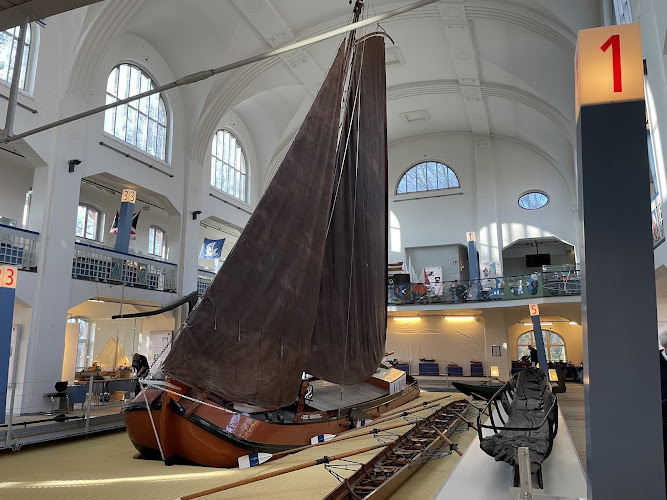
The German Inland Waterways Museum offers visitors something pretty special - a chance to step back in time and explore the fascinating world of river shipping from inside an authentically restored old bathhouse. And honestly, who would've thought that a former bathhouse could become such an engaging tribute to Germany's maritime heritage? But here we are, and it works beautifully. This museum tells the story of inland navigation in Germany through a combination of interactive exhibits, historical artifacts, and real vessels you can actually board and explore. The building itself carries its own charm and history, having served the local community as a bathhouse before being transformed into this unique cultural institution. What really sets this place apart though are the three historic ships moored right outside - these aren't just displays you look at from a distance, but actual vessels that transported goods and people along Germany's extensive network of rivers and canals. The museum does an excellent job of bringing to life an aspect of German history that doesn't always get the spotlight it deserves. Inland waterways were basically the highways of their time, crucial for trade, commerce, and daily life. Walking through the exhibits, you'll discover how boat captains and their families lived aboard these vessels, how cargo was loaded and transported, and how the shipping industry evolved over the decades. It's one of those places where you arrive thinking you'll spend maybe an hour and suddenly realize three hours have passed because you got completely absorbed in the stories being told.Key Features
The German Inland Waterways Museum packs quite a bit into its historic setting, and here's what makes it worth adding to your itinerary:- Interactive exhibits that let you experience river shipping firsthand rather than just reading about it - there are hands-on displays that appeal to both adults and children who want to understand how navigation actually worked
- Three authentic historic vessels moored adjacent to the museum that you can board and explore, giving you a real sense of what life was like for those who made rivers their workplace and home
- The atmospheric old bathhouse building itself, which adds an unexpected layer of historical interest to your visit and creates a distinctive setting you won't find in modern museum structures
- Wheelchair accessible throughout, including entrance, parking areas, and restrooms - the museum has clearly made accessibility a priority which isn't always the case with historic buildings
- Family-friendly exhibits designed with children in mind, making it an educational outing that won't bore younger visitors (and believe me, that's saying something)
- Free parking on-site, which is a genuine relief when you're traveling and trying to manage costs
- Restroom facilities available for visitors, because let's be honest, that's always good to know before you arrive
- Collections that showcase the evolution of inland shipping technology, from traditional methods to more modern innovations
- Information about the lives of ship captains and their families who essentially lived on the water, providing a human dimension to the technical aspects
- An indoor pool area that's been repurposed as part of the exhibition space, creating an unusual and memorable display environment
Best Time to Visit
Timing your visit to the German Inland Waterways Museum really depends on what kind of experience you're after. The museum operates year-round, but each season brings its own advantages. Spring and early summer are genuinely lovely times to visit. The weather's pleasant enough that exploring the moored vessels outside becomes a real treat rather than an endurance test. You can take your time on deck, imagine what it was like navigating these waterways, and actually enjoy being outdoors. Plus, the spring months tend to be less crowded than peak summer, so you'll have more space to explore at your own pace. Summer brings the most visitors, which has both pros and cons. Yes, it's busier, but there's also more energy and sometimes special events or demonstrations that only happen during peak season. The longer daylight hours mean you can visit later in the afternoon and still have plenty of time to see everything. Just be prepared for more families and tour groups during July and August. Autumn is honestly underrated for museum visits in Germany. The cooler weather makes the indoor exhibits particularly appealing, and there's something atmospheric about exploring maritime history while the leaves are changing outside. September and October typically see fewer visitors than summer months, but the museum still maintains full operations. Winter visits have their own charm, though you'll want to dress warmly when exploring the outdoor vessel exhibits. The indoor portions of the museum are heated and comfortable, making it a good rainy-day or cold-weather activity. And honestly, sometimes having the place to yourself on a quiet Tuesday in January creates a more contemplative, personal experience. Weekday visits generally offer a more relaxed atmosphere than weekends, particularly if you want to really take your time with the exhibits and perhaps strike up conversations with museum staff who can share additional insights.How to Get There
Getting to the German Inland Waterways Museum is straightforward enough, though it helps to plan ahead depending on your mode of transportation. If you're driving, you'll appreciate the free parking lot right on site - this is a huge advantage and takes the stress out of arrival. The museum is accessible by car from major routes in the region, and most GPS systems will get you there without drama. Just make sure you enter the correct museum name in your navigation system, as there are other maritime museums in Germany that could cause confusion. For those relying on public transportation, it's doable but requires a bit more planning. The nearest train stations connect to regional bus services that can get you relatively close to the museum. You'll want to check current schedules ahead of time though, as bus frequencies can vary considerably depending on the day of the week and time of year. Some visitors find it helpful to combine their museum trip with other attractions in the area to make the public transport journey more worthwhile. Cycling is actually a popular option if you're staying locally or are already exploring the region by bike. Germany's excellent cycling infrastructure makes this a pleasant choice during warmer months, and there are bike racks available at the museum. The wheelchair accessible entrance and parking make arrival straightforward for visitors with mobility considerations - this is something the museum has clearly thought through carefully, which isn't always guaranteed at historic sites.Tips for Visiting
Having spent time exploring maritime museums, I've picked up a few things that'll make your visit more rewarding. First off, plan for at least two to three hours if you actually want to see everything properly. I know that sounds like a lot for a museum, but between the indoor exhibits, the historic vessels, and reading through the various displays, time goes faster than you'd expect. Rushing through defeats the purpose. Wear comfortable shoes - and I mean actually comfortable, not just shoes you think will be okay. You'll be walking through the building, climbing aboard vessels, and navigating stairs and gangways. Those cute but slightly tight shoes you've been breaking in? Leave them at the hotel. If you're visiting with children, embrace the interactive elements rather than trying to rush them through. Kids often get more out of hands-on experiences than adults do, and the museum designed these features specifically for engagement. Let them explore at their own pace and you might be surprised by what captures their interest. The moored vessels can be slippery when wet, so exercise appropriate caution if you're visiting during or after rain. The museum does its best with safety measures, but these are historic ships with original features, not modern constructions designed with every possible safety rail. Photography is generally welcome, but be respectful of other visitors and any posted restrictions in specific areas. The lighting inside the old bathhouse can be tricky, so adjust your expectations accordingly if you're hoping for perfect Instagram shots. Consider visiting the museum earlier in your trip rather than saving it for the last day. The context you'll gain about inland waterways and German shipping history might actually enhance other places you visit in the region. Understanding this aspect of German heritage provides a different lens for viewing cities and landscapes you'll encounter. Don't hesitate to ask staff questions - museum personnel are typically passionate about the subject matter and can provide insights that aren't necessarily covered in the written materials. Some of the best information I've gotten at museums came from casual conversations with guides who really knew their stuff. Check if there are any special exhibitions or events scheduled during your visit. Museums sometimes host temporary displays or demonstrations that add extra value to your experience. The restroom facilities are available, but they're located in a historic building, so they might not be as spacious or modern as you'd find in a newly constructed facility. Just something to keep in mind. Lastly, give yourself permission to skip exhibits that don't interest you. Not every visitor needs to read every single placard or examine every artifact. Focus on what genuinely captures your attention and you'll have a better experience than forcing yourself through everything out of some misplaced sense of obligation.Key Features
- Three authentic historic vessels moored adjacent to the museum that you can board and explore, giving you a real sense of what life was like for those who made rivers their workplace and home
- The atmospheric old bathhouse building itself, which adds an unexpected layer of historical interest to your visit and creates a distinctive setting you won't find in modern museum structures
- Wheelchair accessible throughout, including entrance, parking areas, and restrooms - the museum has clearly made accessibility a priority which isn't always the case with historic buildings
- Family-friendly exhibits designed with children in mind, making it an educational outing that won't bore younger visitors (and believe me, that's saying something)
- Free parking on-site, which is a genuine relief when you're traveling and trying to manage costs
- Restroom facilities available for visitors, because let's be honest, that's always good to know before you arrive
- Collections that showcase the evolution of inland shipping technology, from traditional methods to more modern innovations
More Details
Updated March 30, 2026
Table of Contents
Description
The German Inland Waterways Museum offers visitors something pretty special – a chance to step back in time and explore the fascinating world of river shipping from inside an authentically restored old bathhouse. And honestly, who would’ve thought that a former bathhouse could become such an engaging tribute to Germany’s maritime heritage? But here we are, and it works beautifully.
This museum tells the story of inland navigation in Germany through a combination of interactive exhibits, historical artifacts, and real vessels you can actually board and explore. The building itself carries its own charm and history, having served the local community as a bathhouse before being transformed into this unique cultural institution. What really sets this place apart though are the three historic ships moored right outside – these aren’t just displays you look at from a distance, but actual vessels that transported goods and people along Germany’s extensive network of rivers and canals.
The museum does an excellent job of bringing to life an aspect of German history that doesn’t always get the spotlight it deserves. Inland waterways were basically the highways of their time, crucial for trade, commerce, and daily life. Walking through the exhibits, you’ll discover how boat captains and their families lived aboard these vessels, how cargo was loaded and transported, and how the shipping industry evolved over the decades. It’s one of those places where you arrive thinking you’ll spend maybe an hour and suddenly realize three hours have passed because you got completely absorbed in the stories being told.
Key Features
The German Inland Waterways Museum packs quite a bit into its historic setting, and here’s what makes it worth adding to your itinerary:
- Interactive exhibits that let you experience river shipping firsthand rather than just reading about it – there are hands-on displays that appeal to both adults and children who want to understand how navigation actually worked
- Three authentic historic vessels moored adjacent to the museum that you can board and explore, giving you a real sense of what life was like for those who made rivers their workplace and home
- The atmospheric old bathhouse building itself, which adds an unexpected layer of historical interest to your visit and creates a distinctive setting you won’t find in modern museum structures
- Wheelchair accessible throughout, including entrance, parking areas, and restrooms – the museum has clearly made accessibility a priority which isn’t always the case with historic buildings
- Family-friendly exhibits designed with children in mind, making it an educational outing that won’t bore younger visitors (and believe me, that’s saying something)
- Free parking on-site, which is a genuine relief when you’re traveling and trying to manage costs
- Restroom facilities available for visitors, because let’s be honest, that’s always good to know before you arrive
- Collections that showcase the evolution of inland shipping technology, from traditional methods to more modern innovations
- Information about the lives of ship captains and their families who essentially lived on the water, providing a human dimension to the technical aspects
- An indoor pool area that’s been repurposed as part of the exhibition space, creating an unusual and memorable display environment
Best Time to Visit
Timing your visit to the German Inland Waterways Museum really depends on what kind of experience you’re after. The museum operates year-round, but each season brings its own advantages.
Spring and early summer are genuinely lovely times to visit. The weather’s pleasant enough that exploring the moored vessels outside becomes a real treat rather than an endurance test. You can take your time on deck, imagine what it was like navigating these waterways, and actually enjoy being outdoors. Plus, the spring months tend to be less crowded than peak summer, so you’ll have more space to explore at your own pace.
Summer brings the most visitors, which has both pros and cons. Yes, it’s busier, but there’s also more energy and sometimes special events or demonstrations that only happen during peak season. The longer daylight hours mean you can visit later in the afternoon and still have plenty of time to see everything. Just be prepared for more families and tour groups during July and August.
Autumn is honestly underrated for museum visits in Germany. The cooler weather makes the indoor exhibits particularly appealing, and there’s something atmospheric about exploring maritime history while the leaves are changing outside. September and October typically see fewer visitors than summer months, but the museum still maintains full operations.
Winter visits have their own charm, though you’ll want to dress warmly when exploring the outdoor vessel exhibits. The indoor portions of the museum are heated and comfortable, making it a good rainy-day or cold-weather activity. And honestly, sometimes having the place to yourself on a quiet Tuesday in January creates a more contemplative, personal experience.
Weekday visits generally offer a more relaxed atmosphere than weekends, particularly if you want to really take your time with the exhibits and perhaps strike up conversations with museum staff who can share additional insights.
How to Get There
Getting to the German Inland Waterways Museum is straightforward enough, though it helps to plan ahead depending on your mode of transportation.
If you’re driving, you’ll appreciate the free parking lot right on site – this is a huge advantage and takes the stress out of arrival. The museum is accessible by car from major routes in the region, and most GPS systems will get you there without drama. Just make sure you enter the correct museum name in your navigation system, as there are other maritime museums in Germany that could cause confusion.
For those relying on public transportation, it’s doable but requires a bit more planning. The nearest train stations connect to regional bus services that can get you relatively close to the museum. You’ll want to check current schedules ahead of time though, as bus frequencies can vary considerably depending on the day of the week and time of year. Some visitors find it helpful to combine their museum trip with other attractions in the area to make the public transport journey more worthwhile.
Cycling is actually a popular option if you’re staying locally or are already exploring the region by bike. Germany’s excellent cycling infrastructure makes this a pleasant choice during warmer months, and there are bike racks available at the museum.
The wheelchair accessible entrance and parking make arrival straightforward for visitors with mobility considerations – this is something the museum has clearly thought through carefully, which isn’t always guaranteed at historic sites.
Tips for Visiting
Having spent time exploring maritime museums, I’ve picked up a few things that’ll make your visit more rewarding.
First off, plan for at least two to three hours if you actually want to see everything properly. I know that sounds like a lot for a museum, but between the indoor exhibits, the historic vessels, and reading through the various displays, time goes faster than you’d expect. Rushing through defeats the purpose.
Wear comfortable shoes – and I mean actually comfortable, not just shoes you think will be okay. You’ll be walking through the building, climbing aboard vessels, and navigating stairs and gangways. Those cute but slightly tight shoes you’ve been breaking in? Leave them at the hotel.
If you’re visiting with children, embrace the interactive elements rather than trying to rush them through. Kids often get more out of hands-on experiences than adults do, and the museum designed these features specifically for engagement. Let them explore at their own pace and you might be surprised by what captures their interest.
The moored vessels can be slippery when wet, so exercise appropriate caution if you’re visiting during or after rain. The museum does its best with safety measures, but these are historic ships with original features, not modern constructions designed with every possible safety rail.
Photography is generally welcome, but be respectful of other visitors and any posted restrictions in specific areas. The lighting inside the old bathhouse can be tricky, so adjust your expectations accordingly if you’re hoping for perfect Instagram shots.
Consider visiting the museum earlier in your trip rather than saving it for the last day. The context you’ll gain about inland waterways and German shipping history might actually enhance other places you visit in the region. Understanding this aspect of German heritage provides a different lens for viewing cities and landscapes you’ll encounter.
Don’t hesitate to ask staff questions – museum personnel are typically passionate about the subject matter and can provide insights that aren’t necessarily covered in the written materials. Some of the best information I’ve gotten at museums came from casual conversations with guides who really knew their stuff.
Check if there are any special exhibitions or events scheduled during your visit. Museums sometimes host temporary displays or demonstrations that add extra value to your experience.
The restroom facilities are available, but they’re located in a historic building, so they might not be as spacious or modern as you’d find in a newly constructed facility. Just something to keep in mind.
Lastly, give yourself permission to skip exhibits that don’t interest you. Not every visitor needs to read every single placard or examine every artifact. Focus on what genuinely captures your attention and you’ll have a better experience than forcing yourself through everything out of some misplaced sense of obligation.
Key Highlights
- Three authentic historic vessels moored adjacent to the museum that you can board and explore, giving you a real sense of what life was like for those who made rivers their workplace and home
- The atmospheric old bathhouse building itself, which adds an unexpected layer of historical interest to your visit and creates a distinctive setting you won't find in modern museum structures
- Wheelchair accessible throughout, including entrance, parking areas, and restrooms – the museum has clearly made accessibility a priority which isn't always the case with historic buildings
- Family-friendly exhibits designed with children in mind, making it an educational outing that won't bore younger visitors (and believe me, that's saying something)
- Free parking on-site, which is a genuine relief when you're traveling and trying to manage costs
- Restroom facilities available for visitors, because let's be honest, that's always good to know before you arrive
- Collections that showcase the evolution of inland shipping technology, from traditional methods to more modern innovations
Location
Places to Stay Near German Inland Waterways Museum
Find and Book a Tour
Explore More Travel Guides
No reviews found! Be the first to review!
German Inland Waterways Museum is a prominent museums located in Duisburg.
Visit us at: Apostelstraße 84, 47119 Duisburg, Germany.
Traveler Reviews for German Inland Waterways Museum
There are no reviews yet. Be the first one to write one.
Have you visited German Inland Waterways Museum? Help other travelers by sharing your review.
You Might Also Like
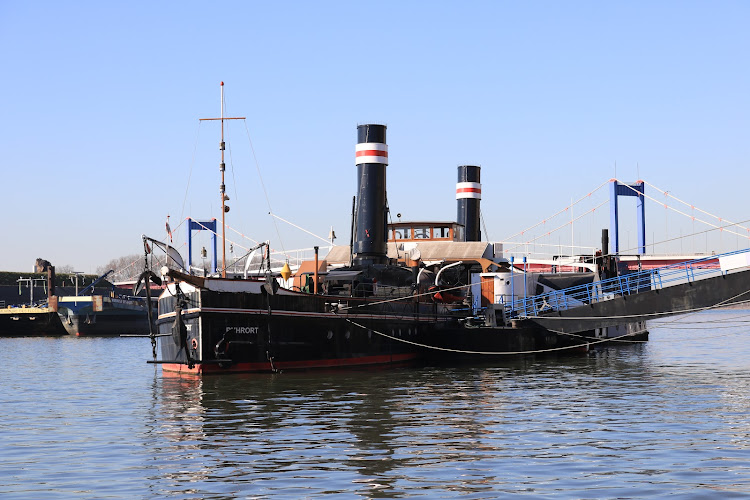
Museumsschiff Oscar Huber
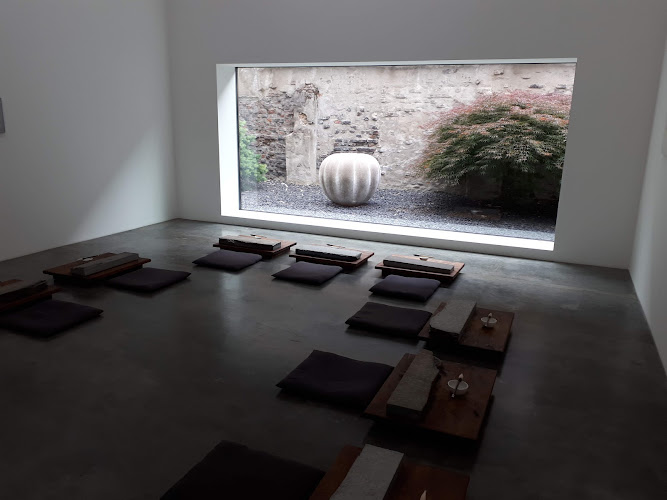
Museum DKM
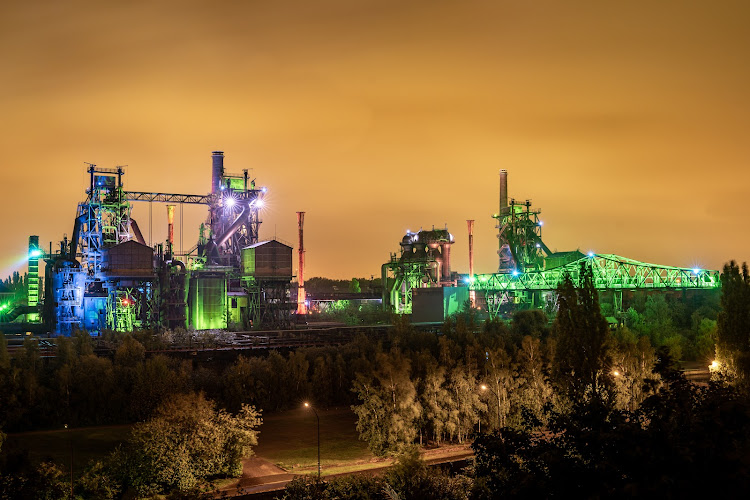
Landschaftspark Duisburg-Nord
Find Accommodations Nearby
Recommended Tours & Activities
Visitor Reviews
There are no reviews yet. Be the first one to write one.
Share Your Experience
Have you visited German Inland Waterways Museum? Help other travelers by leaving a review.