
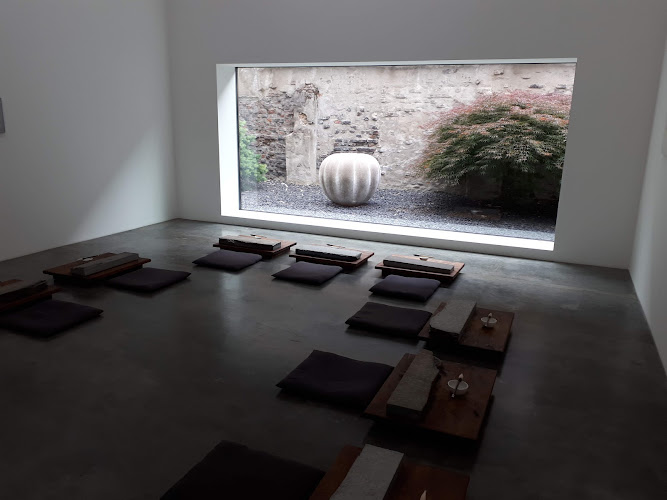
Museum DKM
About Museum DKM
Description
Museum DKM represents one of those wonderfully unexpected discoveries that makes art travel so rewarding. I've visited countless museums across Europe, and there's something genuinely different about this place that doesn't fit the typical mold of what people expect from a modern art institution. The museum houses an impressive collection that spans from ancient artifacts to contemporary works, creating these fascinating dialogues between pieces separated by thousands of years. What struck me most during my visit was how the museum manages to feel both intimate and grand at the same time. The building itself becomes part of the artistic experience, with carefully curated spaces that allow the artwork to breathe. You're not dealing with the overwhelming scale of major metropolitan museums here, which honestly can be refreshing when you want to actually absorb what you're seeing rather than just checking boxes on a tourist itinerary. The collection focuses heavily on modern and contemporary art, but the founders clearly had a vision that went beyond simply accumulating pieces from a single era. Ancient Egyptian sculptures might share space with cutting-edge installations, and somehow it works. This approach challenges visitors to think about art across time periods and cultural boundaries in ways that feel organic rather than forced. Accessibility is taken seriously here, with wheelchair-accessible entrances and restrooms making the museum welcoming to all visitors. The building accommodates different mobility needs quite well, though parking directly at the venue might require some advance planning.Key Features
The Museum DKM offers several distinctive elements that set it apart from other art destinations: • An eclectic permanent collection that bridges ancient and contemporary art, creating unexpected connections across millennia • Thoughtfully designed exhibition spaces that emphasize natural light and architectural harmony with the displayed works • Regular rotating exhibitions featuring both established and emerging contemporary artists • Ancient Egyptian artifacts and Asian art pieces that complement the modern collection in surprising ways • Wheelchair accessible facilities including entrance and restrooms for visitors with mobility requirements • A contemplative atmosphere that encourages slow, meaningful engagement with the artwork rather than rushed viewing • Smaller crowds compared to major museums, allowing for more personal interaction with the pieces • Works from significant 20th and 21st century artists displayed in intimate gallery settings • Sculpture gardens and outdoor installations that extend the museum experience beyond interior walls • Educational programming that explores the connections between historical and contemporary artistic practicesBest Time to Visit
Timing your visit to Museum DKM can really impact your experience, and I've learned through trial and error that certain periods work better than others. Weekday mornings, particularly Tuesday through Thursday, tend to offer the most peaceful viewing conditions. You'll find yourself sharing gallery space with just a handful of other visitors, which lets you sit with pieces as long as you want without feeling rushed. Weekend afternoons can get busier, especially when there's a special exhibition opening or during school holiday periods. But honestly, even "busy" at Museum DKM doesn't compare to the overwhelming crowds you'd encounter at larger institutions. Still, if you're someone who really values quiet contemplation with art, those weekday slots are your sweet spot. The museum typically operates on standard hours, though I'd strongly recommend checking their schedule before planning your trip since special events or installations might affect access to certain areas. And here's something I wish I'd known on my first visit: getting tickets in advance is recommended. It's not always mandatory, but it can save you disappointment if you've traveled specifically to see the collection. Seasonally speaking, autumn and spring offer pleasant weather for enjoying any outdoor installations or sculpture elements. Summer can bring more tourist traffic to the area generally, while winter months might mean you have the galleries almost entirely to yourself – there's something magical about experiencing art in that kind of solitude.How to Get There
Getting to Museum DKM requires a bit of planning, but it's definitely manageable whether you're traveling by public transit or car. The location is accessible through Germany's efficient public transportation network, and most visitors find the journey straightforward once they've mapped it out. If you're coming by train, you'll want to plan your route to the nearest station and then arrange the final leg of your journey. Regional rail connections work well for this, and the German rail system makes it relatively easy to coordinate connections. From major cities in the region, you're looking at reasonable travel times that make this a doable day trip. Driving offers more flexibility, especially if you're visiting other destinations in the area. Parking near the museum can be found in the surrounding area, though as I mentioned earlier, there isn't a dedicated wheelchair-accessible parking lot directly at the venue. You might need to walk a short distance from where you park, so factor that into your planning if mobility is a concern. For international travelers, flying into one of the major regional airports and then using ground transportation to reach the museum works quite well. Car rentals give you independence to explore, while trains offer a more relaxed, scenic approach to the journey.Tips for Visiting
Having spent considerable time exploring art museums, I've picked up some insights that can make your Museum DKM experience more rewarding. First thing – purchase your tickets ahead of time. Seriously, just do it. The museum recommends advance booking, and showing up without tickets might mean you're turned away or have to wait longer than you'd like. Give yourself more time than you think you'll need. This isn't the kind of museum you want to rush through in an hour. The collection deserves at least two to three hours of your attention, and honestly, you could easily spend half a day here if particular pieces capture your interest. I've made the mistake of scheduling museum visits too tightly, and it always feels disappointing when you have to leave before you're ready. The museum doesn't have an on-site restaurant, so plan your meals accordingly. You might want to eat before arriving or bring some snacks to keep your energy up during your visit. There are restroom facilities available, which is good to know for longer visits. Wear comfortable shoes. I know this sounds obvious, but gallery floors can be surprisingly tiring, and you'll want to move between spaces without your feet complaining. The architecture encourages wandering and discovering connections between different areas of the collection. Photography policies vary by exhibition, so check current rules when you arrive. Some contemporary artists don't permit photos of their work, while other areas might be more flexible. Don't feel obligated to see everything if certain pieces or periods don't resonate with you. One of the joys of a collection this diverse is that you can follow your interests. Spend twenty minutes with a single sculpture if it speaks to you, or move quickly past sections that don't capture your attention. If you're traveling with accessibility needs, contact the museum in advance to discuss specific requirements. While the entrance and restrooms are wheelchair accessible, getting detailed information about your particular situation can help ensure a smooth visit. Consider visiting during a temporary exhibition opening if your schedule allows. These events often bring fresh perspectives to the permanent collection and create opportunities to see new work. And finally, approach the museum with openness to unexpected combinations. The juxtaposition of ancient and contemporary art might seem strange at first, but give it time. That's where Museum DKM really shines – in those moments when a 2,000-year-old artifact suddenly illuminates something about a piece created last year.Key Features
- Key Features
- Best Time to Visit
- How to Get There
- Tips for Visiting
More Details
Updated March 30, 2026
Table of Contents
Description
Museum DKM represents one of those wonderfully unexpected discoveries that makes art travel so rewarding. I’ve visited countless museums across Europe, and there’s something genuinely different about this place that doesn’t fit the typical mold of what people expect from a modern art institution. The museum houses an impressive collection that spans from ancient artifacts to contemporary works, creating these fascinating dialogues between pieces separated by thousands of years.
What struck me most during my visit was how the museum manages to feel both intimate and grand at the same time. The building itself becomes part of the artistic experience, with carefully curated spaces that allow the artwork to breathe. You’re not dealing with the overwhelming scale of major metropolitan museums here, which honestly can be refreshing when you want to actually absorb what you’re seeing rather than just checking boxes on a tourist itinerary.
The collection focuses heavily on modern and contemporary art, but the founders clearly had a vision that went beyond simply accumulating pieces from a single era. Ancient Egyptian sculptures might share space with cutting-edge installations, and somehow it works. This approach challenges visitors to think about art across time periods and cultural boundaries in ways that feel organic rather than forced.
Accessibility is taken seriously here, with wheelchair-accessible entrances and restrooms making the museum welcoming to all visitors. The building accommodates different mobility needs quite well, though parking directly at the venue might require some advance planning.
Key Features
The Museum DKM offers several distinctive elements that set it apart from other art destinations:
• An eclectic permanent collection that bridges ancient and contemporary art, creating unexpected connections across millennia
• Thoughtfully designed exhibition spaces that emphasize natural light and architectural harmony with the displayed works
• Regular rotating exhibitions featuring both established and emerging contemporary artists
• Ancient Egyptian artifacts and Asian art pieces that complement the modern collection in surprising ways
• Wheelchair accessible facilities including entrance and restrooms for visitors with mobility requirements
• A contemplative atmosphere that encourages slow, meaningful engagement with the artwork rather than rushed viewing
• Smaller crowds compared to major museums, allowing for more personal interaction with the pieces
• Works from significant 20th and 21st century artists displayed in intimate gallery settings
• Sculpture gardens and outdoor installations that extend the museum experience beyond interior walls
• Educational programming that explores the connections between historical and contemporary artistic practices
Best Time to Visit
Timing your visit to Museum DKM can really impact your experience, and I’ve learned through trial and error that certain periods work better than others. Weekday mornings, particularly Tuesday through Thursday, tend to offer the most peaceful viewing conditions. You’ll find yourself sharing gallery space with just a handful of other visitors, which lets you sit with pieces as long as you want without feeling rushed.
Weekend afternoons can get busier, especially when there’s a special exhibition opening or during school holiday periods. But honestly, even “busy” at Museum DKM doesn’t compare to the overwhelming crowds you’d encounter at larger institutions. Still, if you’re someone who really values quiet contemplation with art, those weekday slots are your sweet spot.
The museum typically operates on standard hours, though I’d strongly recommend checking their schedule before planning your trip since special events or installations might affect access to certain areas. And here’s something I wish I’d known on my first visit: getting tickets in advance is recommended. It’s not always mandatory, but it can save you disappointment if you’ve traveled specifically to see the collection.
Seasonally speaking, autumn and spring offer pleasant weather for enjoying any outdoor installations or sculpture elements. Summer can bring more tourist traffic to the area generally, while winter months might mean you have the galleries almost entirely to yourself – there’s something magical about experiencing art in that kind of solitude.
How to Get There
Getting to Museum DKM requires a bit of planning, but it’s definitely manageable whether you’re traveling by public transit or car. The location is accessible through Germany’s efficient public transportation network, and most visitors find the journey straightforward once they’ve mapped it out.
If you’re coming by train, you’ll want to plan your route to the nearest station and then arrange the final leg of your journey. Regional rail connections work well for this, and the German rail system makes it relatively easy to coordinate connections. From major cities in the region, you’re looking at reasonable travel times that make this a doable day trip.
Driving offers more flexibility, especially if you’re visiting other destinations in the area. Parking near the museum can be found in the surrounding area, though as I mentioned earlier, there isn’t a dedicated wheelchair-accessible parking lot directly at the venue. You might need to walk a short distance from where you park, so factor that into your planning if mobility is a concern.
For international travelers, flying into one of the major regional airports and then using ground transportation to reach the museum works quite well. Car rentals give you independence to explore, while trains offer a more relaxed, scenic approach to the journey.
Tips for Visiting
Having spent considerable time exploring art museums, I’ve picked up some insights that can make your Museum DKM experience more rewarding. First thing – purchase your tickets ahead of time. Seriously, just do it. The museum recommends advance booking, and showing up without tickets might mean you’re turned away or have to wait longer than you’d like.
Give yourself more time than you think you’ll need. This isn’t the kind of museum you want to rush through in an hour. The collection deserves at least two to three hours of your attention, and honestly, you could easily spend half a day here if particular pieces capture your interest. I’ve made the mistake of scheduling museum visits too tightly, and it always feels disappointing when you have to leave before you’re ready.
The museum doesn’t have an on-site restaurant, so plan your meals accordingly. You might want to eat before arriving or bring some snacks to keep your energy up during your visit. There are restroom facilities available, which is good to know for longer visits.
Wear comfortable shoes. I know this sounds obvious, but gallery floors can be surprisingly tiring, and you’ll want to move between spaces without your feet complaining. The architecture encourages wandering and discovering connections between different areas of the collection.
Photography policies vary by exhibition, so check current rules when you arrive. Some contemporary artists don’t permit photos of their work, while other areas might be more flexible.
Don’t feel obligated to see everything if certain pieces or periods don’t resonate with you. One of the joys of a collection this diverse is that you can follow your interests. Spend twenty minutes with a single sculpture if it speaks to you, or move quickly past sections that don’t capture your attention.
If you’re traveling with accessibility needs, contact the museum in advance to discuss specific requirements. While the entrance and restrooms are wheelchair accessible, getting detailed information about your particular situation can help ensure a smooth visit.
Consider visiting during a temporary exhibition opening if your schedule allows. These events often bring fresh perspectives to the permanent collection and create opportunities to see new work.
And finally, approach the museum with openness to unexpected combinations. The juxtaposition of ancient and contemporary art might seem strange at first, but give it time. That’s where Museum DKM really shines – in those moments when a 2,000-year-old artifact suddenly illuminates something about a piece created last year.
Key Highlights
- Key Features
- Best Time to Visit
- How to Get There
- Tips for Visiting
Location
Places to Stay Near Museum DKM
Find and Book a Tour
Explore More Travel Guides
No reviews found! Be the first to review!
Museum DKM is a prominent museums located in Duisburg.
Visit us at: Güntherstraße 13-15, 47051 Duisburg, Germany.
Traveler Reviews for Museum DKM
There are no reviews yet. Be the first one to write one.
Have you visited Museum DKM? Help other travelers by sharing your review.
You Might Also Like
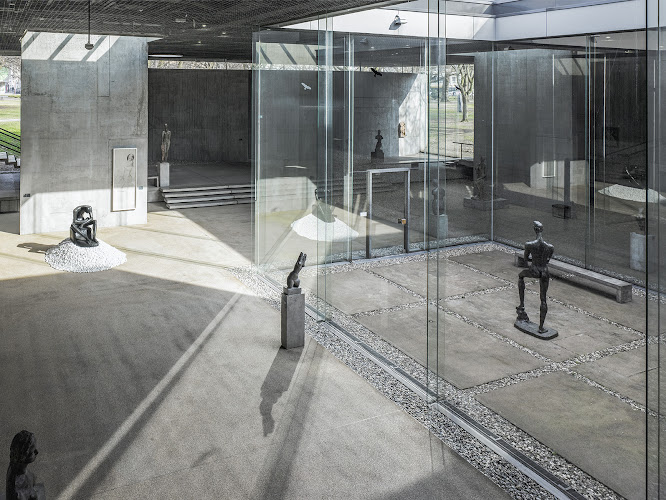
Lehmbruck Museum
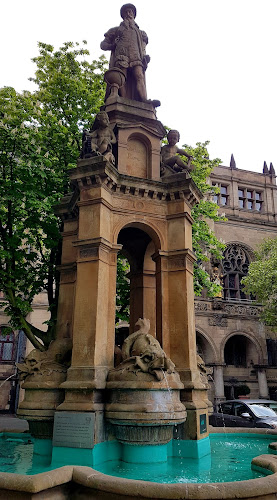
Mercatorbrunnen
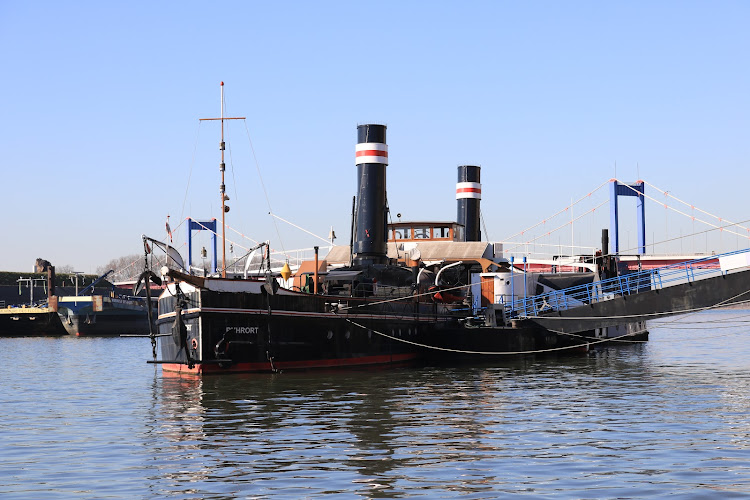
Museumsschiff Oscar Huber
Find Accommodations Nearby
Recommended Tours & Activities
Visitor Reviews
There are no reviews yet. Be the first one to write one.
Share Your Experience
Have you visited Museum DKM? Help other travelers by leaving a review.