
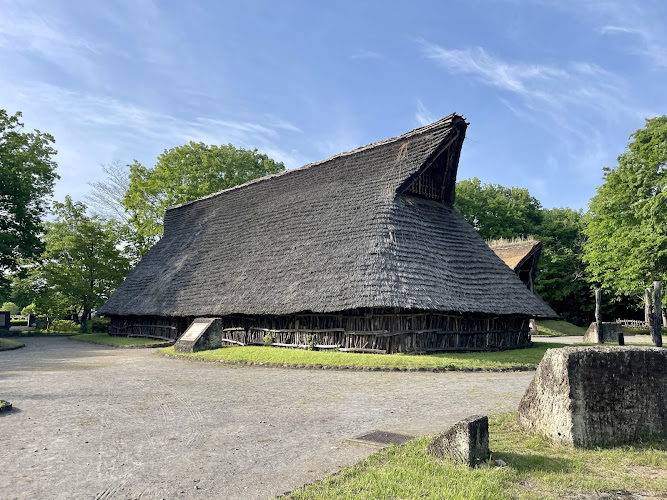
Utsunomiya ruins of Square museum
About Utsunomiya ruins of Square museum
Description
The Utsunomiya ruins of Square museum sits at a fascinating intersection of ancient history and modern preservation, offering travelers a genuine glimpse into Japan's archaeological heritage. This isn't one of those massive, overwhelming museums where you need a full day and comfortable shoes – though you'll want those shoes anyway. The museum presents archaeological findings from the Utsunomiya area in a thoughtful, manageable space that respects both the artifacts and your time. When I first heard about this place, I'll be honest, I wasn't entirely sure what to expect from a museum focused on archaeological ruins in Utsunomiya. The city itself doesn't always get the spotlight compared to Tokyo or Kyoto, which actually works in your favor here. What you'll discover is a carefully curated collection that tells the story of human settlement in this region, spanning multiple historical periods. The exhibits showcase pottery fragments, tools, and structural remnants that paint a picture of daily life centuries ago. The museum does a commendable job making archaeology accessible without dumbing it down. You won't find yourself drowning in academic jargon, but you also won't feel like you're being talked down to. It's that sweet spot where education meets engagement. The facilities are well-maintained, and the museum clearly takes pride in presenting local history with dignity and attention to detail. Families will appreciate the kid-friendly approach – children can actually learn something here without getting restless after fifteen minutes. And if you're traveling with someone who uses a wheelchair, you'll find the accessibility features genuinely functional, not just there to check a box. The wheelchair-accessible restroom is available, which matters more than many travelers realize when planning their day.Key Features
The Utsunomiya ruins of Square museum distinguishes itself through several noteworthy elements that make it worth adding to your itinerary:- Archaeological artifacts from multiple historical periods displaying the evolution of human settlement in the Utsunomiya region
- Excavated pottery and tools that provide tangible connections to everyday life in ancient Japan
- Structural remnants and foundations from historical dwellings that help visitors understand traditional construction methods
- Educational displays that balance scholarly information with accessible presentation styles
- Full wheelchair accessibility including properly equipped restroom facilities
- Kid-friendly exhibits designed to engage younger visitors without oversimplifying the content
- Compact layout that allows for a complete visit without the exhaustion of larger institutions
- Local historical context that you won't find in the more tourist-heavy destinations
- Well-preserved artifacts that showcase the care and expertise of the museum's curatorial team
- Interactive elements that bring archaeological concepts to life for visitors of all ages
- Clean, well-maintained facilities that reflect professional museum standards
Best Time to Visit
Timing your visit to the Utsunomiya ruins of Square museum can significantly impact your experience. Weekday mornings tend to be quietest, which I personally think is the ideal time for museum visits. You get more space to contemplate the exhibits, take your time reading descriptions, and actually absorb what you're seeing rather than jostling with crowds. The museum sees increased foot traffic on weekends and during school holidays, though it rarely reaches the overwhelming crush you'd experience at major metropolitan museums. If you're visiting during cherry blossom season in spring or the autumn foliage period, expect slightly higher visitor numbers as tourists explore the broader Utsunomiya area. Weather doesn't impact your visit much since this is an indoor attraction, which makes it an excellent rainy day activity. Actually, I'd argue that gloomy weather enhances the contemplative atmosphere of examining ancient artifacts. Summer can get warm and humid in Utsunomiya, so the air-conditioned museum environment becomes particularly appealing during July and August. Winter visits have their own charm – fewer tourists overall in the region, and there's something about examining remnants of ancient daily life while it's cold outside that creates an interesting temporal connection. People dealt with winter centuries ago too, using some of the very tools and pottery you're looking at. Opening hours typically follow standard Japanese museum schedules, but it's worth checking current operating times before you go. The museum occasionally closes for special maintenance or exhibit changes, and you don't want to show up to locked doors.How to Get There
Getting to the Utsunomiya ruins of Square museum requires a bit of navigation, but that's part of experiencing real Japan rather than just the tourist-corridor version. If you're coming from Tokyo, you'll first need to reach Utsunomiya city itself, which is accessible via the JR Tohoku Shinkansen or regular train services. The shinkansen takes about fifty minutes, while local trains need roughly two hours but cost considerably less. Once you're in Utsunomiya, local buses serve the area near the museum. The bus system in Utsunomiya is fairly reliable, though route information isn't always available in English. Having a translation app ready helps. Taxi services work well if you're not confident navigating the bus routes, and drivers generally understand if you show them the museum name written in Japanese characters. For travelers with rental cars, parking is available, though space can be limited during busier periods. GPS navigation works well in this area, but make sure you have the correct address programmed before you leave your accommodation. Driving in Utsunomiya is considerably less stressful than Tokyo or Osaka, but Japanese traffic rules differ from many Western countries, so be prepared. Walking from Utsunomiya Station is technically possible but takes around forty minutes depending on your pace and exact route. It's a decent option if you enjoy urban walking and want to see more of the city's everyday neighborhoods. But honestly? After walking around the museum, you might want to conserve your energy.Tips for Visiting
Bring your own water bottle – the museum has restrooms but no restaurant or cafe facilities. There's nowhere to grab a quick coffee or snack once you're inside. Plan accordingly, especially if you're visiting with children who need regular snacks to maintain their museum-appropriate behavior. Photography policies vary by exhibit area, so watch for signage. Some sections allow photos without flash, while others prohibit photography entirely to protect sensitive artifacts. When in doubt, ask staff members who are usually helpful even if there's a language barrier. The museum doesn't require a massive time investment – most visitors spend between sixty to ninety minutes exploring the full collection. This makes it perfect for combining with other Utsunomiya attractions on the same day. You're not committing your entire afternoon here, which honestly suits the scale and focus of the collection. Don't skip the informational placards even if they seem dense at first glance. The context they provide transforms random old pottery into meaningful historical evidence. And yeah, some translations might be a bit awkward – that's just part of visiting regional museums in Japan – but the information itself is solid. If you're traveling with kids, consider preparing them with a simple explanation of archaeology before you visit. When children understand they're looking at detective work about the past rather than just old stuff, their engagement increases dramatically. Maybe frame it as a mystery about how people lived long ago. Wheelchair users will find the accessibility features actually work as intended, but if you have specific mobility needs, consider calling ahead to confirm current facility status. Maintenance happens, and what was accessible last month might temporarily be affected. Visit the restroom before you start exploring the exhibits. This seems obvious, but the compact layout means you'll want to move through the collection without interruptions. Plus, the facilities are clean and well-maintained, so take advantage while you can. Leave yourself some flexibility in your schedule. The museum might inspire you to spend more time than anticipated, or you might move through more quickly than expected. Either way, a rigid timetable creates unnecessary stress. Admission fees are reasonable – this isn't a budget-busting attraction – but having cash on hand is wise. Some museums in smaller Japanese cities haven't fully transitioned to comprehensive card payment systems, though this is gradually changing. Consider visiting as part of a broader exploration of Utsunomiya's cultural attractions. The city has more to offer than just gyoza, though you should definitely try those too. The archaeological museum provides historical context that enriches your understanding of the entire region.Key Features
- Archaeological artifacts from multiple historical periods displaying the evolution of human settlement in the Utsunomiya region
- Excavated pottery and tools that provide tangible connections to everyday life in ancient Japan
- Structural remnants and foundations from historical dwellings that help visitors understand traditional construction methods
- Educational displays that balance scholarly information with accessible presentation styles
- Full wheelchair accessibility including properly equipped restroom facilities
- Kid-friendly exhibits designed to engage younger visitors without oversimplifying the content
- Compact layout that allows for a complete visit without the exhaustion of larger institutions
- Local historical context that you won't find in the more tourist-heavy destinations
More Details
Updated March 30, 2026
Table of Contents
Description
The Utsunomiya ruins of Square museum sits at a fascinating intersection of ancient history and modern preservation, offering travelers a genuine glimpse into Japan’s archaeological heritage. This isn’t one of those massive, overwhelming museums where you need a full day and comfortable shoes – though you’ll want those shoes anyway. The museum presents archaeological findings from the Utsunomiya area in a thoughtful, manageable space that respects both the artifacts and your time.
When I first heard about this place, I’ll be honest, I wasn’t entirely sure what to expect from a museum focused on archaeological ruins in Utsunomiya. The city itself doesn’t always get the spotlight compared to Tokyo or Kyoto, which actually works in your favor here. What you’ll discover is a carefully curated collection that tells the story of human settlement in this region, spanning multiple historical periods. The exhibits showcase pottery fragments, tools, and structural remnants that paint a picture of daily life centuries ago.
The museum does a commendable job making archaeology accessible without dumbing it down. You won’t find yourself drowning in academic jargon, but you also won’t feel like you’re being talked down to. It’s that sweet spot where education meets engagement. The facilities are well-maintained, and the museum clearly takes pride in presenting local history with dignity and attention to detail.
Families will appreciate the kid-friendly approach – children can actually learn something here without getting restless after fifteen minutes. And if you’re traveling with someone who uses a wheelchair, you’ll find the accessibility features genuinely functional, not just there to check a box. The wheelchair-accessible restroom is available, which matters more than many travelers realize when planning their day.
Key Features
The Utsunomiya ruins of Square museum distinguishes itself through several noteworthy elements that make it worth adding to your itinerary:
- Archaeological artifacts from multiple historical periods displaying the evolution of human settlement in the Utsunomiya region
- Excavated pottery and tools that provide tangible connections to everyday life in ancient Japan
- Structural remnants and foundations from historical dwellings that help visitors understand traditional construction methods
- Educational displays that balance scholarly information with accessible presentation styles
- Full wheelchair accessibility including properly equipped restroom facilities
- Kid-friendly exhibits designed to engage younger visitors without oversimplifying the content
- Compact layout that allows for a complete visit without the exhaustion of larger institutions
- Local historical context that you won’t find in the more tourist-heavy destinations
- Well-preserved artifacts that showcase the care and expertise of the museum’s curatorial team
- Interactive elements that bring archaeological concepts to life for visitors of all ages
- Clean, well-maintained facilities that reflect professional museum standards
Best Time to Visit
Timing your visit to the Utsunomiya ruins of Square museum can significantly impact your experience. Weekday mornings tend to be quietest, which I personally think is the ideal time for museum visits. You get more space to contemplate the exhibits, take your time reading descriptions, and actually absorb what you’re seeing rather than jostling with crowds.
The museum sees increased foot traffic on weekends and during school holidays, though it rarely reaches the overwhelming crush you’d experience at major metropolitan museums. If you’re visiting during cherry blossom season in spring or the autumn foliage period, expect slightly higher visitor numbers as tourists explore the broader Utsunomiya area.
Weather doesn’t impact your visit much since this is an indoor attraction, which makes it an excellent rainy day activity. Actually, I’d argue that gloomy weather enhances the contemplative atmosphere of examining ancient artifacts. Summer can get warm and humid in Utsunomiya, so the air-conditioned museum environment becomes particularly appealing during July and August.
Winter visits have their own charm – fewer tourists overall in the region, and there’s something about examining remnants of ancient daily life while it’s cold outside that creates an interesting temporal connection. People dealt with winter centuries ago too, using some of the very tools and pottery you’re looking at.
Opening hours typically follow standard Japanese museum schedules, but it’s worth checking current operating times before you go. The museum occasionally closes for special maintenance or exhibit changes, and you don’t want to show up to locked doors.
How to Get There
Getting to the Utsunomiya ruins of Square museum requires a bit of navigation, but that’s part of experiencing real Japan rather than just the tourist-corridor version. If you’re coming from Tokyo, you’ll first need to reach Utsunomiya city itself, which is accessible via the JR Tohoku Shinkansen or regular train services. The shinkansen takes about fifty minutes, while local trains need roughly two hours but cost considerably less.
Once you’re in Utsunomiya, local buses serve the area near the museum. The bus system in Utsunomiya is fairly reliable, though route information isn’t always available in English. Having a translation app ready helps. Taxi services work well if you’re not confident navigating the bus routes, and drivers generally understand if you show them the museum name written in Japanese characters.
For travelers with rental cars, parking is available, though space can be limited during busier periods. GPS navigation works well in this area, but make sure you have the correct address programmed before you leave your accommodation. Driving in Utsunomiya is considerably less stressful than Tokyo or Osaka, but Japanese traffic rules differ from many Western countries, so be prepared.
Walking from Utsunomiya Station is technically possible but takes around forty minutes depending on your pace and exact route. It’s a decent option if you enjoy urban walking and want to see more of the city’s everyday neighborhoods. But honestly? After walking around the museum, you might want to conserve your energy.
Tips for Visiting
Bring your own water bottle – the museum has restrooms but no restaurant or cafe facilities. There’s nowhere to grab a quick coffee or snack once you’re inside. Plan accordingly, especially if you’re visiting with children who need regular snacks to maintain their museum-appropriate behavior.
Photography policies vary by exhibit area, so watch for signage. Some sections allow photos without flash, while others prohibit photography entirely to protect sensitive artifacts. When in doubt, ask staff members who are usually helpful even if there’s a language barrier.
The museum doesn’t require a massive time investment – most visitors spend between sixty to ninety minutes exploring the full collection. This makes it perfect for combining with other Utsunomiya attractions on the same day. You’re not committing your entire afternoon here, which honestly suits the scale and focus of the collection.
Don’t skip the informational placards even if they seem dense at first glance. The context they provide transforms random old pottery into meaningful historical evidence. And yeah, some translations might be a bit awkward – that’s just part of visiting regional museums in Japan – but the information itself is solid.
If you’re traveling with kids, consider preparing them with a simple explanation of archaeology before you visit. When children understand they’re looking at detective work about the past rather than just old stuff, their engagement increases dramatically. Maybe frame it as a mystery about how people lived long ago.
Wheelchair users will find the accessibility features actually work as intended, but if you have specific mobility needs, consider calling ahead to confirm current facility status. Maintenance happens, and what was accessible last month might temporarily be affected.
Visit the restroom before you start exploring the exhibits. This seems obvious, but the compact layout means you’ll want to move through the collection without interruptions. Plus, the facilities are clean and well-maintained, so take advantage while you can.
Leave yourself some flexibility in your schedule. The museum might inspire you to spend more time than anticipated, or you might move through more quickly than expected. Either way, a rigid timetable creates unnecessary stress.
Admission fees are reasonable – this isn’t a budget-busting attraction – but having cash on hand is wise. Some museums in smaller Japanese cities haven’t fully transitioned to comprehensive card payment systems, though this is gradually changing.
Consider visiting as part of a broader exploration of Utsunomiya’s cultural attractions. The city has more to offer than just gyoza, though you should definitely try those too. The archaeological museum provides historical context that enriches your understanding of the entire region.
Key Highlights
- Archaeological artifacts from multiple historical periods displaying the evolution of human settlement in the Utsunomiya region
- Excavated pottery and tools that provide tangible connections to everyday life in ancient Japan
- Structural remnants and foundations from historical dwellings that help visitors understand traditional construction methods
- Educational displays that balance scholarly information with accessible presentation styles
- Full wheelchair accessibility including properly equipped restroom facilities
- Kid-friendly exhibits designed to engage younger visitors without oversimplifying the content
- Compact layout that allows for a complete visit without the exhaustion of larger institutions
- Local historical context that you won't find in the more tourist-heavy destinations
Location
Places to Stay Near Utsunomiya ruins of Square museum
Find and Book a Tour
Explore More Travel Guides
No reviews found! Be the first to review!
Utsunomiya ruins of Square museum is a prominent museums located in Utsunomiya.
Visit us at: Giappone, 〒320-0855 Tochigi, Utsunomiya, Kamikakemachi, 151-1 うつのみや遺跡の広場.
Traveler Reviews for Utsunomiya ruins of Square museum
There are no reviews yet. Be the first one to write one.
Have you visited Utsunomiya ruins of Square museum? Help other travelers by sharing your review.
You Might Also Like
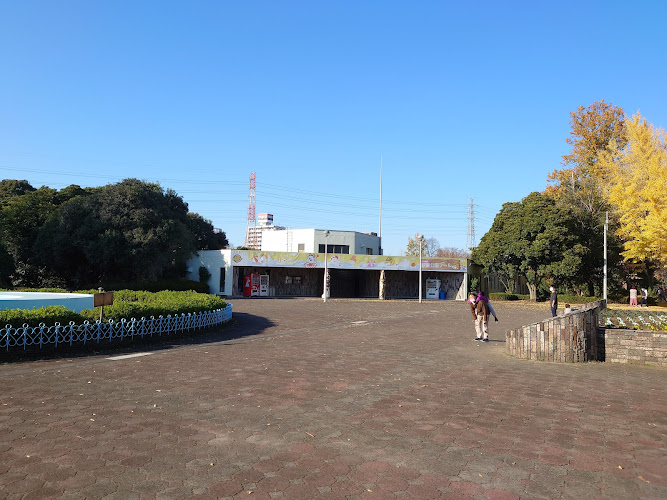
Station East Park
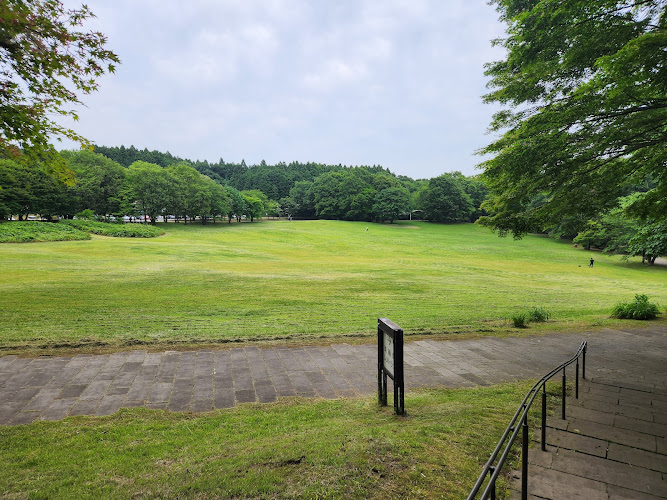
Utsunomiya Cultural Forest
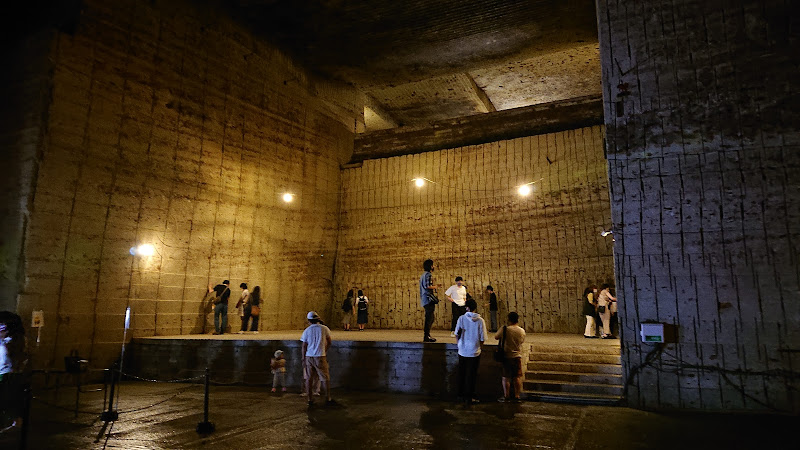
Oya History Museum - Historic Quarry Mine
Find Accommodations Nearby
Recommended Tours & Activities
Visitor Reviews
There are no reviews yet. Be the first one to write one.
Share Your Experience
Have you visited Utsunomiya ruins of Square museum? Help other travelers by leaving a review.