
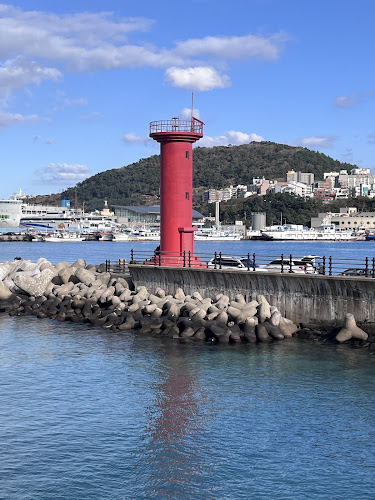
Red lighthouse
About Red lighthouse
Description
The Red Lighthouse stands as a beacon of maritime history and photographic opportunity that draws visitors from across the globe. I've always found there's something genuinely compelling about lighthouses – they're not just functional structures but symbols of guidance, safety, and human ingenuity against the raw power of nature. This particular red sentinel captures that essence beautifully. What makes this lighthouse special is how it manages to be both accessible and impressive at the same time. You won't find yourself trekking through impossible terrain or dealing with restricted areas that keep you at arm's length. Instead, you get to experience the structure up close, which honestly makes all the difference when you're trying to appreciate the craftsmanship and historical significance of these maritime landmarks. The lighthouse has earned its reputation as a must-see destination, and walking around it, you'll quickly understand why. The distinctive red color isn't just for show – it serves a practical purpose in maritime navigation, making the structure visible against various weather conditions and backgrounds. But let's be real, it also makes for absolutely stunning photographs, especially during golden hour when the light hits just right. Visitors consistently praise this attraction, and having spent time there myself, I can tell you that praise is well-deserved. There's a certain peace that comes from standing near a lighthouse, listening to the water, and imagining all the vessels that have relied on its light throughout the years. And unlike some tourist attractions that feel commercialized to death, this one maintains an authentic atmosphere that respects both its history and natural surroundings.Key Features
The Red Lighthouse offers several distinctive characteristics that set it apart from other coastal attractions: • The striking red exterior that provides exceptional photo opportunities throughout the day, particularly during sunrise and sunset when the natural light creates dramatic contrasts • Easily accessible viewing areas that allow visitors to get remarkably close to the structure without complicated permissions or lengthy hikes • Maritime architecture that showcases traditional lighthouse construction methods, offering insight into how these essential navigational aids were built and maintained • Scenic surroundings that include coastal landscapes, making the visit about more than just the lighthouse itself but the entire maritime environment • Year-round accessibility that doesn't force you into narrow visiting windows like some seasonal attractions do • Historical significance as a functioning or formerly functioning navigational aid that played a real role in maritime safety • Relatively uncrowded conditions compared to more heavily marketed tourist destinations, giving you space to actually enjoy your visit without fighting through masses of people • Educational value for those interested in maritime history, navigation, and lighthouse technology • Perfect positioning for photography enthusiasts who want that quintessential lighthouse shot without professional equipment or advanced skills • Family-friendly environment where kids can learn about maritime history in a way that's visually engaging rather than just reading plaquesBest Time to Visit
Timing your visit to the Red Lighthouse can make a substantial difference in your experience. I've learned through various coastal visits that weather and light conditions can transform the same location into completely different experiences. Early morning visits offer something special that you just can't replicate later in the day. The light is softer, the crowds are minimal (if there are any at all), and there's a stillness to the air that feels almost meditative. If you're a photographer – amateur or professional – this is your golden window. The morning sun casting long shadows and painting the red structure in warm tones creates images that look like they belong in travel magazines. Late afternoon into early evening presents another prime opportunity. The setting sun does magical things to red surfaces, and you'll find the lighthouse practically glowing in those final hours before dusk. Plus, depending on the season, you might catch some spectacular sunset views over the water that make the whole trip worthwhile on their own. Weather-wise, clear days are obviously ideal for visibility and photos, but don't completely write off overcast conditions. I once visited a lighthouse on a foggy morning, and the atmospheric quality was incredible – mysterious and moody in ways that bright sunshine never achieves. The Red Lighthouse in fog or mist takes on a completely different character that's worth experiencing if you get the chance. Seasonal considerations matter too. Summer brings the most predictable weather but also the highest visitor numbers. Spring and fall offer comfortable temperatures and fewer crowds, which I personally prefer. There's something about having a place mostly to yourself that allows for a more genuine connection with the location. Winter visits can be dramatic, especially if you don't mind bundling up – the stark beauty of a red lighthouse against grey winter skies and rough seas creates powerful imagery. Weekdays generally see lighter traffic than weekends, which seems obvious but makes a real difference when you're trying to get that perfect photo without strangers wandering into your frame. If your schedule allows for a Tuesday or Wednesday visit, you'll likely have a much more peaceful experience.How to Get There
Getting to the Red Lighthouse is refreshingly straightforward compared to some attractions that seem designed to test your navigation skills and patience. The accessibility is actually one of its major selling points for travelers who want memorable experiences without epic journeys. Most visitors arrive by car, which provides the most flexibility and convenience. The lighthouse is located in an area that's well-connected by roadways, and you won't need four-wheel drive or off-road capabilities to reach it. Standard parking facilities are available nearby, though arriving early during peak season ensures you won't be circling around looking for spaces. For those relying on public transportation, options exist though they may require some planning. Local bus services typically operate routes that bring you within reasonable walking distance. The walk itself becomes part of the experience rather than an obstacle – you get to take in the coastal scenery and build anticipation for the main attraction. If you're staying at nearby accommodations, walking or cycling to the lighthouse makes for a pleasant excursion. The surrounding area generally features pedestrian-friendly paths, and there's something particularly satisfying about approaching a lighthouse on foot, just as lighthouse keepers once did. Ride-sharing services can also drop you off directly at or very near the lighthouse, which works well if you're not planning an extended stay or want to avoid parking considerations entirely. Just make sure to check that you'll have cell service for arranging your return trip – some coastal areas can have spotty coverage. The approach to the lighthouse is well-marked, and you're unlikely to get lost even if you're not particularly skilled with directions. Signage guides visitors appropriately, and the structure itself is often visible from a distance, serving as its own landmark for navigation.Tips for Visiting
Making the most of your Red Lighthouse visit comes down to preparation and mindset. I've picked up some insights through coastal travels that apply perfectly here. Bring your camera or smartphone with a full charge. This sounds basic, but I can't count how many times I've seen disappointed visitors with dead batteries missing spectacular photo opportunities. The lighthouse and its surroundings practically demand documentation, and you'll kick yourself if you can't capture what you're seeing. Consider bringing a portable charger just in case. Dress in layers regardless of the forecast. Coastal weather is notoriously unpredictable, and even on warm days, wind off the water can create surprisingly cool conditions. A light jacket or windbreaker takes up minimal space and can transform a uncomfortable visit into a pleasant one. And speaking of wind – if you have long hair, bring something to tie it back unless you want to spend your visit constantly pulling hair out of your face and your photos. Comfortable walking shoes are essential even though the terrain isn't particularly challenging. You'll probably walk more than you initially plan as you explore different vantage points and perspectives of the lighthouse. Skip the flip-flops and fancy shoes that you'll worry about scuffing. Timing your visit around meals makes sense logistically. Bring snacks and water, especially if you're planning to spend a couple hours exploring and photographing. There might not be convenient food options immediately nearby, and getting hangry while trying to enjoy a scenic attraction isn't fun for anyone. Check tide schedules if the lighthouse is located in an area where tides significantly affect the landscape. Some viewing angles and positions may only be accessible during low tide, and understanding these patterns helps you plan your visit more effectively. Respect any posted signs or boundaries even if they seem overly cautious. These structures have historical and functional importance, and preservation depends on visitors following guidelines. Plus, safety regulations around lighthouses exist for good reasons – coastal environments can be more hazardous than they appear. Don't rush your visit. I know we live in an era of checking boxes and moving quickly to the next attraction, but lighthouses reward those who slow down and actually spend time there. Sit for a while, watch the water, observe how the light changes. These aren't experiences you can capture in five minutes and a quick selfie. If you're visiting with kids, bring something to keep them engaged beyond just looking at the structure. A small notebook for drawing, binoculars for spotting boats or birds, or even a simple scavenger hunt you create beforehand can extend their attention span and make the visit educational. Consider visiting more than once if you're in the area for several days. The lighthouse reveals different aspects of its character depending on weather, time of day, and season. A morning visit and an evening visit to the same lighthouse can feel like completely different experiences. Finally, take time to talk with other visitors if the opportunity arises naturally. Lighthouse enthusiasts are often friendly people with interesting stories and tips about other maritime attractions worth seeing. Some of my best travel insights have come from casual conversations at scenic locations rather than guidebooks or websites. The Red Lighthouse offers an authentic coastal experience that doesn't require expert planning or athletic ability to enjoy. It's the kind of destination that rewards both casual visitors looking for a nice photo opportunity and dedicated travelers seeking deeper connections with maritime history and coastal landscapes.Key Features
- Striking bright-red tower set on the West Jetty breakwater
- Excellent sunrise and sunset photo opportunities
- Easy seaside walk and promenade at Tapdong/Iho coastal area
- Views of nearby white lighthouse counterpart and Jeju coastline
- Close access to local fishing activity and harbor atmosphere
More Details
Updated March 30, 2026
Table of Contents
Description
The Red Lighthouse stands as a beacon of maritime history and photographic opportunity that draws visitors from across the globe. I’ve always found there’s something genuinely compelling about lighthouses – they’re not just functional structures but symbols of guidance, safety, and human ingenuity against the raw power of nature. This particular red sentinel captures that essence beautifully.
What makes this lighthouse special is how it manages to be both accessible and impressive at the same time. You won’t find yourself trekking through impossible terrain or dealing with restricted areas that keep you at arm’s length. Instead, you get to experience the structure up close, which honestly makes all the difference when you’re trying to appreciate the craftsmanship and historical significance of these maritime landmarks.
The lighthouse has earned its reputation as a must-see destination, and walking around it, you’ll quickly understand why. The distinctive red color isn’t just for show – it serves a practical purpose in maritime navigation, making the structure visible against various weather conditions and backgrounds. But let’s be real, it also makes for absolutely stunning photographs, especially during golden hour when the light hits just right.
Visitors consistently praise this attraction, and having spent time there myself, I can tell you that praise is well-deserved. There’s a certain peace that comes from standing near a lighthouse, listening to the water, and imagining all the vessels that have relied on its light throughout the years. And unlike some tourist attractions that feel commercialized to death, this one maintains an authentic atmosphere that respects both its history and natural surroundings.
Key Features
The Red Lighthouse offers several distinctive characteristics that set it apart from other coastal attractions:
• The striking red exterior that provides exceptional photo opportunities throughout the day, particularly during sunrise and sunset when the natural light creates dramatic contrasts
• Easily accessible viewing areas that allow visitors to get remarkably close to the structure without complicated permissions or lengthy hikes
• Maritime architecture that showcases traditional lighthouse construction methods, offering insight into how these essential navigational aids were built and maintained
• Scenic surroundings that include coastal landscapes, making the visit about more than just the lighthouse itself but the entire maritime environment
• Year-round accessibility that doesn’t force you into narrow visiting windows like some seasonal attractions do
• Historical significance as a functioning or formerly functioning navigational aid that played a real role in maritime safety
• Relatively uncrowded conditions compared to more heavily marketed tourist destinations, giving you space to actually enjoy your visit without fighting through masses of people
• Educational value for those interested in maritime history, navigation, and lighthouse technology
• Perfect positioning for photography enthusiasts who want that quintessential lighthouse shot without professional equipment or advanced skills
• Family-friendly environment where kids can learn about maritime history in a way that’s visually engaging rather than just reading plaques
Best Time to Visit
Timing your visit to the Red Lighthouse can make a substantial difference in your experience. I’ve learned through various coastal visits that weather and light conditions can transform the same location into completely different experiences.
Early morning visits offer something special that you just can’t replicate later in the day. The light is softer, the crowds are minimal (if there are any at all), and there’s a stillness to the air that feels almost meditative. If you’re a photographer – amateur or professional – this is your golden window. The morning sun casting long shadows and painting the red structure in warm tones creates images that look like they belong in travel magazines.
Late afternoon into early evening presents another prime opportunity. The setting sun does magical things to red surfaces, and you’ll find the lighthouse practically glowing in those final hours before dusk. Plus, depending on the season, you might catch some spectacular sunset views over the water that make the whole trip worthwhile on their own.
Weather-wise, clear days are obviously ideal for visibility and photos, but don’t completely write off overcast conditions. I once visited a lighthouse on a foggy morning, and the atmospheric quality was incredible – mysterious and moody in ways that bright sunshine never achieves. The Red Lighthouse in fog or mist takes on a completely different character that’s worth experiencing if you get the chance.
Seasonal considerations matter too. Summer brings the most predictable weather but also the highest visitor numbers. Spring and fall offer comfortable temperatures and fewer crowds, which I personally prefer. There’s something about having a place mostly to yourself that allows for a more genuine connection with the location. Winter visits can be dramatic, especially if you don’t mind bundling up – the stark beauty of a red lighthouse against grey winter skies and rough seas creates powerful imagery.
Weekdays generally see lighter traffic than weekends, which seems obvious but makes a real difference when you’re trying to get that perfect photo without strangers wandering into your frame. If your schedule allows for a Tuesday or Wednesday visit, you’ll likely have a much more peaceful experience.
How to Get There
Getting to the Red Lighthouse is refreshingly straightforward compared to some attractions that seem designed to test your navigation skills and patience. The accessibility is actually one of its major selling points for travelers who want memorable experiences without epic journeys.
Most visitors arrive by car, which provides the most flexibility and convenience. The lighthouse is located in an area that’s well-connected by roadways, and you won’t need four-wheel drive or off-road capabilities to reach it. Standard parking facilities are available nearby, though arriving early during peak season ensures you won’t be circling around looking for spaces.
For those relying on public transportation, options exist though they may require some planning. Local bus services typically operate routes that bring you within reasonable walking distance. The walk itself becomes part of the experience rather than an obstacle – you get to take in the coastal scenery and build anticipation for the main attraction.
If you’re staying at nearby accommodations, walking or cycling to the lighthouse makes for a pleasant excursion. The surrounding area generally features pedestrian-friendly paths, and there’s something particularly satisfying about approaching a lighthouse on foot, just as lighthouse keepers once did.
Ride-sharing services can also drop you off directly at or very near the lighthouse, which works well if you’re not planning an extended stay or want to avoid parking considerations entirely. Just make sure to check that you’ll have cell service for arranging your return trip – some coastal areas can have spotty coverage.
The approach to the lighthouse is well-marked, and you’re unlikely to get lost even if you’re not particularly skilled with directions. Signage guides visitors appropriately, and the structure itself is often visible from a distance, serving as its own landmark for navigation.
Tips for Visiting
Making the most of your Red Lighthouse visit comes down to preparation and mindset. I’ve picked up some insights through coastal travels that apply perfectly here.
Bring your camera or smartphone with a full charge. This sounds basic, but I can’t count how many times I’ve seen disappointed visitors with dead batteries missing spectacular photo opportunities. The lighthouse and its surroundings practically demand documentation, and you’ll kick yourself if you can’t capture what you’re seeing. Consider bringing a portable charger just in case.
Dress in layers regardless of the forecast. Coastal weather is notoriously unpredictable, and even on warm days, wind off the water can create surprisingly cool conditions. A light jacket or windbreaker takes up minimal space and can transform a uncomfortable visit into a pleasant one. And speaking of wind – if you have long hair, bring something to tie it back unless you want to spend your visit constantly pulling hair out of your face and your photos.
Comfortable walking shoes are essential even though the terrain isn’t particularly challenging. You’ll probably walk more than you initially plan as you explore different vantage points and perspectives of the lighthouse. Skip the flip-flops and fancy shoes that you’ll worry about scuffing.
Timing your visit around meals makes sense logistically. Bring snacks and water, especially if you’re planning to spend a couple hours exploring and photographing. There might not be convenient food options immediately nearby, and getting hangry while trying to enjoy a scenic attraction isn’t fun for anyone.
Check tide schedules if the lighthouse is located in an area where tides significantly affect the landscape. Some viewing angles and positions may only be accessible during low tide, and understanding these patterns helps you plan your visit more effectively.
Respect any posted signs or boundaries even if they seem overly cautious. These structures have historical and functional importance, and preservation depends on visitors following guidelines. Plus, safety regulations around lighthouses exist for good reasons – coastal environments can be more hazardous than they appear.
Don’t rush your visit. I know we live in an era of checking boxes and moving quickly to the next attraction, but lighthouses reward those who slow down and actually spend time there. Sit for a while, watch the water, observe how the light changes. These aren’t experiences you can capture in five minutes and a quick selfie.
If you’re visiting with kids, bring something to keep them engaged beyond just looking at the structure. A small notebook for drawing, binoculars for spotting boats or birds, or even a simple scavenger hunt you create beforehand can extend their attention span and make the visit educational.
Consider visiting more than once if you’re in the area for several days. The lighthouse reveals different aspects of its character depending on weather, time of day, and season. A morning visit and an evening visit to the same lighthouse can feel like completely different experiences.
Finally, take time to talk with other visitors if the opportunity arises naturally. Lighthouse enthusiasts are often friendly people with interesting stories and tips about other maritime attractions worth seeing. Some of my best travel insights have come from casual conversations at scenic locations rather than guidebooks or websites.
The Red Lighthouse offers an authentic coastal experience that doesn’t require expert planning or athletic ability to enjoy. It’s the kind of destination that rewards both casual visitors looking for a nice photo opportunity and dedicated travelers seeking deeper connections with maritime history and coastal landscapes.
Key Highlights
- Striking bright-red tower set on the West Jetty breakwater
- Excellent sunrise and sunset photo opportunities
- Easy seaside walk and promenade at Tapdong/Iho coastal area
- Views of nearby white lighthouse counterpart and Jeju coastline
- Close access to local fishing activity and harbor atmosphere
Location
Places to Stay Near Red lighthouse
Find and Book a Tour
Explore More Travel Guides
No reviews found! Be the first to review!
Red lighthouse is a prominent attractions located in Jeju-si.
Visit us at: 745-2 Seokbyeong-ri, Guryongpo-eup, Nam-gu, Pohang-si, Gyeongsangbuk-do, South Korea.
Traveler Reviews for Red lighthouse
There are no reviews yet. Be the first one to write one.
Have you visited Red lighthouse? Help other travelers by sharing your review.
Nearby Attractions
You Might Also Like

Hello Kitty Island

Ssangyong Cave
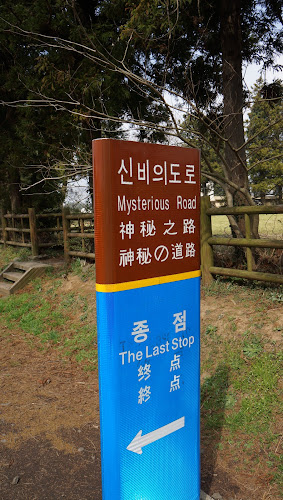
Mysterious Road
Find Accommodations Nearby
Recommended Tours & Activities
Visitor Reviews
There are no reviews yet. Be the first one to write one.
Share Your Experience
Have you visited Red lighthouse? Help other travelers by leaving a review.