
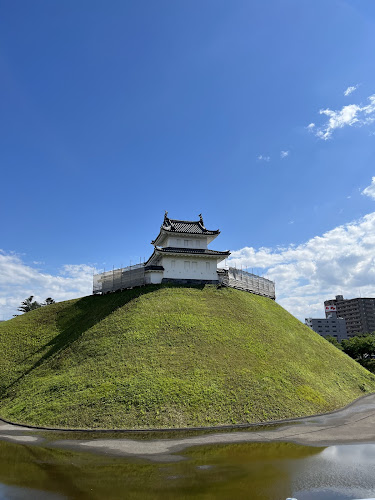
Utsunomiya Castle Inner Citadel
About Utsunomiya Castle Inner Citadel
Description
The Utsunomiya Castle Inner Citadel stands as a remarkable testament to Japan's rich feudal history, offering visitors a fascinating glimpse into the Heian era's architectural and military prowess. This reconstructed fortress sits proudly on a modest elevation, where it once commanded strategic importance for centuries. What strikes most travelers when they first approach is how the castle manages to feel both historically authentic and surprisingly accessible – a rare combination in Japanese heritage sites. I'll be honest, when I first heard about Utsunomiya Castle, my expectations weren't sky-high. The city is more famous for its gyoza than its samurai heritage, right? But there's something genuinely compelling about standing where feudal lords once made decisions that shaped regional politics. The reconstruction project has done justice to the original structure, bringing back the yagura (turret) and creating exhibition spaces that actually make sense for modern visitors. The castle's history stretches back over a thousand years, though what you see today is obviously not the original stonework. During the Meiji Restoration, like so many Japanese castles, it was demolished. For decades, only earthen mounds and historical records remained. The restoration effort that began in the late 20th century relied on old paintings, documents, and archaeological findings to recreate what once stood here. And while purists might argue about authenticity, the result gives travelers an opportunity to experience castle architecture that would otherwise exist only in history books. The exhibition facilities inside provide context that transforms the visit from just another photo opportunity into an educational experience. You'll find artifacts, displays about the castle's strategic role during various periods, and information about the families who controlled this territory. The yagura itself offers decent views of modern Utsunomiya, creating that interesting juxtaposition between past and present that Japan does so well.Key Features
The Utsunomiya Castle Inner Citadel presents several distinctive elements that make it worth including in your travel itinerary: • The reconstructed yagura tower showcasing traditional Heian-period defensive architecture with its distinctive multi-tiered design and strategic positioning • Interactive exhibition halls featuring detailed displays about the castle's thousand-year history, from its origins through its destruction and eventual reconstruction • Well-preserved earthen fortifications and moats that demonstrate medieval Japanese defensive engineering techniques • Observation points offering panoramic views across Utsunomiya city, providing excellent photography opportunities particularly during sunrise and sunset hours • Wheelchair accessible facilities throughout the grounds, including ramps and accessible parking, making it one of the more inclusive castle sites in the region • Educational programs and seasonal events that bring samurai culture to life through demonstrations and reenactments • Cherry blossom viewing areas that transform the castle grounds during spring into a popular hanami destination for locals and visitors alike • Stone walls and foundations that incorporate both historical elements and modern reconstruction, showing the evolution of castle building techniques • Small but informative museum spaces displaying excavated artifacts, armor replicas, and historical documents related to the castle's various ruling families • Traditional Japanese gardens within the castle grounds that provide peaceful spaces for contemplation and rest between exploring the fortificationsBest Time to Visit
Timing your visit to Utsunomiya Castle Inner Citadel can dramatically affect your experience, and I've learned this the hard way at various Japanese historical sites. Spring, particularly late March through early April, ranks as the premium season for obvious reasons – cherry blossoms. The castle grounds feature several mature sakura trees that create an almost dreamlike atmosphere when in full bloom. But here's the thing: everyone knows this, so you'll be sharing the experience with considerable crowds. Early autumn, specifically late September through November, offers my personal favorite visiting window. The weather cooperates beautifully – warm enough that you're comfortable exploring outdoor areas but cool enough that you won't be drenched in sweat climbing stairs. The autumn foliage around the castle provides stunning color contrasts against the white walls of the reconstructed structures. Plus, tourist numbers drop significantly compared to spring. Summer visits are perfectly viable, though July and August bring that characteristic Japanese humidity that can make outdoor exploration feel like you're walking through warm soup. If you do visit during summer months, aim for morning hours before 10 AM when temperatures are more manageable. The castle opens early enough to take advantage of cooler periods. Winter presents an entirely different character. Snow occasionally dusts the castle grounds, creating postcard-worthy scenes, but you'll need to dress appropriately. January and February see the fewest visitors, which means you might have certain areas practically to yourself – a rare luxury at Japanese tourist attractions. The bare trees actually allow better views of the castle's architectural details. Weekdays always beat weekends for crowd management, regardless of season. School groups sometimes visit on weekday mornings, but they typically move through quickly and stick to scheduled tours. If you have flexibility in your schedule, Tuesday through Thursday mornings offer the most peaceful exploration opportunities.How to Get There
Getting to Utsunomiya Castle Inner Citadel is refreshingly straightforward compared to some more remote Japanese castles that require multiple train transfers and bus connections. The castle sits relatively close to Utsunomiya Station, which is accessible via the Tohoku Shinkansen from Tokyo – about 50 minutes of travel time. This makes it entirely feasible as a day trip from the capital if you're based there. From Utsunomiya Station, you've got several options. The most economical choice involves taking a local bus from the station's west exit. Multiple bus lines pass near the castle, and the journey takes roughly 10-15 minutes depending on traffic. Look for buses heading toward the city center or specifically marked for castle-area destinations. The bus system can feel intimidating if you don't read Japanese, but drivers are generally patient with tourists. Taxis offer convenience without breaking the bank since the distance from the station is relatively short – expect to pay somewhere around 1000-1500 yen depending on traffic and your exact drop-off point. If you're traveling with companions or have mobility concerns, splitting a taxi makes economic and practical sense. Walking from the station is absolutely doable for those who enjoy covering ground on foot. The distance is approximately 2 kilometers, taking about 25-30 minutes at a leisurely pace. This route takes you through some interesting parts of downtown Utsunomiya, including shopping streets and residential areas that provide context for how the castle fits into the modern city. I've done this walk several times and found it pleasant, though summer heat might make you reconsider. For drivers, the castle maintains a parking lot with spaces designated for regular vehicles and accessible parking for visitors with mobility needs. Navigation systems recognize the castle as a destination, and street signage in the area is adequate. Parking fees are reasonable, though spaces can fill up during peak seasons and weekends.Tips for Visiting
Planning your Utsunomiya Castle visit with a few insider strategies can transform it from merely pleasant to genuinely memorable. First off, don't rush through. I've watched too many tourists sprint through the exhibition areas just to check a box, and they miss the subtle details that make this place special. Budget at least two hours for a thorough exploration, more if you're particularly interested in feudal Japanese history. The exhibition materials inside are predominantly in Japanese, though some English translations exist. Downloading a translation app before your visit helps tremendously with reading detailed explanations and historical context. And honestly? Sometimes struggling a bit with translation forces you to look more carefully at the artifacts themselves rather than just reading descriptions. Photography enthusiasts should bring their gear, but be mindful that certain interior exhibition areas restrict flash photography to protect artifacts. The exterior fortifications and yagura offer fantastic composition opportunities throughout the day. Golden hour – that period just after sunrise or before sunset – bathes the white castle walls in gorgeous warm light that elevates ordinary shots into something worth framing. Comfortable walking shoes are non-negotiable. While the castle grounds aren't massive compared to places like Himeji or Osaka Castle, you'll be navigating stone paths, stairs, and potentially uneven surfaces. Those cute sandals might look great in photos but will leave your feet screaming halfway through. Combine your castle visit with Utsunomiya's famous gyoza scene for a perfect day trip itinerary. Several excellent dumpling restaurants operate within walking distance of the castle. There's something satisfying about pairing historical exploration with culinary adventures, and the gyoza in this city genuinely lives up to its reputation. If you're traveling with children, the castle grounds provide enough open space for them to burn energy between more structured viewing. The accessible facilities mean families with strollers or travelers with mobility devices can navigate most areas without frustration – something that can't be said for many historical Japanese sites. Weather preparation matters more than you might think. Japan's weather can shift quickly, and the elevated position of the castle means you'll be more exposed to wind and sun than in surrounding streets. Sunscreen in summer, layers in spring and fall, and proper winter gear during cold months all enhance comfort levels significantly. Don't skip the smaller details around the grounds. Those earthen fortifications might look like simple hills, but they represent sophisticated medieval engineering. The positioning of stone walls, the angles of defensive structures – these weren't random choices but calculated decisions by military architects. Taking time to appreciate these elements adds depth to your understanding of how castles functioned as both symbols and practical fortifications. Lastly, manage your expectations appropriately. This isn't going to compete with Japan's most famous castles in terms of scale or original structures. But that doesn't diminish its value. The Utsunomiya Castle Inner Citadel offers an intimate historical experience without the overwhelming crowds that plague more famous destinations, and sometimes that's exactly what makes a place memorable.Key Features
- Key Features
- Best Time to Visit
- How to Get There
- Tips for Visiting
More Details
Updated March 30, 2026
Table of Contents
Description
The Utsunomiya Castle Inner Citadel stands as a remarkable testament to Japan’s rich feudal history, offering visitors a fascinating glimpse into the Heian era’s architectural and military prowess. This reconstructed fortress sits proudly on a modest elevation, where it once commanded strategic importance for centuries. What strikes most travelers when they first approach is how the castle manages to feel both historically authentic and surprisingly accessible – a rare combination in Japanese heritage sites.
I’ll be honest, when I first heard about Utsunomiya Castle, my expectations weren’t sky-high. The city is more famous for its gyoza than its samurai heritage, right? But there’s something genuinely compelling about standing where feudal lords once made decisions that shaped regional politics. The reconstruction project has done justice to the original structure, bringing back the yagura (turret) and creating exhibition spaces that actually make sense for modern visitors.
The castle’s history stretches back over a thousand years, though what you see today is obviously not the original stonework. During the Meiji Restoration, like so many Japanese castles, it was demolished. For decades, only earthen mounds and historical records remained. The restoration effort that began in the late 20th century relied on old paintings, documents, and archaeological findings to recreate what once stood here. And while purists might argue about authenticity, the result gives travelers an opportunity to experience castle architecture that would otherwise exist only in history books.
The exhibition facilities inside provide context that transforms the visit from just another photo opportunity into an educational experience. You’ll find artifacts, displays about the castle’s strategic role during various periods, and information about the families who controlled this territory. The yagura itself offers decent views of modern Utsunomiya, creating that interesting juxtaposition between past and present that Japan does so well.
Key Features
The Utsunomiya Castle Inner Citadel presents several distinctive elements that make it worth including in your travel itinerary:
• The reconstructed yagura tower showcasing traditional Heian-period defensive architecture with its distinctive multi-tiered design and strategic positioning
• Interactive exhibition halls featuring detailed displays about the castle’s thousand-year history, from its origins through its destruction and eventual reconstruction
• Well-preserved earthen fortifications and moats that demonstrate medieval Japanese defensive engineering techniques
• Observation points offering panoramic views across Utsunomiya city, providing excellent photography opportunities particularly during sunrise and sunset hours
• Wheelchair accessible facilities throughout the grounds, including ramps and accessible parking, making it one of the more inclusive castle sites in the region
• Educational programs and seasonal events that bring samurai culture to life through demonstrations and reenactments
• Cherry blossom viewing areas that transform the castle grounds during spring into a popular hanami destination for locals and visitors alike
• Stone walls and foundations that incorporate both historical elements and modern reconstruction, showing the evolution of castle building techniques
• Small but informative museum spaces displaying excavated artifacts, armor replicas, and historical documents related to the castle’s various ruling families
• Traditional Japanese gardens within the castle grounds that provide peaceful spaces for contemplation and rest between exploring the fortifications
Best Time to Visit
Timing your visit to Utsunomiya Castle Inner Citadel can dramatically affect your experience, and I’ve learned this the hard way at various Japanese historical sites. Spring, particularly late March through early April, ranks as the premium season for obvious reasons – cherry blossoms. The castle grounds feature several mature sakura trees that create an almost dreamlike atmosphere when in full bloom. But here’s the thing: everyone knows this, so you’ll be sharing the experience with considerable crowds.
Early autumn, specifically late September through November, offers my personal favorite visiting window. The weather cooperates beautifully – warm enough that you’re comfortable exploring outdoor areas but cool enough that you won’t be drenched in sweat climbing stairs. The autumn foliage around the castle provides stunning color contrasts against the white walls of the reconstructed structures. Plus, tourist numbers drop significantly compared to spring.
Summer visits are perfectly viable, though July and August bring that characteristic Japanese humidity that can make outdoor exploration feel like you’re walking through warm soup. If you do visit during summer months, aim for morning hours before 10 AM when temperatures are more manageable. The castle opens early enough to take advantage of cooler periods.
Winter presents an entirely different character. Snow occasionally dusts the castle grounds, creating postcard-worthy scenes, but you’ll need to dress appropriately. January and February see the fewest visitors, which means you might have certain areas practically to yourself – a rare luxury at Japanese tourist attractions. The bare trees actually allow better views of the castle’s architectural details.
Weekdays always beat weekends for crowd management, regardless of season. School groups sometimes visit on weekday mornings, but they typically move through quickly and stick to scheduled tours. If you have flexibility in your schedule, Tuesday through Thursday mornings offer the most peaceful exploration opportunities.
How to Get There
Getting to Utsunomiya Castle Inner Citadel is refreshingly straightforward compared to some more remote Japanese castles that require multiple train transfers and bus connections. The castle sits relatively close to Utsunomiya Station, which is accessible via the Tohoku Shinkansen from Tokyo – about 50 minutes of travel time. This makes it entirely feasible as a day trip from the capital if you’re based there.
From Utsunomiya Station, you’ve got several options. The most economical choice involves taking a local bus from the station’s west exit. Multiple bus lines pass near the castle, and the journey takes roughly 10-15 minutes depending on traffic. Look for buses heading toward the city center or specifically marked for castle-area destinations. The bus system can feel intimidating if you don’t read Japanese, but drivers are generally patient with tourists.
Taxis offer convenience without breaking the bank since the distance from the station is relatively short – expect to pay somewhere around 1000-1500 yen depending on traffic and your exact drop-off point. If you’re traveling with companions or have mobility concerns, splitting a taxi makes economic and practical sense.
Walking from the station is absolutely doable for those who enjoy covering ground on foot. The distance is approximately 2 kilometers, taking about 25-30 minutes at a leisurely pace. This route takes you through some interesting parts of downtown Utsunomiya, including shopping streets and residential areas that provide context for how the castle fits into the modern city. I’ve done this walk several times and found it pleasant, though summer heat might make you reconsider.
For drivers, the castle maintains a parking lot with spaces designated for regular vehicles and accessible parking for visitors with mobility needs. Navigation systems recognize the castle as a destination, and street signage in the area is adequate. Parking fees are reasonable, though spaces can fill up during peak seasons and weekends.
Tips for Visiting
Planning your Utsunomiya Castle visit with a few insider strategies can transform it from merely pleasant to genuinely memorable. First off, don’t rush through. I’ve watched too many tourists sprint through the exhibition areas just to check a box, and they miss the subtle details that make this place special. Budget at least two hours for a thorough exploration, more if you’re particularly interested in feudal Japanese history.
The exhibition materials inside are predominantly in Japanese, though some English translations exist. Downloading a translation app before your visit helps tremendously with reading detailed explanations and historical context. And honestly? Sometimes struggling a bit with translation forces you to look more carefully at the artifacts themselves rather than just reading descriptions.
Photography enthusiasts should bring their gear, but be mindful that certain interior exhibition areas restrict flash photography to protect artifacts. The exterior fortifications and yagura offer fantastic composition opportunities throughout the day. Golden hour – that period just after sunrise or before sunset – bathes the white castle walls in gorgeous warm light that elevates ordinary shots into something worth framing.
Comfortable walking shoes are non-negotiable. While the castle grounds aren’t massive compared to places like Himeji or Osaka Castle, you’ll be navigating stone paths, stairs, and potentially uneven surfaces. Those cute sandals might look great in photos but will leave your feet screaming halfway through.
Combine your castle visit with Utsunomiya’s famous gyoza scene for a perfect day trip itinerary. Several excellent dumpling restaurants operate within walking distance of the castle. There’s something satisfying about pairing historical exploration with culinary adventures, and the gyoza in this city genuinely lives up to its reputation.
If you’re traveling with children, the castle grounds provide enough open space for them to burn energy between more structured viewing. The accessible facilities mean families with strollers or travelers with mobility devices can navigate most areas without frustration – something that can’t be said for many historical Japanese sites.
Weather preparation matters more than you might think. Japan’s weather can shift quickly, and the elevated position of the castle means you’ll be more exposed to wind and sun than in surrounding streets. Sunscreen in summer, layers in spring and fall, and proper winter gear during cold months all enhance comfort levels significantly.
Don’t skip the smaller details around the grounds. Those earthen fortifications might look like simple hills, but they represent sophisticated medieval engineering. The positioning of stone walls, the angles of defensive structures – these weren’t random choices but calculated decisions by military architects. Taking time to appreciate these elements adds depth to your understanding of how castles functioned as both symbols and practical fortifications.
Lastly, manage your expectations appropriately. This isn’t going to compete with Japan’s most famous castles in terms of scale or original structures. But that doesn’t diminish its value. The Utsunomiya Castle Inner Citadel offers an intimate historical experience without the overwhelming crowds that plague more famous destinations, and sometimes that’s exactly what makes a place memorable.
Key Highlights
- Key Features
- Best Time to Visit
- How to Get There
- Tips for Visiting
Location
Places to Stay Near Utsunomiya Castle Inner Citadel
Find and Book a Tour
Explore More Travel Guides
No reviews found! Be the first to review!
Utsunomiya Castle Inner Citadel is a prominent attractions located in Utsunomiya.
Visit us at: 2-24 Honmarumachi, Utsunomiya, Tochigi 320-0817, Japan.
Traveler Reviews for Utsunomiya Castle Inner Citadel
There are no reviews yet. Be the first one to write one.
Have you visited Utsunomiya Castle Inner Citadel? Help other travelers by sharing your review.
You Might Also Like
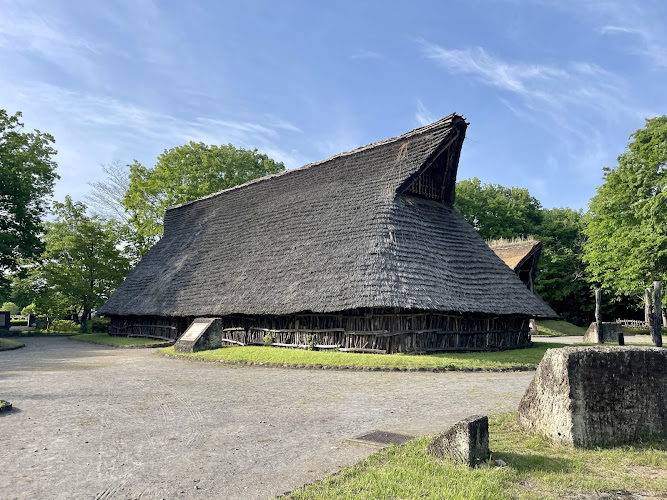
Utsunomiya ruins of Square museum
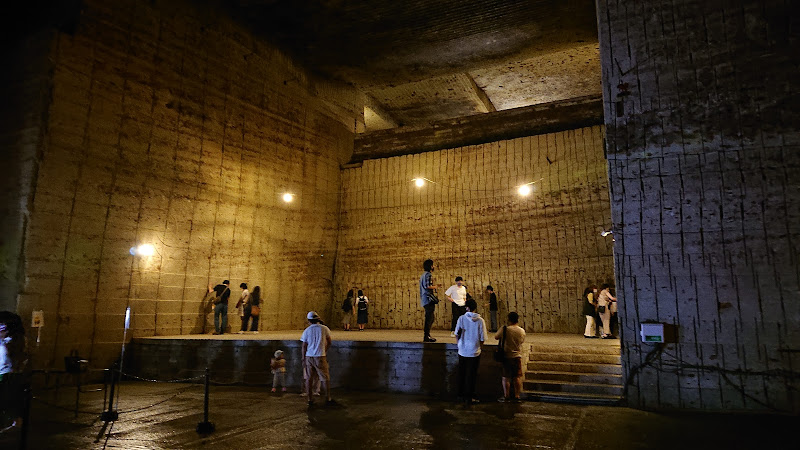
Oya History Museum - Historic Quarry Mine
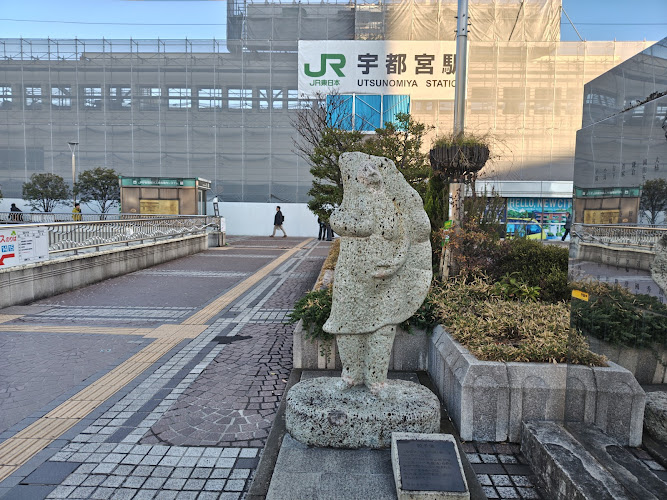
Utsunomiya Gyoza Statue
Find Accommodations Nearby
Recommended Tours & Activities
Visitor Reviews
There are no reviews yet. Be the first one to write one.
Share Your Experience
Have you visited Utsunomiya Castle Inner Citadel? Help other travelers by leaving a review.