
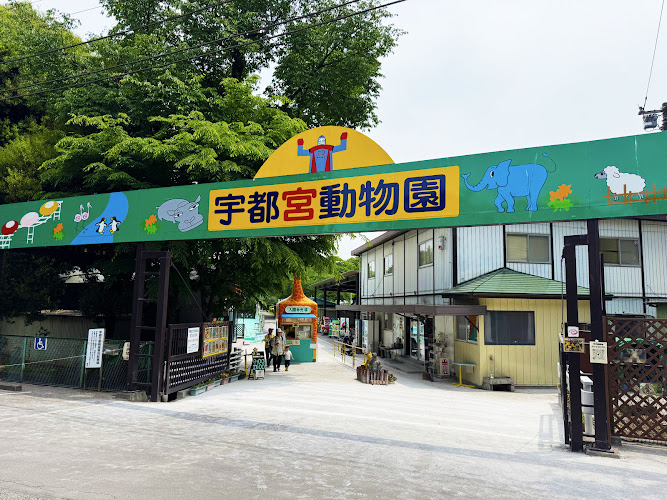
Utsunomiya Zoo
About Utsunomiya Zoo
Description
Utsunomiya Zoo offers visitors a refreshing blend of wildlife encounters and family entertainment that you won't find at your typical Japanese zoo. Located in Tochigi Prefecture, this attraction combines animal experiences with amusement park thrills and seasonal natural beauty that transforms throughout the year. What makes this place genuinely interesting is how it breaks the mold of traditional zoo experiences - you're not just observing animals from a distance here. The zoo puts significant emphasis on interactive experiences, particularly their famous giraffe feeding sessions that draw visitors from across the region. And honestly, there's something magical about standing face-to-face with these gentle giants as they lean down to accept food from your hands. The facility manages to maintain a more intimate atmosphere compared to larger urban zoos, which actually works in its favor for families seeking a less overwhelming day out. Cherry trees dot the grounds, creating an absolutely stunning backdrop during spring when the sakura bloom. But even outside of cherry blossom season, the zoo maintains its appeal through its diverse animal collection and entertainment options. The amusement rides add an unexpected dimension to what could have been just another animal park, making it a genuine multi-purpose destination. I've found that places like this - ones that combine different attractions under one roof - tend to either do everything mediocre or manage to create something special. Utsunomiya Zoo falls into the latter category, though it's definitely not without its quirks and areas where improvements could be made. The museum component adds an educational layer that parents appreciate, while the petting zoo sections give younger children that hands-on connection with animals that books and videos simply can't replicate.Key Features
- Giraffe Feeding Encounters: The signature experience where visitors can hand-feed these towering mammals, creating memorable photo opportunities and genuine wildlife connections
- Petting Zoo Areas: Multiple zones featuring smaller animals that children can touch and interact with safely under staff supervision
- Amusement Rides: A selection of family-friendly rides that provide entertainment between animal exhibits, making it more than just a walking tour
- Seasonal Cherry Blossom Trees: Beautiful sakura trees throughout the grounds that transform the zoo into a popular hanami spot during spring months
- Museum Exhibits: Educational displays that complement the live animal experiences with information about wildlife conservation and natural history
- Playground Facilities: Dedicated play areas where kids can burn off energy between exhibits
- Wheelchair Accessibility: Accessible entrances and designated parking make the zoo welcoming for visitors with mobility needs
- Multiple Payment Options: Accepts debit cards, credit cards, and PayPay for convenient transactions
Best Time to Visit
Timing your visit to Utsunomiya Zoo can significantly impact your experience, and I'd say this matters more here than at some other attractions. The cherry blossom season, typically late March through early April, transforms the zoo into something truly special. You'll share the space with more visitors during this period, but the trade-off is absolutely worth it if you've never experienced Japanese sakura season. Weekdays during the school year offer the quietest experience. You'll have more space at the animal feeding stations and won't need to jostle for position at popular exhibits. The animals also tend to be more active earlier in the day, particularly during summer months when afternoon heat makes everyone - humans and animals alike - a bit sluggish. Spring and autumn provide the most comfortable weather for walking the grounds. Japanese summers can be brutally hot and humid, which isn't ideal when you're spending hours outdoors. That said, the summer vacation period brings special events and extended hours that might appeal to families with school-age children who don't have flexibility outside holiday periods. Winter visits have their own charm, honestly. The crowds thin out considerably, and while some outdoor amusement rides might be closed, the indoor exhibits and animal houses remain fully operational. Animals like the red pandas actually become more active in cooler weather. Just bundle up appropriately - Tochigi winters can be quite chilly. I'd personally recommend avoiding the first week of January and Golden Week (late April/early May) unless you genuinely enjoy crowds. These peak holiday periods see visitor numbers surge, and the giraffe feeding sessions can require lengthy waits. Morning visits starting right when the zoo opens typically provide the best animal viewing opportunities. The feeding schedules for various species happen throughout the day, so checking the daily program upon arrival helps you plan your route efficiently.How to Get There
Getting to Utsunomiya Zoo requires a bit more effort than accessing downtown Tokyo attractions, but it's definitely manageable with proper planning. The zoo sits in a location that's easier to reach by car than by public transportation, which is worth considering when mapping out your travel logistics. If you're driving, the zoo provides accessible parking facilities with designated spaces for wheelchair users. From central Utsunomiya, the journey takes roughly 30 minutes depending on traffic conditions. Navigation apps work reliably in this area, so you shouldn't have trouble finding it. The parking situation is generally decent except during peak cherry blossom season when you might encounter full lots during midday hours. For those relying on public transportation, you'll need to take a bus from Utsunomiya Station. The station itself is well-connected to Tokyo and other major cities via the JR lines and Shinkansen services. But here's where it gets a bit tricky - the bus service to the zoo isn't as frequent as you might hope, and schedules can be limited on weekends and holidays. I'd recommend checking the latest bus timetables before your visit and building in extra buffer time for your return journey. Some visitors opt for taxis from Utsunomiya Station, which is certainly more convenient though obviously more expensive than the bus option. If you're traveling as a family or small group, splitting the taxi fare might actually make financial sense while saving considerable time and hassle. The distance from Tokyo makes Utsunomiya Zoo more suitable as a day trip destination rather than a quick stop on a packed itinerary. Budget at least 3-4 hours for the zoo itself, plus travel time from your starting point. Trying to squeeze it into a morning before heading somewhere else will leave you feeling rushed and unable to enjoy the interactive experiences that make this place worthwhile.Tips for Visiting
Wear comfortable walking shoes - this sounds obvious, but the zoo covers more ground than you might expect, and those cute sandals will betray you halfway through the day. The paths are generally well-maintained and wheelchair accessible, but you'll still be on your feet for hours. Bring hand sanitizer and wet wipes, especially if you're planning to participate in the petting zoo and feeding experiences. The facilities provide handwashing stations, but having your own supplies offers convenient cleanup between exhibits. This became especially apparent during my last visit when the line for the washroom stretched longer than the line for the giraffes. The on-site food options exist but aren't particularly impressive. You're allowed to bring your own food and drinks, which I'd honestly recommend. There are picnic areas where you can enjoy your own lunch while taking a break from the exhibits. During cherry blossom season, these spots fill up quickly, so stake out your territory early if you want prime hanami viewing. Check the daily feeding and event schedule immediately upon arrival. These schedules sometimes change based on weather, animal health, or other factors. The giraffe feeding typically happens at specific times with limited spots, so heading there first thing helps avoid disappointment later. The amusement rides operate on a separate ticket system from zoo admission. Decide beforehand whether you want to include rides in your visit and budget accordingly. Some visitors focus purely on the animal experiences while others, especially those with energetic kids, appreciate having the rides as an additional attraction. Photography is generally permitted throughout the zoo, but be respectful during feeding times and follow staff instructions. Flash photography might be restricted in certain areas to avoid stressing the animals. The museum section often gets overlooked by visitors rushing between the more obviously exciting animal exhibits. But if you're visiting with curious kids or have an interest in natural history yourself, it's worth allocating 30-45 minutes to explore these displays properly. Weather can change quickly, particularly during spring and autumn. Bringing a light rain jacket or umbrella provides insurance against sudden showers that could otherwise dampen your experience - literally. The zoo has some covered areas, but many exhibits are completely outdoors. If you're visiting with very young children, the stroller-friendly paths make navigation relatively easy. However, the playground areas scattered throughout the zoo provide excellent opportunities for kids to release energy between animal viewing sessions. Sometimes the best memories come from letting children just play rather than marching them efficiently from exhibit to exhibit. Don't skip the less popular animal houses in favor of only the star attractions. Some of the smaller exhibits house fascinating creatures that get overshadowed by the giraffes and other charismatic megafauna. The zoo staff clearly care about all their animals, and you'll notice that attention in even the quieter corners of the facility. Consider visiting during off-peak hours if you genuinely want quality interactions at the petting zoo and feeding stations. The difference between a Tuesday morning in October and a Saturday afternoon during Golden Week is honestly night and day in terms of crowd density and overall experience quality.Key Features
- Close-up animal viewing and interactive demonstrations
- Child-friendly exhibits and educational programming
- Compact, easy-to-walk layout with natural scenery
- Combination of zoo exhibits and small amusement-park elements
- Accessible location from JR Utsunomiya Station and nearby highways
More Details
Updated March 30, 2026
Table of Contents
Description
Utsunomiya Zoo offers visitors a refreshing blend of wildlife encounters and family entertainment that you won’t find at your typical Japanese zoo. Located in Tochigi Prefecture, this attraction combines animal experiences with amusement park thrills and seasonal natural beauty that transforms throughout the year. What makes this place genuinely interesting is how it breaks the mold of traditional zoo experiences – you’re not just observing animals from a distance here.
The zoo puts significant emphasis on interactive experiences, particularly their famous giraffe feeding sessions that draw visitors from across the region. And honestly, there’s something magical about standing face-to-face with these gentle giants as they lean down to accept food from your hands. The facility manages to maintain a more intimate atmosphere compared to larger urban zoos, which actually works in its favor for families seeking a less overwhelming day out.
Cherry trees dot the grounds, creating an absolutely stunning backdrop during spring when the sakura bloom. But even outside of cherry blossom season, the zoo maintains its appeal through its diverse animal collection and entertainment options. The amusement rides add an unexpected dimension to what could have been just another animal park, making it a genuine multi-purpose destination.
I’ve found that places like this – ones that combine different attractions under one roof – tend to either do everything mediocre or manage to create something special. Utsunomiya Zoo falls into the latter category, though it’s definitely not without its quirks and areas where improvements could be made. The museum component adds an educational layer that parents appreciate, while the petting zoo sections give younger children that hands-on connection with animals that books and videos simply can’t replicate.
Key Features
- Giraffe Feeding Encounters: The signature experience where visitors can hand-feed these towering mammals, creating memorable photo opportunities and genuine wildlife connections
- Petting Zoo Areas: Multiple zones featuring smaller animals that children can touch and interact with safely under staff supervision
- Amusement Rides: A selection of family-friendly rides that provide entertainment between animal exhibits, making it more than just a walking tour
- Seasonal Cherry Blossom Trees: Beautiful sakura trees throughout the grounds that transform the zoo into a popular hanami spot during spring months
- Museum Exhibits: Educational displays that complement the live animal experiences with information about wildlife conservation and natural history
- Playground Facilities: Dedicated play areas where kids can burn off energy between exhibits
- Wheelchair Accessibility: Accessible entrances and designated parking make the zoo welcoming for visitors with mobility needs
- Multiple Payment Options: Accepts debit cards, credit cards, and PayPay for convenient transactions
Best Time to Visit
Timing your visit to Utsunomiya Zoo can significantly impact your experience, and I’d say this matters more here than at some other attractions. The cherry blossom season, typically late March through early April, transforms the zoo into something truly special. You’ll share the space with more visitors during this period, but the trade-off is absolutely worth it if you’ve never experienced Japanese sakura season.
Weekdays during the school year offer the quietest experience. You’ll have more space at the animal feeding stations and won’t need to jostle for position at popular exhibits. The animals also tend to be more active earlier in the day, particularly during summer months when afternoon heat makes everyone – humans and animals alike – a bit sluggish.
Spring and autumn provide the most comfortable weather for walking the grounds. Japanese summers can be brutally hot and humid, which isn’t ideal when you’re spending hours outdoors. That said, the summer vacation period brings special events and extended hours that might appeal to families with school-age children who don’t have flexibility outside holiday periods.
Winter visits have their own charm, honestly. The crowds thin out considerably, and while some outdoor amusement rides might be closed, the indoor exhibits and animal houses remain fully operational. Animals like the red pandas actually become more active in cooler weather. Just bundle up appropriately – Tochigi winters can be quite chilly.
I’d personally recommend avoiding the first week of January and Golden Week (late April/early May) unless you genuinely enjoy crowds. These peak holiday periods see visitor numbers surge, and the giraffe feeding sessions can require lengthy waits.
Morning visits starting right when the zoo opens typically provide the best animal viewing opportunities. The feeding schedules for various species happen throughout the day, so checking the daily program upon arrival helps you plan your route efficiently.
How to Get There
Getting to Utsunomiya Zoo requires a bit more effort than accessing downtown Tokyo attractions, but it’s definitely manageable with proper planning. The zoo sits in a location that’s easier to reach by car than by public transportation, which is worth considering when mapping out your travel logistics.
If you’re driving, the zoo provides accessible parking facilities with designated spaces for wheelchair users. From central Utsunomiya, the journey takes roughly 30 minutes depending on traffic conditions. Navigation apps work reliably in this area, so you shouldn’t have trouble finding it. The parking situation is generally decent except during peak cherry blossom season when you might encounter full lots during midday hours.
For those relying on public transportation, you’ll need to take a bus from Utsunomiya Station. The station itself is well-connected to Tokyo and other major cities via the JR lines and Shinkansen services. But here’s where it gets a bit tricky – the bus service to the zoo isn’t as frequent as you might hope, and schedules can be limited on weekends and holidays. I’d recommend checking the latest bus timetables before your visit and building in extra buffer time for your return journey.
Some visitors opt for taxis from Utsunomiya Station, which is certainly more convenient though obviously more expensive than the bus option. If you’re traveling as a family or small group, splitting the taxi fare might actually make financial sense while saving considerable time and hassle.
The distance from Tokyo makes Utsunomiya Zoo more suitable as a day trip destination rather than a quick stop on a packed itinerary. Budget at least 3-4 hours for the zoo itself, plus travel time from your starting point. Trying to squeeze it into a morning before heading somewhere else will leave you feeling rushed and unable to enjoy the interactive experiences that make this place worthwhile.
Tips for Visiting
Wear comfortable walking shoes – this sounds obvious, but the zoo covers more ground than you might expect, and those cute sandals will betray you halfway through the day. The paths are generally well-maintained and wheelchair accessible, but you’ll still be on your feet for hours.
Bring hand sanitizer and wet wipes, especially if you’re planning to participate in the petting zoo and feeding experiences. The facilities provide handwashing stations, but having your own supplies offers convenient cleanup between exhibits. This became especially apparent during my last visit when the line for the washroom stretched longer than the line for the giraffes.
The on-site food options exist but aren’t particularly impressive. You’re allowed to bring your own food and drinks, which I’d honestly recommend. There are picnic areas where you can enjoy your own lunch while taking a break from the exhibits. During cherry blossom season, these spots fill up quickly, so stake out your territory early if you want prime hanami viewing.
Check the daily feeding and event schedule immediately upon arrival. These schedules sometimes change based on weather, animal health, or other factors. The giraffe feeding typically happens at specific times with limited spots, so heading there first thing helps avoid disappointment later.
The amusement rides operate on a separate ticket system from zoo admission. Decide beforehand whether you want to include rides in your visit and budget accordingly. Some visitors focus purely on the animal experiences while others, especially those with energetic kids, appreciate having the rides as an additional attraction.
Photography is generally permitted throughout the zoo, but be respectful during feeding times and follow staff instructions. Flash photography might be restricted in certain areas to avoid stressing the animals.
The museum section often gets overlooked by visitors rushing between the more obviously exciting animal exhibits. But if you’re visiting with curious kids or have an interest in natural history yourself, it’s worth allocating 30-45 minutes to explore these displays properly.
Weather can change quickly, particularly during spring and autumn. Bringing a light rain jacket or umbrella provides insurance against sudden showers that could otherwise dampen your experience – literally. The zoo has some covered areas, but many exhibits are completely outdoors.
If you’re visiting with very young children, the stroller-friendly paths make navigation relatively easy. However, the playground areas scattered throughout the zoo provide excellent opportunities for kids to release energy between animal viewing sessions. Sometimes the best memories come from letting children just play rather than marching them efficiently from exhibit to exhibit.
Don’t skip the less popular animal houses in favor of only the star attractions. Some of the smaller exhibits house fascinating creatures that get overshadowed by the giraffes and other charismatic megafauna. The zoo staff clearly care about all their animals, and you’ll notice that attention in even the quieter corners of the facility.
Consider visiting during off-peak hours if you genuinely want quality interactions at the petting zoo and feeding stations. The difference between a Tuesday morning in October and a Saturday afternoon during Golden Week is honestly night and day in terms of crowd density and overall experience quality.
Key Highlights
- Close-up animal viewing and interactive demonstrations
- Child-friendly exhibits and educational programming
- Compact, easy-to-walk layout with natural scenery
- Combination of zoo exhibits and small amusement-park elements
- Accessible location from JR Utsunomiya Station and nearby highways
Location
Places to Stay Near Utsunomiya Zoo
Find and Book a Tour
Explore More Travel Guides
No reviews found! Be the first to review!
Utsunomiya Zoo is a prominent attractions located in Utsunomiya.
Visit us at: 552-2 Kamikanaimachi, Utsunomiya, Tochigi 321-2115, Japan.
Traveler Reviews for Utsunomiya Zoo
There are no reviews yet. Be the first one to write one.
Have you visited Utsunomiya Zoo? Help other travelers by sharing your review.
Nearby Attractions
You Might Also Like
Nagaoka Park
Heiwa Kannon

Utsunomiya Castle Inner Citadel
Find Accommodations Nearby
Recommended Tours & Activities
Visitor Reviews
There are no reviews yet. Be the first one to write one.
Share Your Experience
Have you visited Utsunomiya Zoo? Help other travelers by leaving a review.