
7 Honmachi
About 7 Honmachi
Description
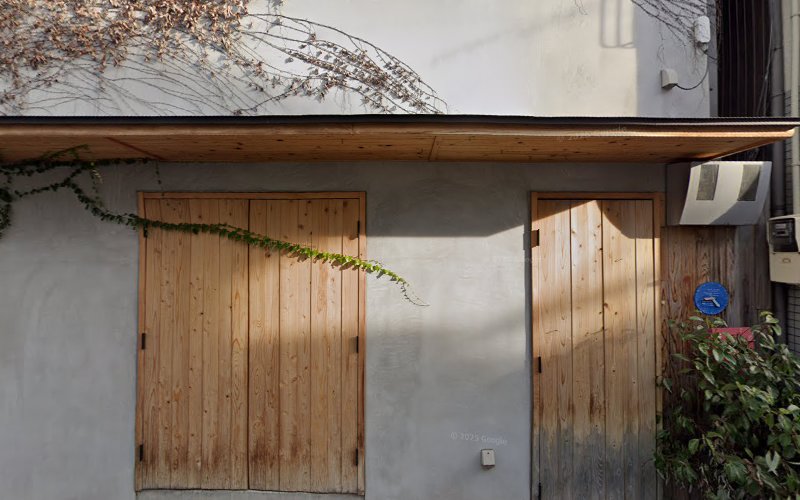
7 Honmachi stands as one of those architectural gems that most travelers walk right past without giving it a second glance, and honestly, that's their loss. This building represents a fascinating slice of Japanese architectural evolution, where traditional design principles meet the practical demands of modern urban living. When you first approach it, you might think it's just another structure in the cityscape. But spend some time observing the details, and you'll start to understand why architecture enthusiasts find themselves drawn to this particular address. The building itself tells a story about how Japanese cities have grown and adapted over the decades. It's not trying to be flashy or grab your attention with bold statements. Instead, it sits there with a quiet confidence that comes from being part of the urban fabric for years. I remember the first time I stumbled upon it during one of my wandering sessions through the neighborhood – those moments when you deliberately get lost just to see what you'll find. The way the structure integrates with its surroundings while maintaining its own character struck me as something worth paying attention to. What makes 7 Honmachi particularly interesting is how it reflects the practical sensibilities of Japanese construction. There's an efficiency to the design that you don't always notice at first. The building serves its purpose without unnecessary embellishment, yet there's still an aesthetic consideration in how elements come together. This balance between function and form is something Japan does remarkably well, and this building exemplifies that approach. You can see it in the window placements, the way materials are chosen and utilized, and how the structure relates to the street level.Key Features
Walking around 7 Honmachi reveals several characteristics that make it worth your time as a traveler interested in authentic urban architecture:- The building demonstrates typical mid-20th century Japanese construction techniques that are becoming increasingly rare in rapidly developing urban areas
- Its facade showcases the practical approach to urban building design that prioritizes space efficiency without sacrificing structural integrity
- The ground level interaction with the street provides insight into how Japanese commercial and residential spaces coexist in tight urban environments
- Exterior materials reflect the era of construction and maintenance philosophies that differ significantly from Western building practices
- The building's positioning within the block demonstrates traditional Japanese urban planning concepts regarding sunlight, access, and neighbor relations
- Architectural details reveal how buildings from this period adapted to specific climate considerations including rain, humidity, and seasonal temperature variations
- The structure serves as a reference point for understanding how this particular neighborhood has evolved over time
Best Time to Visit
Here's the thing about visiting a building like 7 Honmachi – timing matters more than you might think. The best time to appreciate this structure is during the late morning hours, roughly between 10 AM and noon. That's when the natural light hits the building in a way that brings out the textures and materials used in its construction. You'll notice details that completely disappear in harsh afternoon sun or evening shadows. Seasonally speaking, spring and autumn offer the most comfortable conditions for walking around and really taking your time to observe. Summer can be brutally hot and humid, which makes standing around looking at buildings feel more like endurance training than cultural exploration. And winter, while not as severe as in some parts of Japan, still gets chilly enough that you won't want to linger outside for extended periods. Weekdays tend to be better than weekends if you want to see the building in its natural context. On weekdays, you'll observe how it functions as part of the working neighborhood, with people going about their daily routines. Weekends can be quieter, which some travelers prefer, but you lose that sense of the building as a living, active part of the urban environment. Avoid visiting during major Japanese holidays like Golden Week or Obon. Not because the building changes, but because the neighborhood dynamics shift significantly. You want to experience this place when it's being itself, not during those periods when everything in Japan feels slightly off-kilter due to mass migrations and closures.How to Get There
Getting to 7 Honmachi requires the same navigation skills you'll need throughout Japan – a combination of subway savvy, decent walking shoes, and a willingness to ask for directions when your phone inevitably leads you astray. The building sits in an area that's accessible by public transportation, which is the only sensible way to get around anyway unless you enjoy throwing money at taxi drivers. Your best bet is to use the nearest train or subway station and plan for about a ten to fifteen minute walk. I've found that Google Maps works reasonably well in Japan, though it occasionally gets confused in dense urban areas where multiple buildings share similar addresses. The Japanese addressing system can be confusing – it's based on blocks and building numbers within those blocks rather than sequential street addresses, which throws a lot of foreign visitors for a loop. Once you're in the general area, look for local landmarks. Japanese neighborhoods are full of small shops, vending machines, and other distinctive features that make good reference points. Don't be shy about showing someone the address written in Japanese on your phone. Most people will try to help even if there's a language barrier, and I've never encountered rudeness when asking for directions in Japan. If you're staying in a nearby hotel, the front desk staff can provide specific walking directions. They'll often draw you a little map or mark it on a tourist map, which can be more helpful than digital navigation in these older neighborhoods where streets curve and intersect in ways that make perfect sense to locals but confuse visitors.Tips for Visiting
Before you head out to see 7 Honmachi, there are some practical considerations that'll make your visit more rewarding. First off, this isn't a museum or a tourist attraction in the conventional sense. It's a building that exists as part of a working neighborhood. So adjust your expectations accordingly. You're not going to find information plaques or designated viewpoints. You're observing architecture in its natural habitat, which means respecting the space and the people who use it daily. Bring a decent camera or make sure your phone is charged. The details worth capturing here are subtle – the way materials weather over time, the joints where different elements meet, the proportions of windows to walls. These aren't things that show up well in quick snapshots. Take your time and really look before you photograph. And please, be mindful of privacy. If there are windows or doorways where people might be visible, angle your shots to avoid capturing them. Dress comfortably and practically. You'll be walking on city streets and potentially spending some time standing around. Comfortable shoes are non-negotiable. And dress appropriately for the weather because there's no indoor component to retreat to if conditions turn unpleasant. Consider visiting this building as part of a larger exploration of the neighborhood. One of my favorite approaches to architectural tourism is treating individual buildings as anchor points in a wider walking route. Look at what else is nearby – other interesting structures, small temples or shrines, local cafes or shops. This gives context to what you're seeing and prevents that isolated, checklist-feeling that can make sightseeing feel more like homework than discovery. Bring a small notebook or use your phone to jot down observations. What catches your eye? How does this building compare to others you've seen? What questions does it raise about Japanese architecture or urban planning? These notes become valuable when you're processing your travel experiences later, and they help you engage more deeply with what you're seeing in the moment. Be prepared for the possibility that the building might not blow you away. Not every architectural experience is going to be transformative, and that's perfectly fine. Sometimes the value is in the accumulation of observations across multiple sites. 7 Honmachi might be most interesting in retrospect, when you're comparing it to other buildings you've encountered. Finally, take a moment to appreciate the neighborhood itself. Buildings don't exist in isolation. They're shaped by their surroundings and in turn shape how those surroundings develop. Watch how people move through the space. Notice the small businesses nearby. Observe how this block fits into the larger urban pattern. Architecture is ultimately about people and how they inhabit space, and you'll understand 7 Honmachi better if you view it through that lens. If you're particularly interested in architecture, consider visiting at different times of day to see how changing light affects your perception of the structure. Morning light versus afternoon light can completely transform how a building presents itself, revealing different textures and creating different moods.Key Features
- The building demonstrates typical mid-20th century Japanese construction techniques that are becoming increasingly rare in rapidly developing urban areas
- Its facade showcases the practical approach to urban building design that prioritizes space efficiency without sacrificing structural integrity
- The ground level interaction with the street provides insight into how Japanese commercial and residential spaces coexist in tight urban environments
- Exterior materials reflect the era of construction and maintenance philosophies that differ significantly from Western building practices
- The building's positioning within the block demonstrates traditional Japanese urban planning concepts regarding sunlight, access, and neighbor relations
- Architectural details reveal how buildings from this period adapted to specific climate considerations including rain, humidity, and seasonal temperature variations
- The structure serves as a reference point for understanding how this particular neighborhood has evolved over time
More Details
Updated March 30, 2026
Table of Contents
Description
7 Honmachi stands as one of those architectural gems that most travelers walk right past without giving it a second glance, and honestly, that’s their loss. This building represents a fascinating slice of Japanese architectural evolution, where traditional design principles meet the practical demands of modern urban living. When you first approach it, you might think it’s just another structure in the cityscape. But spend some time observing the details, and you’ll start to understand why architecture enthusiasts find themselves drawn to this particular address.
The building itself tells a story about how Japanese cities have grown and adapted over the decades. It’s not trying to be flashy or grab your attention with bold statements. Instead, it sits there with a quiet confidence that comes from being part of the urban fabric for years. I remember the first time I stumbled upon it during one of my wandering sessions through the neighborhood – those moments when you deliberately get lost just to see what you’ll find. The way the structure integrates with its surroundings while maintaining its own character struck me as something worth paying attention to.
What makes 7 Honmachi particularly interesting is how it reflects the practical sensibilities of Japanese construction. There’s an efficiency to the design that you don’t always notice at first. The building serves its purpose without unnecessary embellishment, yet there’s still an aesthetic consideration in how elements come together. This balance between function and form is something Japan does remarkably well, and this building exemplifies that approach. You can see it in the window placements, the way materials are chosen and utilized, and how the structure relates to the street level.
Key Features
Walking around 7 Honmachi reveals several characteristics that make it worth your time as a traveler interested in authentic urban architecture:
- The building demonstrates typical mid-20th century Japanese construction techniques that are becoming increasingly rare in rapidly developing urban areas
- Its facade showcases the practical approach to urban building design that prioritizes space efficiency without sacrificing structural integrity
- The ground level interaction with the street provides insight into how Japanese commercial and residential spaces coexist in tight urban environments
- Exterior materials reflect the era of construction and maintenance philosophies that differ significantly from Western building practices
- The building’s positioning within the block demonstrates traditional Japanese urban planning concepts regarding sunlight, access, and neighbor relations
- Architectural details reveal how buildings from this period adapted to specific climate considerations including rain, humidity, and seasonal temperature variations
- The structure serves as a reference point for understanding how this particular neighborhood has evolved over time
Best Time to Visit
Here’s the thing about visiting a building like 7 Honmachi – timing matters more than you might think. The best time to appreciate this structure is during the late morning hours, roughly between 10 AM and noon. That’s when the natural light hits the building in a way that brings out the textures and materials used in its construction. You’ll notice details that completely disappear in harsh afternoon sun or evening shadows.
Seasonally speaking, spring and autumn offer the most comfortable conditions for walking around and really taking your time to observe. Summer can be brutally hot and humid, which makes standing around looking at buildings feel more like endurance training than cultural exploration. And winter, while not as severe as in some parts of Japan, still gets chilly enough that you won’t want to linger outside for extended periods.
Weekdays tend to be better than weekends if you want to see the building in its natural context. On weekdays, you’ll observe how it functions as part of the working neighborhood, with people going about their daily routines. Weekends can be quieter, which some travelers prefer, but you lose that sense of the building as a living, active part of the urban environment.
Avoid visiting during major Japanese holidays like Golden Week or Obon. Not because the building changes, but because the neighborhood dynamics shift significantly. You want to experience this place when it’s being itself, not during those periods when everything in Japan feels slightly off-kilter due to mass migrations and closures.
How to Get There
Getting to 7 Honmachi requires the same navigation skills you’ll need throughout Japan – a combination of subway savvy, decent walking shoes, and a willingness to ask for directions when your phone inevitably leads you astray. The building sits in an area that’s accessible by public transportation, which is the only sensible way to get around anyway unless you enjoy throwing money at taxi drivers.
Your best bet is to use the nearest train or subway station and plan for about a ten to fifteen minute walk. I’ve found that Google Maps works reasonably well in Japan, though it occasionally gets confused in dense urban areas where multiple buildings share similar addresses. The Japanese addressing system can be confusing – it’s based on blocks and building numbers within those blocks rather than sequential street addresses, which throws a lot of foreign visitors for a loop.
Once you’re in the general area, look for local landmarks. Japanese neighborhoods are full of small shops, vending machines, and other distinctive features that make good reference points. Don’t be shy about showing someone the address written in Japanese on your phone. Most people will try to help even if there’s a language barrier, and I’ve never encountered rudeness when asking for directions in Japan.
If you’re staying in a nearby hotel, the front desk staff can provide specific walking directions. They’ll often draw you a little map or mark it on a tourist map, which can be more helpful than digital navigation in these older neighborhoods where streets curve and intersect in ways that make perfect sense to locals but confuse visitors.
Tips for Visiting
Before you head out to see 7 Honmachi, there are some practical considerations that’ll make your visit more rewarding. First off, this isn’t a museum or a tourist attraction in the conventional sense. It’s a building that exists as part of a working neighborhood. So adjust your expectations accordingly. You’re not going to find information plaques or designated viewpoints. You’re observing architecture in its natural habitat, which means respecting the space and the people who use it daily.
Bring a decent camera or make sure your phone is charged. The details worth capturing here are subtle – the way materials weather over time, the joints where different elements meet, the proportions of windows to walls. These aren’t things that show up well in quick snapshots. Take your time and really look before you photograph. And please, be mindful of privacy. If there are windows or doorways where people might be visible, angle your shots to avoid capturing them.
Dress comfortably and practically. You’ll be walking on city streets and potentially spending some time standing around. Comfortable shoes are non-negotiable. And dress appropriately for the weather because there’s no indoor component to retreat to if conditions turn unpleasant.
Consider visiting this building as part of a larger exploration of the neighborhood. One of my favorite approaches to architectural tourism is treating individual buildings as anchor points in a wider walking route. Look at what else is nearby – other interesting structures, small temples or shrines, local cafes or shops. This gives context to what you’re seeing and prevents that isolated, checklist-feeling that can make sightseeing feel more like homework than discovery.
Bring a small notebook or use your phone to jot down observations. What catches your eye? How does this building compare to others you’ve seen? What questions does it raise about Japanese architecture or urban planning? These notes become valuable when you’re processing your travel experiences later, and they help you engage more deeply with what you’re seeing in the moment.
Be prepared for the possibility that the building might not blow you away. Not every architectural experience is going to be transformative, and that’s perfectly fine. Sometimes the value is in the accumulation of observations across multiple sites. 7 Honmachi might be most interesting in retrospect, when you’re comparing it to other buildings you’ve encountered.
Finally, take a moment to appreciate the neighborhood itself. Buildings don’t exist in isolation. They’re shaped by their surroundings and in turn shape how those surroundings develop. Watch how people move through the space. Notice the small businesses nearby. Observe how this block fits into the larger urban pattern. Architecture is ultimately about people and how they inhabit space, and you’ll understand 7 Honmachi better if you view it through that lens.
If you’re particularly interested in architecture, consider visiting at different times of day to see how changing light affects your perception of the structure. Morning light versus afternoon light can completely transform how a building presents itself, revealing different textures and creating different moods.
Key Highlights
- The building demonstrates typical mid-20th century Japanese construction techniques that are becoming increasingly rare in rapidly developing urban areas
- Its facade showcases the practical approach to urban building design that prioritizes space efficiency without sacrificing structural integrity
- The ground level interaction with the street provides insight into how Japanese commercial and residential spaces coexist in tight urban environments
- Exterior materials reflect the era of construction and maintenance philosophies that differ significantly from Western building practices
- The building's positioning within the block demonstrates traditional Japanese urban planning concepts regarding sunlight, access, and neighbor relations
- Architectural details reveal how buildings from this period adapted to specific climate considerations including rain, humidity, and seasonal temperature variations
- The structure serves as a reference point for understanding how this particular neighborhood has evolved over time
Location
Places to Stay Near 7 Honmachi
Find and Book a Tour
Explore More Travel Guides
No reviews found! Be the first to review!
7 Honmachi is a prominent Attractions located in Himeji.
Visit us at: 7 Honmachi, Himeji, Hyogo 670-0012, Japan.
Traveler Reviews for 7 Honmachi
There are no reviews yet. Be the first one to write one.
Have you visited 7 Honmachi? Help other travelers by sharing your review.
You Might Also Like
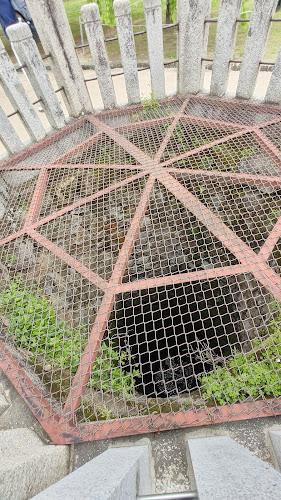
Okiku Well

Engyōji
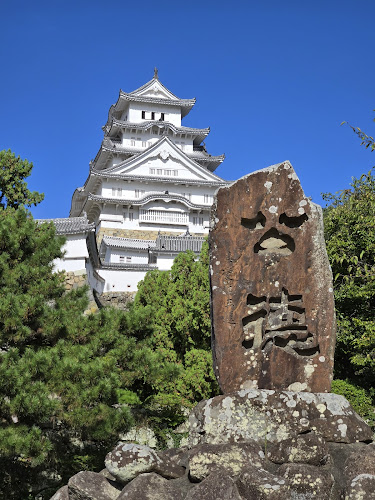
Shiromidai Park
Find Accommodations Nearby
Recommended Tours & Activities
Visitor Reviews
There are no reviews yet. Be the first one to write one.
Share Your Experience
Have you visited 7 Honmachi? Help other travelers by leaving a review.