Guided Sightseeing Tours & Activities in Nasiriyah
- Browse sightseeing excursions and activities in Nasiriyah
- Check live availability, rates & traveler reviews on Viator
- Secure online booking with flexible options

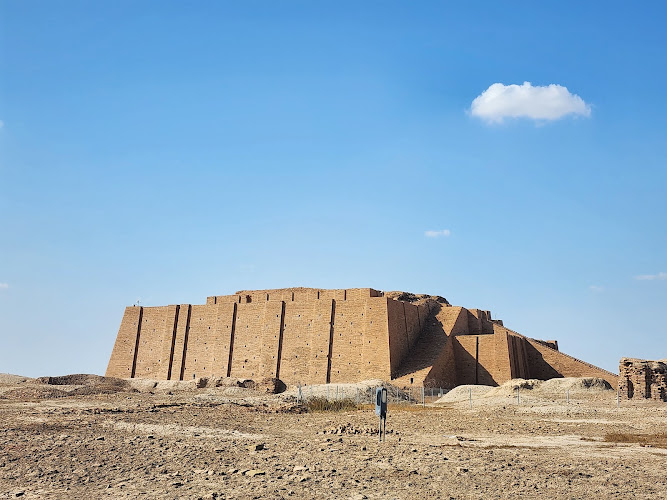
The Great Ziggurat of Ur stands as one of the most impressive architectural achievements from ancient Mesopotamia, and honestly, seeing it in person is something that’ll stick with you long after you’ve left Iraq.
This massive stepped pyramid was originally constructed around 2100 BCE under King Ur-Nammu, and it’s wild to think that people have been visiting, restoring, and worshiping at this site for over four millennia. The structure served as a temple dedicated to the moon god Nanna, and it was essentially the spiritual heart of one of the world’s earliest major cities.
When you first lay eyes on the ziggurat rising from the desert landscape near Nasiriyah, there’s this moment where the sheer scale of human ambition from 4,000 years ago hits you. The reconstruction work done in the 1980s means you’re actually looking at a blend of ancient brickwork and modern restoration, which some purists might gripe about, but I think it helps visitors really grasp what this place looked like in its heyday. The original structure would have been even more imposing, topped with a temple that’s long since vanished.
What makes Ur particularly fascinating is its connection to Abraham, who according to biblical tradition was born in this very city. So you’re not just visiting an archaeological site—you’re standing in a place that’s sacred to millions of people across different faiths. The ziggurat itself is part of a larger complex that once included temples, courtyards, and administrative buildings, though the pyramid-like structure is definitely the star of the show.
Timing your visit to the Great Ziggurat of Ur requires some strategic thinking because, let’s be real, the Iraqi climate can be absolutely brutal if you don’t plan ahead. The best window for visiting falls between October and April, when temperatures are actually bearable for spending several hours exploring an exposed archaeological site in the desert.
November through February is probably your sweet spot. During these months, daytime temperatures typically range from 15°C to 25°C (59°F to 77°F), which is perfect for wandering around ancient ruins without feeling like you’re melting. I’d especially recommend early mornings during these months—there’s something magical about watching the sun rise over a 4,000-year-old monument, and you’ll beat both the heat and the crowds.
March and April can work too, though temperatures start climbing into the 30s Celsius (upper 80s to 90s Fahrenheit). But spring brings occasional wildflowers to the desert landscape, which adds an unexpected touch of beauty to your photos. Just bring extra water and sunscreen.
Avoid summer visits unless you’re some kind of heat warrior. From June through September, temperatures regularly exceed 45°C (113°F), and the ziggurat offers essentially zero shade. Heat exhaustion is a real concern, and honestly, you won’t enjoy the experience when you’re focused solely on not passing out.
Friday mornings can be busier with local visitors, though “crowded” at Ur is relative compared to major tourist sites elsewhere in the world. The site rarely feels overwhelmingly packed. Weekday mornings, especially Tuesday through Thursday, tend to offer the most peaceful experience.
Also worth considering is the security situation in Iraq, which fluctuates. Check current travel advisories from your government before booking, as access to the site can occasionally be restricted. The area around Nasiriyah is generally stable, but staying informed is crucial.
Getting to the Great Ziggurat of Ur requires a bit of planning since it’s not exactly on the typical tourist circuit, but it’s definitely doable and becoming easier as Iraq opens up more to international visitors. The ziggurat is located about 16 kilometers southwest of Nasiriyah in southern Iraq’s Dhi Qar Governorate.
Most international travelers fly into Baghdad International Airport or Basra International Airport. From Baghdad, you’re looking at roughly 365 kilometers (about 227 miles) south to Ur, which translates to a 5-6 hour drive depending on road conditions and checkpoints. From Basra, it’s closer—about 190 kilometers (118 miles) and roughly 2.5-3 hours of driving.
The most practical approach for foreign visitors is arranging transportation through a reputable tour company based in Baghdad or Basra. These companies handle the logistics, know the current security situation, and can navigate checkpoints smoothly. Trying to rent a car and drive independently isn’t really advisable for international tourists right now, even though adventurous travelers have done it.
Some tour operators offer multi-day trips that combine Ur with other ancient Mesopotamian sites like Babylon and Uruk, which maximizes your historical bang for your buck. These tours typically include transportation, guide services, and assistance with any documentation you might need for traveling within Iraq.
If you’re already in Nasiriyah, hiring a taxi for the 30-minute drive to the site is straightforward and relatively inexpensive. Negotiate the fare before departing, and arrange for the driver to wait for you—taxis aren’t exactly lined up at the ziggurat waiting for return fares.
There’s also a small domestic airport in Nasiriyah with limited service from Baghdad, which can save considerable driving time. Flight schedules aren’t always reliable though, so build flexibility into your plans.
Fair warning: you’ll encounter military checkpoints along most routes. This is standard in Iraq, not cause for alarm. Keep your passport handy, be polite, and follow your guide’s instructions. The Iraqi security forces are generally courteous with tourists who have proper documentation.
First things first—bring way more water than you think you’ll need. The desert environment around Ur is dry and hot most of the year, and dehydration sneaks up on you faster than you’d expect. I’d recommend at least two liters per person, maybe more if you’re visiting outside the winter months. There’s limited infrastructure at the site, so you can’t count on purchasing supplies once you arrive.
Sun protection is non-negotiable. We’re talking wide-brimmed hat, high-SPF sunscreen (apply it generously and reapply often), sunglasses, and lightweight long-sleeved clothing. The sun reflects off the ancient bricks and sand, hitting you from multiple angles. Some visitors bring small umbrellas for portable shade, which looks a bit funny but is actually pretty smart.
Wear comfortable, closed-toe shoes with good grip. You might have the opportunity to climb portions of the ancient staircases, and the steps are uneven, steep, and worn from millennia of use. Sandals or flip-flops are asking for a twisted ankle. Sturdy sneakers or hiking shoes are your best bet.
Photography is generally permitted and even encouraged—this site deserves to be shared with the world. The lighting for photos is best in early morning or late afternoon when the sun creates dramatic shadows on the stepped structure. And speaking of photos, bring extra battery packs for your devices since charging opportunities are limited.
Hiring a local guide really enhances the experience. The physical structure is impressive, but understanding the historical context, the religious significance, and the stories of the excavations brings everything to life. Many guides are genuinely passionate about sharing their country’s heritage and can point out details you’d otherwise miss.
Respect the site’s historical and religious significance. This isn’t just an old building—it’s a monument that’s been sacred to people for four thousand years. Don’t climb on areas that are marked off-limits, don’t remove any artifacts (seriously, don’t), and be mindful that some visitors may be there for spiritual reasons.
Dress modestly out of respect for local customs. This means covering shoulders and knees at minimum. Iraq is more relaxed than some neighboring countries regarding dress codes, but showing cultural sensitivity goes a long way in making your visit smoother and more welcome.
Bring cash in Iraqi dinars for entrance fees, guide tips, and any small purchases. Credit cards aren’t accepted at most places in the area. Some travelers carry US dollars as backup, which are often accepted, though you’ll get better value using local currency.
The site has wheelchair accessible parking and entrance areas, making the ground level explorable for visitors with mobility devices. Obviously the staircases themselves present barriers, but you can still appreciate the structure’s magnitude from the base.
Check current visa requirements well in advance of your trip. Iraq’s visa process for tourists has become more streamlined but still requires planning. Some nationalities can obtain visas on arrival, while others need advance authorization.
And here’s something not everyone mentions: bring a sense of perspective and maybe a little patience. This isn’t Disneyland. The facilities are basic, things might not run on schedule, and you might encounter unexpected challenges. But you’re visiting one of humanity’s earliest civilizations in a country that’s been through tremendous hardship. The reward for that patience is standing where the ancient Sumerians stood, looking up at a monument that was ancient before the Roman Empire even existed. That’s pretty special, and honestly worth whatever minor inconveniences come with the journey.

Last modified March 30, 2026
The Great Ziggurat of Ur stands as one of the most impressive architectural achievements from ancient Mesopotamia, and honestly, seeing it in person is something that’ll stick with you long after you’ve left Iraq. This massive stepped pyramid was originally constructed around 2100 BCE under King Ur-Nammu, and it’s wild to think that people have been visiting, restoring, and worshiping at this site for over four millennia. The structure served as a temple dedicated to the moon god Nanna, and it was essentially the spiritual heart of one of the world’s earliest major cities.
When you first lay eyes on the ziggurat rising from the desert landscape near Nasiriyah, there’s this moment where the sheer scale of human ambition from 4,000 years ago hits you. The reconstruction work done in the 1980s means you’re actually looking at a blend of ancient brickwork and modern restoration, which some purists might gripe about, but I think it helps visitors really grasp what this place looked like in its heyday. The original structure would have been even more imposing, topped with a temple that’s long since vanished.
What makes Ur particularly fascinating is its connection to Abraham, who according to biblical tradition was born in this very city. So you’re not just visiting an archaeological site—you’re standing in a place that’s sacred to millions of people across different faiths. The ziggurat itself is part of a larger complex that once included temples, courtyards, and administrative buildings, though the pyramid-like structure is definitely the star of the show.
Timing your visit to the Great Ziggurat of Ur requires some strategic thinking because, let’s be real, the Iraqi climate can be absolutely brutal if you don’t plan ahead. The best window for visiting falls between October and April, when temperatures are actually bearable for spending several hours exploring an exposed archaeological site in the desert.
November through February is probably your sweet spot. During these months, daytime temperatures typically range from 15°C to 25°C (59°F to 77°F), which is perfect for wandering around ancient ruins without feeling like you’re melting. I’d especially recommend early mornings during these months—there’s something magical about watching the sun rise over a 4,000-year-old monument, and you’ll beat both the heat and the crowds.
March and April can work too, though temperatures start climbing into the 30s Celsius (upper 80s to 90s Fahrenheit). But spring brings occasional wildflowers to the desert landscape, which adds an unexpected touch of beauty to your photos. Just bring extra water and sunscreen.
Avoid summer visits unless you’re some kind of heat warrior. From June through September, temperatures regularly exceed 45°C (113°F), and the ziggurat offers essentially zero shade. Heat exhaustion is a real concern, and honestly, you won’t enjoy the experience when you’re focused solely on not passing out.
Friday mornings can be busier with local visitors, though “crowded” at Ur is relative compared to major tourist sites elsewhere in the world. The site rarely feels overwhelmingly packed. Weekday mornings, especially Tuesday through Thursday, tend to offer the most peaceful experience.
Also worth considering is the security situation in Iraq, which fluctuates. Check current travel advisories from your government before booking, as access to the site can occasionally be restricted. The area around Nasiriyah is generally stable, but staying informed is crucial.
Getting to the Great Ziggurat of Ur requires a bit of planning since it’s not exactly on the typical tourist circuit, but it’s definitely doable and becoming easier as Iraq opens up more to international visitors. The ziggurat is located about 16 kilometers southwest of Nasiriyah in southern Iraq’s Dhi Qar Governorate.
Most international travelers fly into Baghdad International Airport or Basra International Airport. From Baghdad, you’re looking at roughly 365 kilometers (about 227 miles) south to Ur, which translates to a 5-6 hour drive depending on road conditions and checkpoints. From Basra, it’s closer—about 190 kilometers (118 miles) and roughly 2.5-3 hours of driving.
The most practical approach for foreign visitors is arranging transportation through a reputable tour company based in Baghdad or Basra. These companies handle the logistics, know the current security situation, and can navigate checkpoints smoothly. Trying to rent a car and drive independently isn’t really advisable for international tourists right now, even though adventurous travelers have done it.
Some tour operators offer multi-day trips that combine Ur with other ancient Mesopotamian sites like Babylon and Uruk, which maximizes your historical bang for your buck. These tours typically include transportation, guide services, and assistance with any documentation you might need for traveling within Iraq.
If you’re already in Nasiriyah, hiring a taxi for the 30-minute drive to the site is straightforward and relatively inexpensive. Negotiate the fare before departing, and arrange for the driver to wait for you—taxis aren’t exactly lined up at the ziggurat waiting for return fares.
There’s also a small domestic airport in Nasiriyah with limited service from Baghdad, which can save considerable driving time. Flight schedules aren’t always reliable though, so build flexibility into your plans.
Fair warning: you’ll encounter military checkpoints along most routes. This is standard in Iraq, not cause for alarm. Keep your passport handy, be polite, and follow your guide’s instructions. The Iraqi security forces are generally courteous with tourists who have proper documentation.
First things first—bring way more water than you think you’ll need. The desert environment around Ur is dry and hot most of the year, and dehydration sneaks up on you faster than you’d expect. I’d recommend at least two liters per person, maybe more if you’re visiting outside the winter months. There’s limited infrastructure at the site, so you can’t count on purchasing supplies once you arrive.
Sun protection is non-negotiable. We’re talking wide-brimmed hat, high-SPF sunscreen (apply it generously and reapply often), sunglasses, and lightweight long-sleeved clothing. The sun reflects off the ancient bricks and sand, hitting you from multiple angles. Some visitors bring small umbrellas for portable shade, which looks a bit funny but is actually pretty smart.
Wear comfortable, closed-toe shoes with good grip. You might have the opportunity to climb portions of the ancient staircases, and the steps are uneven, steep, and worn from millennia of use. Sandals or flip-flops are asking for a twisted ankle. Sturdy sneakers or hiking shoes are your best bet.
Photography is generally permitted and even encouraged—this site deserves to be shared with the world. The lighting for photos is best in early morning or late afternoon when the sun creates dramatic shadows on the stepped structure. And speaking of photos, bring extra battery packs for your devices since charging opportunities are limited.
Hiring a local guide really enhances the experience. The physical structure is impressive, but understanding the historical context, the religious significance, and the stories of the excavations brings everything to life. Many guides are genuinely passionate about sharing their country’s heritage and can point out details you’d otherwise miss.
Respect the site’s historical and religious significance. This isn’t just an old building—it’s a monument that’s been sacred to people for four thousand years. Don’t climb on areas that are marked off-limits, don’t remove any artifacts (seriously, don’t), and be mindful that some visitors may be there for spiritual reasons.
Dress modestly out of respect for local customs. This means covering shoulders and knees at minimum. Iraq is more relaxed than some neighboring countries regarding dress codes, but showing cultural sensitivity goes a long way in making your visit smoother and more welcome.
Bring cash in Iraqi dinars for entrance fees, guide tips, and any small purchases. Credit cards aren’t accepted at most places in the area. Some travelers carry US dollars as backup, which are often accepted, though you’ll get better value using local currency.
The site has wheelchair accessible parking and entrance areas, making the ground level explorable for visitors with mobility devices. Obviously the staircases themselves present barriers, but you can still appreciate the structure’s magnitude from the base.
Check current visa requirements well in advance of your trip. Iraq’s visa process for tourists has become more streamlined but still requires planning. Some nationalities can obtain visas on arrival, while others need advance authorization.
And here’s something not everyone mentions: bring a sense of perspective and maybe a little patience. This isn’t Disneyland. The facilities are basic, things might not run on schedule, and you might encounter unexpected challenges. But you’re visiting one of humanity’s earliest civilizations in a country that’s been through tremendous hardship. The reward for that patience is standing where the ancient Sumerians stood, looking up at a monument that was ancient before the Roman Empire even existed. That’s pretty special, and honestly worth whatever minor inconveniences come with the journey.
No reviews found! Be the first to review!
Great Ziggurat of Ur is a prominent attractions located in Nasiriyah.
Visit us at: X473+473, Nasiriyah, Iraq.
Stay22 provides this accommodation search. We may earn a commission if you book through it; verify current prices and terms with the provider.
GetYourGuide provides this tour inventory. We may earn a commission if you book through it; verify current availability, prices, and terms with the provider.
We may earn a commission if you book through links on this page at no extra cost to you. All tours feature verified customer reviews and flexible cancellation options.
No traveler reviews yet. Share your experience below!
No traveler questions yet. Be the first to ask a local!