Guided Sightseeing Tours & Activities in سنجار
- Browse sightseeing excursions and activities in سنجار
- Check live availability, rates & traveler reviews on Viator
- Secure online booking with flexible options

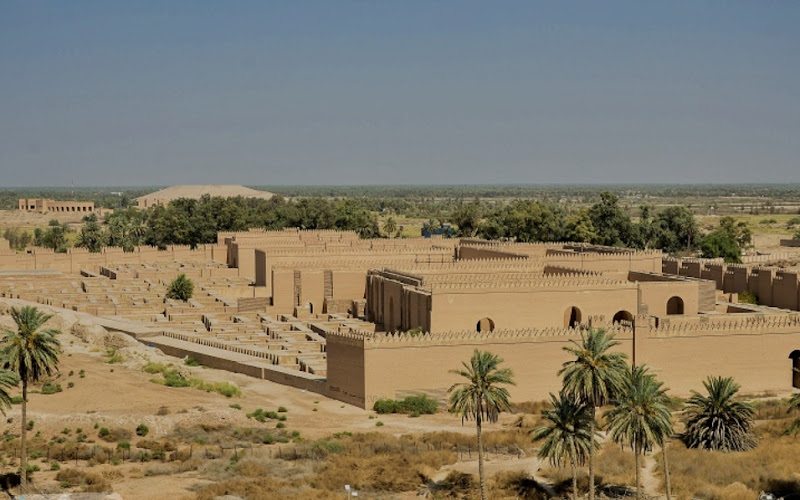
Ancient Babylon stands as one of humanity’s most legendary archaeological sites, and honestly, walking through these ruins feels like stepping into a history book that’s been brought to life right before your eyes.
Located in present-day Iraq, about 85 kilometers south of Baghdad, this ancient Mesopotamian city once served as the capital of the Babylonian Empire and housed one of the Seven Wonders of the Ancient World—the Hanging Gardens, though their exact location remains one of archaeology’s most tantalizing mysteries.
The site today offers travelers a fascinating glimpse into a civilization that thrived more than 4,000 years ago. What strikes most visitors first is the sheer scale of what remains. The reconstructed Ishtar Gate stands as a testament to Babylonian architectural prowess, its blue-glazed bricks adorned with golden lions and dragons that still manage to captivate despite the millennia that have passed. I’ve heard from countless travelers who initially approached the site with skepticism about reconstructions, only to find themselves genuinely moved by the craftsmanship and historical significance.
The archaeological museum on-site houses artifacts that tell stories of daily life, religious practices, and the administrative sophistication of ancient Babylon. Clay tablets inscribed with cuneiform script sit alongside jewelry, pottery, and tools that belonged to people who lived when this was one of the world’s most powerful cities. King Nebuchadnezzar II made this his capital around 605 BCE, transforming it into a marvel that ancient writers couldn’t stop talking about.
But let’s be real here—visiting Ancient Babylon requires realistic expectations. The site has weathered not just time but also modern conflicts, reconstruction efforts that historians debate, and the challenges of preservation in a region that’s seen its share of turmoil. Some areas show their age and the impact of less-than-ideal restoration work from decades past. Yet there’s something profoundly moving about standing where Hammurabi once established his famous code of laws, where scholars studied astronomy, and where mathematics advanced in ways that still influence us today.
The site offers several remarkable elements that make it worth the journey:
• The reconstructed Ishtar Gate with its striking blue-glazed brick facade and relief sculptures of dragons and aurochs, originally one of eight gates that provided entry to the inner city
• The Processional Way, a grand avenue that once connected the gate to the temple complex, where religious processions honoring the god Marduk took place during New Year festivals
• Remnants of Nebuchadnezzar’s Southern Palace, where you can still see throne room foundations and imagine the grandeur of ancient royal life
• The archaeological museum displaying cuneiform tablets, cylinder seals, pottery, and artifacts spanning multiple periods of Babylonian history
• Ruins of ancient residential areas that provide insight into how ordinary Babylonians lived, worked, and organized their communities
• The site of what may have been the Tower of Babel, though this remains a subject of ongoing archaeological debate and investigation
• Ancient city walls that once stretched for miles, protecting what was then the world’s largest city with a population exceeding 200,000 people
• Wheelchair accessible pathways and facilities making the site more inclusive for visitors with mobility challenges
• Information plaques throughout the grounds explaining the significance of various structures and archaeological findings
• Views across the Euphrates River valley that help visitors understand why this location was chosen for such an important ancient city
Timing your visit to Ancient Babylon matters more than you might think, and the weather can make or break your experience. The Iraqi climate is unforgiving during summer months when temperatures regularly soar above 45°C (113°F), and trust me, trying to explore ancient ruins in that kind of heat isn’t just uncomfortable—it’s potentially dangerous.
The optimal window for visiting runs from late October through early April. November through March offers the most pleasant conditions, with daytime temperatures ranging from 15°C to 25°C (59°F to 77°F). These months provide comfortable weather for spending several hours outdoors exploring the ruins without feeling like you’re melting into the ancient stones beneath your feet.
December and January can get surprisingly chilly, especially during early morning and evening hours, so packing layers is smart. And yes, it does rain occasionally during winter months, though precipitation remains relatively light compared to other regions. A light jacket and perhaps a rain shell should suffice for most situations.
Spring, particularly March and early April, brings wildflowers that add unexpected beauty to the archaeological landscape. The surrounding plains transform briefly before the intense summer heat sets in, creating photo opportunities you won’t find during other seasons.
Avoid visiting from June through September unless you have compelling reasons and serious heat tolerance. The combination of extreme temperatures, dust storms, and minimal shade across the archaeological site makes summer exploration genuinely challenging. Most local guides will tell you the same thing—summer visits just aren’t worth the discomfort.
Weekdays typically see fewer visitors than weekends, giving you more space to explore and photograph without crowds. Early morning visits, starting around 8 or 9 AM, offer the best light for photography and slightly cooler temperatures before the day fully heats up.
Getting to Ancient Babylon requires planning and awareness of the current security situation in Iraq, which has improved significantly in recent years but still demands attention to travel advisories from your home country.
Most international travelers fly into Baghdad International Airport, which connects to major cities across the Middle East, Europe, and Asia. From Baghdad, the journey to Babylon covers approximately 85 kilometers southward, typically taking between 90 minutes to two hours depending on traffic and security checkpoints.
Hiring a private driver or joining an organized tour from Baghdad remains the most practical option for most international visitors. Several tour companies in Baghdad specialize in archaeological site visits and handle logistics including permits, transportation, and guides. This approach costs more but eliminates considerable hassle and safety concerns about navigating unfamiliar roads independently.
The drive itself passes through the modern city of Hillah, which sits adjacent to the ancient site. Hillah serves as the provincial capital of Babil Governorate and offers basic amenities including restaurants, fuel stations, and a few hotels if you prefer staying closer to the ruins rather than day-tripping from Baghdad.
Public transportation exists between Baghdad and Hillah, with buses departing from Baghdad’s main terminals. However, this option suits adventurous travelers comfortable navigating language barriers and local transportation systems. Once in Hillah, taxis can bring you the final distance to the archaeological site.
Renting a car in Baghdad is possible though generally not recommended for foreign visitors unfamiliar with local driving conditions, security considerations, and checkpoint procedures. Road signage isn’t always clear, and GPS reliability varies outside major urban areas.
Before traveling, register with your embassy in Baghdad and research current travel advisories. Security conditions can change, and certain areas may have restrictions or require advance permissions for foreign visitors. Working with reputable local tour operators who understand current requirements makes the entire process smoother and safer.
Preparation makes all the difference when visiting Ancient Babylon, and a few practical considerations will enhance your experience significantly.
Dress modestly and respectfully, keeping in mind you’re visiting a site in a conservative region. Long pants and shirts covering shoulders work for all genders. Women should bring a headscarf, though requirements vary depending on whether you’re with a tour group or visiting independently. Comfortable, sturdy walking shoes are essential—the terrain is uneven and you’ll be on your feet for hours.
Bring more water than you think you’ll need. Even during cooler months, staying hydrated matters when you’re spending hours outdoors exploring. Food options near the site are limited, so packing snacks or a light lunch is smart. And before you ask—yes, there are restroom facilities on site, though they’re basic.
The site is indeed wheelchair accessible with paved pathways reaching major areas, which represents a genuine effort at inclusivity that many ancient sites lack. Families with children will find the ruins generally kid-friendly, though keeping younger ones engaged requires some creativity. Bringing a book with pictures or stories about ancient Mesopotamia helps spark imagination as they explore.
Photography is generally permitted, but confirm current rules with your guide or at the entrance. Some museum areas may restrict photography, particularly of certain artifacts. Drone usage typically requires special permission obtained well in advance.
Hiring a knowledgeable guide transforms the experience from merely seeing old ruins to understanding the sophisticated civilization that created them. Many guides speak English and can explain historical context that brings the site alive in ways self-guided exploration simply can’t match. Their stories about archaeological discoveries, historical figures, and daily life in ancient times add layers of meaning to what you’re seeing.
Currency matters—bring Iraqi dinars in cash as card payment options are extremely limited. ATMs in Hillah exist but relying on them isn’t advisable. Exchange money in Baghdad before making the trip.
Allow at least three to four hours for a thorough visit. Rushing through diminishes the experience, and you’ve come too far to sprint past millennia of history. The archaeological museum alone deserves substantial time, and the ruins themselves invite contemplation and unhurried exploration.
Check current visa requirements well before your planned visit. Iraq’s visa policies have changed in recent years, with many nationalities now eligible for visa on arrival, but regulations vary and can shift. Starting the visa process early avoids last-minute complications.
Consider the broader context of traveling in Iraq. While the security situation has improved dramatically from its darkest periods, staying informed and exercising reasonable caution remains important. Connect with other travelers who’ve recently visited, check reliable news sources, and maintain flexibility in your plans.
Finally, approach your visit with both realistic expectations and genuine curiosity. Ancient Babylon won’t look like a movie set or pristinely preserved ruins you might encounter elsewhere. What it offers instead is something more profound—a connection to human history stretching back to civilization’s earliest chapters, a chance to stand where empires rose and fell, and an understanding of how much the ancient world still shapes our modern lives. That’s worth far more than perfect preservation could ever deliver.

Last modified March 30, 2026
Ancient Babylon stands as one of humanity’s most legendary archaeological sites, and honestly, walking through these ruins feels like stepping into a history book that’s been brought to life right before your eyes. Located in present-day Iraq, about 85 kilometers south of Baghdad, this ancient Mesopotamian city once served as the capital of the Babylonian Empire and housed one of the Seven Wonders of the Ancient World—the Hanging Gardens, though their exact location remains one of archaeology’s most tantalizing mysteries.
The site today offers travelers a fascinating glimpse into a civilization that thrived more than 4,000 years ago. What strikes most visitors first is the sheer scale of what remains. The reconstructed Ishtar Gate stands as a testament to Babylonian architectural prowess, its blue-glazed bricks adorned with golden lions and dragons that still manage to captivate despite the millennia that have passed. I’ve heard from countless travelers who initially approached the site with skepticism about reconstructions, only to find themselves genuinely moved by the craftsmanship and historical significance.
The archaeological museum on-site houses artifacts that tell stories of daily life, religious practices, and the administrative sophistication of ancient Babylon. Clay tablets inscribed with cuneiform script sit alongside jewelry, pottery, and tools that belonged to people who lived when this was one of the world’s most powerful cities. King Nebuchadnezzar II made this his capital around 605 BCE, transforming it into a marvel that ancient writers couldn’t stop talking about.
But let’s be real here—visiting Ancient Babylon requires realistic expectations. The site has weathered not just time but also modern conflicts, reconstruction efforts that historians debate, and the challenges of preservation in a region that’s seen its share of turmoil. Some areas show their age and the impact of less-than-ideal restoration work from decades past. Yet there’s something profoundly moving about standing where Hammurabi once established his famous code of laws, where scholars studied astronomy, and where mathematics advanced in ways that still influence us today.
The site offers several remarkable elements that make it worth the journey:
• The reconstructed Ishtar Gate with its striking blue-glazed brick facade and relief sculptures of dragons and aurochs, originally one of eight gates that provided entry to the inner city
• The Processional Way, a grand avenue that once connected the gate to the temple complex, where religious processions honoring the god Marduk took place during New Year festivals
• Remnants of Nebuchadnezzar’s Southern Palace, where you can still see throne room foundations and imagine the grandeur of ancient royal life
• The archaeological museum displaying cuneiform tablets, cylinder seals, pottery, and artifacts spanning multiple periods of Babylonian history
• Ruins of ancient residential areas that provide insight into how ordinary Babylonians lived, worked, and organized their communities
• The site of what may have been the Tower of Babel, though this remains a subject of ongoing archaeological debate and investigation
• Ancient city walls that once stretched for miles, protecting what was then the world’s largest city with a population exceeding 200,000 people
• Wheelchair accessible pathways and facilities making the site more inclusive for visitors with mobility challenges
• Information plaques throughout the grounds explaining the significance of various structures and archaeological findings
• Views across the Euphrates River valley that help visitors understand why this location was chosen for such an important ancient city
Timing your visit to Ancient Babylon matters more than you might think, and the weather can make or break your experience. The Iraqi climate is unforgiving during summer months when temperatures regularly soar above 45°C (113°F), and trust me, trying to explore ancient ruins in that kind of heat isn’t just uncomfortable—it’s potentially dangerous.
The optimal window for visiting runs from late October through early April. November through March offers the most pleasant conditions, with daytime temperatures ranging from 15°C to 25°C (59°F to 77°F). These months provide comfortable weather for spending several hours outdoors exploring the ruins without feeling like you’re melting into the ancient stones beneath your feet.
December and January can get surprisingly chilly, especially during early morning and evening hours, so packing layers is smart. And yes, it does rain occasionally during winter months, though precipitation remains relatively light compared to other regions. A light jacket and perhaps a rain shell should suffice for most situations.
Spring, particularly March and early April, brings wildflowers that add unexpected beauty to the archaeological landscape. The surrounding plains transform briefly before the intense summer heat sets in, creating photo opportunities you won’t find during other seasons.
Avoid visiting from June through September unless you have compelling reasons and serious heat tolerance. The combination of extreme temperatures, dust storms, and minimal shade across the archaeological site makes summer exploration genuinely challenging. Most local guides will tell you the same thing—summer visits just aren’t worth the discomfort.
Weekdays typically see fewer visitors than weekends, giving you more space to explore and photograph without crowds. Early morning visits, starting around 8 or 9 AM, offer the best light for photography and slightly cooler temperatures before the day fully heats up.
Getting to Ancient Babylon requires planning and awareness of the current security situation in Iraq, which has improved significantly in recent years but still demands attention to travel advisories from your home country.
Most international travelers fly into Baghdad International Airport, which connects to major cities across the Middle East, Europe, and Asia. From Baghdad, the journey to Babylon covers approximately 85 kilometers southward, typically taking between 90 minutes to two hours depending on traffic and security checkpoints.
Hiring a private driver or joining an organized tour from Baghdad remains the most practical option for most international visitors. Several tour companies in Baghdad specialize in archaeological site visits and handle logistics including permits, transportation, and guides. This approach costs more but eliminates considerable hassle and safety concerns about navigating unfamiliar roads independently.
The drive itself passes through the modern city of Hillah, which sits adjacent to the ancient site. Hillah serves as the provincial capital of Babil Governorate and offers basic amenities including restaurants, fuel stations, and a few hotels if you prefer staying closer to the ruins rather than day-tripping from Baghdad.
Public transportation exists between Baghdad and Hillah, with buses departing from Baghdad’s main terminals. However, this option suits adventurous travelers comfortable navigating language barriers and local transportation systems. Once in Hillah, taxis can bring you the final distance to the archaeological site.
Renting a car in Baghdad is possible though generally not recommended for foreign visitors unfamiliar with local driving conditions, security considerations, and checkpoint procedures. Road signage isn’t always clear, and GPS reliability varies outside major urban areas.
Before traveling, register with your embassy in Baghdad and research current travel advisories. Security conditions can change, and certain areas may have restrictions or require advance permissions for foreign visitors. Working with reputable local tour operators who understand current requirements makes the entire process smoother and safer.
Preparation makes all the difference when visiting Ancient Babylon, and a few practical considerations will enhance your experience significantly.
Dress modestly and respectfully, keeping in mind you’re visiting a site in a conservative region. Long pants and shirts covering shoulders work for all genders. Women should bring a headscarf, though requirements vary depending on whether you’re with a tour group or visiting independently. Comfortable, sturdy walking shoes are essential—the terrain is uneven and you’ll be on your feet for hours.
Bring more water than you think you’ll need. Even during cooler months, staying hydrated matters when you’re spending hours outdoors exploring. Food options near the site are limited, so packing snacks or a light lunch is smart. And before you ask—yes, there are restroom facilities on site, though they’re basic.
The site is indeed wheelchair accessible with paved pathways reaching major areas, which represents a genuine effort at inclusivity that many ancient sites lack. Families with children will find the ruins generally kid-friendly, though keeping younger ones engaged requires some creativity. Bringing a book with pictures or stories about ancient Mesopotamia helps spark imagination as they explore.
Photography is generally permitted, but confirm current rules with your guide or at the entrance. Some museum areas may restrict photography, particularly of certain artifacts. Drone usage typically requires special permission obtained well in advance.
Hiring a knowledgeable guide transforms the experience from merely seeing old ruins to understanding the sophisticated civilization that created them. Many guides speak English and can explain historical context that brings the site alive in ways self-guided exploration simply can’t match. Their stories about archaeological discoveries, historical figures, and daily life in ancient times add layers of meaning to what you’re seeing.
Currency matters—bring Iraqi dinars in cash as card payment options are extremely limited. ATMs in Hillah exist but relying on them isn’t advisable. Exchange money in Baghdad before making the trip.
Allow at least three to four hours for a thorough visit. Rushing through diminishes the experience, and you’ve come too far to sprint past millennia of history. The archaeological museum alone deserves substantial time, and the ruins themselves invite contemplation and unhurried exploration.
Check current visa requirements well before your planned visit. Iraq’s visa policies have changed in recent years, with many nationalities now eligible for visa on arrival, but regulations vary and can shift. Starting the visa process early avoids last-minute complications.
Consider the broader context of traveling in Iraq. While the security situation has improved dramatically from its darkest periods, staying informed and exercising reasonable caution remains important. Connect with other travelers who’ve recently visited, check reliable news sources, and maintain flexibility in your plans.
Finally, approach your visit with both realistic expectations and genuine curiosity. Ancient Babylon won’t look like a movie set or pristinely preserved ruins you might encounter elsewhere. What it offers instead is something more profound—a connection to human history stretching back to civilization’s earliest chapters, a chance to stand where empires rose and fell, and an understanding of how much the ancient world still shapes our modern lives. That’s worth far more than perfect preservation could ever deliver.
No reviews found! Be the first to review!
Ancient Babylon is a prominent مَعلم تاريخي located in سنجار.
Visit us at: Unnamed Road Babylon بابل، 51001, Iraq.
Stay22 provides this accommodation search. We may earn a commission if you book through it; verify current prices and terms with the provider.
GetYourGuide provides this tour inventory. We may earn a commission if you book through it; verify current availability, prices, and terms with the provider.
We may earn a commission if you book through links on this page at no extra cost to you. All tours feature verified customer reviews and flexible cancellation options.
No traveler reviews yet. Share your experience below!
No traveler questions yet. Be the first to ask a local!