Ishtar Gate
About Ishtar Gate
Description
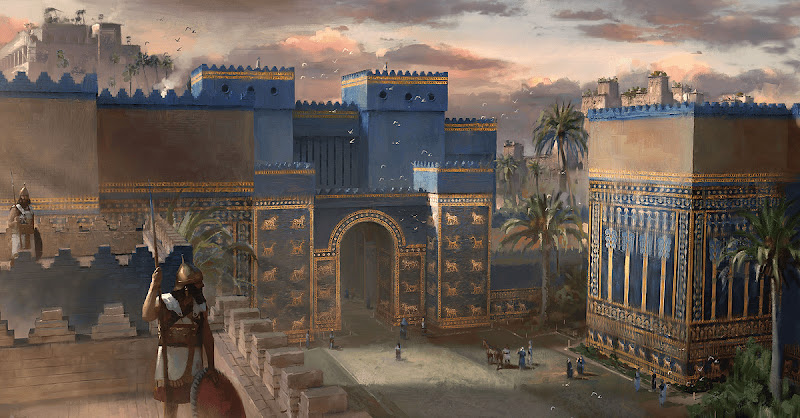
Standing before the reconstructed Ishtar Gate is like stepping into a time machine that whisks you back thousands of years to when Babylon was the crown jewel of ancient Mesopotamia. This isn't just another pile of old stones – it's a stunning modern reconstruction of one of the most celebrated monuments from the ancient world, complete with those distinctive blue-glazed bricks that made the original gate famous throughout the ancient Near East. The gate you'll see today at the Babylon archaeological site represents the inner city gate that once welcomed visitors into the heart of one of history's most powerful civilizations. King Nebuchadnezzar II commissioned the original around 575 BCE, and what a statement piece it was. Covered in lapis lazuli-colored glazed bricks and decorated with alternating rows of dragons and bulls, it was designed to intimidate enemies and impress allies in equal measure. Now, I'll be honest with you – this is a reconstruction, not the original. The actual Ishtar Gate, or at least significant portions of it, sits in the Pergamon Museum in Berlin after German archaeologists excavated it in the early 20th century. But don't let that diminish your excitement. What Iraq has rebuilt at the original site is still remarkably impressive and gives you a genuine sense of the scale and ambition of ancient Babylonian architecture. The bright blue tiles catch the Iraqi sun in a way that photographs simply can't capture, and standing beneath the arch, you'll understand why ancient travelers spoke of Babylon's wonders with such reverence. The reconstruction work has been ongoing for decades, with various phases of restoration and rebuilding that continue to this day.Key Features
The Ishtar Gate offers visitors several distinctive elements that make it worth the journey to this historic site:- The Blue-Glazed Brickwork: Those famous cobalt blue bricks aren't just pretty – they're a masterclass in ancient ceramic technology that the Babylonians perfected centuries before other civilizations caught on
- Relief Animal Decorations: Look closely and you'll spot the alternating patterns of aurochs (an extinct type of wild cattle) and mušḫuššu dragons, mythological creatures sacred to Marduk, Babylon's patron god
- Processional Way: The gate was actually the grand entrance to the Processional Way, which stretched through the city during religious festivals – you can walk part of this ancient street yourself
- Dual Gate System: The structure you see is actually the smaller inner gate; the original complex included a larger outer gate that created a fortified passage between the walls
- Archaeological Context: The gate sits within the broader Babylon ruins, giving you access to explore remnants of Nebuchadnezzar's palace, the supposed hanging gardens location, and other ancient structures
- Information Plaques: Throughout the site you'll find explanatory signs in multiple languages helping decode what you're looking at
- Museum Exhibits: Small on-site displays showcase artifacts, photographs from excavations, and models showing how ancient Babylon would have appeared at its peak
- Viewing Platforms: Several elevated positions let you appreciate the gate's full height and the surrounding archaeological landscape
Best Time to Visit
Timing your visit to the Ishtar Gate requires some strategic thinking because Iraqi weather can be brutal if you don't plan accordingly. The absolute best months are November through March. During this winter period, temperatures hover in the comfortable range of 15-20°C (59-68°F), making it pleasant to walk around the archaeological site without melting into a puddle. I can't stress enough how important this is – the Babylon ruins offer minimal shade, and you'll be doing quite a bit of walking. December and January represent the sweet spot when you'll encounter fewer tourists and the most comfortable conditions. However, these months do bring occasional rain, so pack accordingly. A light rain jacket won't go amiss in your daypack. April and October are shoulder season months that can work if you're flexible. Mornings and late afternoons during these months are still manageable temperature-wise. But by midday, particularly in October when summer's heat is still lingering, you might find yourself seeking refuge from the sun. May through September? Unless you have a particular fondness for temperatures exceeding 45°C (113°F), I'd give these months a hard pass. The heat during Iraqi summers isn't just uncomfortable – it's genuinely dangerous for extended outdoor exposure. And remember, this is an open archaeological site with limited air-conditioned spaces. If you absolutely must visit during warmer months, arrive at opening time. Early morning hours before 10 AM offer your best chance of exploring before the heat becomes oppressive. Bring at least twice as much water as you think you'll need. Friday is the Muslim holy day, so the site might see different visitor patterns or modified hours. Double-check current opening times before you go, especially during Ramadan when schedules shift considerably.How to Get There
Getting to the Ishtar Gate requires a bit more planning than your typical tourist destination, but it's absolutely doable with some preparation. The Babylon archaeological site sits roughly 85 kilometers south of Baghdad, making it a day trip from Iraq's capital city. Most international visitors fly into Baghdad International Airport, which serves as the primary gateway for travelers heading to Babylon. From Baghdad, you've got several transport options. Hiring a private driver is probably your safest and most comfortable bet. Yes, it costs more than public transport, but the convenience and security make it worthwhile for most travelers. The drive takes about 90 minutes to two hours depending on traffic and road conditions. Your hotel in Baghdad can typically arrange this for you – just negotiate the price beforehand and confirm whether they'll wait while you explore or return to collect you at a specified time. Tour companies operating in Baghdad offer organized trips to Babylon that include the Ishtar Gate as the main attraction. These usually bundle transportation, guide services, and sometimes meals into one package. For first-time visitors to Iraq or those uncertain about traveling independently, this option provides peace of mind. If you're more adventurous and comfortable with local transport, buses run from Baghdad's southern bus stations toward Hillah, the modern city near ancient Babylon. From Hillah, you'll need a taxi to reach the archaeological site itself. This option saves money but requires more time, flexibility, and probably some basic Arabic phrases. The site has dedicated parking areas with wheelchair-accessible spots located close to the entrance. The facilities have been designed with accessibility in mind, which is refreshing to see at an ancient site.Tips for Visiting
Let me share some practical wisdom that'll make your Ishtar Gate experience much more enjoyable. First thing – and I can't emphasize this enough – bring more water than seems reasonable. Even during cooler months, you'll want at least one liter per person, probably two. There are vendors near the site, but prices get inflated and selection can be limited. Dress respectfully and practically. Iraq is a conservative country, so covering shoulders and knees is essential regardless of your gender. Loose, light-colored clothing works best. And please, for the love of all that's holy, wear proper walking shoes. Those Instagram-worthy sandals might look cute, but ancient archaeological sites with uneven surfaces aren't the place for them. Sunscreen, hats, and sunglasses aren't optional accessories – they're survival equipment. The sun reflects off those blue tiles and the sandy ground something fierce. Photography is generally permitted, but always check current rules at the entrance. Some areas might have restrictions, particularly if conservation work is ongoing. Drone usage typically requires special permission obtained well in advance. The site is indeed wheelchair accessible with ramps and paved pathways, though some outlying areas of the broader Babylon ruins might prove challenging. Accessible restrooms are available near the main entrance. Budget around two to three hours for a thorough visit. You could rush through in less time, but why would you travel all this way just to tick a box? Consider hiring a local guide if your budget allows. The information plaques provide basics, but a knowledgeable guide brings the history alive with stories and details you'd otherwise miss. The difference between reading "this is an ancient gate" and understanding the religious festivals, political power plays, and daily life of Babylonians is immense. Check the current security situation before finalizing your plans. Iraq has made tremendous strides in stability and safety for tourists, but conditions can change. Register with your embassy, follow current travel advisories, and stay informed. Bring some small Iraqi dinar bills for entrance fees, tips, and any purchases. Credit cards aren't widely accepted at the site. The lighting changes dramatically throughout the day. Early morning offers soft, golden light that's gorgeous for photography. Late afternoon creates long shadows that emphasize the relief decorations on the bricks. Midday sun, while harsh, makes those blue tiles absolutely glow. And finally, manage your expectations realistically. This is a reconstruction at an active archaeological site, not a theme park. You're visiting a place that connects you directly to one of humanity's earliest and most influential civilizations. The experience rewards those who come with curiosity, respect, and imagination to envision what once stood here when Babylon ruled the ancient world.Key Features
- Glazed brick reliefs depicting lions, aurochs and the mušḫuššu dragon
- Partial reconstruction using original archaeological fragments
- Imposing scale and vivid blue glazed tiles
- Location on the ancient Processional Way of Babylon
- Onsite displays and information panels explaining Neo‑Babylonian history
More Details
Updated March 30, 2026
Table of Contents
Description
Standing before the reconstructed Ishtar Gate is like stepping into a time machine that whisks you back thousands of years to when Babylon was the crown jewel of ancient Mesopotamia. This isn’t just another pile of old stones – it’s a stunning modern reconstruction of one of the most celebrated monuments from the ancient world, complete with those distinctive blue-glazed bricks that made the original gate famous throughout the ancient Near East.
The gate you’ll see today at the Babylon archaeological site represents the inner city gate that once welcomed visitors into the heart of one of history’s most powerful civilizations. King Nebuchadnezzar II commissioned the original around 575 BCE, and what a statement piece it was. Covered in lapis lazuli-colored glazed bricks and decorated with alternating rows of dragons and bulls, it was designed to intimidate enemies and impress allies in equal measure.
Now, I’ll be honest with you – this is a reconstruction, not the original. The actual Ishtar Gate, or at least significant portions of it, sits in the Pergamon Museum in Berlin after German archaeologists excavated it in the early 20th century. But don’t let that diminish your excitement. What Iraq has rebuilt at the original site is still remarkably impressive and gives you a genuine sense of the scale and ambition of ancient Babylonian architecture.
The bright blue tiles catch the Iraqi sun in a way that photographs simply can’t capture, and standing beneath the arch, you’ll understand why ancient travelers spoke of Babylon’s wonders with such reverence. The reconstruction work has been ongoing for decades, with various phases of restoration and rebuilding that continue to this day.
Key Features
The Ishtar Gate offers visitors several distinctive elements that make it worth the journey to this historic site:
- The Blue-Glazed Brickwork: Those famous cobalt blue bricks aren’t just pretty – they’re a masterclass in ancient ceramic technology that the Babylonians perfected centuries before other civilizations caught on
- Relief Animal Decorations: Look closely and you’ll spot the alternating patterns of aurochs (an extinct type of wild cattle) and mušḫuššu dragons, mythological creatures sacred to Marduk, Babylon’s patron god
- Processional Way: The gate was actually the grand entrance to the Processional Way, which stretched through the city during religious festivals – you can walk part of this ancient street yourself
- Dual Gate System: The structure you see is actually the smaller inner gate; the original complex included a larger outer gate that created a fortified passage between the walls
- Archaeological Context: The gate sits within the broader Babylon ruins, giving you access to explore remnants of Nebuchadnezzar’s palace, the supposed hanging gardens location, and other ancient structures
- Information Plaques: Throughout the site you’ll find explanatory signs in multiple languages helping decode what you’re looking at
- Museum Exhibits: Small on-site displays showcase artifacts, photographs from excavations, and models showing how ancient Babylon would have appeared at its peak
- Viewing Platforms: Several elevated positions let you appreciate the gate’s full height and the surrounding archaeological landscape
Best Time to Visit
Timing your visit to the Ishtar Gate requires some strategic thinking because Iraqi weather can be brutal if you don’t plan accordingly.
The absolute best months are November through March. During this winter period, temperatures hover in the comfortable range of 15-20°C (59-68°F), making it pleasant to walk around the archaeological site without melting into a puddle. I can’t stress enough how important this is – the Babylon ruins offer minimal shade, and you’ll be doing quite a bit of walking.
December and January represent the sweet spot when you’ll encounter fewer tourists and the most comfortable conditions. However, these months do bring occasional rain, so pack accordingly. A light rain jacket won’t go amiss in your daypack.
April and October are shoulder season months that can work if you’re flexible. Mornings and late afternoons during these months are still manageable temperature-wise. But by midday, particularly in October when summer’s heat is still lingering, you might find yourself seeking refuge from the sun.
May through September? Unless you have a particular fondness for temperatures exceeding 45°C (113°F), I’d give these months a hard pass. The heat during Iraqi summers isn’t just uncomfortable – it’s genuinely dangerous for extended outdoor exposure. And remember, this is an open archaeological site with limited air-conditioned spaces.
If you absolutely must visit during warmer months, arrive at opening time. Early morning hours before 10 AM offer your best chance of exploring before the heat becomes oppressive. Bring at least twice as much water as you think you’ll need.
Friday is the Muslim holy day, so the site might see different visitor patterns or modified hours. Double-check current opening times before you go, especially during Ramadan when schedules shift considerably.
How to Get There
Getting to the Ishtar Gate requires a bit more planning than your typical tourist destination, but it’s absolutely doable with some preparation.
The Babylon archaeological site sits roughly 85 kilometers south of Baghdad, making it a day trip from Iraq’s capital city. Most international visitors fly into Baghdad International Airport, which serves as the primary gateway for travelers heading to Babylon.
From Baghdad, you’ve got several transport options. Hiring a private driver is probably your safest and most comfortable bet. Yes, it costs more than public transport, but the convenience and security make it worthwhile for most travelers. The drive takes about 90 minutes to two hours depending on traffic and road conditions. Your hotel in Baghdad can typically arrange this for you – just negotiate the price beforehand and confirm whether they’ll wait while you explore or return to collect you at a specified time.
Tour companies operating in Baghdad offer organized trips to Babylon that include the Ishtar Gate as the main attraction. These usually bundle transportation, guide services, and sometimes meals into one package. For first-time visitors to Iraq or those uncertain about traveling independently, this option provides peace of mind.
If you’re more adventurous and comfortable with local transport, buses run from Baghdad’s southern bus stations toward Hillah, the modern city near ancient Babylon. From Hillah, you’ll need a taxi to reach the archaeological site itself. This option saves money but requires more time, flexibility, and probably some basic Arabic phrases.
The site has dedicated parking areas with wheelchair-accessible spots located close to the entrance. The facilities have been designed with accessibility in mind, which is refreshing to see at an ancient site.
Tips for Visiting
Let me share some practical wisdom that’ll make your Ishtar Gate experience much more enjoyable.
First thing – and I can’t emphasize this enough – bring more water than seems reasonable. Even during cooler months, you’ll want at least one liter per person, probably two. There are vendors near the site, but prices get inflated and selection can be limited.
Dress respectfully and practically. Iraq is a conservative country, so covering shoulders and knees is essential regardless of your gender. Loose, light-colored clothing works best. And please, for the love of all that’s holy, wear proper walking shoes. Those Instagram-worthy sandals might look cute, but ancient archaeological sites with uneven surfaces aren’t the place for them.
Sunscreen, hats, and sunglasses aren’t optional accessories – they’re survival equipment. The sun reflects off those blue tiles and the sandy ground something fierce.
Photography is generally permitted, but always check current rules at the entrance. Some areas might have restrictions, particularly if conservation work is ongoing. Drone usage typically requires special permission obtained well in advance.
The site is indeed wheelchair accessible with ramps and paved pathways, though some outlying areas of the broader Babylon ruins might prove challenging. Accessible restrooms are available near the main entrance.
Budget around two to three hours for a thorough visit. You could rush through in less time, but why would you travel all this way just to tick a box?
Consider hiring a local guide if your budget allows. The information plaques provide basics, but a knowledgeable guide brings the history alive with stories and details you’d otherwise miss. The difference between reading “this is an ancient gate” and understanding the religious festivals, political power plays, and daily life of Babylonians is immense.
Check the current security situation before finalizing your plans. Iraq has made tremendous strides in stability and safety for tourists, but conditions can change. Register with your embassy, follow current travel advisories, and stay informed.
Bring some small Iraqi dinar bills for entrance fees, tips, and any purchases. Credit cards aren’t widely accepted at the site.
The lighting changes dramatically throughout the day. Early morning offers soft, golden light that’s gorgeous for photography. Late afternoon creates long shadows that emphasize the relief decorations on the bricks. Midday sun, while harsh, makes those blue tiles absolutely glow.
And finally, manage your expectations realistically. This is a reconstruction at an active archaeological site, not a theme park. You’re visiting a place that connects you directly to one of humanity’s earliest and most influential civilizations. The experience rewards those who come with curiosity, respect, and imagination to envision what once stood here when Babylon ruled the ancient world.
Key Highlights
- Glazed brick reliefs depicting lions, aurochs and the mušḫuššu dragon
- Partial reconstruction using original archaeological fragments
- Imposing scale and vivid blue glazed tiles
- Location on the ancient Processional Way of Babylon
- Onsite displays and information panels explaining Neo‑Babylonian history
Location
Places to Stay Near Ishtar Gate
Find and Book a Tour
Explore More Travel Guides
No reviews found! Be the first to review!
Ishtar Gate is a prominent attractions located in Hillah.
Visit us at: GCRF+2PW، Unnamed Road، سنجار, Iraq.
Traveler Reviews for Ishtar Gate
There are no reviews yet. Be the first one to write one.
Have you visited Ishtar Gate? Help other travelers by sharing your review.
Nearby Attractions
Find Accommodations Nearby
Recommended Tours & Activities
Visitor Reviews
There are no reviews yet. Be the first one to write one.
Share Your Experience
Have you visited Ishtar Gate? Help other travelers by leaving a review.
