Hiking area 3.8 Rahhaliyah, IraqCommunity Guide

Rahhaliyah

Q627+WH, Rahhaliyah, Iraq

Rahhaliyah
2 Photos

About & Overview

Ar Rahaliyah sits quietly in Iraq’s Al-Anbar Governorate, right along the western shores of Lake Milh, and honestly, this place doesn’t get nearly enough attention from travelers who venture into this part of the world.

Highlights & Key Features

  • Key Features
  • Best Time to Visit
  • How to Get There
  • Tips for Visiting

Visitor Guide & Information

Description

Ar Rahaliyah sits quietly in Iraq’s Al-Anbar Governorate, right along the western shores of Lake Milh, and honestly, this place doesn’t get nearly enough attention from travelers who venture into this part of the world. The town has this understated charm that you won’t find plastered all over Instagram feeds or tourist brochures, which frankly makes it all the more interesting for those who actually want to experience something genuine.

What really caught my attention about Rahaliyah was its historical significance in Iraq’s agricultural heritage. Back in 1921, this town was famous—and I mean really famous—for its absolutely massive palm date groves. We’re talking about “immense” production that helped feed the region and beyond. And while the landscape has certainly changed over the past century, there’s still something about being in a place with such deep agricultural roots that makes you appreciate how communities have survived and adapted through incredible changes.

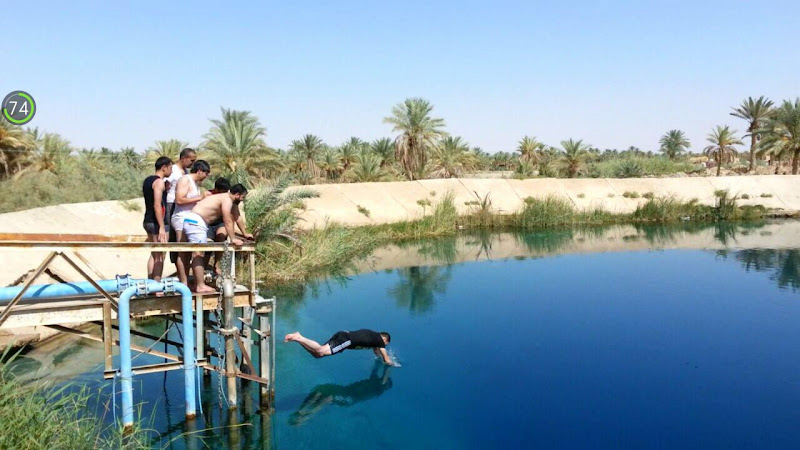
The setting near Lake Milh gives Rahaliyah this unique geographical position that shaped its entire identity. The lake’s presence means the area has access to water resources that aren’t always guaranteed in this part of Iraq, which explains why those palm groves thrived here when other areas struggled. When you stand by the lake’s western shore and look out across the water, you get this sense of why people chose to settle here generations ago.

But let me be real with you—Rahaliyah isn’t your typical tourist destination. This is a working town with real people going about their daily lives, and that’s precisely what makes it worth visiting for travelers who’ve grown tired of overly commercialized spots. You won’t find resort hotels or tour groups clogging up the streets here. What you will find is an authentic slice of Al-Anbar life that most guidebooks completely overlook.

Key Features

Rahaliyah offers distinctive characteristics that set it apart from other destinations in the region:

• Historical palm date groves that once produced immense quantities of dates, establishing the town’s agricultural reputation throughout Iraq in the early 20th century

• Prime location along the western shore of Lake Milh, providing scenic waterfront views and access to a significant water resource in an arid region

• Authentic Iraqi town atmosphere without heavy tourist development, allowing visitors to experience genuine local culture and daily life

• Strategic position within Al-Anbar Governorate, offering access to western Iraqi landscapes and regional historical sites

• Traditional agricultural practices that continue to shape the community’s identity and economy

• Opportunities to learn about date palm cultivation and the historical importance of this crop to Iraqi society

• Relatively undiscovered status among international travelers, creating possibilities for unique exploratory experiences

• Connection to Iraq’s agricultural heritage from the British Mandate period when the town’s groves were specifically documented

• Lake Milh’s ecosystem and the environmental significance of this water body in the western desert landscape

• Community-based cultural experiences that provide insight into contemporary life in Al-Anbar region

Best Time to Visit

Timing your visit to Rahaliyah really matters, and I can’t stress this enough. The climate in Al-Anbar Governorate can be brutally hot during summer months, with temperatures regularly climbing above 45 degrees Celsius (that’s over 113 Fahrenheit for those counting). Unless you enjoy feeling like you’re standing in an oven, you’ll want to avoid June through September entirely.

The sweet spot for visiting Rahaliyah is definitely between late October and early April. During these months, temperatures become far more manageable, ranging from pleasant to cool, especially in the evenings. I’ve heard from folks who’ve traveled through this region that November through March offers the most comfortable conditions for exploring the area around Lake Milh and walking through what remains of those historic palm groves.

Spring, particularly March and April, brings a different kind of beauty to the area. The desert landscape around Rahaliyah can actually bloom with surprising bursts of color after winter rains, though this isn’t guaranteed every year. The palm trees also look their best during this period, with new growth appearing before the intense summer heat sets in.

Winter months from December through February can actually get quite cool, especially at night. You might not expect it, but temperatures can drop considerably after sunset in this part of Iraq. This isn’t necessarily a bad thing—it makes outdoor activities during the day more comfortable, and there’s something special about experiencing cooler weather in a region that’s typically associated with extreme heat.

One thing to consider is the date harvest season, which traditionally occurs in late summer and early fall. While the heat might be challenging during this period, it’s also when you’d see the agricultural side of Rahaliyah in full operation. If understanding the town’s date production heritage is important to you, timing your visit around harvest activities could be worthwhile despite the temperature challenges.

How to Get There

Getting to Rahaliyah requires some planning, and I’ll be straight with you—this isn’t as simple as booking a direct flight and catching a shuttle. The town’s location in Al-Anbar Governorate means you’ll need to approach your journey with flexibility and awareness of current regional conditions.

Most travelers will start their journey from Baghdad, which serves as Iraq’s main international gateway. From Baghdad, you’re looking at traveling westward toward Al-Anbar Governorate. The road networks in Iraq have improved significantly in recent years, but you should always check current travel advisories and road conditions before setting out.

Hiring a private driver or arranging transportation through a local contact is generally the most reliable way to reach Rahaliyah. Public transportation options exist but can be irregular and may not follow schedules that work for international travelers. And honestly, having a driver who knows the area and speaks the language makes everything infinitely easier, especially if you’re not fluent in Arabic.

The journey from Baghdad to the Rahaliyah area typically takes several hours, depending on road conditions and your exact starting point. You’ll be traveling through landscapes that transition from the more developed areas around the capital to the more open desert regions of Al-Anbar. It’s actually quite striking to watch the scenery change as you head west.

If you’re coming from other parts of Al-Anbar Governorate, your journey will obviously be shorter, but the same principles apply regarding transportation arrangements. The proximity to Lake Milh means you’ll want your driver to be familiar with the local geography, as landmarks can be less obvious than in more urbanized areas.

Now, I need to mention something important—travel to Al-Anbar Governorate requires staying informed about current security situations and travel restrictions. Conditions have improved dramatically in recent years, but this region has faced challenges, and responsible travelers need to research current circumstances thoroughly before making plans. Contact your embassy or consulate for the latest travel advisories specific to this area.

Tips for Visiting

Visit Rahaliyah prepared, and your experience will be so much richer. First off, learn at least some basic Arabic phrases. While you might encounter people who speak English, this isn’t a tourist hub, and making the effort to communicate in the local language goes a long way. Even just knowing greetings and polite expressions will earn you genuine smiles and more willing assistance.

Dress conservatively and respectfully. This is a traditional Iraqi community, and showing cultural sensitivity through your clothing choices demonstrates respect for local customs. For women, this means covering shoulders and knees at minimum, with a headscarf being appropriate in many situations. Men should avoid shorts and sleeveless shirts. But beyond just following rules, dressing appropriately opens doors to more authentic interactions with local residents.

Bring cash—seriously, bring enough cash. Don’t expect ATMs or credit card facilities in Rahaliyah. Iraqi dinars are essential, and having smaller denominations makes everyday transactions much smoother. I can’t emphasize this enough because running out of cash in a remote town creates unnecessary stress that’s entirely avoidable with proper planning.

Stay hydrated regardless of when you visit. Even during cooler months, the climate is dry, and you’ll need more water than you might expect. Bring a refillable water bottle and know where you can access safe drinking water. Dehydration sneaks up on you, especially when you’re exploring and focused on taking in everything around you.

Connect with local people if opportunities arise naturally. The residents of Rahaliyah have stories and knowledge about their town’s history that you won’t find in any guidebook. Showing genuine interest in their community and its agricultural heritage often leads to fascinating conversations and sometimes invitations to see things you’d never discover on your own.

Photography requires sensitivity here. Always ask permission before photographing people, and be respectful if someone declines. Some areas or buildings might have restrictions on photography for cultural or security reasons, so when in doubt, ask first. The last thing you want is to create uncomfortable situations through thoughtless camera use.

Plan for limited tourist infrastructure. Rahaliyah isn’t set up with visitor centers, tour guides, or the conveniences you might find in more developed tourist destinations. This means you need to be more self-sufficient in your planning and expectations. Bring any specialized items you might need, from medications to snacks you’re particular about, because finding specific products locally might not be possible.

Research current accommodation options thoroughly before you arrive. Lodging in Rahaliyah itself may be limited or non-existent for travelers, which might mean staying in a larger nearby town and making day trips to the area. Understanding your overnight options in advance prevents the stress of scrambling to find somewhere to sleep after a long day of travel.

And finally, approach your visit with an open mind and realistic expectations. Rahaliyah offers something increasingly rare—an authentic glimpse into a part of Iraq that most travelers never see. It won’t have the polished tourist experience of more developed destinations, but that’s exactly what makes it valuable for those seeking genuine cultural encounters and historical connections to Iraq’s agricultural heritage.

Community & Insider Notes

Last modified March 30, 2026

Description

Ar Rahaliyah sits quietly in Iraq’s Al-Anbar Governorate, right along the western shores of Lake Milh, and honestly, this place doesn’t get nearly enough attention from travelers who venture into this part of the world. The town has this understated charm that you won’t find plastered all over Instagram feeds or tourist brochures, which frankly makes it all the more interesting for those who actually want to experience something genuine.

What really caught my attention about Rahaliyah was its historical significance in Iraq’s agricultural heritage. Back in 1921, this town was famous—and I mean really famous—for its absolutely massive palm date groves. We’re talking about “immense” production that helped feed the region and beyond. And while the landscape has certainly changed over the past century, there’s still something about being in a place with such deep agricultural roots that makes you appreciate how communities have survived and adapted through incredible changes.

The setting near Lake Milh gives Rahaliyah this unique geographical position that shaped its entire identity. The lake’s presence means the area has access to water resources that aren’t always guaranteed in this part of Iraq, which explains why those palm groves thrived here when other areas struggled. When you stand by the lake’s western shore and look out across the water, you get this sense of why people chose to settle here generations ago.

But let me be real with you—Rahaliyah isn’t your typical tourist destination. This is a working town with real people going about their daily lives, and that’s precisely what makes it worth visiting for travelers who’ve grown tired of overly commercialized spots. You won’t find resort hotels or tour groups clogging up the streets here. What you will find is an authentic slice of Al-Anbar life that most guidebooks completely overlook.

Key Features

Rahaliyah offers distinctive characteristics that set it apart from other destinations in the region:

• Historical palm date groves that once produced immense quantities of dates, establishing the town’s agricultural reputation throughout Iraq in the early 20th century

• Prime location along the western shore of Lake Milh, providing scenic waterfront views and access to a significant water resource in an arid region

• Authentic Iraqi town atmosphere without heavy tourist development, allowing visitors to experience genuine local culture and daily life

• Strategic position within Al-Anbar Governorate, offering access to western Iraqi landscapes and regional historical sites

• Traditional agricultural practices that continue to shape the community’s identity and economy

• Opportunities to learn about date palm cultivation and the historical importance of this crop to Iraqi society

• Relatively undiscovered status among international travelers, creating possibilities for unique exploratory experiences

• Connection to Iraq’s agricultural heritage from the British Mandate period when the town’s groves were specifically documented

• Lake Milh’s ecosystem and the environmental significance of this water body in the western desert landscape

• Community-based cultural experiences that provide insight into contemporary life in Al-Anbar region

Best Time to Visit

Timing your visit to Rahaliyah really matters, and I can’t stress this enough. The climate in Al-Anbar Governorate can be brutally hot during summer months, with temperatures regularly climbing above 45 degrees Celsius (that’s over 113 Fahrenheit for those counting). Unless you enjoy feeling like you’re standing in an oven, you’ll want to avoid June through September entirely.

The sweet spot for visiting Rahaliyah is definitely between late October and early April. During these months, temperatures become far more manageable, ranging from pleasant to cool, especially in the evenings. I’ve heard from folks who’ve traveled through this region that November through March offers the most comfortable conditions for exploring the area around Lake Milh and walking through what remains of those historic palm groves.

Spring, particularly March and April, brings a different kind of beauty to the area. The desert landscape around Rahaliyah can actually bloom with surprising bursts of color after winter rains, though this isn’t guaranteed every year. The palm trees also look their best during this period, with new growth appearing before the intense summer heat sets in.

Winter months from December through February can actually get quite cool, especially at night. You might not expect it, but temperatures can drop considerably after sunset in this part of Iraq. This isn’t necessarily a bad thing—it makes outdoor activities during the day more comfortable, and there’s something special about experiencing cooler weather in a region that’s typically associated with extreme heat.

One thing to consider is the date harvest season, which traditionally occurs in late summer and early fall. While the heat might be challenging during this period, it’s also when you’d see the agricultural side of Rahaliyah in full operation. If understanding the town’s date production heritage is important to you, timing your visit around harvest activities could be worthwhile despite the temperature challenges.

How to Get There

Getting to Rahaliyah requires some planning, and I’ll be straight with you—this isn’t as simple as booking a direct flight and catching a shuttle. The town’s location in Al-Anbar Governorate means you’ll need to approach your journey with flexibility and awareness of current regional conditions.

Most travelers will start their journey from Baghdad, which serves as Iraq’s main international gateway. From Baghdad, you’re looking at traveling westward toward Al-Anbar Governorate. The road networks in Iraq have improved significantly in recent years, but you should always check current travel advisories and road conditions before setting out.

Hiring a private driver or arranging transportation through a local contact is generally the most reliable way to reach Rahaliyah. Public transportation options exist but can be irregular and may not follow schedules that work for international travelers. And honestly, having a driver who knows the area and speaks the language makes everything infinitely easier, especially if you’re not fluent in Arabic.

The journey from Baghdad to the Rahaliyah area typically takes several hours, depending on road conditions and your exact starting point. You’ll be traveling through landscapes that transition from the more developed areas around the capital to the more open desert regions of Al-Anbar. It’s actually quite striking to watch the scenery change as you head west.

If you’re coming from other parts of Al-Anbar Governorate, your journey will obviously be shorter, but the same principles apply regarding transportation arrangements. The proximity to Lake Milh means you’ll want your driver to be familiar with the local geography, as landmarks can be less obvious than in more urbanized areas.

Now, I need to mention something important—travel to Al-Anbar Governorate requires staying informed about current security situations and travel restrictions. Conditions have improved dramatically in recent years, but this region has faced challenges, and responsible travelers need to research current circumstances thoroughly before making plans. Contact your embassy or consulate for the latest travel advisories specific to this area.

Tips for Visiting

Visit Rahaliyah prepared, and your experience will be so much richer. First off, learn at least some basic Arabic phrases. While you might encounter people who speak English, this isn’t a tourist hub, and making the effort to communicate in the local language goes a long way. Even just knowing greetings and polite expressions will earn you genuine smiles and more willing assistance.

Dress conservatively and respectfully. This is a traditional Iraqi community, and showing cultural sensitivity through your clothing choices demonstrates respect for local customs. For women, this means covering shoulders and knees at minimum, with a headscarf being appropriate in many situations. Men should avoid shorts and sleeveless shirts. But beyond just following rules, dressing appropriately opens doors to more authentic interactions with local residents.

Bring cash—seriously, bring enough cash. Don’t expect ATMs or credit card facilities in Rahaliyah. Iraqi dinars are essential, and having smaller denominations makes everyday transactions much smoother. I can’t emphasize this enough because running out of cash in a remote town creates unnecessary stress that’s entirely avoidable with proper planning.

Stay hydrated regardless of when you visit. Even during cooler months, the climate is dry, and you’ll need more water than you might expect. Bring a refillable water bottle and know where you can access safe drinking water. Dehydration sneaks up on you, especially when you’re exploring and focused on taking in everything around you.

Connect with local people if opportunities arise naturally. The residents of Rahaliyah have stories and knowledge about their town’s history that you won’t find in any guidebook. Showing genuine interest in their community and its agricultural heritage often leads to fascinating conversations and sometimes invitations to see things you’d never discover on your own.

Photography requires sensitivity here. Always ask permission before photographing people, and be respectful if someone declines. Some areas or buildings might have restrictions on photography for cultural or security reasons, so when in doubt, ask first. The last thing you want is to create uncomfortable situations through thoughtless camera use.

Plan for limited tourist infrastructure. Rahaliyah isn’t set up with visitor centers, tour guides, or the conveniences you might find in more developed tourist destinations. This means you need to be more self-sufficient in your planning and expectations. Bring any specialized items you might need, from medications to snacks you’re particular about, because finding specific products locally might not be possible.

Research current accommodation options thoroughly before you arrive. Lodging in Rahaliyah itself may be limited or non-existent for travelers, which might mean staying in a larger nearby town and making day trips to the area. Understanding your overnight options in advance prevents the stress of scrambling to find somewhere to sleep after a long day of travel.

And finally, approach your visit with an open mind and realistic expectations. Rahaliyah offers something increasingly rare—an authentic glimpse into a part of Iraq that most travelers never see. It won’t have the polished tourist experience of more developed destinations, but that’s exactly what makes it valuable for those seeking genuine cultural encounters and historical connections to Iraq’s agricultural heritage.

Key Highlights

  • Key Features
  • Best Time to Visit
  • How to Get There
  • Tips for Visiting

Location

Places to Stay Near Rahhaliyah

Find and Book a Tour

Explore More Travel Guides

No reviews found! Be the first to review!

Select a Rating5 Stars4 Stars3 Stars2 Stars1 Star

Rahhaliyah is a prominent Outdoors & Nature located in Rahhaliyah.

Visit us at: Q627+WH, Rahhaliyah, Iraq.

Nearby Attractions (Within 5 km)

Explore verified points of interest within walking or short transit distance.

No neighboring places mapped within 5 km yet.

Find Places to Stay Nearby

Stay22 provides this accommodation search. We may earn a commission if you book through it; verify current prices and terms with the provider.

Recommended Experiences & Activities

GetYourGuide provides this tour inventory. We may earn a commission if you book through it; verify current availability, prices, and terms with the provider.

Top Viator Experiences & Guided Tours in Rahhaliyah

We may earn a commission if you book through links on this page at no extra cost to you. All tours feature verified customer reviews and flexible cancellation options.

Traveler Reviews & Community Q&A

No traveler reviews yet. Share your experience below!

No traveler questions yet. Be the first to ask a local!

Real Journey Travels Community

Reset your password · Create an account