
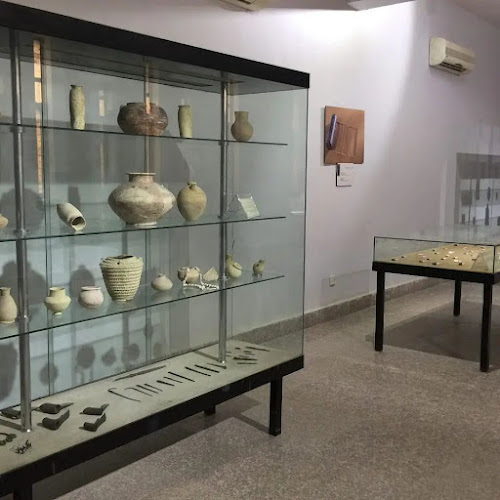
Nasiriyah Museum
About Nasiriyah Museum
Description
The Nasiriyah Museum stands as one of southern Iraq's most significant cultural institutions, offering travelers a profound glimpse into the ancient civilizations that once flourished in Mesopotamia. Located in the heart of Dhi Qar Governorate, this museum showcases the remarkable archaeological heritage of the region where some of humanity's earliest cities emerged thousands of years ago. When I first learned about the depth of history preserved here, I couldn't help but think about how many travelers overlook this part of the world while chasing more commercialized destinations. The museum houses an impressive collection of artifacts primarily from the ancient Sumerian period, including pieces from the legendary city of Ur - yes, that Ur, where Abraham was supposedly born according to biblical tradition. What makes this place particularly special is its connection to the land itself. You're not just looking at artifacts shipped from elsewhere; you're standing in the very region where these objects were created and used by people who invented writing, built the first schools, and developed some of the earliest known legal codes. For travelers interested in archaeology and ancient history, the Nasiriyah Museum represents an opportunity to explore a lesser-known treasure that hasn't been overwhelmed by mass tourism. The experience here feels more authentic somehow, more connected to the actual story of human civilization than what you might encounter at more famous institutions. And honestly, there's something refreshing about visiting a museum that exists primarily to preserve local heritage rather than to entertain cruise ship crowds. The museum has faced its share of challenges over the years, particularly during periods of regional instability, but it continues to serve as a guardian of Iraq's cultural legacy. Recent efforts have focused on restoration, security enhancement, and making the facility more accessible to international visitors who make the journey to this historically rich area.Key Features
The Nasiriyah Museum offers several distinctive features that make it worth adding to your travel itinerary:- Sumerian Artifacts Collection: The museum's primary draw is its extensive collection of Sumerian pieces, including cuneiform tablets, cylinder seals, pottery, and religious figurines dating back over 4,000 years. These aren't replicas - they're the real deal.
- Ur Exhibition Section: A dedicated space showcasing finds from the nearby archaeological site of Ur, including jewelry, musical instruments, and household items that provide insight into daily life in one of the world's first urban centers.
- Full Accessibility Features: The museum has made genuine efforts toward accessibility with wheelchair-accessible entrances, parking facilities, and restrooms, making it easier for all travelers to experience its collections regardless of mobility considerations.
- Family-Friendly Environment: The space is welcoming to families traveling with children, though parents should note that there isn't a restaurant on-site, so planning around meal times is advisable.
- Mesopotamian Art Displays: Beautiful examples of ancient Mesopotamian artistic traditions, including sculptural reliefs and decorative objects that demonstrate the sophistication of these early civilizations.
- Educational Exhibitions: Well-organized displays that help contextualize the artifacts within their historical and cultural frameworks, making the experience educational even for those without extensive background knowledge.
- Climate-Controlled Galleries: Properly maintained exhibition spaces that protect the artifacts while keeping visitors comfortable in Iraq's intense climate.
Best Time to Visit
Timing your visit to the Nasiriyah Museum requires consideration of both weather patterns and regional travel conditions. The ideal window falls between November and March when temperatures in southern Iraq become more manageable for travelers. During these months, daytime temperatures typically range from 15 to 25 degrees Celsius, which is infinitely more pleasant than the scorching summer heat that can exceed 50 degrees Celsius. I've talked to travelers who attempted visits during summer months, and let me tell you, the consensus is pretty clear - unless you're extraordinarily heat-tolerant, save yourself the discomfort and plan for cooler seasons. The museum itself is climate-controlled, but getting there and moving around the city requires outdoor exposure that can be genuinely challenging when temperatures soar. Weekday mornings tend to be quieter than weekends or afternoons, giving you more space to appreciate the collections without crowds. If you're someone who likes taking your time with museum exhibits - and you should, given the significance of what's displayed here - aim for opening hours when you'll have the galleries mostly to yourself. Consider avoiding major Islamic holidays when the museum might have modified hours or increased local visitor numbers. Ramadan presents particular considerations since opening hours often shift during this period, and you'll want to be respectful of local customs regarding eating and drinking in public during daylight hours. Spring months, particularly March and early April, offer the added benefit of more pleasant landscapes in the surrounding region. The desert takes on a surprising beauty during this brief period when occasional rains bring temporary greenery to the area.How to Get There
Getting to the Nasiriyah Museum requires some planning since this isn't exactly on the typical tourist trail. The city of Nasiriyah sits approximately 370 kilometers southeast of Baghdad, making it accessible but not necessarily convenient for casual day-trippers from the capital. Most international travelers will fly into Baghdad International Airport first. From there, you have a few options. The most reliable approach involves hiring a private driver or arranging transportation through a reputable travel agency that specializes in Iraqi destinations. The drive from Baghdad takes roughly five to six hours depending on road conditions and security checkpoints, which are still a reality of travel in this region. Some travelers opt for domestic flights to Nasiriyah Airport, though availability can be inconsistent and flight schedules don't always align with tourist preferences. If you do fly, you'll still need ground transportation to reach the museum itself, so having local contacts or pre-arranged transport becomes essential. Bus services do operate between Baghdad and Nasiriyah, but honestly, unless you're a particularly adventurous traveler comfortable navigating without much English-language support, this option presents challenges that might detract from your experience. The buses themselves are affordable but can be crowded and don't always run on predictable schedules. Once you're in Nasiriyah, local taxis can take you to the museum, though having the destination written in Arabic helps ensure clear communication. GPS coordinates work in newer vehicles, but don't count on every driver having smartphone navigation readily available. Worth mentioning - and I can't stress this enough - check current travel advisories for the region before making concrete plans. The security situation in Iraq has improved dramatically in recent years, but staying informed about current conditions remains an essential part of responsible travel planning.Tips for Visiting
Making the most of your Nasiriyah Museum experience requires some practical preparation that goes beyond typical museum visit planning. First and foremost, bring proper identification and have digital copies backed up separately. Security procedures at cultural institutions in Iraq are thorough, and you'll want documentation readily available. Photography policies should be confirmed upon arrival since rules can vary and may have changed since your research phase. Some areas might restrict photography while others permit it, so asking staff before you start snapping pictures saves potential awkwardness later. Speaking of staff, learning a few basic Arabic phrases goes remarkably far in establishing positive interactions, though some personnel do speak English. The absence of an on-site restaurant means you should eat beforehand or bring water and snacks to keep in your bag. The museum does have restrooms, which is a relief given that not all institutions in the region maintain consistent facilities. Dress conservatively out of respect for local customs - this means covering shoulders and knees at minimum, with women generally more comfortable in loose-fitting clothing that covers arms and legs. Plan to spend at least two to three hours exploring the collections properly. Rushing through defeats the purpose of visiting such a historically significant place. The artifacts deserve contemplation, and there's educational value in reading the display information rather than just taking quick photos and moving on. Consider hiring a local guide if your budget allows. While the museum has informational placards, a knowledgeable guide can provide context and stories that bring the artifacts to life in ways that static displays simply cannot match. Plus, supporting local guides contributes directly to the regional economy in meaningful ways. Security awareness should remain part of your consciousness without becoming paranoia. Keep valuables secured and maintain awareness of your surroundings when traveling to and from the museum. Travel insurance that specifically covers Iraq is worth the investment for peace of mind. Finally, approach your visit with appropriate respect for what you're experiencing. This isn't entertainment - it's the preserved heritage of civilizations that fundamentally shaped human development. The Nasiriyah Museum offers something increasingly rare in our modern world: a genuine connection to humanity's deep past in the place where that past actually unfolded. Take that opportunity seriously, and you'll find the experience profoundly rewarding in ways that more commercialized attractions simply cannot replicate.Key Features
- Key Features
- Best Time to Visit
- How to Get There
- Tips for Visiting
More Details
Updated March 30, 2026
Table of Contents
Description
The Nasiriyah Museum stands as one of southern Iraq’s most significant cultural institutions, offering travelers a profound glimpse into the ancient civilizations that once flourished in Mesopotamia. Located in the heart of Dhi Qar Governorate, this museum showcases the remarkable archaeological heritage of the region where some of humanity’s earliest cities emerged thousands of years ago. When I first learned about the depth of history preserved here, I couldn’t help but think about how many travelers overlook this part of the world while chasing more commercialized destinations.
The museum houses an impressive collection of artifacts primarily from the ancient Sumerian period, including pieces from the legendary city of Ur – yes, that Ur, where Abraham was supposedly born according to biblical tradition. What makes this place particularly special is its connection to the land itself. You’re not just looking at artifacts shipped from elsewhere; you’re standing in the very region where these objects were created and used by people who invented writing, built the first schools, and developed some of the earliest known legal codes.
For travelers interested in archaeology and ancient history, the Nasiriyah Museum represents an opportunity to explore a lesser-known treasure that hasn’t been overwhelmed by mass tourism. The experience here feels more authentic somehow, more connected to the actual story of human civilization than what you might encounter at more famous institutions. And honestly, there’s something refreshing about visiting a museum that exists primarily to preserve local heritage rather than to entertain cruise ship crowds.
The museum has faced its share of challenges over the years, particularly during periods of regional instability, but it continues to serve as a guardian of Iraq’s cultural legacy. Recent efforts have focused on restoration, security enhancement, and making the facility more accessible to international visitors who make the journey to this historically rich area.
Key Features
The Nasiriyah Museum offers several distinctive features that make it worth adding to your travel itinerary:
- Sumerian Artifacts Collection: The museum’s primary draw is its extensive collection of Sumerian pieces, including cuneiform tablets, cylinder seals, pottery, and religious figurines dating back over 4,000 years. These aren’t replicas – they’re the real deal.
- Ur Exhibition Section: A dedicated space showcasing finds from the nearby archaeological site of Ur, including jewelry, musical instruments, and household items that provide insight into daily life in one of the world’s first urban centers.
- Full Accessibility Features: The museum has made genuine efforts toward accessibility with wheelchair-accessible entrances, parking facilities, and restrooms, making it easier for all travelers to experience its collections regardless of mobility considerations.
- Family-Friendly Environment: The space is welcoming to families traveling with children, though parents should note that there isn’t a restaurant on-site, so planning around meal times is advisable.
- Mesopotamian Art Displays: Beautiful examples of ancient Mesopotamian artistic traditions, including sculptural reliefs and decorative objects that demonstrate the sophistication of these early civilizations.
- Educational Exhibitions: Well-organized displays that help contextualize the artifacts within their historical and cultural frameworks, making the experience educational even for those without extensive background knowledge.
- Climate-Controlled Galleries: Properly maintained exhibition spaces that protect the artifacts while keeping visitors comfortable in Iraq’s intense climate.
Best Time to Visit
Timing your visit to the Nasiriyah Museum requires consideration of both weather patterns and regional travel conditions. The ideal window falls between November and March when temperatures in southern Iraq become more manageable for travelers. During these months, daytime temperatures typically range from 15 to 25 degrees Celsius, which is infinitely more pleasant than the scorching summer heat that can exceed 50 degrees Celsius.
I’ve talked to travelers who attempted visits during summer months, and let me tell you, the consensus is pretty clear – unless you’re extraordinarily heat-tolerant, save yourself the discomfort and plan for cooler seasons. The museum itself is climate-controlled, but getting there and moving around the city requires outdoor exposure that can be genuinely challenging when temperatures soar.
Weekday mornings tend to be quieter than weekends or afternoons, giving you more space to appreciate the collections without crowds. If you’re someone who likes taking your time with museum exhibits – and you should, given the significance of what’s displayed here – aim for opening hours when you’ll have the galleries mostly to yourself.
Consider avoiding major Islamic holidays when the museum might have modified hours or increased local visitor numbers. Ramadan presents particular considerations since opening hours often shift during this period, and you’ll want to be respectful of local customs regarding eating and drinking in public during daylight hours.
Spring months, particularly March and early April, offer the added benefit of more pleasant landscapes in the surrounding region. The desert takes on a surprising beauty during this brief period when occasional rains bring temporary greenery to the area.
How to Get There
Getting to the Nasiriyah Museum requires some planning since this isn’t exactly on the typical tourist trail. The city of Nasiriyah sits approximately 370 kilometers southeast of Baghdad, making it accessible but not necessarily convenient for casual day-trippers from the capital.
Most international travelers will fly into Baghdad International Airport first. From there, you have a few options. The most reliable approach involves hiring a private driver or arranging transportation through a reputable travel agency that specializes in Iraqi destinations. The drive from Baghdad takes roughly five to six hours depending on road conditions and security checkpoints, which are still a reality of travel in this region.
Some travelers opt for domestic flights to Nasiriyah Airport, though availability can be inconsistent and flight schedules don’t always align with tourist preferences. If you do fly, you’ll still need ground transportation to reach the museum itself, so having local contacts or pre-arranged transport becomes essential.
Bus services do operate between Baghdad and Nasiriyah, but honestly, unless you’re a particularly adventurous traveler comfortable navigating without much English-language support, this option presents challenges that might detract from your experience. The buses themselves are affordable but can be crowded and don’t always run on predictable schedules.
Once you’re in Nasiriyah, local taxis can take you to the museum, though having the destination written in Arabic helps ensure clear communication. GPS coordinates work in newer vehicles, but don’t count on every driver having smartphone navigation readily available.
Worth mentioning – and I can’t stress this enough – check current travel advisories for the region before making concrete plans. The security situation in Iraq has improved dramatically in recent years, but staying informed about current conditions remains an essential part of responsible travel planning.
Tips for Visiting
Making the most of your Nasiriyah Museum experience requires some practical preparation that goes beyond typical museum visit planning. First and foremost, bring proper identification and have digital copies backed up separately. Security procedures at cultural institutions in Iraq are thorough, and you’ll want documentation readily available.
Photography policies should be confirmed upon arrival since rules can vary and may have changed since your research phase. Some areas might restrict photography while others permit it, so asking staff before you start snapping pictures saves potential awkwardness later. Speaking of staff, learning a few basic Arabic phrases goes remarkably far in establishing positive interactions, though some personnel do speak English.
The absence of an on-site restaurant means you should eat beforehand or bring water and snacks to keep in your bag. The museum does have restrooms, which is a relief given that not all institutions in the region maintain consistent facilities. Dress conservatively out of respect for local customs – this means covering shoulders and knees at minimum, with women generally more comfortable in loose-fitting clothing that covers arms and legs.
Plan to spend at least two to three hours exploring the collections properly. Rushing through defeats the purpose of visiting such a historically significant place. The artifacts deserve contemplation, and there’s educational value in reading the display information rather than just taking quick photos and moving on.
Consider hiring a local guide if your budget allows. While the museum has informational placards, a knowledgeable guide can provide context and stories that bring the artifacts to life in ways that static displays simply cannot match. Plus, supporting local guides contributes directly to the regional economy in meaningful ways.
Security awareness should remain part of your consciousness without becoming paranoia. Keep valuables secured and maintain awareness of your surroundings when traveling to and from the museum. Travel insurance that specifically covers Iraq is worth the investment for peace of mind.
Finally, approach your visit with appropriate respect for what you’re experiencing. This isn’t entertainment – it’s the preserved heritage of civilizations that fundamentally shaped human development. The Nasiriyah Museum offers something increasingly rare in our modern world: a genuine connection to humanity’s deep past in the place where that past actually unfolded. Take that opportunity seriously, and you’ll find the experience profoundly rewarding in ways that more commercialized attractions simply cannot replicate.
Key Highlights
- Key Features
- Best Time to Visit
- How to Get There
- Tips for Visiting
Location
Places to Stay Near Nasiriyah Museum
Find and Book a Tour
Explore More Travel Guides
No reviews found! Be the first to review!
Nasiriyah Museum is a prominent museums located in Nasiriyah.
Visit us at: 26WP+QWM, Nasiriyah, 이라크.
Traveler Reviews for Nasiriyah Museum
There are no reviews yet. Be the first one to write one.
Have you visited Nasiriyah Museum? Help other travelers by sharing your review.
You Might Also Like
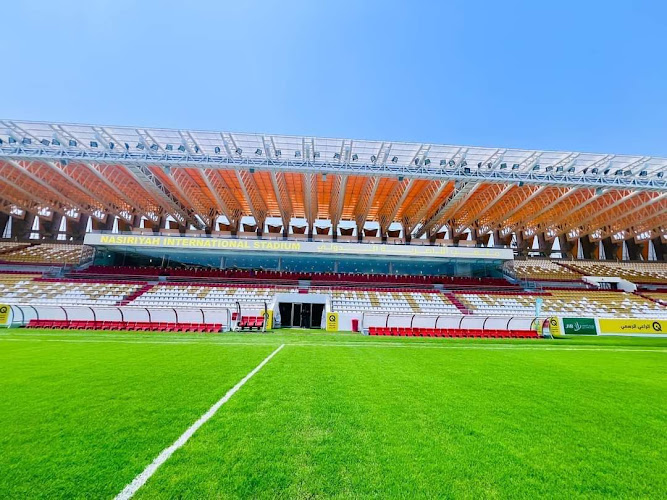
An Nasiriyah Stadium
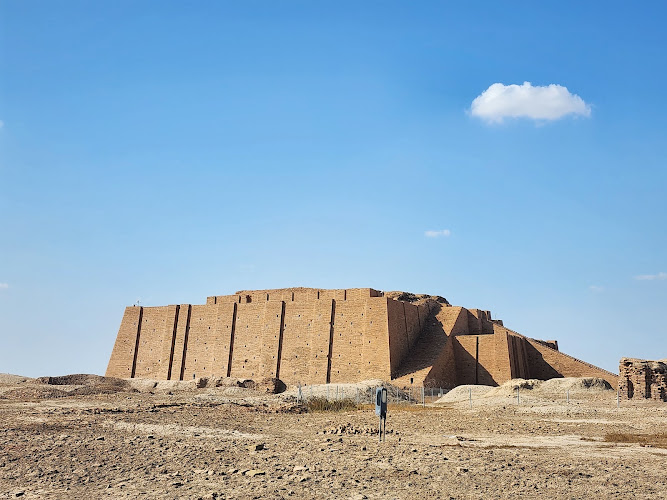
Great Ziggurat of Ur
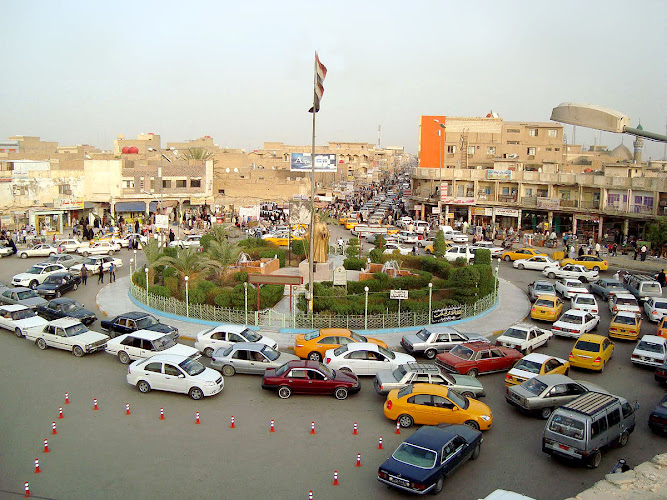
Nasiriyah
Find Accommodations Nearby
Recommended Tours & Activities
Visitor Reviews
There are no reviews yet. Be the first one to write one.
Share Your Experience
Have you visited Nasiriyah Museum? Help other travelers by leaving a review.