
DONDE JAVIER
About DONDE JAVIER
Description
Traveling to new destinations means discovering places that surprise you, and sometimes the most unexpected spots become memorable parts of your journey. Every traveler knows that feeling when you stumble upon a location that somehow fits perfectly into your itinerary, even if you hadn't planned for it initially. When exploring any area, you'll find that certain places serve practical purposes while also offering their own unique character. The experience of visiting different types of establishments during your travels adds layers to your understanding of a place and its community. I remember during one of my trips abroad, I spent an afternoon just observing how locals went about their daily routines, and it taught me more about the destination than any guidebook could. What makes travel interesting isn't always the grand monuments or famous landmarks – though those certainly have their place. Sometimes it's the everyday locations where real life happens that give you the most authentic glimpse into a destination. These are the spots where you see how people actually live, work, and move through their days. The beauty of modern travel is that we have access to so much information before we even arrive somewhere. Reviews and ratings from fellow travelers help us make informed decisions about where to spend our precious vacation time. And while no place is perfect for everyone, understanding what to expect helps set realistic expectations and allows you to appreciate a location for what it truly offers rather than what you imagined it might be. For travelers who appreciate getting a complete picture of their destination, exploring various types of places contributes to a well-rounded experience. Whether you're on a budget-conscious backpacking adventure or enjoying a more luxurious getaway, every stop along your journey adds to the overall tapestry of memories you'll create.Key Features
When considering what makes any location worth visiting, several factors come into play. Here are the aspects travelers typically consider:- Accessibility for visitors arriving from different parts of the region
- The overall atmosphere and environment of the space
- Cleanliness and maintenance standards that reflect local norms
- Staff interactions and customer service approach
- Value proposition relative to other similar options in the area
- Integration with the surrounding neighborhood and community
- Practical amenities that cater to traveler needs
- Hours of operation that accommodate different schedules
- Language accessibility for international visitors
- Payment options including international cards
Best Time to Visit
Timing your visits during travel can significantly impact your experience. Generally speaking, you'll want to consider several factors when planning when to stop by various locations during your trip. Weekday mornings tend to be quieter almost everywhere in the world. If you're someone who prefers avoiding crowds and getting in and out quickly, hitting places early in the week gives you that advantage. I personally always try to tackle anything I need to do on Tuesday or Wednesday mornings – it's become almost a superstition at this point, but it genuinely works. Weekends and holiday periods naturally attract more people, whether locals or fellow tourists. This can mean longer wait times and a more hectic atmosphere, though some people actually prefer the energy that comes with busier periods. It really depends on your personality and what you're comfortable with. Season also plays a role in your experience. During peak tourist season, expect everything to be more crowded and potentially more expensive. But there's a reason people travel during these times – the weather is usually ideal, and everything is operating at full capacity. Shoulder seasons offer a nice compromise with decent weather and fewer crowds. Early morning visits have another advantage – you'll often find that staff are fresher and more attentive at the start of their shifts. Late afternoon can be hit or miss depending on how busy the location has been throughout the day. Weather considerations matter too. Nobody wants to be caught somewhere during a downpour if you can avoid it, so checking the forecast and planning accordingly just makes sense. I've made the mistake of ignoring weather predictions before, and trust me, it's not worth the hassle.How to Get There
Getting around in an unfamiliar destination requires some planning and flexibility. Most travelers today rely on a combination of navigation apps, local transportation options, and good old-fashioned asking for directions. Public transportation is often your most economical option, though it requires some research beforehand to understand routes, schedules, and payment systems. Many cities have increasingly tourist-friendly transit systems with English signage and announcements, but not all places have caught up with this trend yet. Download offline maps before you arrive – this has saved me more times than I can count when cell service was spotty or data charges were too expensive. Taxis and ride-sharing services offer convenience and direct routes, though they'll cost more than public transit. Make sure you understand local pricing norms to avoid being overcharged, which unfortunately still happens to tourists in many destinations. Having your destination written down or saved on your phone helps overcome language barriers with drivers. Walking is actually one of my favorite ways to get around when distances are reasonable. You discover so much more on foot than you ever would from inside a vehicle. Plus, you can easily stop if you spot something interesting along the way. Just make sure you wear comfortable shoes – I learned this lesson the hard way with blisters during a trip to Barcelona. If you're driving, GPS navigation has made things infinitely easier than the old days of paper maps. Still, download offline maps as a backup since GPS can be unreliable in some areas. Parking can be challenging in busy areas, so factor in extra time to find a spot. Local knowledge is invaluable. Don't hesitate to ask your hotel staff, hostel receptionist, or even friendly locals for directions and transportation advice. Most people are happy to help travelers find their way around.Tips for Visiting
Making the most of any visit during your travels comes down to preparation and maintaining the right mindset. Here's what I've learned works best after years of exploring different destinations. First off, keep your expectations realistic. This might sound pessimistic, but it's actually the opposite – it allows you to appreciate places for what they are rather than being disappointed by what they're not. Every location has strengths and weaknesses, and understanding this upfront helps you focus on the positive aspects. Bring necessary items with you rather than assuming everything you might need will be available. A small day bag with water, snacks, hand sanitizer, tissues, and any personal items you might need gives you independence and saves potential frustration. I always carry a portable phone charger too because running out of battery while traveling is a nightmare. Be patient and courteous. Remember that you're a guest in someone else's community, and cultural norms might differ from what you're used to back home. A smile and polite demeanor go a long way, even when language barriers exist. I've found that making an effort to learn just a few basic phrases in the local language – hello, thank you, excuse me – shows respect and often results in warmer interactions. Time your visit strategically based on your personal preferences and schedule. If you know you get cranky when hungry, don't try to squeeze in visits right before meal times. If you're not a morning person, don't force early visits just because guidebooks recommend them. Travel should work around your natural rhythms as much as possible. Document your experience if that's your thing, but don't let photography dominate your visit. I've watched too many travelers experience entire places through their phone screens, and I think they miss out on actually being present in the moment. Take a few photos for memories, then put the phone away and just experience where you are. Stay aware of your belongings and surroundings, especially in crowded areas. Tourists are natural targets for pickpockets, unfortunately. Keep valuables secure and be mindful of who's around you. This isn't about being paranoid – it's just sensible precaution that lets you relax and enjoy yourself without worry. Finally, be flexible. Things won't always go according to plan when traveling, and that's actually part of the adventure. Some of my best travel memories came from completely unplanned moments when original plans fell through. Roll with the unexpected, maintain your sense of humor, and remember that you'll have great stories to tell either way. The overall experience any traveler has depends largely on their attitude and approach. Come prepared, keep expectations grounded, respect local customs, and stay open to whatever the experience brings. That's really the secret to making any visit worthwhile, regardless of whether reviews are glowing or mixed.Key Features
- Authentic local atmosphere and informal hospitality
- Close to Ciudad Bolívar’s historic center and Orinoco River views
- Simple, regionally inspired food or offerings (local specialties)
- Good spot for people-watching and street photography
- Easy to combine with nearby colonial sights and markets
More Details
Updated March 30, 2026
Description
Traveling to new destinations means discovering places that surprise you, and sometimes the most unexpected spots become memorable parts of your journey. Every traveler knows that feeling when you stumble upon a location that somehow fits perfectly into your itinerary, even if you hadn’t planned for it initially.
When exploring any area, you’ll find that certain places serve practical purposes while also offering their own unique character. The experience of visiting different types of establishments during your travels adds layers to your understanding of a place and its community. I remember during one of my trips abroad, I spent an afternoon just observing how locals went about their daily routines, and it taught me more about the destination than any guidebook could.
What makes travel interesting isn’t always the grand monuments or famous landmarks – though those certainly have their place. Sometimes it’s the everyday locations where real life happens that give you the most authentic glimpse into a destination. These are the spots where you see how people actually live, work, and move through their days.
The beauty of modern travel is that we have access to so much information before we even arrive somewhere. Reviews and ratings from fellow travelers help us make informed decisions about where to spend our precious vacation time. And while no place is perfect for everyone, understanding what to expect helps set realistic expectations and allows you to appreciate a location for what it truly offers rather than what you imagined it might be.
For travelers who appreciate getting a complete picture of their destination, exploring various types of places contributes to a well-rounded experience. Whether you’re on a budget-conscious backpacking adventure or enjoying a more luxurious getaway, every stop along your journey adds to the overall tapestry of memories you’ll create.
Key Features
When considering what makes any location worth visiting, several factors come into play. Here are the aspects travelers typically consider:
- Accessibility for visitors arriving from different parts of the region
- The overall atmosphere and environment of the space
- Cleanliness and maintenance standards that reflect local norms
- Staff interactions and customer service approach
- Value proposition relative to other similar options in the area
- Integration with the surrounding neighborhood and community
- Practical amenities that cater to traveler needs
- Hours of operation that accommodate different schedules
- Language accessibility for international visitors
- Payment options including international cards
But let’s be real here – not every place you visit during your travels will blow your mind, and that’s okay. Part of being a seasoned traveler is understanding that sometimes you just need a functional stop that serves its purpose. I’ve learned over years of traveling that managing expectations is half the battle. You can’t expect every single place to be Instagram-worthy or life-changing.
What matters most is how a location fits into your overall travel plans. Does it serve the purpose you need it to? Is it conveniently located relative to where you’re staying or where you’re headed next? These practical considerations often matter more than whether a place has fancy features or premium offerings.
The mixed experiences that different travelers report at any given location often reflect the diversity of expectations people bring with them. Some folks are looking for premium experiences and rate everything against high-end standards, while others prioritize convenience and affordability above all else. Understanding your own travel style helps you interpret information about any place more effectively.
Best Time to Visit
Timing your visits during travel can significantly impact your experience. Generally speaking, you’ll want to consider several factors when planning when to stop by various locations during your trip.
Weekday mornings tend to be quieter almost everywhere in the world. If you’re someone who prefers avoiding crowds and getting in and out quickly, hitting places early in the week gives you that advantage. I personally always try to tackle anything I need to do on Tuesday or Wednesday mornings – it’s become almost a superstition at this point, but it genuinely works.
Weekends and holiday periods naturally attract more people, whether locals or fellow tourists. This can mean longer wait times and a more hectic atmosphere, though some people actually prefer the energy that comes with busier periods. It really depends on your personality and what you’re comfortable with.
Season also plays a role in your experience. During peak tourist season, expect everything to be more crowded and potentially more expensive. But there’s a reason people travel during these times – the weather is usually ideal, and everything is operating at full capacity. Shoulder seasons offer a nice compromise with decent weather and fewer crowds.
Early morning visits have another advantage – you’ll often find that staff are fresher and more attentive at the start of their shifts. Late afternoon can be hit or miss depending on how busy the location has been throughout the day.
Weather considerations matter too. Nobody wants to be caught somewhere during a downpour if you can avoid it, so checking the forecast and planning accordingly just makes sense. I’ve made the mistake of ignoring weather predictions before, and trust me, it’s not worth the hassle.
How to Get There
Getting around in an unfamiliar destination requires some planning and flexibility. Most travelers today rely on a combination of navigation apps, local transportation options, and good old-fashioned asking for directions.
Public transportation is often your most economical option, though it requires some research beforehand to understand routes, schedules, and payment systems. Many cities have increasingly tourist-friendly transit systems with English signage and announcements, but not all places have caught up with this trend yet. Download offline maps before you arrive – this has saved me more times than I can count when cell service was spotty or data charges were too expensive.
Taxis and ride-sharing services offer convenience and direct routes, though they’ll cost more than public transit. Make sure you understand local pricing norms to avoid being overcharged, which unfortunately still happens to tourists in many destinations. Having your destination written down or saved on your phone helps overcome language barriers with drivers.
Walking is actually one of my favorite ways to get around when distances are reasonable. You discover so much more on foot than you ever would from inside a vehicle. Plus, you can easily stop if you spot something interesting along the way. Just make sure you wear comfortable shoes – I learned this lesson the hard way with blisters during a trip to Barcelona.
If you’re driving, GPS navigation has made things infinitely easier than the old days of paper maps. Still, download offline maps as a backup since GPS can be unreliable in some areas. Parking can be challenging in busy areas, so factor in extra time to find a spot.
Local knowledge is invaluable. Don’t hesitate to ask your hotel staff, hostel receptionist, or even friendly locals for directions and transportation advice. Most people are happy to help travelers find their way around.
Tips for Visiting
Making the most of any visit during your travels comes down to preparation and maintaining the right mindset. Here’s what I’ve learned works best after years of exploring different destinations.
First off, keep your expectations realistic. This might sound pessimistic, but it’s actually the opposite – it allows you to appreciate places for what they are rather than being disappointed by what they’re not. Every location has strengths and weaknesses, and understanding this upfront helps you focus on the positive aspects.
Bring necessary items with you rather than assuming everything you might need will be available. A small day bag with water, snacks, hand sanitizer, tissues, and any personal items you might need gives you independence and saves potential frustration. I always carry a portable phone charger too because running out of battery while traveling is a nightmare.
Be patient and courteous. Remember that you’re a guest in someone else’s community, and cultural norms might differ from what you’re used to back home. A smile and polite demeanor go a long way, even when language barriers exist. I’ve found that making an effort to learn just a few basic phrases in the local language – hello, thank you, excuse me – shows respect and often results in warmer interactions.
Time your visit strategically based on your personal preferences and schedule. If you know you get cranky when hungry, don’t try to squeeze in visits right before meal times. If you’re not a morning person, don’t force early visits just because guidebooks recommend them. Travel should work around your natural rhythms as much as possible.
Document your experience if that’s your thing, but don’t let photography dominate your visit. I’ve watched too many travelers experience entire places through their phone screens, and I think they miss out on actually being present in the moment. Take a few photos for memories, then put the phone away and just experience where you are.
Stay aware of your belongings and surroundings, especially in crowded areas. Tourists are natural targets for pickpockets, unfortunately. Keep valuables secure and be mindful of who’s around you. This isn’t about being paranoid – it’s just sensible precaution that lets you relax and enjoy yourself without worry.
Finally, be flexible. Things won’t always go according to plan when traveling, and that’s actually part of the adventure. Some of my best travel memories came from completely unplanned moments when original plans fell through. Roll with the unexpected, maintain your sense of humor, and remember that you’ll have great stories to tell either way.
The overall experience any traveler has depends largely on their attitude and approach. Come prepared, keep expectations grounded, respect local customs, and stay open to whatever the experience brings. That’s really the secret to making any visit worthwhile, regardless of whether reviews are glowing or mixed.
Key Highlights
- Authentic local atmosphere and informal hospitality
- Close to Ciudad Bolívar’s historic center and Orinoco River views
- Simple, regionally inspired food or offerings (local specialties)
- Good spot for people-watching and street photography
- Easy to combine with nearby colonial sights and markets
Location
Places to Stay Near DONDE JAVIER
Find and Book a Tour
Explore More Travel Guides
No reviews found! Be the first to review!
DONDE JAVIER is a prominent Attractions located in Ciudad Bolivar.
Visit us at: 2F54+RW, Cdad. Bolívar 8001, Bolívar, Venezuela.
Traveler Reviews for DONDE JAVIER
There are no reviews yet. Be the first one to write one.
Have you visited DONDE JAVIER? Help other travelers by sharing your review.
Nearby Attractions
You Might Also Like
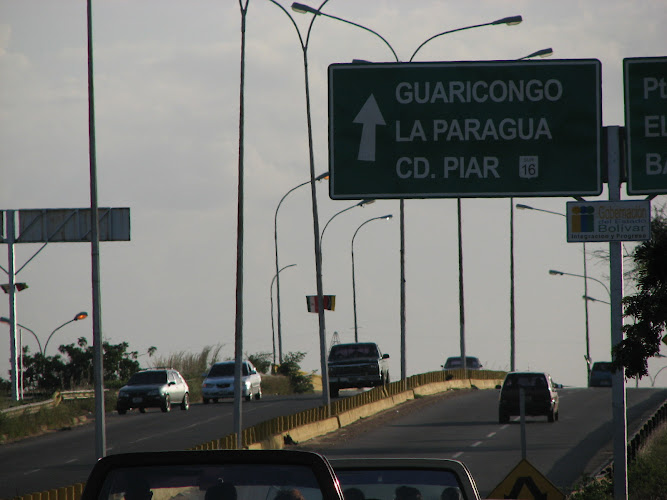
Distribuidor Guaricongo
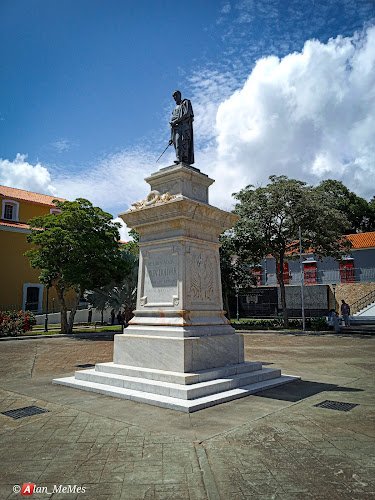
Plaza Bolivar y Catedral De Ciudad
LOS MANGOS
Find Accommodations Nearby
Recommended Tours & Activities
Visitor Reviews
There are no reviews yet. Be the first one to write one.
Share Your Experience
Have you visited DONDE JAVIER? Help other travelers by leaving a review.