Casa Prisión de Piar
About Casa Prisión de Piar
Description
Casa Prisión de Piar stands as one of those historical gems that doesn't always make it onto the typical tourist circuit, and honestly, that's part of what makes it so compelling. This former prison holds a significant place in Venezuelan history, having once confined Manuel Piar, a military leader whose story intertwines with the country's struggle for independence. The building itself speaks volumes about colonial-era architecture and the harsh realities of 19th-century imprisonment. Walking through these weathered walls feels like stepping into a time capsule. The structure has been preserved to give visitors an authentic glimpse into what life was like for those detained here centuries ago. And while it might not have the polish of more commercialized attractions, there's something raw and genuine about experiencing history in a place that hasn't been overly sanitized for modern sensibilities. The atmosphere carries weight – you can almost feel the stories embedded in the stone. What strikes most visitors is the authenticity of the experience. This isn't a recreated tourist attraction with gift shops and fancy amenities. It's a real historical site that's been maintained to educate rather than entertain, though it manages to do both quite effectively. The cells, the corridors, the small spaces where prisoners once spent their days – everything remains much as it was, offering a sobering yet fascinating window into the past. The site serves as an important reminder of Venezuela's complex independence movement and the price many paid for freedom. Manuel Piar's imprisonment here before his execution adds layers of historical significance that resonate through the building. For history enthusiasts and those interested in South American independence movements, this place offers insights you simply can't get from textbooks.Key Features
Visitors to Casa Prisión de Piar will encounter several distinctive elements that make this historical site worth exploring: • Original prison cells that remain largely unchanged from their 19th-century configuration, providing an unfiltered look at colonial-era incarceration conditions • Architectural details reflecting Spanish colonial building techniques, including thick stone walls and minimal ventilation systems that illustrate the harsh conditions prisoners endured • Historical displays and information about Manuel Piar's life, military achievements, and the controversial circumstances surrounding his imprisonment and execution • The actual spaces where significant historical events unfolded, allowing visitors to stand where history happened rather than just reading about it • Limited modern interventions, meaning the site retains its authentic character without extensive renovations that might diminish its historical integrity • A compact layout that allows for thorough exploration without requiring extensive walking, making it manageable even for those with limited time • Educational value that extends beyond the individual story of Piar to encompass broader themes of independence, military justice, and political conflict in early 19th-century Venezuela • Photographic opportunities that capture the stark reality of historical imprisonment, though visitors should approach with appropriate respect for the site's solemn historyBest Time to Visit
Planning your visit to Casa Prisión de Piar requires some consideration of local climate patterns and practical factors. Venezuela's tropical climate means you'll want to think strategically about timing. The dry season, running roughly from December through April, generally offers the most comfortable conditions for exploring historical sites. Temperatures during these months tend to be more bearable, and you're less likely to encounter the sudden downpours that can characterize the rainy season. I've learned from experience that touring historical buildings during heavy rain isn't ideal – not only does it make getting there more challenging, but moisture can make stone floors slippery and diminish the overall experience. That said, the rainy season from May through November shouldn't be completely written off. If you don't mind occasional showers and can work around them, you'll likely encounter fewer tourists and might get a more intimate experience with the site. The cooler temperatures that come with rain can actually make exploring more pleasant than during the peak dry season heat. Weekday mornings typically see lighter crowds compared to weekends, when local families and school groups often visit. If you prefer a quieter, more contemplative experience where you can really absorb the atmosphere without distraction, aim for a Tuesday or Wednesday morning visit. But honestly, this isn't a site that gets overwhelmed with massive tour groups, so even busier times remain relatively manageable. Consider the lighting too. Morning hours provide softer light that's particularly good for photography, and the sun's angle can create dramatic shadows through the prison's small windows and corridors. Late afternoon also has its charm, though you'll want to ensure you have enough time to thoroughly explore before closing.How to Get There
Reaching Casa Prisión de Piar requires a bit of planning, as it's not exactly positioned for casual drop-in visits. The site's location means you'll need to be intentional about your travel arrangements. For those staying in nearby cities, arranging private transportation is often the most straightforward approach. Taxis or hired drivers familiar with the area can navigate the local roads and know exactly where to take you. And honestly, having a driver who knows the area can save you considerable frustration – these historical sites don't always have the clearest signage, and GPS doesn't always work perfectly in every location. Public transportation options exist but require more patience and flexibility. Local buses serve the general area, though you might need to walk a bit from the nearest stop. This option works well for budget-conscious travelers who don't mind adding some extra time to their journey. Just be prepared for schedules that might not align perfectly with your plans – public transit in this region operates on a more relaxed timeline than what many international visitors might expect. If you're driving yourself, make sure your vehicle can handle local road conditions, which can vary considerably depending on recent weather. A standard car usually suffices during dry periods, but some roads might become challenging after heavy rains. Always check current conditions before setting out, and don't be afraid to ask locals for advice on the best routes. Parking near the site is relatively informal. You won't find marked lots with attendants, but there are areas where visitors typically leave their vehicles. It's worth noting that the entrance isn't wheelchair accessible, and parking areas similarly lack accessibility features, so visitors with mobility challenges should plan accordingly and perhaps contact local authorities in advance for assistance.Tips for Visiting
Making the most of your Casa Prisión de Piar experience involves some practical preparation that'll enhance your visit considerably. First things first – wear comfortable, sturdy shoes. The floors inside are original stone, often uneven, and definitely not suited for flip-flops or fancy footwear. I can't stress this enough because historical sites like this weren't designed with modern safety standards in mind. You'll be navigating spaces that might have worn steps, uneven surfaces, and areas where proper footing matters. Bring water and perhaps a light snack, especially if you're visiting during warmer months. There aren't amenities or vendors at the site itself, and you'll want to stay hydrated. The thick stone walls that once kept prisoners confined also trap heat, making interior spaces warmer than you might expect. A flashlight or your phone's light function can prove surprisingly useful. Some interior areas don't have great natural lighting, and seeing details in the darker corners and cells requires supplemental light. This also helps with photography if you're trying to capture the atmosphere of the more shadowed spaces. Speaking of photography, this site offers compelling visual opportunities, but approach with respect. Remember that this was a place of genuine suffering and historical tragedy. Taking photos is perfectly acceptable, but keep the context in mind – this isn't an Instagram backdrop, it's a memorial to difficult history. Consider hiring a local guide if possible. While you can certainly explore independently, guides can provide historical context and stories that transform your understanding of what you're seeing. The difference between seeing an empty cell and knowing the specific events that occurred there is profound. Guides also often speak about broader historical context that helps visitors understand Piar's role in Venezuelan independence. Check opening hours before you go, and be aware that they might change without extensive notice. This is a historical site rather than a commercial operation, so flexibility is helpful. Having a backup plan or alternative sites to visit in the area ensures you won't waste a trip if circumstances change. Don't rush your visit. While the physical space isn't enormous, truly appreciating what you're seeing requires time for reflection. Allow at least an hour, preferably more if you're genuinely interested in the history. Sit quietly in the spaces, read any available information thoroughly, and let the weight of the place sink in. Finally, bring some cash for any entrance fees or to tip guides. Card payment systems aren't always available at smaller historical sites, and having local currency on hand prevents awkward situations. The cost to visit is typically quite reasonable, especially considering the historical significance you're accessing. Remember that this site lacks wheelchair accessibility, so visitors with mobility challenges should prepare accordingly or consider whether the visit is feasible given current conditions. It's unfortunate, but being realistic about accessibility helps avoid disappointment and ensures everyone can plan appropriately.Key Features
- Original cell and preserved interior associated with Manuel Piar
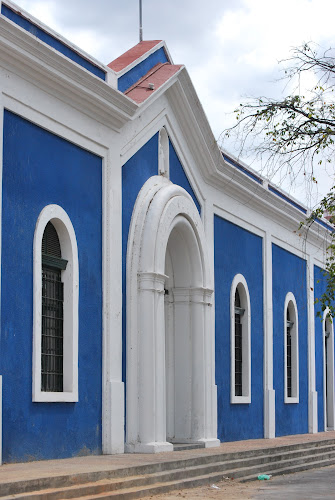
- Colonial-era architecture and shaded courtyard
- Interpretive exhibits on Piar’s military role and trial
- Central location facing Plaza Bolívar in the casco histórico
- Quiet, off-the-beaten-path museum experience
More Details
Updated March 30, 2026
Table of Contents
Description
Casa Prisión de Piar stands as one of those historical gems that doesn’t always make it onto the typical tourist circuit, and honestly, that’s part of what makes it so compelling. This former prison holds a significant place in Venezuelan history, having once confined Manuel Piar, a military leader whose story intertwines with the country’s struggle for independence. The building itself speaks volumes about colonial-era architecture and the harsh realities of 19th-century imprisonment.
Walking through these weathered walls feels like stepping into a time capsule. The structure has been preserved to give visitors an authentic glimpse into what life was like for those detained here centuries ago. And while it might not have the polish of more commercialized attractions, there’s something raw and genuine about experiencing history in a place that hasn’t been overly sanitized for modern sensibilities. The atmosphere carries weight – you can almost feel the stories embedded in the stone.
What strikes most visitors is the authenticity of the experience. This isn’t a recreated tourist attraction with gift shops and fancy amenities. It’s a real historical site that’s been maintained to educate rather than entertain, though it manages to do both quite effectively. The cells, the corridors, the small spaces where prisoners once spent their days – everything remains much as it was, offering a sobering yet fascinating window into the past.
The site serves as an important reminder of Venezuela’s complex independence movement and the price many paid for freedom. Manuel Piar’s imprisonment here before his execution adds layers of historical significance that resonate through the building. For history enthusiasts and those interested in South American independence movements, this place offers insights you simply can’t get from textbooks.
Key Features
Visitors to Casa Prisión de Piar will encounter several distinctive elements that make this historical site worth exploring:
• Original prison cells that remain largely unchanged from their 19th-century configuration, providing an unfiltered look at colonial-era incarceration conditions
• Architectural details reflecting Spanish colonial building techniques, including thick stone walls and minimal ventilation systems that illustrate the harsh conditions prisoners endured
• Historical displays and information about Manuel Piar’s life, military achievements, and the controversial circumstances surrounding his imprisonment and execution
• The actual spaces where significant historical events unfolded, allowing visitors to stand where history happened rather than just reading about it
• Limited modern interventions, meaning the site retains its authentic character without extensive renovations that might diminish its historical integrity
• A compact layout that allows for thorough exploration without requiring extensive walking, making it manageable even for those with limited time
• Educational value that extends beyond the individual story of Piar to encompass broader themes of independence, military justice, and political conflict in early 19th-century Venezuela
• Photographic opportunities that capture the stark reality of historical imprisonment, though visitors should approach with appropriate respect for the site’s solemn history
Best Time to Visit
Planning your visit to Casa Prisión de Piar requires some consideration of local climate patterns and practical factors. Venezuela’s tropical climate means you’ll want to think strategically about timing.
The dry season, running roughly from December through April, generally offers the most comfortable conditions for exploring historical sites. Temperatures during these months tend to be more bearable, and you’re less likely to encounter the sudden downpours that can characterize the rainy season. I’ve learned from experience that touring historical buildings during heavy rain isn’t ideal – not only does it make getting there more challenging, but moisture can make stone floors slippery and diminish the overall experience.
That said, the rainy season from May through November shouldn’t be completely written off. If you don’t mind occasional showers and can work around them, you’ll likely encounter fewer tourists and might get a more intimate experience with the site. The cooler temperatures that come with rain can actually make exploring more pleasant than during the peak dry season heat.
Weekday mornings typically see lighter crowds compared to weekends, when local families and school groups often visit. If you prefer a quieter, more contemplative experience where you can really absorb the atmosphere without distraction, aim for a Tuesday or Wednesday morning visit. But honestly, this isn’t a site that gets overwhelmed with massive tour groups, so even busier times remain relatively manageable.
Consider the lighting too. Morning hours provide softer light that’s particularly good for photography, and the sun’s angle can create dramatic shadows through the prison’s small windows and corridors. Late afternoon also has its charm, though you’ll want to ensure you have enough time to thoroughly explore before closing.
How to Get There
Reaching Casa Prisión de Piar requires a bit of planning, as it’s not exactly positioned for casual drop-in visits. The site’s location means you’ll need to be intentional about your travel arrangements.
For those staying in nearby cities, arranging private transportation is often the most straightforward approach. Taxis or hired drivers familiar with the area can navigate the local roads and know exactly where to take you. And honestly, having a driver who knows the area can save you considerable frustration – these historical sites don’t always have the clearest signage, and GPS doesn’t always work perfectly in every location.
Public transportation options exist but require more patience and flexibility. Local buses serve the general area, though you might need to walk a bit from the nearest stop. This option works well for budget-conscious travelers who don’t mind adding some extra time to their journey. Just be prepared for schedules that might not align perfectly with your plans – public transit in this region operates on a more relaxed timeline than what many international visitors might expect.
If you’re driving yourself, make sure your vehicle can handle local road conditions, which can vary considerably depending on recent weather. A standard car usually suffices during dry periods, but some roads might become challenging after heavy rains. Always check current conditions before setting out, and don’t be afraid to ask locals for advice on the best routes.
Parking near the site is relatively informal. You won’t find marked lots with attendants, but there are areas where visitors typically leave their vehicles. It’s worth noting that the entrance isn’t wheelchair accessible, and parking areas similarly lack accessibility features, so visitors with mobility challenges should plan accordingly and perhaps contact local authorities in advance for assistance.
Tips for Visiting
Making the most of your Casa Prisión de Piar experience involves some practical preparation that’ll enhance your visit considerably.
First things first – wear comfortable, sturdy shoes. The floors inside are original stone, often uneven, and definitely not suited for flip-flops or fancy footwear. I can’t stress this enough because historical sites like this weren’t designed with modern safety standards in mind. You’ll be navigating spaces that might have worn steps, uneven surfaces, and areas where proper footing matters.
Bring water and perhaps a light snack, especially if you’re visiting during warmer months. There aren’t amenities or vendors at the site itself, and you’ll want to stay hydrated. The thick stone walls that once kept prisoners confined also trap heat, making interior spaces warmer than you might expect.
A flashlight or your phone’s light function can prove surprisingly useful. Some interior areas don’t have great natural lighting, and seeing details in the darker corners and cells requires supplemental light. This also helps with photography if you’re trying to capture the atmosphere of the more shadowed spaces.
Speaking of photography, this site offers compelling visual opportunities, but approach with respect. Remember that this was a place of genuine suffering and historical tragedy. Taking photos is perfectly acceptable, but keep the context in mind – this isn’t an Instagram backdrop, it’s a memorial to difficult history.
Consider hiring a local guide if possible. While you can certainly explore independently, guides can provide historical context and stories that transform your understanding of what you’re seeing. The difference between seeing an empty cell and knowing the specific events that occurred there is profound. Guides also often speak about broader historical context that helps visitors understand Piar’s role in Venezuelan independence.
Check opening hours before you go, and be aware that they might change without extensive notice. This is a historical site rather than a commercial operation, so flexibility is helpful. Having a backup plan or alternative sites to visit in the area ensures you won’t waste a trip if circumstances change.
Don’t rush your visit. While the physical space isn’t enormous, truly appreciating what you’re seeing requires time for reflection. Allow at least an hour, preferably more if you’re genuinely interested in the history. Sit quietly in the spaces, read any available information thoroughly, and let the weight of the place sink in.
Finally, bring some cash for any entrance fees or to tip guides. Card payment systems aren’t always available at smaller historical sites, and having local currency on hand prevents awkward situations. The cost to visit is typically quite reasonable, especially considering the historical significance you’re accessing.
Remember that this site lacks wheelchair accessibility, so visitors with mobility challenges should prepare accordingly or consider whether the visit is feasible given current conditions. It’s unfortunate, but being realistic about accessibility helps avoid disappointment and ensures everyone can plan appropriately.
Key Highlights
- Original cell and preserved interior associated with Manuel Piar
- Colonial-era architecture and shaded courtyard
- Interpretive exhibits on Piar’s military role and trial
- Central location facing Plaza Bolívar in the casco histórico
- Quiet, off-the-beaten-path museum experience
Location
Places to Stay Near Casa Prisión de Piar
Find and Book a Tour
Explore More Travel Guides
No reviews found! Be the first to review!
Casa Prisión de Piar is a prominent attractions located in Ciudad Bolívar.
Visit us at: 4CVX+J9W, Calle Bolivar, Cdad. Bolívar 8001, Bolívar, Venezuela.
Traveler Reviews for Casa Prisión de Piar
There are no reviews yet. Be the first one to write one.
Have you visited Casa Prisión de Piar? Help other travelers by sharing your review.
Nearby Attractions
Find Accommodations Nearby
Recommended Tours & Activities
Visitor Reviews
There are no reviews yet. Be the first one to write one.
Share Your Experience
Have you visited Casa Prisión de Piar? Help other travelers by leaving a review.
