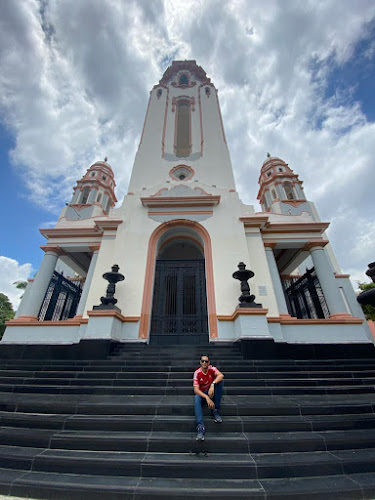
Perched on the northern edge of Old Caracas, the National Pantheon of Venezuela is a solemn, stately monument where the nation’s most revered figures are laid to rest—most famously Simón Bolívar. Housed in a transformed 18th-century church, the Pantheon blends neoclassical grandeur with reverent museum-like displays: marble tombs, sculpted monuments, and a monumental central nave that draws the eye upward to an elegant dome. A visit unfolds like a compact history lesson — guided plaques, military honors, and preserved relics tell stories of independence, nation-building and cultural memory. What makes it special is that it is both a mausoleum and a civic shrine: quiet ceremonial spaces sit alongside exhibits that contextualize Venezuela’s heroes. For travelers interested in history, architecture, or Latin American independence, the Pantheon offers an intimate, dignified encounter with Venezuela’s national narrative and a chance to reflect in a space many locals consider sacred.
Highlights & Key Features
Tombs and memorials of national heroes including Simón Bolívar’s crypt
Neoclassical architecture with a high central nave and dome
Interpretive plaques and historical exhibits about Venezuela’s independence
Solemn, museum-like atmosphere suitable for reflection and photography (respectful)
Central, walkable location in historic Caracas near other cultural sites
Visitor Guide & Information
Description
The National Pantheon stands as one of Venezuela’s most sacred historical monuments, serving as the eternal resting place for some of the country’s most influential figures. Originally constructed as a church in the late 18th century, this architectural marvel underwent a dramatic transformation in the 1870s when it was designated as a national shrine to honor Venezuelan heroes and leaders who shaped the nation’s destiny.
Walking through the imposing entrance, visitors immediately sense the weight of history contained within these walls. The building itself tells a story of transformation and national pride, and honestly, there’s something deeply moving about standing in a space where so many pivotal figures from Venezuelan history have been laid to rest. The most prominent tomb belongs to Simón Bolívar, the liberator of Venezuela and several other South American nations, whose remains were transferred here with great ceremony.
What makes the National Pantheon particularly compelling for travelers is its dual role as both a functioning memorial and a stunning example of neoclassical architecture. The interior features soaring ceilings adorned with paintings depicting significant moments in Venezuelan history, creating an atmosphere that’s part museum, part sacred space, and entirely captivating. And let me tell you, photographs really don’t do justice to the scale and grandeur of the main hall.
The guided tours available at the site offer invaluable context that transforms a simple visit into a genuine learning experience about Venezuelan independence and the personalities who fought for it. Tour guides bring the stories of these historical figures to life, sharing anecdotes and details that you won’t find in standard history books. I’ve heard from several travelers who initially stopped by out of obligation but left genuinely moved by what they learned.
Key Features
The National Pantheon offers several distinctive elements that make it worth including on any Caracas itinerary:
• The magnificent tomb of Simón Bolívar, positioned prominently in the center of the building and guarded by an eternal flame, creating a focal point that commands respect and contemplation
• Spectacular ceiling frescoes painted by renowned Venezuelan artist Tito Salas, depicting critical battles and moments from the independence movement with dramatic flair and historical detail
• The ornate bronze lamp hanging above Bolívar’s tomb, designed by the famous English sculptor John Flaxman and representing one of the building’s most photographed features
• Tombs and memorial plaques honoring numerous other Venezuelan heroes, including military leaders, presidents, and cultural figures who contributed to the nation’s development
• Beautiful neoclassical architecture featuring imposing columns, marble floors, and architectural details that reflect both European influences and Venezuelan identity
• A ceremonial changing of the guard that takes place regularly, adding a living element of tradition to this historical space
• Wheelchair accessible facilities throughout the building, making this important cultural site available to all visitors regardless of mobility considerations
• Educational displays and informational panels that provide context about the individuals commemorated here and their roles in Venezuelan history
• The building’s own fascinating history as a church that was repurposed, showing layers of architectural and cultural evolution
• Peaceful courtyards and exterior spaces where visitors can pause and reflect after touring the interior chambers
Best Time to Visit
Timing your visit to the National Pantheon requires consideration of several factors, though the building itself remains impressive regardless of when you show up. The monument typically sees fewer crowds during weekday mornings, particularly Tuesday through Thursday between 9 AM and 11 AM. These quieter periods allow for more contemplative viewing and better opportunities to appreciate the architectural details without jostling for position.
Weekend visits tend to attract more local families and school groups, which can make the space feel more energetic but also more crowded. But honestly, there’s something kind of nice about experiencing the Pantheon alongside Venezuelan families who are teaching their children about national heroes – it adds an authentic dimension that you might miss during emptier periods.
The climate in Caracas remains relatively consistent year-round due to its elevation, so weather isn’t a major consideration for planning your visit. However, the period from December through April generally offers the most pleasant conditions with less rainfall. The rainy season from May through November doesn’t necessarily ruin outdoor activities, but you’ll want to plan around afternoon showers.
Special national holidays like Independence Day (July 5) and Bolívar’s birthday (July 24) feature ceremonies and increased visitor numbers. These occasions provide unique opportunities to witness the Pantheon’s ongoing significance in Venezuelan national life, though expect larger crowds and potentially modified visiting hours. Some travelers find these ceremonial days particularly memorable, while others prefer the calmer atmosphere of regular visiting days.
Early morning visits offer the best lighting conditions for photography, with natural light streaming through windows and illuminating the frescoes beautifully. The golden hour before closing can also create dramatic lighting effects, though you’ll have less time to explore thoroughly.
How to Get There
Reaching the National Pantheon requires some planning, particularly given Caracas’s transportation challenges. The monument is located in the historic center of Caracas, specifically in the Altagracia parish, an area rich with colonial-era architecture and historical significance.
For travelers staying in eastern Caracas, the most straightforward approach involves taking a taxi or ride-sharing service directly to the Pantheon. While public transportation exists, many visitors find that taxis offer better security and convenience, especially if you’re unfamiliar with the city. Always arrange transportation through your hotel or a trusted service rather than hailing random vehicles on the street.
The Caracas Metro system does serve the general area, with the Capitolio station on Line 1 being the nearest stop. From there, it’s about a ten-minute walk to the Pantheon. However, visitors should exercise caution when walking in this neighborhood and consider traveling during daylight hours with valuables secured.
If you’re exploring the historic center more broadly, the National Pantheon works well as part of a larger walking tour that includes nearby attractions like the Caracas Cathedral and Bolívar Square. Many visitors combine these sites into a half-day exploration of colonial Caracas, which makes logistical sense and provides better context for understanding Venezuela’s historical development.
Driving yourself isn’t generally recommended for international travelers due to parking challenges and navigation difficulties in the historic center. The streets around the Pantheon can be confusing for those unfamiliar with the area, and parking security requires consideration.
Tour companies in Caracas frequently include the National Pantheon in their itineraries, which solves transportation concerns while providing expert guidance. These organized tours often bundle several historical sites together, offering good value and eliminating navigation worries.
Tips for Visiting
Maximizing your National Pantheon experience requires some practical preparation and awareness. First and foremost, dress respectfully – this is an active memorial site where Venezuelans come to honor their national heroes. While there isn’t a strict dress code, shorts, tank tops, and overly casual attire feel inappropriate given the solemn nature of the space. Think of how you’d dress for visiting a significant religious or memorial site anywhere.
Guided tours are absolutely worth taking advantage of, even if you generally prefer exploring independently. The stories and historical context provided by knowledgeable guides transform the experience from simply viewing impressive architecture to understanding the personalities and events that shaped a nation. Tours are typically offered in Spanish, though English-speaking guides may be available with advance arrangement. Don’t be shy about asking questions – most guides genuinely enjoy sharing their knowledge.
Photography is generally permitted inside the Pantheon, but be respectful about flash usage and always observe any posted restrictions. The interior lighting can be challenging, so consider bringing a camera that performs well in low light conditions. And please, be mindful of other visitors when positioning yourself for photos.
The security situation in Caracas requires awareness, particularly in the historic center. Keep valuables secured and out of sight, avoid displaying expensive cameras unnecessarily, and stay alert to your surroundings. This doesn’t mean you should be paranoid, but basic urban travel precautions apply more strongly here than in some other destinations.
Plan for your visit to last between 45 minutes to 90 minutes, depending on whether you take a guided tour and how thoroughly you want to examine the various tombs and artistic elements. The building isn’t enormous, but there’s enough to see that rushing feels disrespectful to both the site and your travel investment.
Facilities including restrooms are available, though don’t expect luxury amenities. Come prepared with any personal items you might need. Water and snacks aren’t permitted inside the memorial areas, which makes sense given the building’s purpose.
The gift shop near the entrance offers books and souvenirs related to Venezuelan history. While selection isn’t extensive, it’s worth browsing if you’re interested in learning more about the figures commemorated here.
Accessibility is genuinely good at the National Pantheon, with wheelchair-accessible entrances and routes throughout the main viewing areas. Families with young children will find the site manageable, though keeping kids engaged requires some advance conversation about why the Pantheon matters and who these historical figures were.
Consider visiting other nearby historical sites on the same day to maximize your time in the historic center. The Pantheon works well as an anchor for a broader exploration of Caracas’s colonial past and independence history. Creating this kind of thematic day helps everything you see connect together more meaningfully.
Finally, approach your visit with appropriate reverence. This isn’t just a tourist attraction – it’s a place of genuine national significance where Venezuelans come to connect with their history and honor those who sacrificed for independence. Being respectful of this purpose makes you a better visitor and allows you to appreciate why this building matters so deeply to the people whose ancestors fought for freedom within living memory of these walls.
The National Pantheon stands as one of Venezuela’s most sacred historical monuments, serving as the eternal resting place for some of the country’s most influential figures. Originally constructed as a church in the late 18th century, this architectural marvel underwent a dramatic transformation in the 1870s when it was designated as a national shrine to honor Venezuelan heroes and leaders who shaped the nation’s destiny.
Walking through the imposing entrance, visitors immediately sense the weight of history contained within these walls. The building itself tells a story of transformation and national pride, and honestly, there’s something deeply moving about standing in a space where so many pivotal figures from Venezuelan history have been laid to rest. The most prominent tomb belongs to Simón Bolívar, the liberator of Venezuela and several other South American nations, whose remains were transferred here with great ceremony.
What makes the National Pantheon particularly compelling for travelers is its dual role as both a functioning memorial and a stunning example of neoclassical architecture. The interior features soaring ceilings adorned with paintings depicting significant moments in Venezuelan history, creating an atmosphere that’s part museum, part sacred space, and entirely captivating. And let me tell you, photographs really don’t do justice to the scale and grandeur of the main hall.
The guided tours available at the site offer invaluable context that transforms a simple visit into a genuine learning experience about Venezuelan independence and the personalities who fought for it. Tour guides bring the stories of these historical figures to life, sharing anecdotes and details that you won’t find in standard history books. I’ve heard from several travelers who initially stopped by out of obligation but left genuinely moved by what they learned.
Key Features
The National Pantheon offers several distinctive elements that make it worth including on any Caracas itinerary:
• The magnificent tomb of Simón Bolívar, positioned prominently in the center of the building and guarded by an eternal flame, creating a focal point that commands respect and contemplation
• Spectacular ceiling frescoes painted by renowned Venezuelan artist Tito Salas, depicting critical battles and moments from the independence movement with dramatic flair and historical detail
• The ornate bronze lamp hanging above Bolívar’s tomb, designed by the famous English sculptor John Flaxman and representing one of the building’s most photographed features
• Tombs and memorial plaques honoring numerous other Venezuelan heroes, including military leaders, presidents, and cultural figures who contributed to the nation’s development
• Beautiful neoclassical architecture featuring imposing columns, marble floors, and architectural details that reflect both European influences and Venezuelan identity
• A ceremonial changing of the guard that takes place regularly, adding a living element of tradition to this historical space
• Wheelchair accessible facilities throughout the building, making this important cultural site available to all visitors regardless of mobility considerations
• Educational displays and informational panels that provide context about the individuals commemorated here and their roles in Venezuelan history
• The building’s own fascinating history as a church that was repurposed, showing layers of architectural and cultural evolution
• Peaceful courtyards and exterior spaces where visitors can pause and reflect after touring the interior chambers
Best Time to Visit
Timing your visit to the National Pantheon requires consideration of several factors, though the building itself remains impressive regardless of when you show up. The monument typically sees fewer crowds during weekday mornings, particularly Tuesday through Thursday between 9 AM and 11 AM. These quieter periods allow for more contemplative viewing and better opportunities to appreciate the architectural details without jostling for position.
Weekend visits tend to attract more local families and school groups, which can make the space feel more energetic but also more crowded. But honestly, there’s something kind of nice about experiencing the Pantheon alongside Venezuelan families who are teaching their children about national heroes – it adds an authentic dimension that you might miss during emptier periods.
The climate in Caracas remains relatively consistent year-round due to its elevation, so weather isn’t a major consideration for planning your visit. However, the period from December through April generally offers the most pleasant conditions with less rainfall. The rainy season from May through November doesn’t necessarily ruin outdoor activities, but you’ll want to plan around afternoon showers.
Special national holidays like Independence Day (July 5) and Bolívar’s birthday (July 24) feature ceremonies and increased visitor numbers. These occasions provide unique opportunities to witness the Pantheon’s ongoing significance in Venezuelan national life, though expect larger crowds and potentially modified visiting hours. Some travelers find these ceremonial days particularly memorable, while others prefer the calmer atmosphere of regular visiting days.
Early morning visits offer the best lighting conditions for photography, with natural light streaming through windows and illuminating the frescoes beautifully. The golden hour before closing can also create dramatic lighting effects, though you’ll have less time to explore thoroughly.
How to Get There
Reaching the National Pantheon requires some planning, particularly given Caracas’s transportation challenges. The monument is located in the historic center of Caracas, specifically in the Altagracia parish, an area rich with colonial-era architecture and historical significance.
For travelers staying in eastern Caracas, the most straightforward approach involves taking a taxi or ride-sharing service directly to the Pantheon. While public transportation exists, many visitors find that taxis offer better security and convenience, especially if you’re unfamiliar with the city. Always arrange transportation through your hotel or a trusted service rather than hailing random vehicles on the street.
The Caracas Metro system does serve the general area, with the Capitolio station on Line 1 being the nearest stop. From there, it’s about a ten-minute walk to the Pantheon. However, visitors should exercise caution when walking in this neighborhood and consider traveling during daylight hours with valuables secured.
If you’re exploring the historic center more broadly, the National Pantheon works well as part of a larger walking tour that includes nearby attractions like the Caracas Cathedral and Bolívar Square. Many visitors combine these sites into a half-day exploration of colonial Caracas, which makes logistical sense and provides better context for understanding Venezuela’s historical development.
Driving yourself isn’t generally recommended for international travelers due to parking challenges and navigation difficulties in the historic center. The streets around the Pantheon can be confusing for those unfamiliar with the area, and parking security requires consideration.
Tour companies in Caracas frequently include the National Pantheon in their itineraries, which solves transportation concerns while providing expert guidance. These organized tours often bundle several historical sites together, offering good value and eliminating navigation worries.
Tips for Visiting
Maximizing your National Pantheon experience requires some practical preparation and awareness. First and foremost, dress respectfully – this is an active memorial site where Venezuelans come to honor their national heroes. While there isn’t a strict dress code, shorts, tank tops, and overly casual attire feel inappropriate given the solemn nature of the space. Think of how you’d dress for visiting a significant religious or memorial site anywhere.
Guided tours are absolutely worth taking advantage of, even if you generally prefer exploring independently. The stories and historical context provided by knowledgeable guides transform the experience from simply viewing impressive architecture to understanding the personalities and events that shaped a nation. Tours are typically offered in Spanish, though English-speaking guides may be available with advance arrangement. Don’t be shy about asking questions – most guides genuinely enjoy sharing their knowledge.
Photography is generally permitted inside the Pantheon, but be respectful about flash usage and always observe any posted restrictions. The interior lighting can be challenging, so consider bringing a camera that performs well in low light conditions. And please, be mindful of other visitors when positioning yourself for photos.
The security situation in Caracas requires awareness, particularly in the historic center. Keep valuables secured and out of sight, avoid displaying expensive cameras unnecessarily, and stay alert to your surroundings. This doesn’t mean you should be paranoid, but basic urban travel precautions apply more strongly here than in some other destinations.
Plan for your visit to last between 45 minutes to 90 minutes, depending on whether you take a guided tour and how thoroughly you want to examine the various tombs and artistic elements. The building isn’t enormous, but there’s enough to see that rushing feels disrespectful to both the site and your travel investment.
Facilities including restrooms are available, though don’t expect luxury amenities. Come prepared with any personal items you might need. Water and snacks aren’t permitted inside the memorial areas, which makes sense given the building’s purpose.
The gift shop near the entrance offers books and souvenirs related to Venezuelan history. While selection isn’t extensive, it’s worth browsing if you’re interested in learning more about the figures commemorated here.
Accessibility is genuinely good at the National Pantheon, with wheelchair-accessible entrances and routes throughout the main viewing areas. Families with young children will find the site manageable, though keeping kids engaged requires some advance conversation about why the Pantheon matters and who these historical figures were.
Consider visiting other nearby historical sites on the same day to maximize your time in the historic center. The Pantheon works well as an anchor for a broader exploration of Caracas’s colonial past and independence history. Creating this kind of thematic day helps everything you see connect together more meaningfully.
Finally, approach your visit with appropriate reverence. This isn’t just a tourist attraction – it’s a place of genuine national significance where Venezuelans come to connect with their history and honor those who sacrificed for independence. Being respectful of this purpose makes you a better visitor and allows you to appreciate why this building matters so deeply to the people whose ancestors fought for freedom within living memory of these walls.
Key Highlights
Tombs and memorials of national heroes including Simón Bolívar’s crypt
Neoclassical architecture with a high central nave and dome
Interpretive plaques and historical exhibits about Venezuela’s independence
Solemn, museum-like atmosphere suitable for reflection and photography (respectful)
Central, walkable location in historic Caracas near other cultural sites
Right in the heart of Caracas, you’ll spot the National Pantheon. This isn’t just another landmark—it’s Venezuela’s most sacred shrine to its national heroes.
Step inside and you’re walking among legends. The building, originally the Holy Trinity Church from the 1740s, became a national monument in the 1870s after an earthquake left it in ruins.
The central nave is all about Simón Bolívar, the liberator himself. His bronze sarcophagus sits where the altar used to be, and above, a massive crystal chandelier from 1883 glitters under the vaulted ceiling.
Look up—1930s murals burst with scenes from Bolívar’s life. The place feels both solemn and oddly electric, especially if you’re into the drama of South American independence.
But it’s not all about Bolívar. Over 140 other national heroes rest here, from independence generals to writers and artists who shaped Venezuela’s story.
The building itself? It’s a stunner. Pink exterior, neo-Gothic flourishes, and those guided tours—don’t skip them. You’ll get stories about everyone from indigenous rebels to composers, and honestly, it’s the kind of place that makes history feel alive.
About National Pantheon
You’re not just visiting a tomb—you’re stepping into Venezuela’s most revered burial site. The neoclassical bones of the place hint at its church origins, but now it’s a monument to the country’s greatest heroes.
History and Significance
The Pantheon’s story starts back in 1744 as the Santísima Trinidad church. Then came the earthquake in 1812, and for decades, the ruins just sat there.
In the 1870s, the government decided it was time for something bigger. On March 27, 1874, the Pantheon was officially born.
Why then? Well, Venezuela wanted to honor Simón Bolívar, the liberator who didn’t just free Venezuela—he helped liberate Bolivia, Colombia, Ecuador, Peru, and Panama too. His remains moved here in 1876, and the central nave became his sanctuary.
He’s not alone, though. Over 150 national heroes are buried here, including military leaders, presidents, writers, and indigenous rebels like Guaicaipuro and Apacuana.
What Makes It Special
There’s something about walking into the Pantheon that just feels different. Bolívar’s presence dominates the central nave, with 1930s murals overhead that pull you right into his story.
That chandelier? Installed in 1883 for Bolívar’s centennial. It’s huge, dramatic, and a little over-the-top—in the best way.
Along the side aisles, you’ll find the tombs of other heroes. Teresa Carreño, the pianist and composer, is here. So is Pedro Camejo, “Negro Primero,” who fought at the Battle of Carabobo.
After a big restoration, the Pantheon reopened in 2013 with more space and better displays. It’s easier than ever to get what makes this place tick.
What to See and Do
There’s no way to rush a visit here. The historical moments and the architecture demand your attention, and you’ll want at least an hour—though you could easily lose yourself for more.
Main Attractions and Highlights
The real showstopper is Bolívar’s bronze sarcophagus. It sits under a painted dome, scenes of Venezuela’s independence struggle swirling above.
An eternal flame flickers beside the tomb. The mood is heavy, but in a good way—like you’re witnessing something important.
Don’t skip the upper galleries. They’re packed with paintings by Venezuelan artists—portraits, historical scenes, all that good stuff. If you’re into photography, the natural light between 2 and 3 pm is pretty decent.
If you’re around at 4 pm (except Mondays), catch the changing of the guard. Scarlet uniforms, polished boots, and a ceremony that’s surprisingly moving. Locals still show up for it, even if they’ve seen it a hundred times.
At the back, there’s the Archivo General de la Nación. You can peek at original independence documents and, if you’re lucky, see some of Bolívar’s handwritten notes.
Best Time to Visit
Weekday mornings before 10 am are your best bet for peace and quiet. You’ll mostly run into history buffs and a handful of locals.
From December to April, the weather’s less sticky and the rain backs off a bit. The building stays cool, though, thanks to those thick walls.
Weekends? Expect families, students, and a lot more noise. Guided tours in English are hit or miss, so check ahead if that’s important to you.
Visitor Information
You’ll find the National Pantheon in the historic Altagracia district, just three blocks north of the Capitolio metro stop. Arrive early on a weekday if you want a shot at having the place to yourself.
Location and How to Get There
The Pantheon is on Avenida Panteón, smack in the old town. The white neoclassical facade pops out from the surrounding streets.
If you’re coming from Simón Bolívar International Airport, a taxi ride takes 45-60 minutes—traffic can be wild, so settle the fare before you hop in. Metro’s cheaper: take the orange line to Capitolio, then wander three blocks north through Plaza Bolívar.
From neighborhoods like Los Caobos or El Rosal, metro’s still your friend. Taxis work, but meters are usually just for show, so agree on the price in advance.
Once you’re in the historic district, ditch the car. The streets are narrow and colonial, and walking’s just easier. Look for the dome above the red-tiled roofs—it’ll lead you right to the entrance on Plaza Santa Teresa.
Tips for Visitors
Show up before 10 AM on a weekday if you want the National Pantheon nearly to yourself. Trust me, the place feels different when it’s quiet—almost like you’re sneaking a private peek at history.
Weekends? That’s when families and tour groups fill the central nave. It gets lively, a bit chaotic, but maybe that’s your thing.
The changing of the guard is at 4 PM sharp. If you want a good view (and to avoid squinting into the sun), stand on the east side of the plaza.
Bring some small bills for the bathroom attendant. It’s the little things that smooth your visit.
Don’t forget to greet the guards with a friendly “buenos días.” Sounds simple, but it really does make a difference here.
Photography is fair game, just keep your flash off. Security will give you a gentle reminder if you forget.
Inside, it’s surprisingly cool—even when Caracas is baking outside. Those marble floors, though, are brutal on your feet, so wear comfy shoes.
Hours can change on a whim, so double-check locally before you go. Nothing worse than showing up to locked doors.
Explore verified points of interest within walking or short transit distance.
No neighboring places mapped within 5 km yet.
Find Places to Stay Nearby
Stay22 provides this accommodation search. We may earn a commission if you book through it; verify current prices and terms with the provider.
🗺️
Interactive accommodation map requires marketing cookies to display live rates.
Recommended Experiences & Activities
GetYourGuide provides this tour inventory. We may earn a commission if you book through it; verify current availability, prices, and terms with the provider.
Top Viator Experiences & Guided Tours in Caracas
We may earn a commission if you book through links on this page at no extra cost to you. All tours feature verified customer reviews and flexible cancellation options.