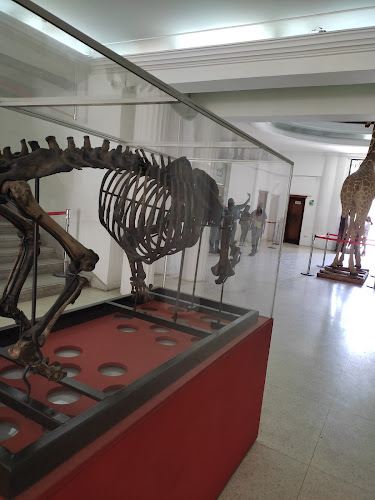
The Museum of Natural Sciences offers travelers an authentic opportunity to explore the wonders of our planet through carefully curated exhibits that span geology, paleontology, biology, and environmental science.
Highlights & Key Features
Key Features
Best Time to Visit
How to Get There
Tips for Visiting
Visitor Guide & Information
Description
What makes this museum particularly special is its commitment to accessibility and inclusivity. The facility welcomes visitors from all walks of life, ensuring that families, solo travelers, and diverse communities feel comfortable exploring its halls. I’ve always believed that museums should be spaces where everyone belongs, and this one actually delivers on that promise rather than just paying lip service to the idea.
The exhibits here aren’t the dusty, behind-glass-only type that make you feel disconnected from what you’re supposed to be learning about. Instead, visitors find themselves engaged with interactive displays and thoughtfully designed spaces that make complex scientific concepts actually understandable. And honestly, that’s refreshing—because who hasn’t walked through a science museum feeling like they needed a PhD just to read the placard descriptions?
While it may not have an on-site restaurant (something to plan around, for sure), the museum compensates with well-maintained facilities and a gift shop where you can pick up something more meaningful than your typical tourist trinkets. The overall experience here tends to satisfy curious minds whether you’re eight or eighty years old.
Key Features
The Museum of Natural Sciences distinguishes itself through several noteworthy characteristics that enhance the visitor experience:
Comprehensive accessibility features including wheelchair-accessible entrances and restrooms, making exploration possible for visitors with mobility considerations
Kid-friendly activities that actually engage children rather than just keeping them occupied—interactive stations designed with young learners in mind
Inclusive environment that actively welcomes LGBTQ+ visitors and provides a safe space for transgender individuals, which unfortunately still isn’t universal among tourist attractions
Well-maintained restroom facilities throughout the museum—seems basic but anyone who’s traveled extensively knows this matters more than guidebooks usually mention
Thoughtful gift shop offering educational materials, unique souvenirs, and science-themed items that connect to the exhibits you’ve just experienced
Family-oriented design that accommodates multigenerational groups without talking down to adults or over the heads of children
Parking flexibility with both free and paid street parking options available, giving visitors choices depending on their budget and time constraints
Educational programming that extends beyond static displays to create memorable learning moments
Best Time to Visit
Timing your visit to the Museum of Natural Sciences can significantly impact your experience, and I’ve learned through various museum visits that when you go matters almost as much as going itself.
Weekday mornings, particularly Tuesday through Thursday between 10 AM and noon, typically offer the most relaxed browsing experience. You’ll encounter fewer crowds, which means you can actually spend time reading those detailed explanations without someone breathing down your neck waiting for you to move along. The lighting often feels better during morning hours too—something about natural light filtering through the building that makes everything more pleasant.
Weekends and school holidays bring larger crowds, especially families with children. Now, this isn’t necessarily bad if you enjoy that energetic atmosphere, but if you’re someone who prefers contemplative museum visits where you can hear yourself think, weekend afternoons might test your patience. The museum does tend to fill up between 1 PM and 3 PM on Saturdays and Sundays.
But here’s something most travel guides won’t tell you: visiting during busy times actually has advantages if you’re traveling with kids. The energy is contagious, children feel less conspicuous if they get excited or noisy, and you’ll often find other families navigating the same challenges you are. There’s comfort in numbers sometimes.
Weather considerations matter more than you’d think for an indoor attraction. Rainy days predictably drive more visitors inside, while beautiful sunny days thin out the crowds as people opt for outdoor activities. If you’re flexible with your schedule, checking the forecast might help you plan strategically.
Off-season months—typically late January through early March and September through early October—provide excellent visiting conditions. School groups are less frequent, tourists haven’t yet descended in summer numbers, and the staff often has more capacity to answer questions or provide information.
Arriving right when the doors open gives you a head start on the crowds regardless of the season. Those first 45 minutes feel almost private, like you’ve got the place to yourself. And leaving just before closing time means you’ll navigate exhibits without the midday rush, though you’ll obviously have less time overall.
How to Get There
Getting to the Museum of Natural Sciences doesn’t require complicated logistics, though like most urban attractions, a bit of planning helps smooth the journey.
For visitors driving, street parking surrounds the museum with both metered and free options depending on which streets you target. The free parking tends to fill quickly, especially on weekends, so arriving early improves your chances considerably. Paid parking runs at standard city rates—not cheap but not extortionate either. I’d recommend budgeting for parking costs if you’re driving, because nothing dampens museum enthusiasm quite like circling blocks endlessly searching for that mythical free spot.
Public transportation serves the area well, with multiple bus routes stopping within a few blocks of the entrance. Check the local transit authority’s website or app for current schedules and routes, as these occasionally change. The walk from the nearest major transit stops takes roughly five to ten minutes depending on your pace, and the route is generally pedestrian-friendly with proper sidewalks and crosswalks.
Rideshare services like Uber and Lyft drop passengers directly at the entrance without issue. The museum location is well-known to drivers, so you shouldn’t encounter navigation problems. This option works particularly well if you’re staying downtown or in nearby neighborhoods, keeping costs reasonable while avoiding parking headaches altogether.
Cyclists will find the area bikeable with designated lanes on several approach streets. However, secure bike parking near the entrance could be better—something the museum might want to address given increasing cycling tourism. Bring a quality lock and plan to spend a moment finding a suitable spot.
Walking from nearby hotels or downtown areas is entirely feasible if you’re staying within a mile radius and weather cooperates. The neighborhood feels safe during daylight hours, and you’ll get a better sense of the surrounding area than you would zipping by in a car or rideshare.
Taxi services remain available though less commonly used since rideshare apps became dominant. If you prefer traditional cabs, having the museum’s address written down helps ensure drivers understand your destination, particularly if you’re working with language barriers.
Tips for Visiting
Making the most of your Museum of Natural Sciences experience involves more than just showing up—a few strategic decisions can transform a good visit into a great one.
Plan for at least two to three hours if you want to see the exhibits properly without feeling rushed. I’ve tried doing museums in an hour before, and it just leaves you frustrated, having paid admission to basically jog through hallways. Give yourself time to actually absorb information and enjoy the displays that catch your interest.
Bring water bottles, especially if traveling with children. While the museum has restrooms (thankfully clean ones), staying hydrated makes everyone more comfortable during extended periods of walking and standing. And yes, museum fatigue is real—your feet will remind you that you’ve been on them for hours.
Comfortable shoes aren’t optional, they’re mandatory. This should go without saying, but every museum visit I witness people hobbling around in completely inappropriate footwear. Save the fashion statements for dinner; wear shoes you could walk miles in because you basically will.
The absence of an on-site restaurant means eating beforehand or planning a post-visit meal makes sense. Some visitors bring snacks, though check current policies about food in exhibit areas. A hungry traveler is a cranky traveler, and you don’t want hunger cutting your visit short or distracting from the experience.
Photography policies vary by exhibit, so pay attention to posted signs. Some areas welcome photos while others prohibit them to protect artifacts or respect certain collections. When in doubt, ask staff—they’re there to help, not catch you breaking rules.
The gift shop deserves a proper browse, not just a rushed glance on your way out. They stock genuinely interesting items including local science-related books, educational toys that kids actually want to play with, and unique souvenirs. Budget a bit extra because you’ll probably find something worth taking home.
Accessibility features work well here, but visitors with specific needs should contact the museum ahead of time. Staff can provide detailed information about navigating exhibits with wheelchairs, arranging for assisted listening devices, or accommodating other requirements that make visits more comfortable.
Visiting with children works best when you let them set some of the pace. Yes, you want to see certain exhibits, but forcing kids through areas that don’t interest them creates resistance. Let them linger where curiosity strikes, even if it means skipping sections that appeal more to adults. You can always return for a second visit focused on what you missed.
Check for special exhibitions or programming before you go. The museum hosts rotating displays and events that might align perfectly with your interests—or might be things you’d rather avoid if you’re seeking a quieter experience. Their schedule affects crowd levels and what you’ll encounter.
Arrive with realistic expectations. This isn’t the Smithsonian or the Natural History Museum in London, and that’s perfectly fine. It offers its own character and strengths without trying to compete with institutions ten times its size. Appreciate it for what it is rather than judging it against what it isn’t.
Taking breaks matters more than people realize. Museum fatigue is a documented phenomenon where after a certain point, exhibits blur together and nothing else registers. Find a bench, sit for ten minutes, let your brain process what you’ve seen. You’ll enjoy the remaining exhibits much more after giving yourself that reset.
The Museum of Natural Sciences offers travelers an authentic opportunity to explore the wonders of our planet through carefully curated exhibits that span geology, paleontology, biology, and environmental science. This institution has earned its reputation as one of those places where you can genuinely lose track of time—wandering from prehistoric fossils to modern ecosystems without ever feeling like you’re just checking boxes off a tourist itinerary.
What makes this museum particularly special is its commitment to accessibility and inclusivity. The facility welcomes visitors from all walks of life, ensuring that families, solo travelers, and diverse communities feel comfortable exploring its halls. I’ve always believed that museums should be spaces where everyone belongs, and this one actually delivers on that promise rather than just paying lip service to the idea.
The exhibits here aren’t the dusty, behind-glass-only type that make you feel disconnected from what you’re supposed to be learning about. Instead, visitors find themselves engaged with interactive displays and thoughtfully designed spaces that make complex scientific concepts actually understandable. And honestly, that’s refreshing—because who hasn’t walked through a science museum feeling like they needed a PhD just to read the placard descriptions?
While it may not have an on-site restaurant (something to plan around, for sure), the museum compensates with well-maintained facilities and a gift shop where you can pick up something more meaningful than your typical tourist trinkets. The overall experience here tends to satisfy curious minds whether you’re eight or eighty years old.
Key Features
The Museum of Natural Sciences distinguishes itself through several noteworthy characteristics that enhance the visitor experience:
Comprehensive accessibility features including wheelchair-accessible entrances and restrooms, making exploration possible for visitors with mobility considerations
Kid-friendly activities that actually engage children rather than just keeping them occupied—interactive stations designed with young learners in mind
Inclusive environment that actively welcomes LGBTQ+ visitors and provides a safe space for transgender individuals, which unfortunately still isn’t universal among tourist attractions
Well-maintained restroom facilities throughout the museum—seems basic but anyone who’s traveled extensively knows this matters more than guidebooks usually mention
Thoughtful gift shop offering educational materials, unique souvenirs, and science-themed items that connect to the exhibits you’ve just experienced
Family-oriented design that accommodates multigenerational groups without talking down to adults or over the heads of children
Parking flexibility with both free and paid street parking options available, giving visitors choices depending on their budget and time constraints
Educational programming that extends beyond static displays to create memorable learning moments
Best Time to Visit
Timing your visit to the Museum of Natural Sciences can significantly impact your experience, and I’ve learned through various museum visits that when you go matters almost as much as going itself.
Weekday mornings, particularly Tuesday through Thursday between 10 AM and noon, typically offer the most relaxed browsing experience. You’ll encounter fewer crowds, which means you can actually spend time reading those detailed explanations without someone breathing down your neck waiting for you to move along. The lighting often feels better during morning hours too—something about natural light filtering through the building that makes everything more pleasant.
Weekends and school holidays bring larger crowds, especially families with children. Now, this isn’t necessarily bad if you enjoy that energetic atmosphere, but if you’re someone who prefers contemplative museum visits where you can hear yourself think, weekend afternoons might test your patience. The museum does tend to fill up between 1 PM and 3 PM on Saturdays and Sundays.
But here’s something most travel guides won’t tell you: visiting during busy times actually has advantages if you’re traveling with kids. The energy is contagious, children feel less conspicuous if they get excited or noisy, and you’ll often find other families navigating the same challenges you are. There’s comfort in numbers sometimes.
Weather considerations matter more than you’d think for an indoor attraction. Rainy days predictably drive more visitors inside, while beautiful sunny days thin out the crowds as people opt for outdoor activities. If you’re flexible with your schedule, checking the forecast might help you plan strategically.
Off-season months—typically late January through early March and September through early October—provide excellent visiting conditions. School groups are less frequent, tourists haven’t yet descended in summer numbers, and the staff often has more capacity to answer questions or provide information.
Arriving right when the doors open gives you a head start on the crowds regardless of the season. Those first 45 minutes feel almost private, like you’ve got the place to yourself. And leaving just before closing time means you’ll navigate exhibits without the midday rush, though you’ll obviously have less time overall.
How to Get There
Getting to the Museum of Natural Sciences doesn’t require complicated logistics, though like most urban attractions, a bit of planning helps smooth the journey.
For visitors driving, street parking surrounds the museum with both metered and free options depending on which streets you target. The free parking tends to fill quickly, especially on weekends, so arriving early improves your chances considerably. Paid parking runs at standard city rates—not cheap but not extortionate either. I’d recommend budgeting for parking costs if you’re driving, because nothing dampens museum enthusiasm quite like circling blocks endlessly searching for that mythical free spot.
Public transportation serves the area well, with multiple bus routes stopping within a few blocks of the entrance. Check the local transit authority’s website or app for current schedules and routes, as these occasionally change. The walk from the nearest major transit stops takes roughly five to ten minutes depending on your pace, and the route is generally pedestrian-friendly with proper sidewalks and crosswalks.
Rideshare services like Uber and Lyft drop passengers directly at the entrance without issue. The museum location is well-known to drivers, so you shouldn’t encounter navigation problems. This option works particularly well if you’re staying downtown or in nearby neighborhoods, keeping costs reasonable while avoiding parking headaches altogether.
Cyclists will find the area bikeable with designated lanes on several approach streets. However, secure bike parking near the entrance could be better—something the museum might want to address given increasing cycling tourism. Bring a quality lock and plan to spend a moment finding a suitable spot.
Walking from nearby hotels or downtown areas is entirely feasible if you’re staying within a mile radius and weather cooperates. The neighborhood feels safe during daylight hours, and you’ll get a better sense of the surrounding area than you would zipping by in a car or rideshare.
Taxi services remain available though less commonly used since rideshare apps became dominant. If you prefer traditional cabs, having the museum’s address written down helps ensure drivers understand your destination, particularly if you’re working with language barriers.
Tips for Visiting
Making the most of your Museum of Natural Sciences experience involves more than just showing up—a few strategic decisions can transform a good visit into a great one.
Plan for at least two to three hours if you want to see the exhibits properly without feeling rushed. I’ve tried doing museums in an hour before, and it just leaves you frustrated, having paid admission to basically jog through hallways. Give yourself time to actually absorb information and enjoy the displays that catch your interest.
Bring water bottles, especially if traveling with children. While the museum has restrooms (thankfully clean ones), staying hydrated makes everyone more comfortable during extended periods of walking and standing. And yes, museum fatigue is real—your feet will remind you that you’ve been on them for hours.
Comfortable shoes aren’t optional, they’re mandatory. This should go without saying, but every museum visit I witness people hobbling around in completely inappropriate footwear. Save the fashion statements for dinner; wear shoes you could walk miles in because you basically will.
The absence of an on-site restaurant means eating beforehand or planning a post-visit meal makes sense. Some visitors bring snacks, though check current policies about food in exhibit areas. A hungry traveler is a cranky traveler, and you don’t want hunger cutting your visit short or distracting from the experience.
Photography policies vary by exhibit, so pay attention to posted signs. Some areas welcome photos while others prohibit them to protect artifacts or respect certain collections. When in doubt, ask staff—they’re there to help, not catch you breaking rules.
The gift shop deserves a proper browse, not just a rushed glance on your way out. They stock genuinely interesting items including local science-related books, educational toys that kids actually want to play with, and unique souvenirs. Budget a bit extra because you’ll probably find something worth taking home.
Accessibility features work well here, but visitors with specific needs should contact the museum ahead of time. Staff can provide detailed information about navigating exhibits with wheelchairs, arranging for assisted listening devices, or accommodating other requirements that make visits more comfortable.
Visiting with children works best when you let them set some of the pace. Yes, you want to see certain exhibits, but forcing kids through areas that don’t interest them creates resistance. Let them linger where curiosity strikes, even if it means skipping sections that appeal more to adults. You can always return for a second visit focused on what you missed.
Check for special exhibitions or programming before you go. The museum hosts rotating displays and events that might align perfectly with your interests—or might be things you’d rather avoid if you’re seeking a quieter experience. Their schedule affects crowd levels and what you’ll encounter.
Arrive with realistic expectations. This isn’t the Smithsonian or the Natural History Museum in London, and that’s perfectly fine. It offers its own character and strengths without trying to compete with institutions ten times its size. Appreciate it for what it is rather than judging it against what it isn’t.
Taking breaks matters more than people realize. Museum fatigue is a documented phenomenon where after a certain point, exhibits blur together and nothing else registers. Find a bench, sit for ten minutes, let your brain process what you’ve seen. You’ll enjoy the remaining exhibits much more after giving yourself that reset.
The Museum of Natural Sciences sits right in the heart of Caracas, tucked into Plaza de los Museos. This neo-classical spot has been around since 1875, making it one of Venezuela’s oldest science museums.
Inside, you’ll find a wild variety of exhibits—archaeology, anthropology, natural history, and ethnography all get their time to shine. There are pre-Columbian artifacts, fossils, and displays about indigenous farming techniques.
It’s hard to believe German scientist Gustavo Adolfo Ernst kicked this whole thing off. Now, it’s grown into a pretty extensive collection that pulls in both locals and travelers who want to get a deeper look at Venezuela’s natural and cultural story.
You’ll wander past stuffed mammals from the region, ancient pottery, mummified remains, and even objects from African and Afro-American cultures. The museum isn’t just about looking at old stuff—it tries to make science feel accessible and alive, connecting Venezuela’s past with the natural world.
You’re right in Parque Los Caobos, so after you’ve had your fill of fossils and artifacts, you can take a breather in the park’s green spaces.
The museum usually opens Monday to Friday from 9:00 AM to 5:00 PM, and on weekends, you can stay an hour later. Admission isn’t expensive, but it’s always smart to check locally for the latest prices or special exhibits.
Key Takeaways
The Museum of Natural Sciences in Caracas highlights archaeology, natural history, and anthropology, all dating back to 1875.
Expect to see pre-Columbian artifacts, fossils, stuffed animals, and cultural objects from both indigenous and Afro-American backgrounds.
It’s right at Plaza de los Museos, with daily hours and affordable admission.
About Museum of Natural Sciences
Founded in 1875, this spot in Caracas is Venezuela’s oldest museum, now home to over 150,000 specimens. You’ll see everything from indigenous artifacts to African ethnographic pieces.
The museum moved to Parque Los Caobos in 1940. Even now, it feels like a quiet little refuge tucked inside the city’s chaos.
History and Significance
So, here’s the thing: it’s the oldest museum in Venezuela, first opening its doors in 1875. Since July 24, 1940, it’s been rooted in Los Caobos, quietly shaping scientific education in Caracas.
Over almost 150 years, the museum’s built up a hefty collection—over 150,000 pieces, actually. You’ll find preserved animals, fossils, and ethnographic treasures from Venezuela and Africa, all split into themed sections.
The collection covers a lot: herbology, botany, hydrobiology, ornithology, and paleontology. It’s a bit mind-boggling, honestly.
What’s cool is how seriously they take preserving Venezuela’s scientific heritage. There’s a small, dedicated team running research and community projects that sometimes get attention beyond Venezuela.
What Makes It Special
You get to see early indigenous farming techniques right next to pre-Columbian artifacts, which really gives you a sense of Venezuela before Europeans arrived. But let’s be real—the stuffed mammals and preserved wildlife are what people love most.
Each section gives you a different slice of natural history, from geology to environmental science. The whole place has this unpolished, genuine vibe—no over-the-top tourist gloss.
Being in Parque Los Caobos is a bonus. You can wander the park before or after your museum fix.
Opening hours are usually Thursday through Sunday, 10:00 AM to 4:00 PM. Still, it’s worth double-checking before you go—things can change on a whim.
What to See and Do
The museum crams a lot into a compact space. If you time your visit right, you’ll have most of the galleries to yourself.
Main Attractions and Highlights
The Paleontology Hall is honestly where I lost track of time. There are fossils you can actually touch—mastodon molars, a megalodon tooth that’s still pretty sharp. The collection lays out Venezuela’s prehistoric past with fossils millions of years old.
Behind the main building, you’ll find the Live Serpentario—a greenhouse full of native snakes. Boa constrictors and bushmasters live in glass terrariums. If you’re there on a Tuesday afternoon around 4 p.m., you might catch the feeding session. It’s not for the squeamish.
The Mineralogy Gallery is a favorite, too. Venezuelan minerals glow under violet lights—raw gold crystals, quartz from Bolívar state, shimmering mica sheets. Everything’s local, which feels more personal than the usual international stuff.
Don’t skip the pre-Columbian artifacts or the stuffed mammals. There’s a small section on local ecosystems and Venezuelan wildlife as well. Honestly, you can see the whole museum in about an hour, but it doesn’t feel rushed.
Best Time to Visit
If you want peace and quiet, go Tuesday to Thursday mornings. Weekends get packed with school groups and birthday parties—expect lines at the popular exhibits.
December through April is the dry season, though Caracas weather is its own beast and afternoon showers can still surprise you around 3 p.m. The air conditioning inside is no joke, so even on a warm day, bring a light jacket.
Once a month, the museum hosts a night bat walk in the park. It’s not advertised much online, so locals usually fill up the spots fast.
Visitor Information
You’ll find the Museum of Natural Sciences at Plaza de los Museos in Caracas, inside a neo-classical building that’s seen a lot since 1875. Getting there is pretty straightforward, and a few local tips can make your visit smoother.
Location and How to Get There
The museum’s at Plaza de los Museos, right in the Bellas Artes neighborhood. It’s along Avenida Libertador, so it’s hard to miss.
If you’re taking the metro, get off at Bellas Artes station—you’re basically there. The building sits in Parque Los Caobos, so you can easily pair your museum trip with a walk in the park.
Most locals know Plaza de los Museos, so if you get lost, just ask. Taxis and ride-shares can drop you off right at the entrance.
Tips for Visitors
Honestly, you’ll want to budget about an hour here—maybe a bit more if you’re the type who reads every plaque. The Museum of Natural Sciences in Caracas isn’t massive, but what’s on display is genuinely intriguing.
Expect to wander through rooms covering everything from paleontology to ornithology. There’s a cool nod to Venezuelan ethnography and some hands-on exhibits about indigenous farming.
One of my favorite spots was the interactive room about pandemics. It’s surprisingly engaging, especially if you’re traveling with curious kids.
You’ll spot stuffed mammals, fossils, and artifacts that speak to Venezuela’s history. It’s not the flashiest collection, but the place is tidy and feels cared for.
Hours and admission fees can shift, so double-check before you head over. Caracas isn’t exactly overflowing with museums, so this one’s a solid pick for families.
If you need details on accessibility or want to know about any temporary exhibits, just call ahead: +58 0212 577 5103.
Explore verified points of interest within walking or short transit distance.
No neighboring places mapped within 5 km yet.
Find Places to Stay Nearby
Stay22 provides this accommodation search. We may earn a commission if you book through it; verify current prices and terms with the provider.
🗺️
Interactive accommodation map requires marketing cookies to display live rates.
Recommended Experiences & Activities
GetYourGuide provides this tour inventory. We may earn a commission if you book through it; verify current availability, prices, and terms with the provider.
Top Viator Experiences & Guided Tours in Caracas
We may earn a commission if you book through links on this page at no extra cost to you. All tours feature verified customer reviews and flexible cancellation options.