
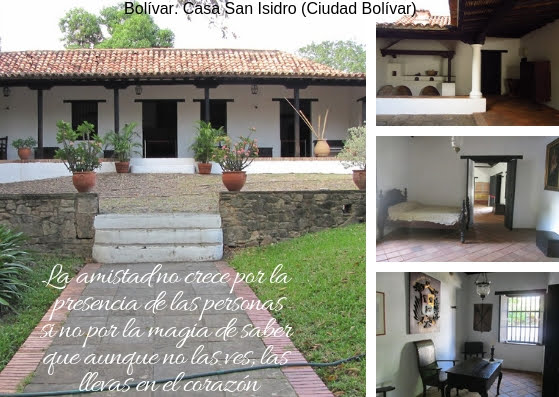
Casa San Isidro
About Casa San Isidro
Description
Casa San Isidro stands as one of those museums that really makes you think about the layers of history packed into a single building. This historical house museum offers visitors a genuine glimpse into colonial life and the broader narrative of Latin American independence, with particular connections to the legendary liberator Simón Bolívar. I've always found that the best museums aren't necessarily the ones with the flashiest exhibits but rather those that transport you to another time, and this place does exactly that. The building itself tells stories through its architecture, its preserved rooms, and the artifacts carefully displayed throughout. Walking through Casa San Isidro feels like stepping back several centuries, which is exactly what you want when you're trying to understand a culture's roots. The museum maintains that delicate balance between education and experience—you're not just reading plaques on walls, you're actually feeling the weight of history around you. What struck me during my visit was how the curators managed to create an atmosphere that respects the past without making it feel sterile or untouchable. The colonial-era rooms have been maintained with care, and you can almost imagine the conversations that took place within those walls during pivotal moments in history. And yes, the connection to Bolívar adds another dimension to the experience, because you're not just looking at random historical artifacts—you're seeing pieces of a story that shaped an entire continent. The museum works well for different types of travelers too. History enthusiasts will appreciate the depth of information available, while casual visitors can enjoy the architectural beauty and general atmosphere without needing a PhD in Latin American studies. It's accessible without being dumbed down, which is harder to achieve than you might think.Key Features
Casa San Isidro presents several distinctive elements that make it worth adding to your travel itinerary: • Colonial Architecture: The building showcases authentic colonial-era design with preserved courtyards, traditional tile work, and period-appropriate furnishings that provide an authentic window into past centuries • Historical Connection to Simón Bolívar: The museum's ties to one of South America's most influential historical figures adds significant cultural and educational value to your visit • Well-Preserved Rooms: Multiple rooms throughout the property maintain their original character, allowing visitors to see how different spaces were used during the colonial period • Educational Exhibits: Thoughtfully curated displays provide context about the independence movement and daily life during critical historical periods • Authentic Atmosphere: Unlike heavily modernized museums, this location retains an genuine feeling that makes history tangible rather than abstract • Family-Friendly Environment: The museum accommodates visitors traveling with children, making it a practical choice for families wanting cultural experiences • Restroom Facilities: Basic amenities are available, which matters more than you'd think when planning a day of sightseeing • Manageable Size: The museum doesn't overwhelm visitors with endless corridors—you can see everything properly without feeling rushed or exhaustedBest Time to Visit
Timing your visit to Casa San Isidro can make a substantial difference in your experience. From what I've learned through multiple visits and talking with other travelers, weekday mornings tend to offer the most peaceful experience. You'll have more space to appreciate the exhibits without crowds pushing through behind you, and honestly, there's something special about being in a historical building when it's quiet enough to hear your footsteps echo. The museum typically sees heavier traffic during weekends and school holidays when local families and tour groups make their way through. But that doesn't mean you should avoid these times entirely—sometimes there's energy in a busier museum that adds to the experience. You just need to know what kind of visit you're looking for. Weather considerations matter too, even though you'll be mostly indoors. The colonial architecture includes open-air courtyards and spaces that connect indoor and outdoor areas. Visiting during cooler parts of the day makes these transitions more comfortable, especially if you're spending time photographing the exterior or exploring any outdoor sections. If you're flexible with your schedule, consider visiting during shoulder seasons when tourist numbers dip slightly but the museum maintains regular hours. You'll get better access to any staff members who might answer questions, and you won't feel like you're being herded through the rooms like cattle. One thing to keep in mind: some museums in the region close or have reduced hours on certain days of the week. Always verify current operating hours before making concrete plans, because showing up to a closed door after crossing the city is nobody's idea of a good time.How to Get There
Getting to Casa San Isidro requires a bit of planning, but it's definitely manageable for travelers with varying comfort levels navigating unfamiliar cities. The museum's location makes it accessible through several transportation options, though each comes with its own set of considerations. Taxis and ride-sharing services offer the most straightforward approach, particularly if you're not familiar with the local public transportation system. I always recommend having the museum's name written down or saved in your phone to show drivers, because pronunciation differences can lead to confusion. Most drivers in the area know the location, but it never hurts to have a backup way to communicate your destination. Public transportation works well for budget-conscious travelers or those wanting a more local experience. Buses serve the general area, though you'll want to research specific routes beforehand or ask your accommodation for guidance. The transit system can feel overwhelming at first, but it's actually pretty reliable once you figure out the basics. Walking to Casa San Isidro is feasible if you're staying relatively nearby, and honestly, exploring the surrounding neighborhoods on foot gives you a better sense of the city's character. Just use common sense about safety—stick to well-traveled streets during daylight hours and keep your valuables secure. If you're driving yourself, be aware that parking in historical districts can be challenging. Street parking might require patience and possibly a bit of walking from where you eventually find a spot. Some visitors prefer to park in a nearby lot and walk the final distance rather than circling endlessly looking for closer spaces.Tips for Visiting
After spending considerable time exploring Casa San Isidro and talking with fellow travelers, I've gathered some practical advice that'll help you make the most of your visit. First off, bring comfortable shoes. I know that sounds obvious, but you'd be surprised how many people show up in brand-new sandals or dress shoes and spend their entire visit uncomfortable. The floors are often original tile or stone, which looks beautiful but isn't particularly forgiving on your feet after an hour or two. Photography policies vary in different sections of the museum, so check before you start snapping away. Some areas welcome photos while others restrict them to preserve delicate artifacts or respect the historical nature of certain spaces. When photos are allowed, natural lighting from windows and courtyards creates gorgeous opportunities—just be patient and work with the available light rather than fighting it. Plan to spend at least 90 minutes to two hours for a thorough visit. Sure, you could rush through in 45 minutes, but then what's the point? The real value comes from taking your time, reading the information provided, and letting yourself actually absorb the atmosphere. This isn't the kind of museum where you just check boxes and move on. There's no restaurant on site, so eat before you arrive or plan to grab food afterward. However, restrooms are available, which is genuinely important information that too many travel guides skip over. Small water bottles are usually fine to bring along, though you'll want to be respectful about where you drink to avoid any accidents near valuable artifacts. Visiting with children? The museum welcomes families, and kids who have some context about the historical period will likely stay more engaged. But even without deep historical knowledge, younger visitors often enjoy exploring the different rooms and imagining life in another era. Consider framing it as an adventure or detective mission—finding details in different rooms can turn education into a game. Language considerations deserve mention too. Not all signage includes English translations, so having a translation app handy or visiting with someone who speaks Spanish will enhance your understanding significantly. That said, the visual elements and architectural features communicate plenty even without reading every word. Try visiting with an open mind about what makes something historically significant. Casa San Isidro might not have the polish of major international museums, but that's actually part of its charm. The authenticity of the space and its genuine connection to important historical events creates value that can't be replicated by bigger, flashier institutions. Finally, consider your visit as part of a broader exploration of the area's historical and cultural offerings. Casa San Isidro fits beautifully into a day spent discovering the city's colonial heritage, and combining it with nearby attractions creates a richer overall experience than treating it as an isolated stop on your itinerary.Key Features
- Colonial 18th-century architecture with original period details
- Association with Simón Bolívar and the preparation of the Angostura discourse
- Small museum displays and interpretive panels on independence-era history
- Shaded inner courtyard offering photographic and contemplative space
- Central location easy to combine with other Ciudad Bolívar attractions
More Details
Updated March 30, 2026
Table of Contents
Description
Casa San Isidro stands as one of those museums that really makes you think about the layers of history packed into a single building. This historical house museum offers visitors a genuine glimpse into colonial life and the broader narrative of Latin American independence, with particular connections to the legendary liberator Simón Bolívar. I’ve always found that the best museums aren’t necessarily the ones with the flashiest exhibits but rather those that transport you to another time, and this place does exactly that.
The building itself tells stories through its architecture, its preserved rooms, and the artifacts carefully displayed throughout. Walking through Casa San Isidro feels like stepping back several centuries, which is exactly what you want when you’re trying to understand a culture’s roots. The museum maintains that delicate balance between education and experience—you’re not just reading plaques on walls, you’re actually feeling the weight of history around you.
What struck me during my visit was how the curators managed to create an atmosphere that respects the past without making it feel sterile or untouchable. The colonial-era rooms have been maintained with care, and you can almost imagine the conversations that took place within those walls during pivotal moments in history. And yes, the connection to Bolívar adds another dimension to the experience, because you’re not just looking at random historical artifacts—you’re seeing pieces of a story that shaped an entire continent.
The museum works well for different types of travelers too. History enthusiasts will appreciate the depth of information available, while casual visitors can enjoy the architectural beauty and general atmosphere without needing a PhD in Latin American studies. It’s accessible without being dumbed down, which is harder to achieve than you might think.
Key Features
Casa San Isidro presents several distinctive elements that make it worth adding to your travel itinerary:
• Colonial Architecture: The building showcases authentic colonial-era design with preserved courtyards, traditional tile work, and period-appropriate furnishings that provide an authentic window into past centuries
• Historical Connection to Simón Bolívar: The museum’s ties to one of South America’s most influential historical figures adds significant cultural and educational value to your visit
• Well-Preserved Rooms: Multiple rooms throughout the property maintain their original character, allowing visitors to see how different spaces were used during the colonial period
• Educational Exhibits: Thoughtfully curated displays provide context about the independence movement and daily life during critical historical periods
• Authentic Atmosphere: Unlike heavily modernized museums, this location retains an genuine feeling that makes history tangible rather than abstract
• Family-Friendly Environment: The museum accommodates visitors traveling with children, making it a practical choice for families wanting cultural experiences
• Restroom Facilities: Basic amenities are available, which matters more than you’d think when planning a day of sightseeing
• Manageable Size: The museum doesn’t overwhelm visitors with endless corridors—you can see everything properly without feeling rushed or exhausted
Best Time to Visit
Timing your visit to Casa San Isidro can make a substantial difference in your experience. From what I’ve learned through multiple visits and talking with other travelers, weekday mornings tend to offer the most peaceful experience. You’ll have more space to appreciate the exhibits without crowds pushing through behind you, and honestly, there’s something special about being in a historical building when it’s quiet enough to hear your footsteps echo.
The museum typically sees heavier traffic during weekends and school holidays when local families and tour groups make their way through. But that doesn’t mean you should avoid these times entirely—sometimes there’s energy in a busier museum that adds to the experience. You just need to know what kind of visit you’re looking for.
Weather considerations matter too, even though you’ll be mostly indoors. The colonial architecture includes open-air courtyards and spaces that connect indoor and outdoor areas. Visiting during cooler parts of the day makes these transitions more comfortable, especially if you’re spending time photographing the exterior or exploring any outdoor sections.
If you’re flexible with your schedule, consider visiting during shoulder seasons when tourist numbers dip slightly but the museum maintains regular hours. You’ll get better access to any staff members who might answer questions, and you won’t feel like you’re being herded through the rooms like cattle.
One thing to keep in mind: some museums in the region close or have reduced hours on certain days of the week. Always verify current operating hours before making concrete plans, because showing up to a closed door after crossing the city is nobody’s idea of a good time.
How to Get There
Getting to Casa San Isidro requires a bit of planning, but it’s definitely manageable for travelers with varying comfort levels navigating unfamiliar cities. The museum’s location makes it accessible through several transportation options, though each comes with its own set of considerations.
Taxis and ride-sharing services offer the most straightforward approach, particularly if you’re not familiar with the local public transportation system. I always recommend having the museum’s name written down or saved in your phone to show drivers, because pronunciation differences can lead to confusion. Most drivers in the area know the location, but it never hurts to have a backup way to communicate your destination.
Public transportation works well for budget-conscious travelers or those wanting a more local experience. Buses serve the general area, though you’ll want to research specific routes beforehand or ask your accommodation for guidance. The transit system can feel overwhelming at first, but it’s actually pretty reliable once you figure out the basics.
Walking to Casa San Isidro is feasible if you’re staying relatively nearby, and honestly, exploring the surrounding neighborhoods on foot gives you a better sense of the city’s character. Just use common sense about safety—stick to well-traveled streets during daylight hours and keep your valuables secure.
If you’re driving yourself, be aware that parking in historical districts can be challenging. Street parking might require patience and possibly a bit of walking from where you eventually find a spot. Some visitors prefer to park in a nearby lot and walk the final distance rather than circling endlessly looking for closer spaces.
Tips for Visiting
After spending considerable time exploring Casa San Isidro and talking with fellow travelers, I’ve gathered some practical advice that’ll help you make the most of your visit.
First off, bring comfortable shoes. I know that sounds obvious, but you’d be surprised how many people show up in brand-new sandals or dress shoes and spend their entire visit uncomfortable. The floors are often original tile or stone, which looks beautiful but isn’t particularly forgiving on your feet after an hour or two.
Photography policies vary in different sections of the museum, so check before you start snapping away. Some areas welcome photos while others restrict them to preserve delicate artifacts or respect the historical nature of certain spaces. When photos are allowed, natural lighting from windows and courtyards creates gorgeous opportunities—just be patient and work with the available light rather than fighting it.
Plan to spend at least 90 minutes to two hours for a thorough visit. Sure, you could rush through in 45 minutes, but then what’s the point? The real value comes from taking your time, reading the information provided, and letting yourself actually absorb the atmosphere. This isn’t the kind of museum where you just check boxes and move on.
There’s no restaurant on site, so eat before you arrive or plan to grab food afterward. However, restrooms are available, which is genuinely important information that too many travel guides skip over. Small water bottles are usually fine to bring along, though you’ll want to be respectful about where you drink to avoid any accidents near valuable artifacts.
Visiting with children? The museum welcomes families, and kids who have some context about the historical period will likely stay more engaged. But even without deep historical knowledge, younger visitors often enjoy exploring the different rooms and imagining life in another era. Consider framing it as an adventure or detective mission—finding details in different rooms can turn education into a game.
Language considerations deserve mention too. Not all signage includes English translations, so having a translation app handy or visiting with someone who speaks Spanish will enhance your understanding significantly. That said, the visual elements and architectural features communicate plenty even without reading every word.
Try visiting with an open mind about what makes something historically significant. Casa San Isidro might not have the polish of major international museums, but that’s actually part of its charm. The authenticity of the space and its genuine connection to important historical events creates value that can’t be replicated by bigger, flashier institutions.
Finally, consider your visit as part of a broader exploration of the area’s historical and cultural offerings. Casa San Isidro fits beautifully into a day spent discovering the city’s colonial heritage, and combining it with nearby attractions creates a richer overall experience than treating it as an isolated stop on your itinerary.
Key Highlights
- Colonial 18th-century architecture with original period details
- Association with Simón Bolívar and the preparation of the Angostura discourse
- Small museum displays and interpretive panels on independence-era history
- Shaded inner courtyard offering photographic and contemplative space
- Central location easy to combine with other Ciudad Bolívar attractions
Location
Places to Stay Near Casa San Isidro
Find and Book a Tour
Explore More Travel Guides
No reviews found! Be the first to review!
Casa San Isidro is a prominent museums located in Ciudad Bolívar.
Visit us at: Av. Táchira, cruce con Av. 5 de julio, Av. Táchira, Cdad. Bolívar 8001, Bolívar, Venezuela.
Traveler Reviews for Casa San Isidro
There are no reviews yet. Be the first one to write one.
Have you visited Casa San Isidro? Help other travelers by sharing your review.
Nearby Attractions
You Might Also Like

Colegio De periodista Seccional Ciudad Bolivar
Bolivar ashe
Feria de la Sapoara
Find Accommodations Nearby
Recommended Tours & Activities
Visitor Reviews
There are no reviews yet. Be the first one to write one.
Share Your Experience
Have you visited Casa San Isidro? Help other travelers by leaving a review.