
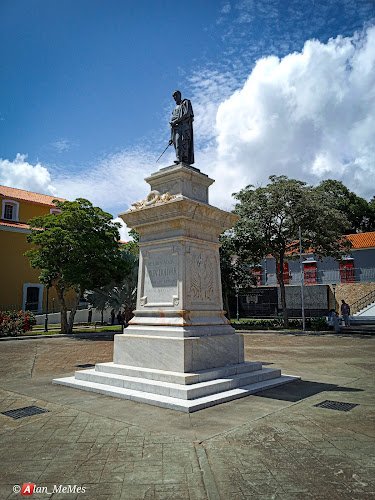
Plaza Bolivar y Catedral De Ciudad
About Plaza Bolivar y Catedral De Ciudad
Description
Plaza Bolívar and the Cathedral of the City stand as the historic and cultural heart of Ciudad Bolívar. This is not just another square with a church on the side; it’s the kind of place where stories of independence, faith, and daily life have been colliding for centuries. The plaza itself feels alive, with its wide open space framed by colonial-era architecture and the unmistakable presence of the cathedral dominating one side. The cathedral’s façade, with its neoclassical touches and weathered stone, tells you straight away that this isn’t a modern showpiece but a building that has stood through the ups and downs of Venezuelan history.
Walking into the square, you’ll often find families strolling, kids chasing pigeons, and the occasional street performer adding a soundtrack to the scene. It’s not a perfectly polished tourist attraction, and that’s honestly part of its charm. Some visitors rave about the atmosphere and the sense of history, while others might find the upkeep a little inconsistent. But if you’re the type of traveler who appreciates authenticity over gloss, Plaza Bolívar and the cathedral deliver in spades. It’s a place that feels lived-in, not staged, which makes it all the more memorable.
Key Features
- A central statue honoring Simón Bolívar, the Liberator, which serves as both a photo spot and a reminder of the city’s revolutionary spirit.
- The Cathedral of Ciudad Bolívar, a striking example of neoclassical architecture with a simple yet dignified interior.
- Colonial buildings surrounding the square, many of which house government offices, cultural institutions, and small shops.
- Open spaces perfect for photography, especially in the late afternoon when the light softens and the cathedral glows warmly.
- Wheelchair-accessible entrances and parking, making the site more inclusive for all visitors.
- A family-friendly atmosphere where children can safely explore and play while adults soak in the history.
Best Time to Visit
Morning hours are usually the most pleasant, with cooler temperatures and fewer crowds. If you’re into photography, late afternoon is magical—the golden light hits the cathedral beautifully, and the shadows add depth to the square’s character. Sundays can be especially interesting since you might catch a service at the cathedral, and the plaza tends to fill with locals afterward. On the flip side, midday can get hot and a bit overwhelming, so unless you thrive in the sun, it’s better to plan around it. And yes, evenings can be lively, but lighting isn’t always the best for photos, so keep that in mind.
How to Get There
Reaching Plaza Bolívar and the cathedral is straightforward since it sits right in the city’s historic core. Most travelers arrive by taxi or private car, which is the easiest option if you’re not familiar with local transport. If you’re adventurous, you can also use buses that pass through the central district, though they can be a little confusing for first-timers. Walking is a good option if you’re already staying nearby, as the surrounding streets are filled with colonial charm and worth exploring. Parking is available, and thankfully, there are accessible options for those who need them.
Tips for Visiting
First, don’t rush it. Give yourself at least an hour or two to really absorb the atmosphere. Sit on a bench, grab a coffee from a nearby vendor, and just watch life unfold in the square. If you’re into photography, bring a wide-angle lens for the cathedral and a zoom for capturing details of the statue and surrounding buildings. And while the area is generally safe during the day, like any urban space, it’s wise to keep an eye on your belongings and avoid flashing valuables.
Another tip: if you’re traveling with kids, this is a surprisingly good stop. The open space gives them room to move, and the pigeons are always a hit. For those with mobility needs, the accessible entrances and parking make the experience less stressful, which is not always a given at historic sites.
Lastly, don’t just look at the cathedral from the outside. Step inside if it’s open—you’ll get a sense of the city’s spiritual side, and the quiet interior offers a nice contrast to the lively plaza. Even if you’re not religious, the craftsmanship and the atmosphere are worth experiencing. And if you’re lucky, you might stumble upon a local event or celebration, which can turn an ordinary visit into something unforgettable.
All in all, Plaza Bolívar and the Cathedral of Ciudad Bolívar are more than just landmarks; they’re a window into the city’s soul. They may not be flawless, but that’s exactly why they leave such a lasting impression.
Key Features
- A central statue honoring Simón Bolívar, the Liberator, which serves as both a photo spot and a reminder of the city’s revolutionary spirit.
- The Cathedral of Ciudad Bolívar, a striking example of neoclassical architecture with a simple yet dignified interior.
- Colonial buildings surrounding the square, many of which house government offices, cultural institutions, and small shops.
- Open spaces perfect for photography, especially in the late afternoon when the light softens and the cathedral glows warmly.
- Wheelchair-accessible entrances and parking, making the site more inclusive for all visitors.
- A family-friendly atmosphere where children can safely explore and play while adults soak in the history.
More Details
Updated September 23, 2025
Description
Plaza Bolívar and the Cathedral of the City stand as the historic and cultural heart of Ciudad Bolívar. This is not just another square with a church on the side; it’s the kind of place where stories of independence, faith, and daily life have been colliding for centuries. The plaza itself feels alive, with its wide open space framed by colonial-era architecture and the unmistakable presence of the cathedral dominating one side. The cathedral’s façade, with its neoclassical touches and weathered stone, tells you straight away that this isn’t a modern showpiece but a building that has stood through the ups and downs of Venezuelan history.
Walking into the square, you’ll often find families strolling, kids chasing pigeons, and the occasional street performer adding a soundtrack to the scene. It’s not a perfectly polished tourist attraction, and that’s honestly part of its charm. Some visitors rave about the atmosphere and the sense of history, while others might find the upkeep a little inconsistent. But if you’re the type of traveler who appreciates authenticity over gloss, Plaza Bolívar and the cathedral deliver in spades. It’s a place that feels lived-in, not staged, which makes it all the more memorable.
Key Features
- A central statue honoring Simón Bolívar, the Liberator, which serves as both a photo spot and a reminder of the city’s revolutionary spirit.
- The Cathedral of Ciudad Bolívar, a striking example of neoclassical architecture with a simple yet dignified interior.
- Colonial buildings surrounding the square, many of which house government offices, cultural institutions, and small shops.
- Open spaces perfect for photography, especially in the late afternoon when the light softens and the cathedral glows warmly.
- Wheelchair-accessible entrances and parking, making the site more inclusive for all visitors.
- A family-friendly atmosphere where children can safely explore and play while adults soak in the history.
Best Time to Visit
Morning hours are usually the most pleasant, with cooler temperatures and fewer crowds. If you’re into photography, late afternoon is magical—the golden light hits the cathedral beautifully, and the shadows add depth to the square’s character. Sundays can be especially interesting since you might catch a service at the cathedral, and the plaza tends to fill with locals afterward. On the flip side, midday can get hot and a bit overwhelming, so unless you thrive in the sun, it’s better to plan around it. And yes, evenings can be lively, but lighting isn’t always the best for photos, so keep that in mind.
How to Get There
Reaching Plaza Bolívar and the cathedral is straightforward since it sits right in the city’s historic core. Most travelers arrive by taxi or private car, which is the easiest option if you’re not familiar with local transport. If you’re adventurous, you can also use buses that pass through the central district, though they can be a little confusing for first-timers. Walking is a good option if you’re already staying nearby, as the surrounding streets are filled with colonial charm and worth exploring. Parking is available, and thankfully, there are accessible options for those who need them.
Tips for Visiting
First, don’t rush it. Give yourself at least an hour or two to really absorb the atmosphere. Sit on a bench, grab a coffee from a nearby vendor, and just watch life unfold in the square. If you’re into photography, bring a wide-angle lens for the cathedral and a zoom for capturing details of the statue and surrounding buildings. And while the area is generally safe during the day, like any urban space, it’s wise to keep an eye on your belongings and avoid flashing valuables.
Another tip: if you’re traveling with kids, this is a surprisingly good stop. The open space gives them room to move, and the pigeons are always a hit. For those with mobility needs, the accessible entrances and parking make the experience less stressful, which is not always a given at historic sites.
Lastly, don’t just look at the cathedral from the outside. Step inside if it’s open—you’ll get a sense of the city’s spiritual side, and the quiet interior offers a nice contrast to the lively plaza. Even if you’re not religious, the craftsmanship and the atmosphere are worth experiencing. And if you’re lucky, you might stumble upon a local event or celebration, which can turn an ordinary visit into something unforgettable.
All in all, Plaza Bolívar and the Cathedral of Ciudad Bolívar are more than just landmarks; they’re a window into the city’s soul. They may not be flawless, but that’s exactly why they leave such a lasting impression.
Key Highlights
- A central statue honoring Simón Bolívar, the Liberator, which serves as both a photo spot and a reminder of the city’s revolutionary spirit.
- The Cathedral of Ciudad Bolívar, a striking example of neoclassical architecture with a simple yet dignified interior.
- Colonial buildings surrounding the square, many of which house government offices, cultural institutions, and small shops.
- Open spaces perfect for photography, especially in the late afternoon when the light softens and the cathedral glows warmly.
- Wheelchair-accessible entrances and parking, making the site more inclusive for all visitors.
- A family-friendly atmosphere where children can safely explore and play while adults soak in the history.
Location
Places to Stay Near Plaza Bolivar y Catedral De Ciudad
Find and Book a Tour
Explore More Travel Guides
No reviews found! Be the first to review!
Traveler Reviews for Plaza Bolivar y Catedral De Ciudad
There are no reviews yet. Be the first one to write one.
Have you visited Plaza Bolivar y Catedral De Ciudad? Help other travelers by sharing your review.
You Might Also Like
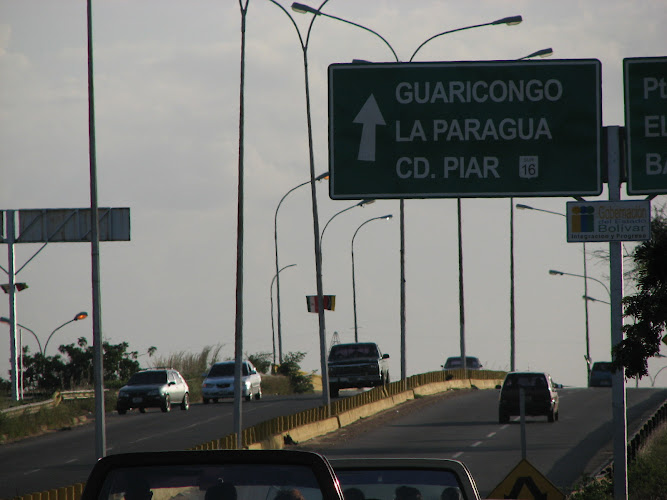
Distribuidor Guaricongo
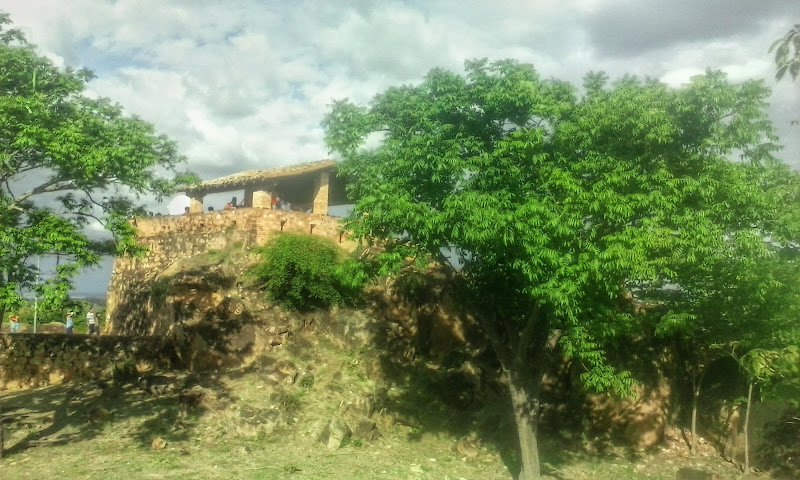
Cerro El Zamuro
Sector Conscripto
Find Accommodations Nearby
Recommended Tours & Activities
Visitor Reviews
There are no reviews yet. Be the first one to write one.
Share Your Experience
Have you visited Plaza Bolivar y Catedral De Ciudad? Help other travelers by leaving a review.