Berlin $0 Day Route: Walk the Wall Memorials to Tempelhof Field
Updated November 12, 2025
Walking from the Berlin Wall Memorials to Tempelhof Field lets you trace history with your own steps. You move through places once split by concrete and wire—now open paths, full of stories and quiet reminders of the past.
This free walking route lets you experience Berlin’s transformation—from separation to unity—at your own pace.
You’ll start among preserved Wall sections, where memorials along Bernauer Straße reveal the human side of the city’s division. Heading south, the route blends historic sites with everyday Berlin life, leading you toward Tempelhof Field, a former airfield turned public park.
It’s a walk that connects memory, movement, and the city’s daily rhythm.
Table of Contents
- Key Takeaways
- Essential Overview of the Berlin $0 Day Route
- What Is the $0 Day Route?
- Key Highlights Along the Walk
- Why Start at Wall Memorials and End at Tempelhof Field
- Planning Your Foot Journey
- Recommended Starting Points
- Best Times to Walk
- Accessibility and Walking Distance
- Berlin Wall Memorials: First Stops and Stories
- Bernauer Strasse Memorial
- Documentation Center Insights
- Preserved Wall Segments
- Walking Route Breakdown: From Memorials to Tempelhof
- Suggested Path and Directions
- Hidden Gems Along the Way’
- Rest Stops and Local Cafés
- Tempelhof Field: History and Experience
- Tempelhof’s Transformation
- Activities and Sights at Tempelhofer Feld
- Tips for Exploring the Airfield
- Insider Advice for a Free Berlin Walking Adventure
- Budget-Friendly Tips
- Local Etiquette and Safety
- Photo Opportunities
- Frequently Asked Questions
- What are the must-see historical sites along the Berlin Wall Trail?
- How can one access Tempelhofer Feld and what are the points of interest?
- What hidden gems are there to discover on a Berlin underground tour?
- What is the best way to explore Berlin’s bunkers and understand their past?
- Book Your Dream Experience
- More Travel Guides
Key Takeaways
- Discover a self-guided route linking Berlin Wall memorials to Tempelhof Field
- Learn how to plan a free, flexible walking journey through historic Berlin
- Experience the city’s shift from division to open, shared spaces
Essential Overview of the Berlin $0 Day Route
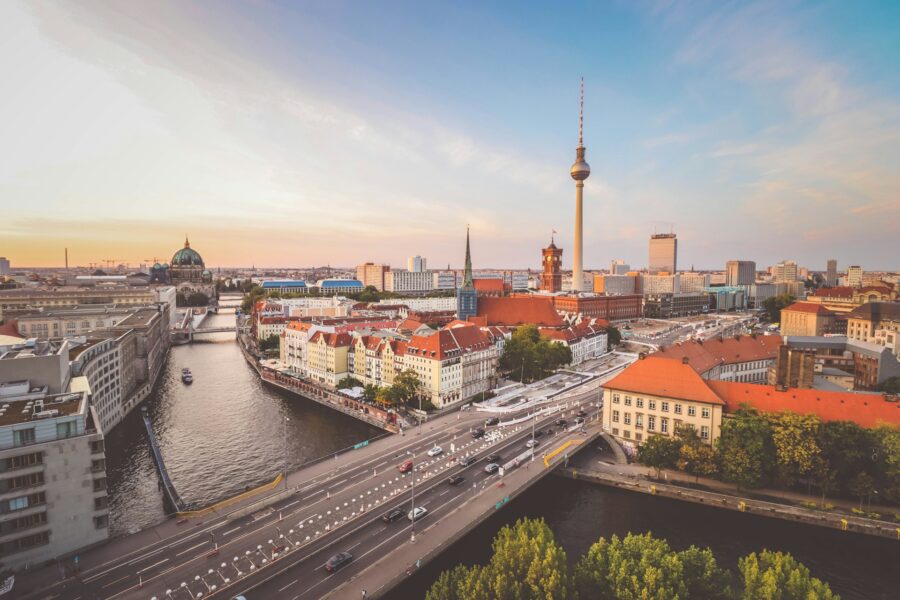
This walking route links Berlin’s most symbolic sites of division and freedom. You’ll trace history on foot—from the Berlin Wall Memorial’s preserved border zone to the vast green of Tempelhof Field, once an airfield and now a public park.
Along the way, you’ll notice how the city reuses its past in everyday life.
What Is the $0 Day Route?
The Berlin $0 Day Route is a self-guided, no-cost walk following the former Berlin Wall through central neighborhoods. “$0 Day” means you don’t need to pay for entry anywhere—just bring comfortable shoes and a bit of curiosity.
You’ll start near Bernauer Strasse, where the Berlin Wall Memorial preserves original wall segments and guard towers. From there, follow the Berlin Wall Trail, which traces the 160-kilometer border that once surrounded West Berlin.
This section focuses on the inner-city stretch, where history and daily life overlap.
I’ve walked this route several times, and what really sticks with me is how ordinary streets hide extraordinary stories. You’ll pass cobblestone lines marking where the Wall stood, and small plaques honoring those who tried to cross it.
It’s a quiet but powerful experience—Berlin’s history told without an entry fee or barrier.
Key Highlights Along the Walk
Notable stops include:
| Stop | What to See | Tip |
|---|---|---|
| Berlin Wall Memorial | Preserved wall, watchtower, open-air exhibits | Visit early to avoid crowds |
| Checkpoint Charlie | Former border crossing, outdoor displays | Skip the souvenir stalls—focus on the history |
| Topography of Terror | Documentation center on Nazi and Cold War history | Free entry, good rest stop |
| Potsdamer Platz | Modern architecture on once-empty land | Grab a snack before heading south |
As you walk, keep an eye out for the double row of cobblestones marking the Wall’s old route. The Berlin Wall History Mile signs share short stories and photos from the divided city.
I tend to pause at the smaller memorials—especially those with flowers left by locals. They remind you this history isn’t ancient; it’s still personal for many Berliners.
Why Start at Wall Memorials and End at Tempelhof Field
Starting at the Wall Memorial puts you right in the middle of Berlin’s divided past. You see the physical remains and learn how separation shaped lives.
Ending at Tempelhof Field shows what freedom looks like now—an open space where people cycle, picnic, and fly kites on runways once used for wartime and airlifts.
The contrast hits you: you begin in a place of walls and barriers, then finish in one of the city’s most open and democratic spaces.
I remember sitting at Tempelhof after my walk, watching families barbecue where planes once landed. It felt like Berlin in a nutshell—layered, imperfect, but always moving forward.
Planning Your Foot Journey
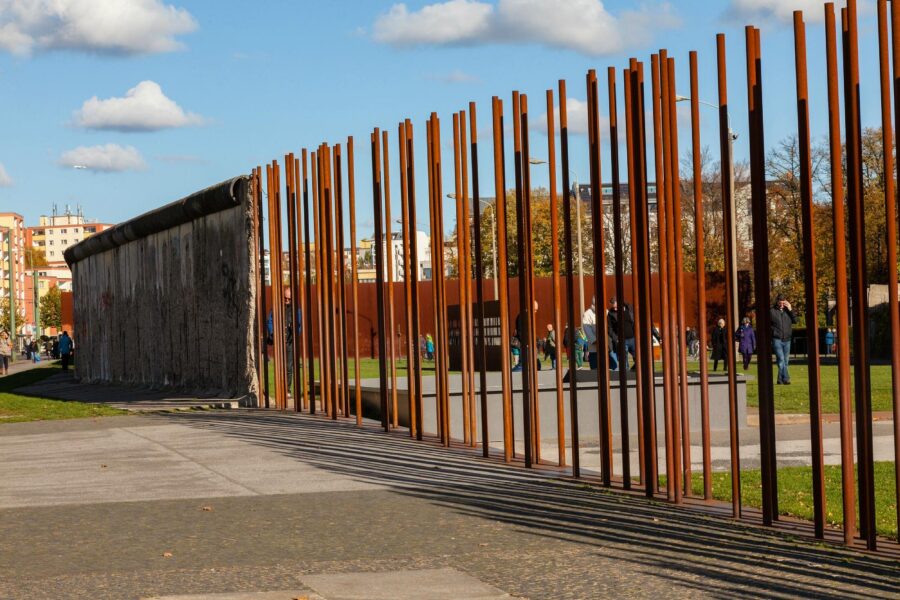
Walking from the Berlin Wall Memorial to Tempelhof Field gives you a rare look at how Berlin has changed since reunification. The route passes through historic neighborhoods, memorials, and green spaces that show the city’s mix of memory and modern life.
Recommended Starting Points
Begin at the Berlin Wall Memorial on Bernauer Straße. It’s one of the few places where you’ll find the preserved border strip, guard tower, and documentation center together.
Starting here really helps you understand the Wall’s history before you continue south.
If you’re staying nearby, book a room close to Mitte or Prenzlauer Berg through Booking.com. Both areas have easy access to public transport and cafés for grabbing breakfast before you walk.
Some walkers like starting at Nordbahnhof, just a short distance away, because it connects directly to the Mauerweg (Wall Trail). From there, you can follow signs toward Checkpoint Charlie, Potsdamer Platz, and eventually Tempelhof.
I prefer this route—it flows naturally through the city’s main memorial sites without too many detours.
Best Times to Walk
Late spring and early autumn? Perfect. The air feels mild, and the light makes Berlin’s architecture and murals pop.
Summer’s good too, but expect crowds, especially around Checkpoint Charlie and the East Side Gallery. I’ve walked this route in winter once—it was quiet but cold, and some outdoor exhibits were closed.
If you go then, layer up and don’t forget gloves. Start early, maybe around 8 or 9 a.m., to enjoy quieter streets and softer light for photos.
Midday gets busy, especially near Potsdamer Platz. If you’re flying in just for a weekend, check deals on cheap flight tickets to plan your arrival for a season that suits you best.
Accessibility and Walking Distance
The full walk from the Berlin Wall Memorial to Tempelhof Field covers about 7 to 8 kilometers, depending on your exact route. Most of the path is flat, paved, and fine for wheelchairs, strollers, or bikes.
Public restrooms and cafés pop up every 20–30 minutes along the way, especially near major stops like Checkpoint Charlie. If you need a break, you can always hop on the U-Bahn—stations like Stadtmitte and Platz der Luftbrücke are right along the route.
If you’re short on time, split the walk into sections. The Mauerweg trail markers make it easy to rejoin later. I usually stop at Gleisdreieck Park for a snack before finishing at Tempelhof Field, where you can relax on the old runway and watch locals skate or fly kites.
For those arriving from outside Germany, comparing flights on KAYAK can help you plan travel times that fit your walking schedule.
Berlin Wall Memorials: First Stops and Stories
You’ll start this walk where Berlin’s history feels most tangible—where fragments of the Wall still stand, and stories of division and courage unfold in the open air. These sites blend quiet reflection with detailed exhibits that help you picture daily life along the border.
Bernauer Strasse Memorial
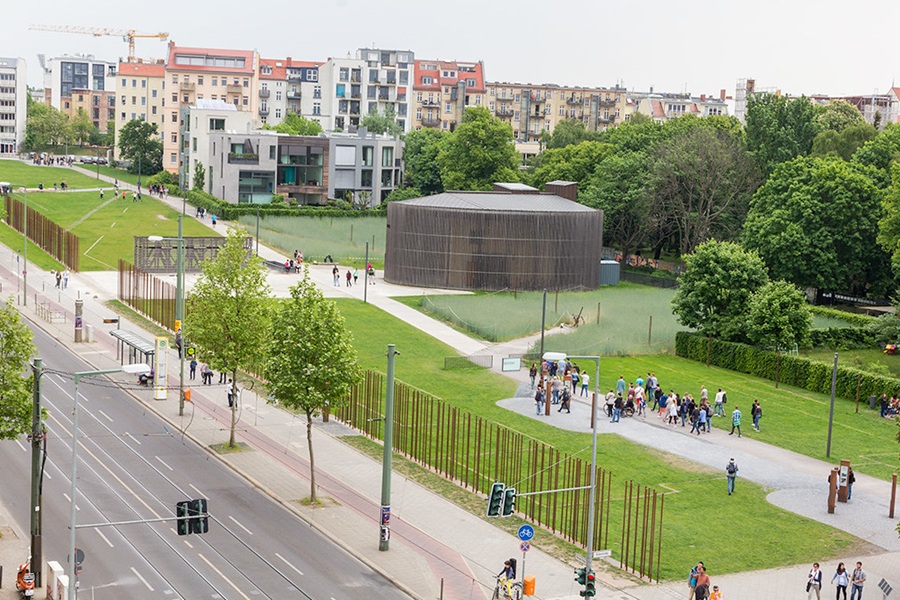
This stretch of Bernauer Strasse captures the Wall’s impact better than anywhere else. It runs about 1.4 kilometers and includes original sections of the border strip, a watchtower, and the “Window of Remembrance.”
Walking here, you’ll see where families literally split between East and West. Some residents once jumped from their apartment windows into freedom.
The street became a symbol of both desperation and defiance. I found it powerful how the layout forces you to walk the same ground where escape tunnels were dug.
Small information stations explain what stood on each corner—churches, homes, even cemeteries that were cut in half. It’s not flashy, but that’s the point.
The silence and space make the history sink in.
Documentation Center Insights
Across from the main memorial, the Documentation Center dives deep into the Wall’s story. Inside, you’ll find maps, interviews, and short films that trace how the border evolved from barbed wire to concrete.
The lookout tower upstairs gives you a clear view of the preserved death strip. It’s one of the rare places where you can see the full border system—inner wall, patrol road, and outer wall—exactly as it stood.
I like to stop here mid-walk, grab a coffee from the small café next door, and take a few minutes to process what I’ve seen. The exhibits aren’t overwhelming, but they make you think about how ordinary life continued just meters from all this.
Preserved Wall Segments
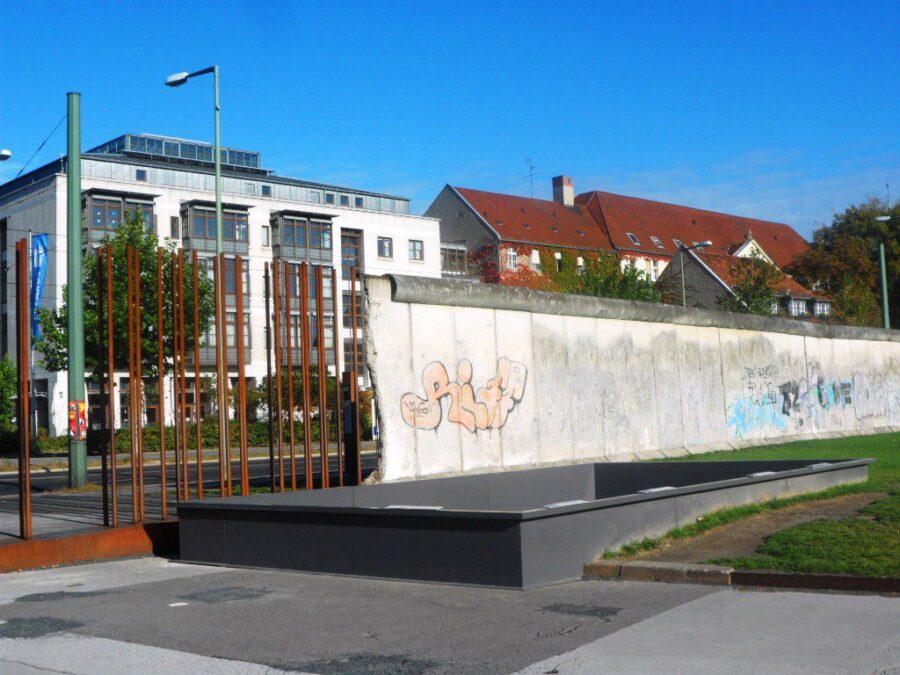
Berlin keeps several sections of the Wall intact, and each tells a slightly different story. The one at Bernauer Strasse is the most complete, showing both sides of the barrier.
You’ll also spot shorter remnants marked by metal plaques or a double row of cobblestones tracing its former path through the city. At some points, you can stand with one foot in what was East Berlin and the other in West.
It’s simple but strangely moving. These fragments help you map the invisible line that once divided a city—and remind you how easily walls can outlast the reasons they were built.
Walking Route Breakdown: From Memorials to Tempelhof
This walk connects Berlin’s most meaningful memorials with one of its most beloved public spaces, Tempelhofer Feld. You’ll move through layers of history—Cold War remnants, modern art, and open green fields—while staying close to cafés and side streets that give the city its everyday charm.
Suggested Path and Directions
Start at the Berlin Wall Memorial on Bernauer Strasse. The preserved “death strip” and watchtower set the tone for what follows.
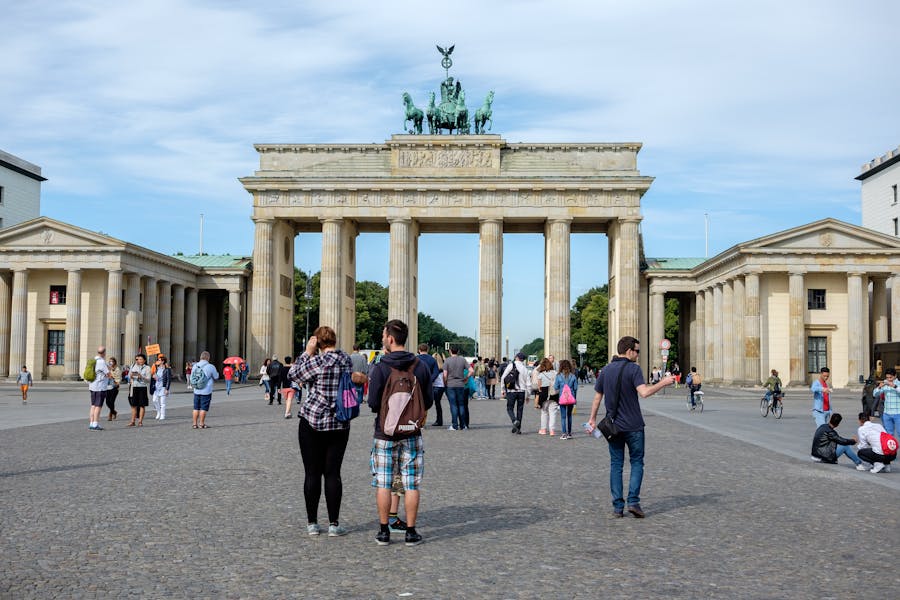
From there, walk south toward the Reichstag and Brandenburg Gate, where the cobblestone line traces the Wall’s former route.
Continue along Ebertstrasse past the Holocaust Memorial, then head toward Potsdamer Platz. This area mixes new architecture with fragments of the Wall still standing.
You’ll find small plaques explaining each section’s past. From Potsdamer Platz, follow Stresemannstrasse and then Mehringdamm.
The path leads you through Kreuzberg’s lively streets before opening into Tempelhofer Feld, the vast airfield turned park.
If you prefer, you can join a guided city walk or book tours and activities to explore more deeply.
Hidden Gems Along the Way’
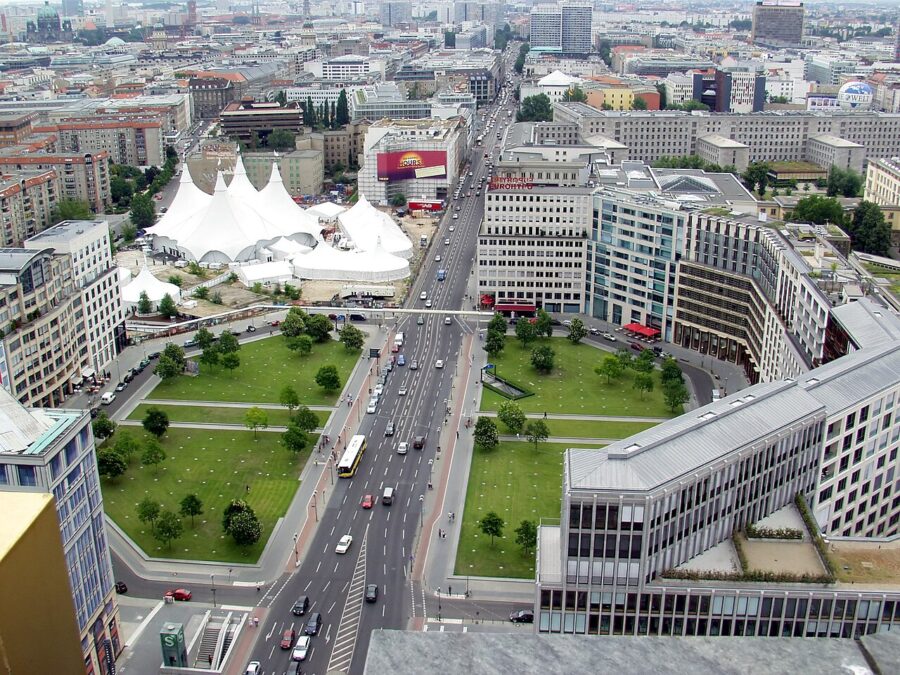
Just south of Potsdamer Platz, check out Leipziger Platz. You can still find pieces of the inner Wall standing there.
Walk a few blocks farther and you’ll spot murals by Thierry Noir. He was one of the first artists to paint the Wall back in the 1980s—his style is pretty unmistakable.
In Kreuzberg, wander off Mehringdamm and you’ll find Yorckstrasse’s railway arches. Locals have turned them into art studios and small cafés.
I once stumbled on a jazz trio playing under one of those arches. Totally unplanned, but that’s just Berlin for you.
Before you reach Tempelhof, make a short detour to the Viktoriapark waterfall. The climb’s worth it for a quiet city view.
If you’re coming from abroad, it’s worth checking cheap flight alerts to keep things affordable.
Rest Stops and Local Cafés
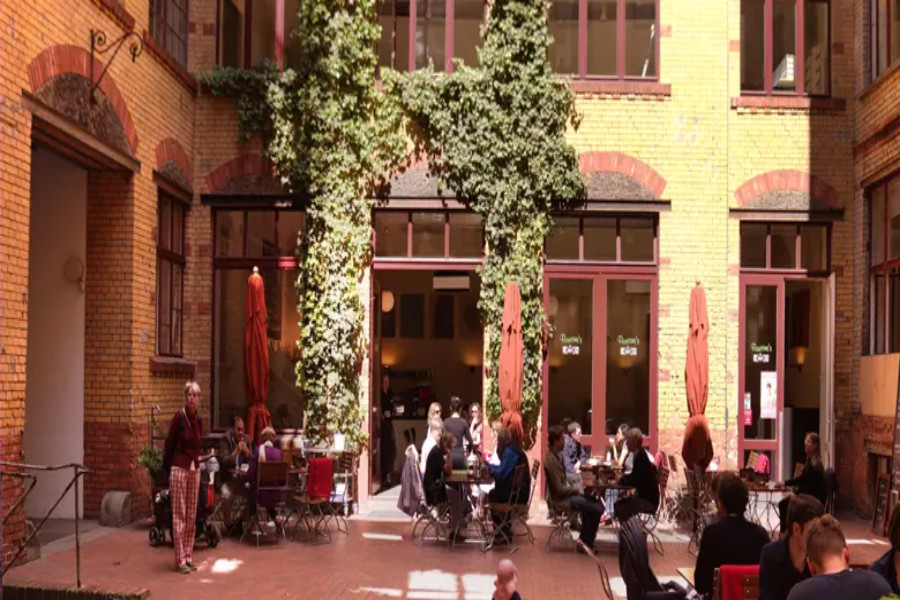
Walking Berlin can wear you out, so plan a few breaks. Around Pariser Platz near the Brandenburg Gate, small cafés serve good espresso and light snacks.
I like to stop there for a bit of people-watching before heading south. At Potsdamer Platz, bakeries and sandwich shops hide between office buildings.
They’re simple, nothing fancy, but perfect for a quick rest. Once you get to Kreuzberg, check out Café Barcomi’s Deli or Five Elephant for coffee and cake.
Locals love both. When you finally hit Tempelhofer Feld, grab a cold drink from one of the kiosks at the main entrance.
Maybe join a local walking tour around the park’s history before exploring the runways.
Tempelhof Field: History and Experience
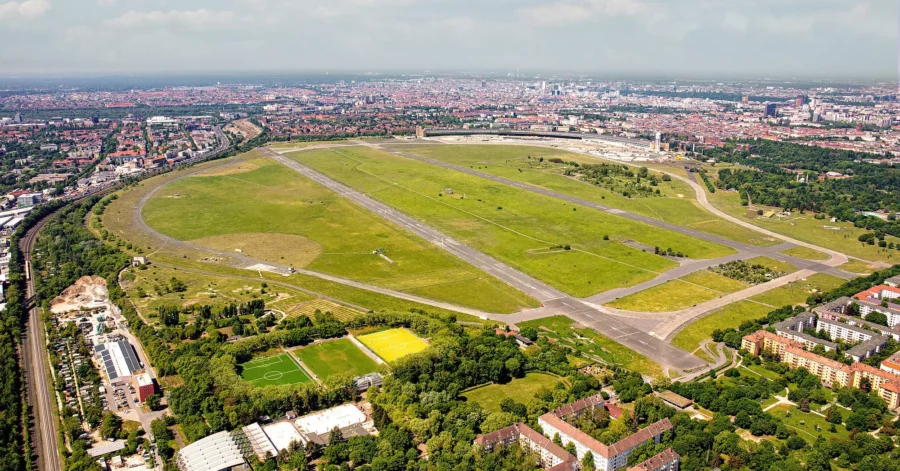
Tempelhofer Feld blends aviation history with Berlin’s modern outdoor culture. It used to be a restricted airfield, but now it’s one of the world’s largest urban parks.
You can walk, cycle, or just sit and watch the skyline stretch across the old runways. The contrast between history and open space is kind of wild.
Tempelhof’s Transformation
Tempelhof Airport opened in the 1920s and quickly became a symbol of Berlin’s progress. During the Cold War, it grabbed global attention as the base of the Berlin Airlift (1948–49)—Allied planes delivered food and fuel to West Berlin from here.
After the airport closed in 2008, the city turned the airfield into a public park. Locals fought to keep it open and free from big development, so now it’s just a massive open space for everyone.
When you walk across the runways, you’ll see markings from the original taxiways and the massive curved terminal building. I remember standing there for the first time—wind in my face, trying to imagine the roar of planes overhead. Eerie, but in a good way.
Activities and Sights at Tempelhofer Feld
There’s a lot to do here without spending a cent. You can bike, skate, or fly kites on the wide runways.
Locals bring grills and picnic blankets, turning the tarmac into a weekend hangout. If you’re into history, guided tours dive into the terminal’s Nazi-era architecture and Cold War operations.
They’re worth it if you want to see how this place fits into Berlin’s past. Near the park’s edges, community gardens pop up—volunteers run them, turning old suitcases and wooden crates into planters.
It’s practical, a bit messy, but honestly, it’s got heart. Feels so Berlin.
Tips for Exploring the Airfield
Wear comfortable shoes—the runways stretch for kilometers, and there’s barely any shade. A hat and water bottle will save you on sunny days.
If you want the best light, show up around sunset. That golden glow over the terminal is something else—photographers and couples flock here for a reason.
Here’s a quick list to keep in mind:
| Tip | Why It Matters |
|---|---|
| Arrive early or late | Midday can get hot and crowded |
| Pack snacks | Few vendors inside the park |
| Respect the gardens | They’re community-run and not for picking |
| Join a tour | You’ll learn details not visible on your own |
Insider Advice for a Free Berlin Walking Adventure
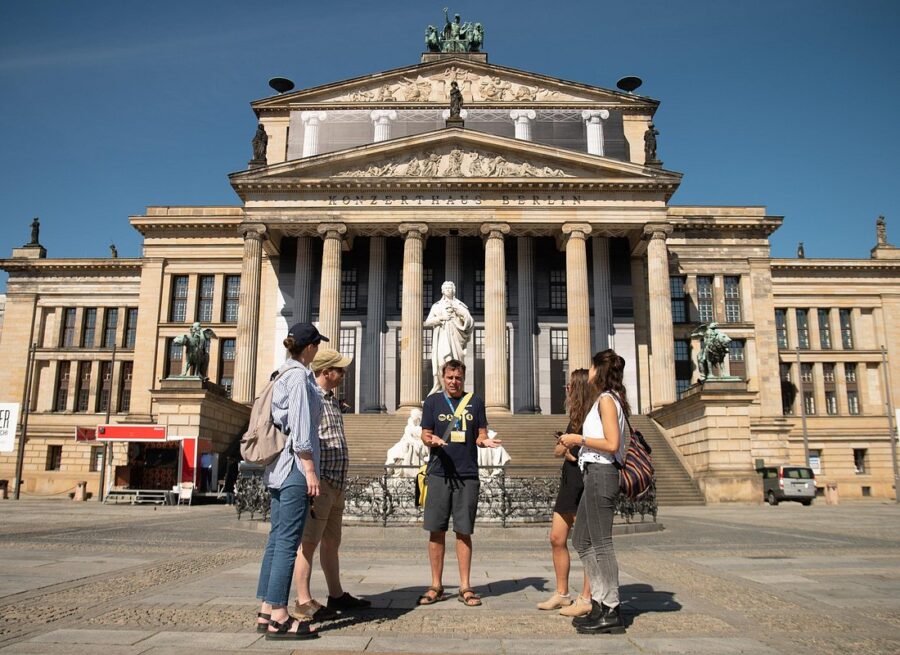
Walking across Berlin doesn’t have to cost more than a good pair of shoes and a bit of curiosity. You’ll get more out of it if you plan smartly, respect local habits, and know where to stop for the best photos.
Budget-Friendly Tips
Berlin’s one of those cities where you can see a lot without spending much. Public transport is reliable, but honestly, walking connects the dots between neighborhoods like Mitte, Kreuzberg, and Neukölln.
Carry a reusable water bottle—fountains are common in parks, and most cafés will refill it if you ask. If you need to drop your bags before exploring, use luggage storage near major stations. It’s cheaper and safer than dragging everything along.
If you plan to walk all day, wear supportive shoes and pack light. I underestimated the cobblestones around Brandenburg Gate once and regretted not bringing proper soles.
A small backpack with snacks, sunscreen, and maybe a rain jacket helps. Check out compact travel gear to keep things light but prepared.
In summer, street markets and riverside food stalls offer affordable meals. Currywurst, falafel, or a döner kebab shouldn’t set you back more than a few euros.
Local Etiquette and Safety
Berliners appreciate directness. A friendly “Hallo” or “Danke” goes a long way, but don’t expect small talk everywhere.
Keep your voice low on public transport and don’t block sidewalks when taking photos. Cross only at green lights—locals take traffic rules seriously.
Cyclists move fast, especially along the Spree and in Tiergarten, so keep an eye out for bike lanes. The city’s generally safe, but pickpockets target busy spots like Alexanderplatz or Mauerpark.
Keep valuables in front pockets or a zipped bag. I just carry what I need for the day and leave the rest at the hotel or hostel.
If you want extra peace of mind, consider visitor insurance before your trip. It’s one of those things you hope you won’t need, but when you do, you’re glad you have it.
Photo Opportunities
Berlin rewards those who wander off the main path. The Berlin Wall Memorial near Bernauer Straße gives a sobering but powerful view of the divided city.
Early mornings there are quiet—perfect for wide shots without crowds. At Tempelhofer Feld, the old airport turned park, you’ll catch locals skating or flying kites across the runways.
Sunset light over the open field is something special. I’ve spent hours there just watching the sky change colors.
Don’t miss reflections of the TV Tower in puddles after rain or murals along the East Side Gallery. For unique views, climb the Victory Column or the Reichstag dome (book ahead).
Bring a small tripod if you’re into night shots, but always check if it’s allowed before setting up.
Frequently Asked Questions
Walking from the Berlin Wall Memorial to Tempelhofer Feld takes you through layers of history—Cold War relics, repurposed landmarks, and open-air parks that once stood behind barbed wire.
You’ll find stories of division and renewal in every corner, from hidden memorials to underground tunnels that still whisper Berlin’s past.
What are the must-see historical sites along the Berlin Wall Trail?
Start at the Berlin Wall Memorial on Bernauer Strasse. It’s one of the best-preserved sections of the Wall, with guard towers and documentation centers.
The cobblestone line marking the former border runs through the city, so you can literally follow the Wall’s old path. As you walk toward the Brandenburg Gate, stop by the White Crosses Memorial near the Reichstag and the Holocaust Memorial on Ebertstrasse.
These places remind you how much of Berlin’s identity grew from its divided past. Don’t rush—pause, look around, and try to imagine what life was like when these streets were cut in half.
How can one access Tempelhofer Feld and what are the points of interest?
Tempelhofer Feld is free to enter and open daily. Main entrances are at Tempelhofer Damm, Columbiadamm, and Oderstrasse.
You can walk, cycle, or even skate down the old runways—it’s surreal seeing people picnicking where planes once took off. Inside, you’ll find community gardens, old airport hangars, and wide-open fields perfect for kite flying.
If you’re into history, check out the Berlin Airlift memorial near the main gate. It’s a quiet but powerful spot.
There’s usually a coffee stand or food truck nearby. Berliners really do treat the place like their backyard.
If you’ve got time, take one of the Berliner Unterwelten tours. They lead you through tunnels, bunkers, and escape routes from the Cold War era.
Some tours even show secret escape attempts under the Wall—stories you won’t find in most guidebooks. I joined a small group tour that finished in a dimly lit air raid shelter.
It was eerie but fascinating, especially with the old graffiti left by East Berliners. Bring a jacket—it gets chilly underground.
What is the best way to explore Berlin’s bunkers and understand their past?
Honestly, you should go with a guided tour. Most bunkers stay closed to the public unless you join an organized visit.
Guides usually share personal stories from Berliners who lived through bombings or huddled in these shelters during the war. That kind of firsthand storytelling just hits different.
If you’d rather stick to the surface, check out the Anhalter Bunker or the Humboldthain Flak Tower. The scars of war still mark their walls, and you can feel the weight of it all just standing there.
It’s fascinating how locals talk about reusing these spaces—some became art venues, others archives. Berlin doesn’t erase its history; it just keeps layering new stories on top.