

Last modified August 17, 2026
There’s just something about wandering through Germany’s Christmas markets—the roasted nuts in the air, wooden stalls aglow, carols drifting through the cold. You almost feel like you’ve landed in a storybook. Planning a Germany Christmas markets itinerary helps you catch the country’s most festive cities and tucked-away villages at their best.
Picture yourself strolling beneath twinkling lights in Cologne, sipping hot Glühwein in Nuremberg, maybe even ice skating near a medieval castle. The challenge? Figuring out where to go, when to go, and how to actually enjoy each stop. After years of chasing that holiday magic across Germany, I’ve picked up a few tricks.
Key Takeaways
- Tips for planning a flexible, low-stress Christmas market trip across Germany
- Where to find the most charming markets and local treats worth sampling
- Practical advice for an authentic, fun holiday experience
Planning Your Germany Christmas Markets Itinerary
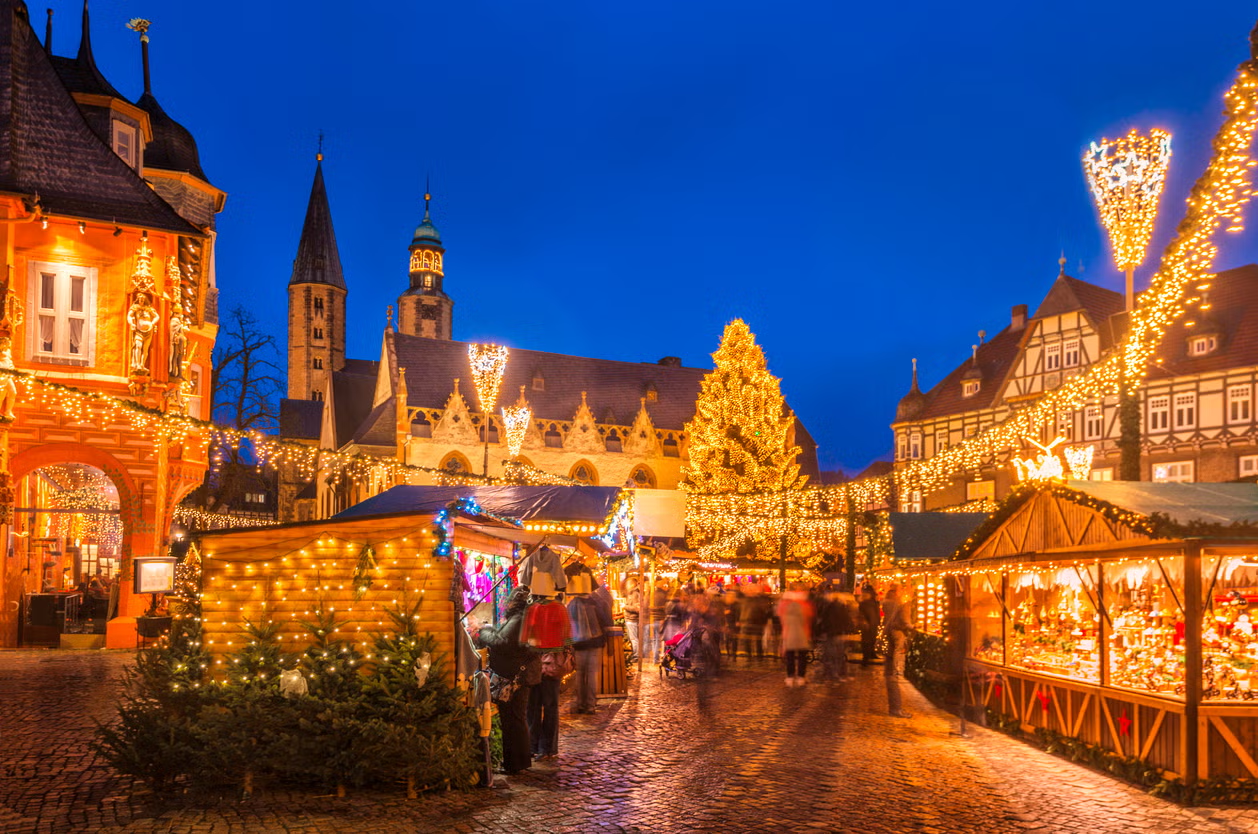
Timing, transportation, and lodging can make or break your German Christmas market trip. Sort these out early so you can actually enjoy the lights, food, and local charm—without getting snagged by last-minute headaches.
Best Time to Visit Christmas Markets
Most Christmas markets in Germany open in late November and close by Christmas Eve, though a few—like in Berlin or Munich—linger until New Year’s Eve. The sweet spot? The first two weeks of December. Crowds aren’t wild yet, but the festive buzz is in full swing.
Arrive too early, and some smaller towns are still setting up. Too late, and you’re elbowing through packed stalls and paying more for hotels. I once went to Dresden’s Striezelmarkt on a weekday morning in early December—no lines, warm Glühwein, and space to breathe.
Book your flights into Germany as soon as you can. Use this flight search or your favorite tool to compare cheap tickets into cities like Frankfurt, Munich, or Berlin. These hubs connect easily by train to most major Christmas markets.
Choosing Between Road Trip and Train
Germany’s trains are fast, reliable, and give you scenic views. If your Germany Christmas market itinerary sticks to places like Nuremberg, Frankfurt, and Munich, trains really are the way to go. No parking drama, no icy roads.
But if you want to check out smaller towns—think Rothenburg ob der Tauber or the Ravenna Gorge—a road trip gives you more freedom. I’ve tried both. Trains are best for big cities; driving works for countryside detours.
Most travelers find that a German Christmas market trip by train saves time and energy. Just sit back, sip your coffee, watch snowy villages roll by. If you want a mix, take trains between major cities, then rent a car for a day or two in Bavaria.
Booking Accommodation Early
Hotels fill up quickly during the holiday season. Book at least two to three months ahead—especially in places like Munich or Dresden. Prices jump in December, and last-minute rooms are often far from the center.
I try to stay near the main train station or market square to avoid long, freezing walks. In Frankfurt, for instance, the Motel One Frankfurt-Römer is right by the market and old town—super convenient and surprisingly cozy.
Check Booking.com for hotels, apartments, and guesthouses. Go for flexible cancellation policies—winter weather can mess up plans fast.
If you’re watching your budget, look at small guesthouses or local inns. They usually include breakfast and have a warm, family-run vibe that big chains just can’t match.
Must-Visit German Christmas Markets
Germany’s Christmas markets light up city squares with handmade crafts and the scent of roasted nuts. Each one has its own personality—shaped by local history, architecture, and food traditions. Exploring them feels like walking into a living postcard.
Cologne Christmas Market Highlights
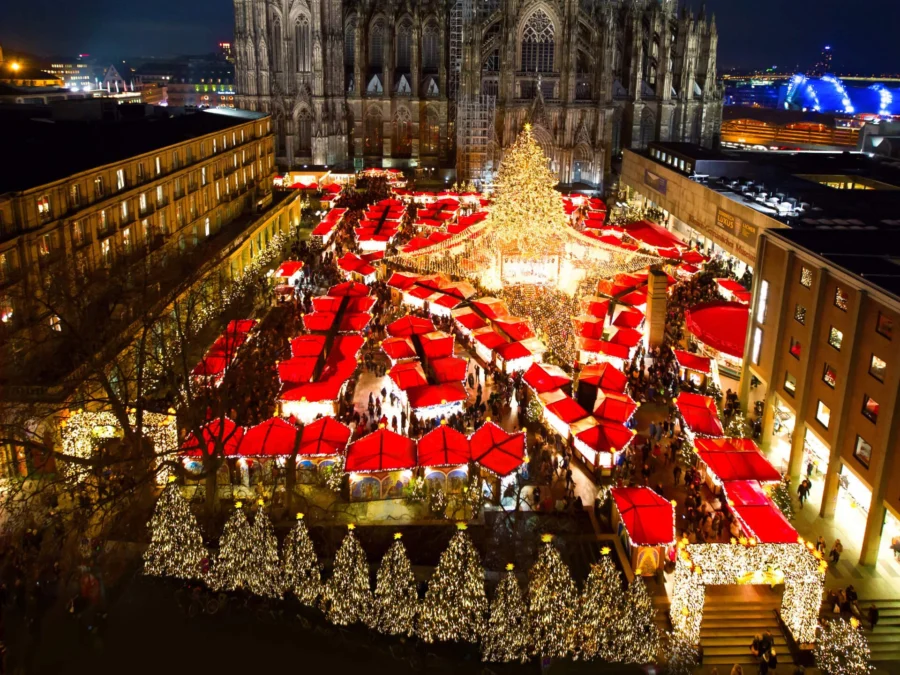
Cologne’s Christmas markets pop up all over the city, but the one by the Cologne Cathedral is the real showstopper. Hundreds of wooden stalls line the plaza, selling carved ornaments, wool scarves, and mugs of steaming Glühwein. The Gothic cathedral towers above, making every photo look like a Christmas card.
Head toward the Old Town for smaller markets along the Rhine. I always grab Reibekuchen—crispy potato pancakes with applesauce—and a hot chocolate. The Harbor Market near the Chocolate Museum is quieter, with a maritime theme that stands out from the main square.
Frankfurt Christmas Market Experience
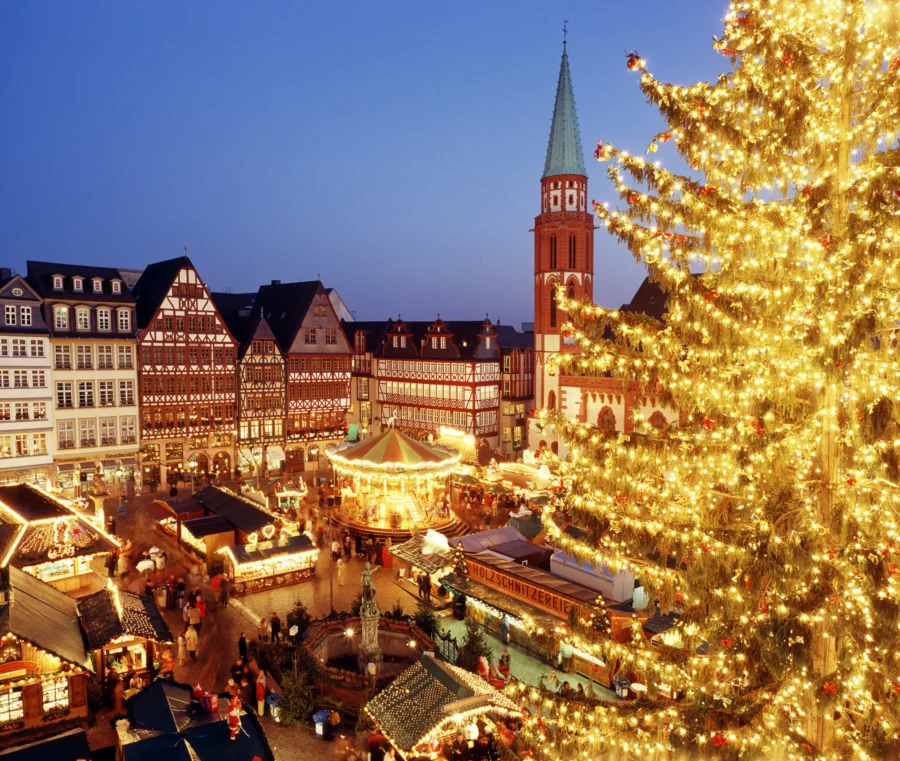
Frankfurt’s main market fills Römerberg Square and the area by the Frankfurt Cathedral. The city’s modern skyscrapers looming behind old timber houses make for a pretty wild contrast, especially under the Christmas lights.
You’ll hear church bells, smell roasted almonds, and see locals sipping Apfelwein (the local apple wine). I love wandering past the carousel and the giant Christmas tree—one of the tallest in Germany.
If you have time, swing by the smaller markets around Mainkai by the river. They’re less packed but still feel festive. Frankfurt’s central spot makes it easy to hop to nearby towns like Mainz or Wiesbaden for even more Christmas market fun.
Heidelberg Christmas Markets and Castle
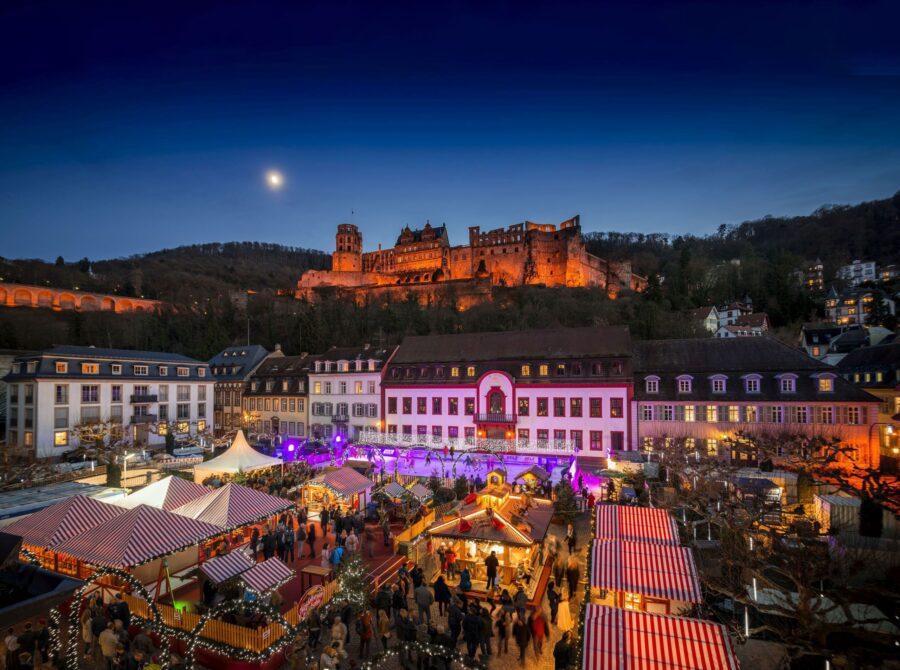
Heidelberg’s markets weave through the Old Town, from Bismarckplatz to Kornmarkt, with the Heidelberg Christmas Market framed by cobblestone streets and pastel buildings. The smell of roasted chestnuts mixes with choirs singing on the church steps.
But honestly, the real stunner is Heidelberg Castle towering over the city. At night, its ruins glow above the market—one of Germany’s most photogenic scenes. Take the funicular up for sweeping views of the Neckar River and twinkling lights below.
Try Flammkuchen, a thin flatbread with onions and bacon. It’s simple, but so good. If you go on a weekday, the markets are calmer and you can actually browse the handmade ornaments and wooden toys without elbowing through crowds.
Essential Christmas Market Foods and Drinks
Food and drink are the heart of German Christmas markets. It’s not just eating—it’s tradition, warmth, and sharing a moment with locals over hearty flavors that make winter special.
Mulled Wine and Glühwein Traditions

You can’t really do a Christmas market without a steaming mug of Glühwein. This spiced red wine, gently heated with cinnamon, cloves, and orange peel, fills the air with that unmistakable winter scent. Every city has its own spin—some go sweeter, some stronger.
In Nuremberg, I once had a cup with a hint of vanilla. Munich served theirs in collectible mugs shaped like boots. Feuerzangenbowle is another classic—sugar loaf soaked in rum, set on fire, and dripped into the wine below. It’s a bit of a spectacle, but worth seeing.
If you’re skipping alcohol, try Kinderpunsch—spiced fruit juice that’s just as festive and keeps your hands warm.
| Drink | Key Ingredients | Typical Region |
|---|---|---|
| Glühwein | Red wine, cinnamon, cloves, citrus | Nationwide |
| Feuerzangenbowle | Glühwein + rum-soaked sugar loaf | Southern Germany |
| Kinderpunsch | Apple or berry juice, spices | Family-friendly markets |
Lebkuchen and Sweet Treats
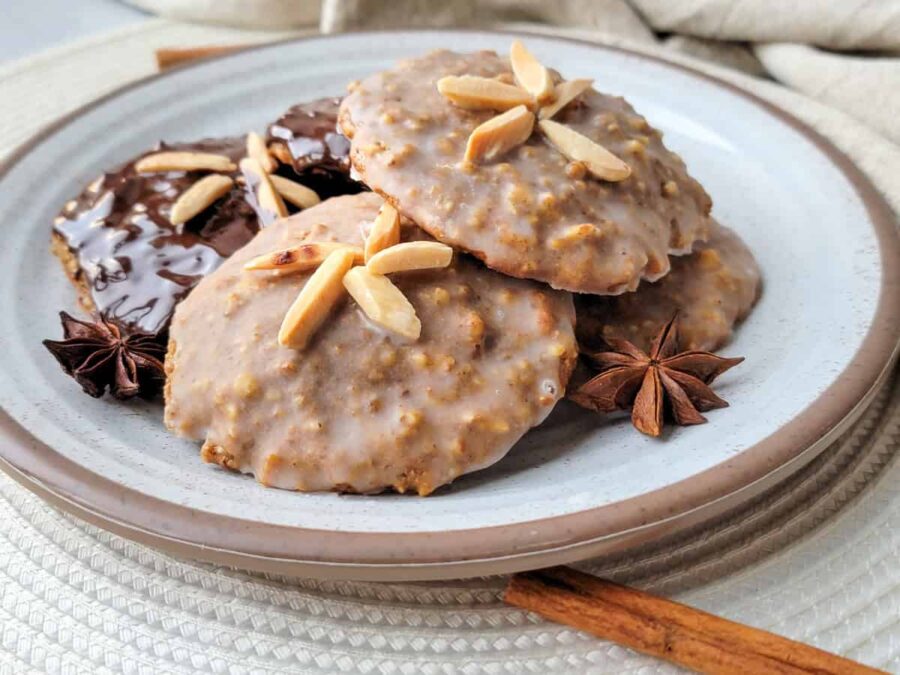
The smell of Lebkuchen, or German gingerbread, hits you as soon as you enter a market. These soft, spiced cookies often come iced or dipped in chocolate. I still have a heart-shaped one from Nuremberg hanging on my wall—“Frohe Weihnachten” in frosting.
You’ll spot Stollen too, a dense fruit bread dusted with powdered sugar. Dresden’s version is legendary, and every bakery claims theirs is the real deal.
Craving something warm? Grab Dampfnudeln (fluffy steamed buns with vanilla sauce) or Gebrannte Mandeln (candied almonds in paper cones). Simple, but that cinnamon-sugar crunch just tastes like Christmas.
Bavarian Specialties and Local Dishes
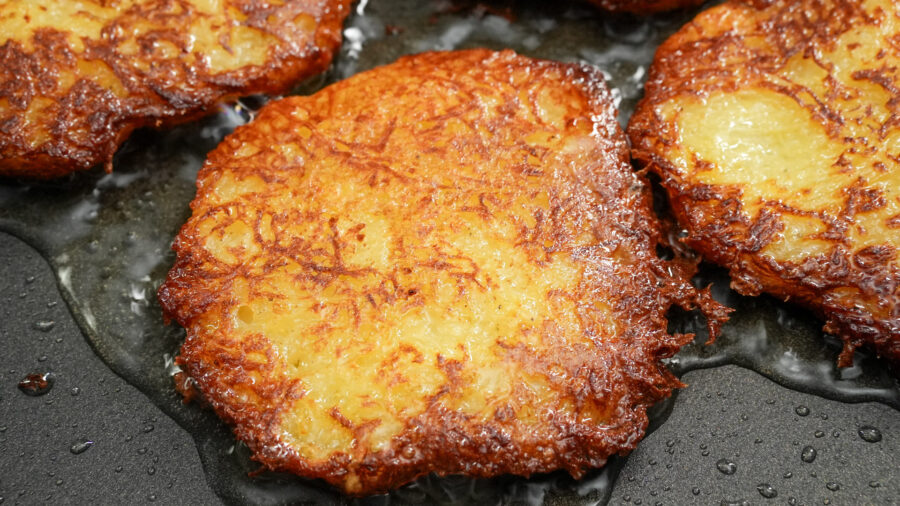
When the cold bites, you’ll want something savory. Bavarian markets deliver—Bratwurst, Kartoffelpuffer (crispy potato pancakes), and Käsespätzle (cheesy noodles, basically German mac and cheese).
I remember standing in Augsburg, balancing a plate of Käsespätzle as snow fell. It’s rich, creamy, and best eaten hot before it turns into a cheesy brick.
You’ll also see Flammkuchen—thin flatbread with sour cream, onions, and bacon. Lighter than pizza, but just as good. And don’t pass up the giant Brezeln—soft pretzels perfect for snacking between mugs of Glühwein.
These aren’t fancy dishes, but they’re comforting. They show how Germans eat in winter: hearty, warm, and with a sense of community you can actually taste.
Exploring Germany’s Christmas markets is as much about how you shop as what you buy. Locals glide through the stalls, chatting, checking craftsmanship, paying in cash, never in a rush. Pick up a few of their habits, and your market experience will feel way more authentic.
Handcrafted Gifts and Ornaments
German Christmas market stalls overflow with handmade wooden toys, glass ornaments, and carved nativity figures from regions like Erzgebirge and Bavaria. You’ll spot blown-glass baubles, tin decorations, and hand-poured candles—all perfect keepsakes.
Take your time. Many items come from small family workshops, handed down for generations. If you’re not sure about quality, just ask the vendor where it’s from. Locals do this all the time, and sellers usually love sharing their story.
Don’t rush. Wander, touch the wood, notice the little imperfections that prove something was made by hand. These are the treasures that outlast mass-produced souvenirs.
Tips for Shopping and Payment
Most vendors want cash—small notes and coins are best. Some bigger markets in cities like Munich or Frankfurt now take cards, but plenty of stalls don’t. ATMs near the market can run dry on busy weekends, so plan ahead.
Prices are usually set, but if you’re buying several things from one stall, it’s fine to politely ask if there’s a little discount. Locals do it with a smile.
Bring a reusable tote or a small backpack for your finds. Most stalls wrap items in paper, not plastic, so a bag helps. Plus, you’ll want your hands free for food—because you’re definitely going to end up juggling a mug of Glühwein or a warm pretzel while you browse.
Daytime vs Nighttime Market Visits
During the day, you can really take in the craftsmanship—the painted stalls, the intricate ornaments, and bakers shaping cookies right in front of you. It’s calmer, so you’ll have more space to chat with vendors or snap photos without getting jostled.
But at night? That’s when it all shifts. Lights twinkle on the garlands, music floats through the air, and the smell of roasted nuts drifts down every lane. Locals gather after work, sip mulled wine, and warm up by fire pits.
If you can swing it, go twice—once in the daylight for shopping, and again after dark for the vibe. Honestly, it feels like two totally different markets, each with its own kind of magic.
Sample Multi-Day Germany Christmas Market Routes
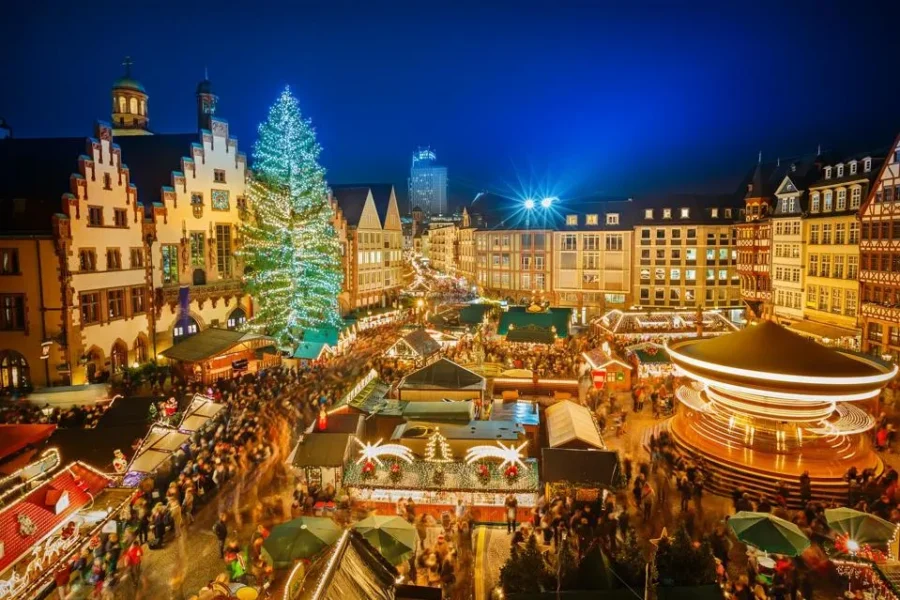
Traveling through Germany’s Christmas markets works best if you mix major cities with a few smaller, fairy-tale towns. Every region has its own lights, local crafts, and food specialties, so pick a route that matches your style and pace—don’t try to do it all at once.
Classic 7-Day Christmas Market Road Trip
A week-long Christmas market trip through southern Germany gives you the highlights without making you rush. Start in Munich, where Marienplatz glows with stalls selling ornaments and steaming mugs of mulled wine. Give yourself a couple of days there, then head to Nuremberg, home to the famous Christkindlesmarkt.
Next up: Regensburg and its Romantic Market at Thurn and Taxis Palace—a cozy, candlelit spot. Then wander through Rothenburg ob der Tauber, a medieval town that’s basically a snow globe. Wrap up in Stuttgart, where the market sprawls across several squares and even has a rooftop light show.
If you’d rather not drive, just book day tours and activities through Viator. It’s a relief not to worry about logistics, and you still get all the festive feels.
Alternative Itineraries for Families
Families usually want shorter travel days and more hands-on stuff. Start with Cologne—the markets near the cathedral have a carousel and an ice rink. Next, swing by Heidelberg, where the market sits beneath a castle and kids can ride a little Ferris wheel.
In Nuremberg, the “Kinderweihnacht” is made for kids, with toy workshops and cookie-decorating booths. Finish up in Stuttgart, where the zoo and Wilhelma Gardens give everyone a break from market crowds.
If you’re coming from abroad, check cheap flight alerts on Going™ before you book. Winter fares to Germany usually drop in early fall, especially if you can fly midweek.
Hidden Gem Towns to Add to Your Route
Already checked off the big-name markets? Try a few lesser-known stops. Esslingen am Neckar goes all-out medieval, with costumed vendors and torch-lit streets. Bamberg blends Gothic architecture with a smaller, laid-back market that feels more local.
Ludwigsburg surprises a lot of folks with its Baroque market—think angel statues and live brass bands. If your schedule lines up, the Ravenna Gorge market near Freiburg is worth a detour. It sits tucked under a railway viaduct and only opens on weekends.
These towns usually have fewer crowds and more personal touches. You’ll spot handmade gifts, regional snacks, and locals happy to share their favorite traditions over a steaming cup of glühwein.
Expert Tips for a Magical Christmas Market Experience
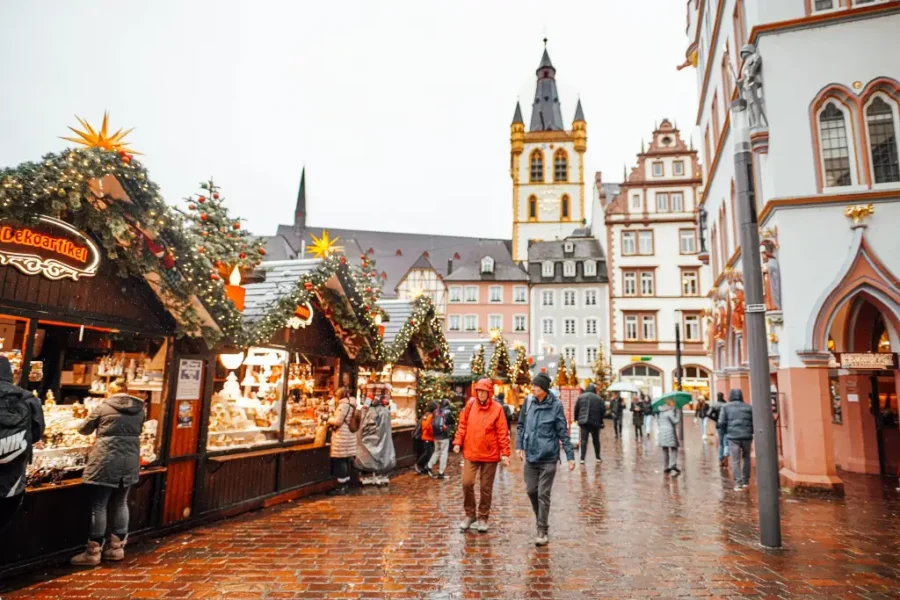
Germany’s Christmas markets can be cold, crowded, and just plain magical. A little prep—especially for the weather and a few customs—goes a long way. Even small things, like what shoes you wear or how you greet a vendor, can totally change your day.
Packing and Weather Essentials
Late November through December in Germany means cold days, sometimes near freezing, and long evenings spent outside. You’ll want layers: a thermal base, warm sweater, and a waterproof coat. I always pack wool socks, gloves, and a hat that actually covers my ears. Trust me, comfy waterproof boots are a must—the cobblestones get slick after rain or snow.
Keep a small day bag for essentials—cash, tissues, maybe a reusable cup for Glühwein. If you’re city-hopping, stash your luggage with a luggage storage service near train stations. Dragging suitcases through crowds? No, thanks.
For travel gear that holds up, go for quality travel gear—packing cubes, power banks, and a small umbrella are lifesavers. I also toss in a first-aid kit and travel insurance, just for peace of mind when bouncing between cities.
Cultural Etiquette and Local Phrases
Germans really value politeness and efficiency, even in big crowds. A friendly “Guten Tag” (Good day) or “Frohe Weihnachten” (Merry Christmas) goes a long way with vendors. Always hand cash straight to the seller—don’t just toss it down. Most stalls still prefer cash, so keep some small bills and coins handy.
If you bump into someone, a quick “Entschuldigung” (Excuse me) is the polite move. When you finish your Glühwein, bring the mug back for your deposit—locals expect it.
Take your time browsing. Vendors usually make their goods by hand and actually enjoy questions. A bit of curiosity and a few local words help you feel less like a tourist and more like you belong.
Frequently Asked Questions
Germany’s Christmas markets fill big cities and tiny towns, each with its own spin on food, crafts, and traditions. Your route really depends on how much time you’ve got, but even a few days can give you a real taste of the holiday spirit.
What are the must-visit Christmas markets in Germany for a week-long trip?
With a week, I’d mix classic and regional markets. Start in u003cstrongu003eBerlinu003c/strongu003e—Alexanderplatz and Gendarmenmarkt are always buzzing. Then head to u003cstrongu003eDresdenu003c/strongu003e, home to the oldest market, the Striezelmarkt.u003cbru003eu003cbru003eAfter that, hit up u003cstrongu003eu003ca href=u0022https://www.realjourneytravels.com/tours/nuremberg-city-tour-with-the-bimmelbahn-departure-from-the-schonen-brunnen-2/u0022u003eNurembergu003c/au003eu003c/strongu003e and u003cstrongu003eMunichu003c/strongu003e for iconic decorations, hearty food, and easy train rides. If you’re into medieval charm, squeeze in u003cstrongu003eRothenburg ob der Tauberu003c/strongu003e—it’s tiny but unforgettable.
How can I experience the best of Germany’s Christmas markets in a 10-day itinerary?
Ten days gives you space to slow down. Start in u003cstrongu003eHamburgu003c/strongu003e or u003cstrongu003eCologneu003c/strongu003e up north, then head south through u003cstrongu003eFrankfurtu003c/strongu003e, u003cstrongu003eRothenburgu003c/strongu003e, u003cstrongu003eNurembergu003c/strongu003e, and finish in u003cstrongu003eMunichu003c/strongu003e or u003cstrongu003eStuttgartu003c/strongu003e.u003cbru003eu003cbru003eI’ve done this by train—it’s quick, scenic, and you get both big-city markets and smaller regional ones. Try to spend a night in a smaller town along the way. The local celebrations there are something else.
Is it possible to cover the highlights of Germany’s Christmas markets in just 3 days?
It’s a squeeze, but you can do it. Stick to one region. Base yourself in u003cstrongu003eMunichu003c/strongu003e and take short day trips to u003cstrongu003eNurembergu003c/strongu003e or u003cstrongu003eAugsburgu003c/strongu003e.u003cbru003eu003cbru003eYou’ll still get plenty of festive lights, local crafts, and traditional foods—without spending your whole trip on trains. I’ve done a whirlwind version once; it’s a lot, but if you keep things flexible, it works.
What is the ideal 5-day itinerary for someone visiting German Christmas markets for the first time?
Five days is perfect for first-timers. Start in u003cstrongu003eBerlinu003c/strongu003e (one night), take the train to u003cstrongu003eDresdenu003c/strongu003e for its historic market, then move on to u003cstrongu003eNurembergu003c/strongu003e, and finish in u003cstrongu003eMunichu003c/strongu003e.u003cbru003eu003cbru003eYou’ll see a mix of market styles—from modern city squares to centuries-old traditions. If you can, add a day trip to u003cstrongu003eNeuschwanstein Castleu003c/strongu003e near Munich. It’s like stepping into a snow globe.
Can you suggest a 4-day Christmas market itinerary that includes Germany’s top festive spots?
For four days, I’d go with u003cstrongu003eFrankfurtu003c/strongu003e, u003cstrongu003eRothenburg ob der Tauberu003c/strongu003e, and u003cstrongu003eNurembergu003c/strongu003e. Fast trains connect them, and each gives you a different vibe.u003cbru003eu003cbru003eFrankfurt’s market is huge and easy to reach from the airport, Rothenburg feels frozen in time, and Nuremberg’s Christkindlesmarkt is pure tradition. It’s a short trip, but you’ll get plenty of variety.
What is the most efficient route to visit Christmas markets across Germany by train?
Germany’s rail network makes market-hopping surprisingly easy. The u003cstrongu003eBerlin–Dresden–Frankfurt–Nuremberg–Munichu003c/strongu003e route is a classic, and you’ll rarely spend more than five hours on any leg.u003cbru003eu003cbru003eI usually grab a u003cstrongu003eEurail or Interrail Passu003c/strongu003e for the freedom—it’s just less hassle than buying single tickets every time. If you want to avoid too many transfers, stick to southern Germany. The markets there are packed close together, so you can hit a bunch in one trip without much backtracking.