Krems Itinerary: Unforgettable Ways to Explore Austria’s Wachau Gem
Updated November 22, 2025
Planning a trip to Krems feels a bit like wandering into a storybook—cobblestone streets underfoot, the scent of wine drifting on the air, and the Danube glinting just beyond the rooftops. This small Austrian town packs a surprising mix of culture, history, and natural beauty. Here’s how I’d spend time in Krems to catch its best sights—without rushing or missing the good stuff.
You’ll wander the old town, climb up to Göttweig Abbey for the views, and, if you’re like me, probably end up with a glass of local wine somewhere along the Wachau Valley. Pack light, but don’t skimp on good shoes—those hilly paths and riverside trails can surprise you if you’re not prepared.
Key Takeaways
- Plan a flexible, easy Krems itinerary.
- Find the best spots for culture, wine, and river views.
- Get practical tips for exploring comfortably.
Essential Krems Itinerary Overview

Krems an der Donau sits at the eastern edge of the Wachau Valley, a UNESCO World Heritage Site famous for its vineyards, medieval lanes, and riverside scenery. The town feels both peaceful and packed with culture—perfect for a short break focused on wine, art, and nature.
How Many Days to Spend in Krems
You can check off Krems’ highlights in one full day, but stretching it to two or three days lets you breathe and really enjoy the Wachau Valley. A quick visit covers the Old Town, Steiner Tor, and a stroll along the Danube.
With more time, you get to explore Göttweig Abbey, sample wines at Winzer Krems, or hop on a Danube cruise to Melk. I’ve tried both the whirlwind day and the slower three-day pace—slowing down always wins for me. You start to notice things: church bells echoing, the smell of bread from a hidden bakery.
If you’re planning a regional trip, Krems makes a handy base for exploring places like Dürnstein or Spitz. Two nights here give you enough time to soak up both the town’s history and the valley’s scenery without feeling rushed.
Best Time to Visit for Wine and Scenery
Spring through early autumn is the sweet spot for Krems, especially May to October. Vineyards turn a lush green, cafes spill out onto the squares, and local festivals pop up everywhere.
September and October bring the grape harvest and plenty of wine tastings across the Wachau Valley. I once stumbled into a small harvest party in late September—locals poured fresh Grüner Veltliner right from the barrel. Couldn’t have planned it better.
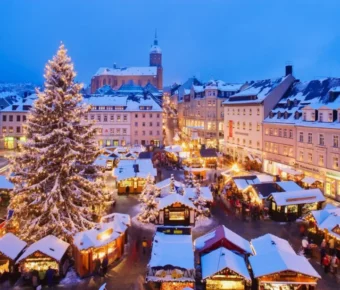
Winter’s a quieter, cozier affair. You’ll find small Christmas markets and hardly any crowds. The air turns crisp, and the Danube gets this misty, peaceful look. Just don’t forget warm layers—the wind off the river cuts right through you.
Getting to Krems an der Donau
Krems is about 80 kilometers west of Vienna, and it’s pretty easy to get there by train, car, or bus. Trains from Vienna’s Franz-Josefs-Bahnhof take just about an hour and drop you close to the center.
If you’re up for a drive, the route along the Danube is scenic and winds through little wine villages. Renting a car gives you the freedom to poke around the Wachau Valley at your own pace.
For international travelers, you can find cheap flight tickets to Vienna International Airport, then continue to Krems by train or rental car. Or check flight and car options to compare what’s out there.
Once you’re in Krems, local buses and bike paths connect Krems Old Town with Stein an der Donau. I usually rent a bike—it’s faster than walking, and you can stop whenever you want for photos or a quick glass of wine.
Historic Old Town Highlights
Krems’ Old Town weaves together centuries of history with a laid-back pace. You’ll find narrow lanes, pastel facades, and plenty of little surprises tucked behind archways. The details are what make it—stone streets, towers overhead, and a quiet hum of daily life that feels unchanged.
Walking the Cobblestone Streets

Start by wandering. The cobblestone streets twist through the heart of Old Town, connecting tiny courtyards and arcaded houses. Shops and bakeries still feel local. I always notice how the stones shine after rain, like someone polished them overnight.
Along Landstraße, the main pedestrian street, you’ll see locals grabbing coffee or picking up bread. Don’t be shy—peek into courtyards. Some hide small galleries or wine bars. The pace here is slow, and honestly, that’s what you want.
If you’re into photography, bring your camera. Medieval walls and colorful Baroque facades catch the light beautifully, especially early in the morning. Signs point toward Gozzoburg or Hoher Markt, both worth a quick look if you want to see how Krems’ past lingers in daily life.
Steiner Tor: Medieval Gateway

The Steiner Tor is Krems’ most famous landmark. Built in the 15th century, it’s the last remaining gate from the old city walls. You really can’t miss it—twin towers and painted coats of arms mark the entrance to Old Town.
Walk beneath the arch and picture the traders who once passed through with goods from the Danube. The gate used to guard the town’s wealth; now it just welcomes you in.
Look for the imperial eagle and some weathered inscriptions. They hint at Krems’ history as a fortified trading hub. I like standing here at sunset when the stone glows orange—it’s a simple scene, but you feel the weight of centuries.
Pfarrkirche St. Veit Visit
A short uphill walk brings you to Pfarrkirche St. Veit, the parish church that anchors Krems’ skyline. Its Baroque tower rises above the rooftops, and the inside feels peaceful, maybe a bit worn, but in a good way.
Inside, check out the high altar framed by gilded columns and soft frescoes. The church replaced an older Gothic building, but you can still spot some ancient stonework in the side chapels.
If you can, visit when late afternoon light streams through the windows—it softens everything, even the statues. Outside, the little square is a nice spot to sit and watch the town below. It’s the kind of moment that makes Krems feel timeless.
Wachau Valley Day Trips
The Wachau Valley stretches along the Danube between Melk and Krems. This UNESCO World Heritage Site blends vineyard-covered hills, medieval towns, and centuries of history into a compact, easy-to-explore region.
Exploring Terraced Vineyards
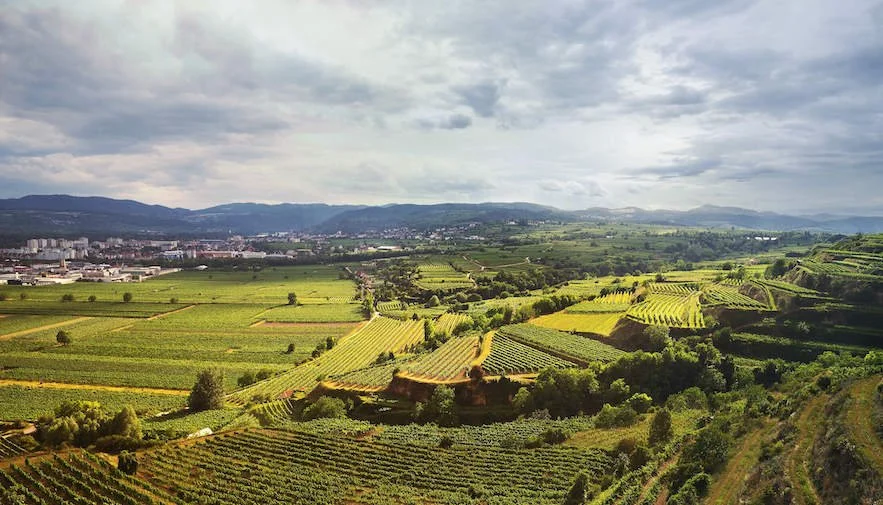
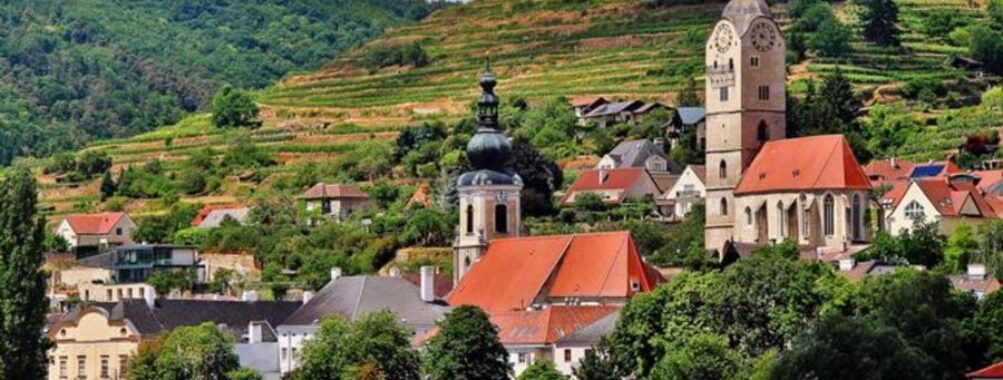
The terraced vineyards stand out right away—rows of vines climbing steep hills above the river. Locals have shaped these terraces by hand for generations, making some of Austria’s best white wines, especially Grüner Veltliner and Riesling.
Many small wineries open their doors for tastings. You can walk between villages like Spitz, Weißenkirchen, and Dürnstein, stopping for a glass (or two) along the way. The views are worth every step.
If you like things a bit more organized, book wine tours with transport and tastings at family-run vineyards. Wear good shoes—the paths get uneven, but the scenery makes up for it.
Melk Abbey Excursion

Melk Abbey rises above the river on a rocky bluff—one of Austria’s most striking landmarks. The Baroque architecture shines in the sun, with golden halls, frescoed ceilings, and a library that feels untouched by time.
Inside, you’ll find the museum, church, and a terrace with sweeping Danube views. The gardens are peaceful, especially in spring when flowers bloom everywhere.
Try to arrive early before the tour buses show up. Pair your visit with lunch in Melk or continue through the valley. If you want a no-fuss option, check out guided day trips that include Melk Abbey, Dürnstein, and a short cruise.
Danube River Cruises
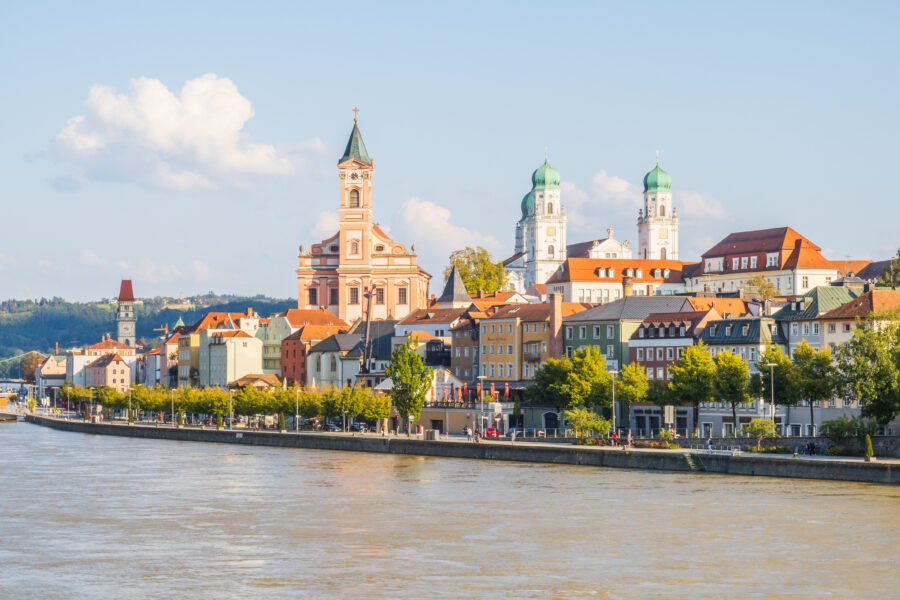
A cruise along the Danube is probably the most relaxing way to see the Wachau Valley. Boats glide past vineyards, castles, and riverside villages at an easy pace.
Most cruises go between Melk and Krems, taking about an hour and a half. Sit on deck with a glass of local wine and watch the scenery drift by—vineyards on one side, forested hills on the other.
Some cruises include commentary about the valley’s history and winemaking. Others are simple ferries where you can hop off at little ports for a walk or a meal. Either way, it’s a calm, scenic way to wrap up your day before heading back to Vienna.
Wine Tasting Experiences
Krems moves to the rhythm of the vineyards. You can wander among grapevines, taste crisp white wines, and meet the folks who’ve kept winemaking alive here for centuries.
Top Local Wineries and Vineyards

Start with Winzer Krems – Sandgrube 13, probably the best-known winery in the region. Their eight-stop tour shows you the whole process, from grape to glass. You’ll walk through the vineyards, visit the oak cask cellar, and sample local wines like Grüner Veltliner and Blauer Zweigelt.
Nearby, Weingut Stadt Krems stands out as one of the oldest city-owned wineries anywhere. It’s right in town, so you can easily pair a tasting with a stroll through Krems’ old streets.
If you want something more personal, the family-run vineyards around Krems-Stein and Wachau are a treat. Sometimes you’ll chat with the winemaker, taste straight from the barrel, or even help with the grape harvest if you visit in autumn. It’s simple, genuine, and very Austrian.
Riesling and Veltliner Tastings
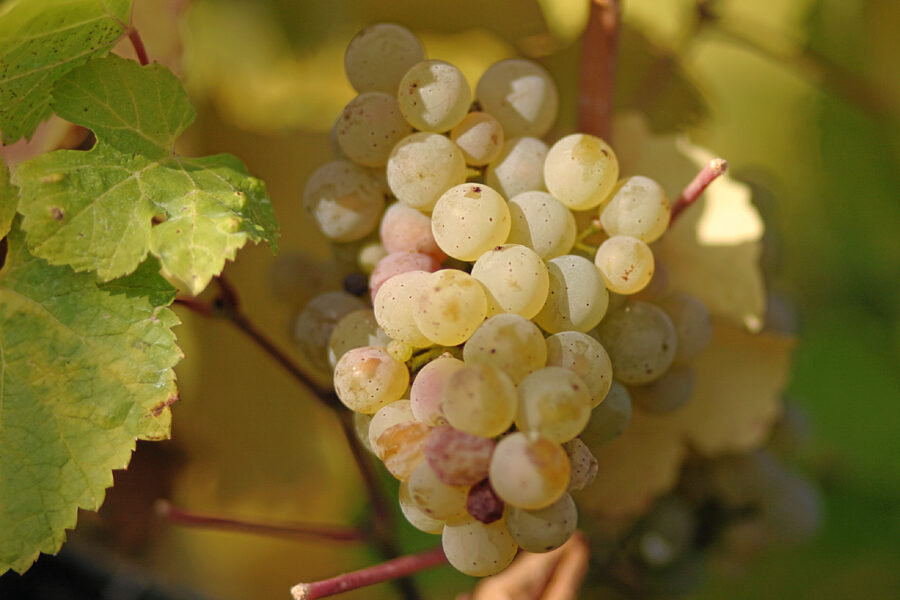
Krems is known for two grapes: Riesling and Grüner Veltliner. These wines really reflect the steep slopes and mineral-packed soil of the Danube valley. Riesling here is usually dry, with stone fruit flavors and a crisp finish. Grüner Veltliner? It’s got that peppery, fresh kick and just works so well with local food.
Most tasting rooms let you try different vintages side by side. Some wineries even serve up fresh bread, cheese, or a spoonful of apricot jam to show off what their wines can do.
I’ll never forget my first glass of terrace-grown Riesling in the late afternoon sun. Nothing fancy, just honest and balanced. You’ll find that same vibe all over Krems, especially if you slow down and chat with the growers.
Atmospheric Wine Bars

After a day among the vines, the local wine bars are where you want to be. Many hide in old cellars or tucked-away courtyards, with candles flickering against stone walls.
Try a glass at Weinhimmel or Vinothek Leopold. Both serve regional wines by the glass, so you can sample different producers without leaving town.
Some bars host small concerts or art shows, which gives evenings a relaxed, local buzz. Grab a chilled Veltliner, listen to the low hum of conversation, and you’ll get why Krems quietly draws wine lovers from all over.
Art, Culture, and Museums
Krems mixes old-world charm with a creative streak. The city’s art mile links historic monasteries, modern galleries, and spots that celebrate both contemporary and traditional Austrian culture. You can easily spend a day bouncing between bold exhibits and quiet, lesser-known museums tucked along medieval streets.
Kunsthalle Krems Contemporary Art
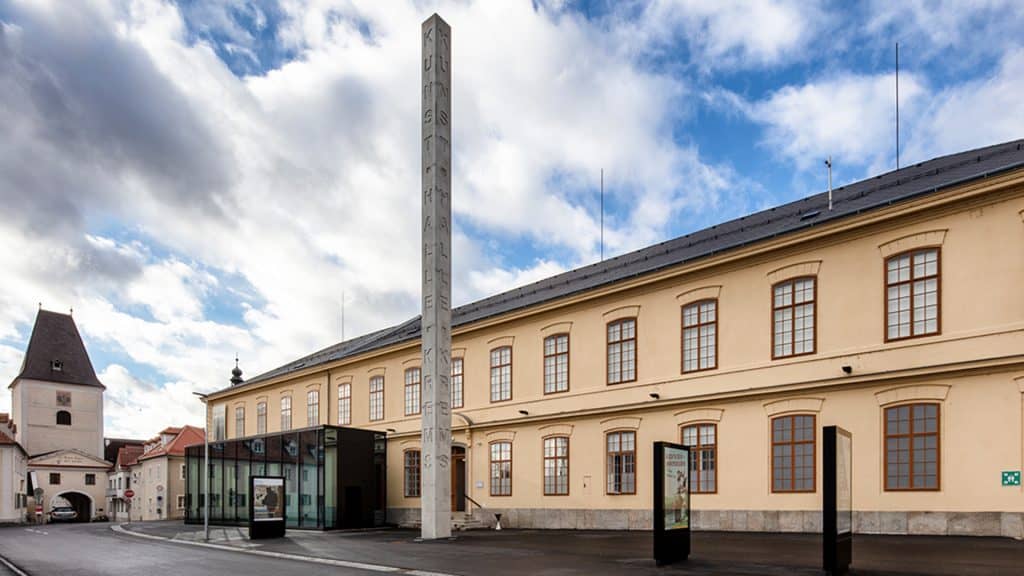
Kunsthalle Krems sits on the Kunstmeile Krems (Art Mile), focusing on contemporary visual art. The building itself—once a tobacco factory—feels industrial but somehow warm. Inside, rotating exhibits feature Austrian and international artists, from photography to installation art.
I remember walking into an exhibit where light and sound filled the whole room—it made me stop and just take it in. That’s the thing about Kunsthalle Krems: it makes you think, not just look.
The museum often teams up with places like the Karikaturmuseum, so check for combo tickets. You’ll save time and get into more than one spot within a short walk. Staff are friendly and love sharing stories about the artists or how the building changed over the years, which adds a nice local flavor.
Local History and Hidden Gems
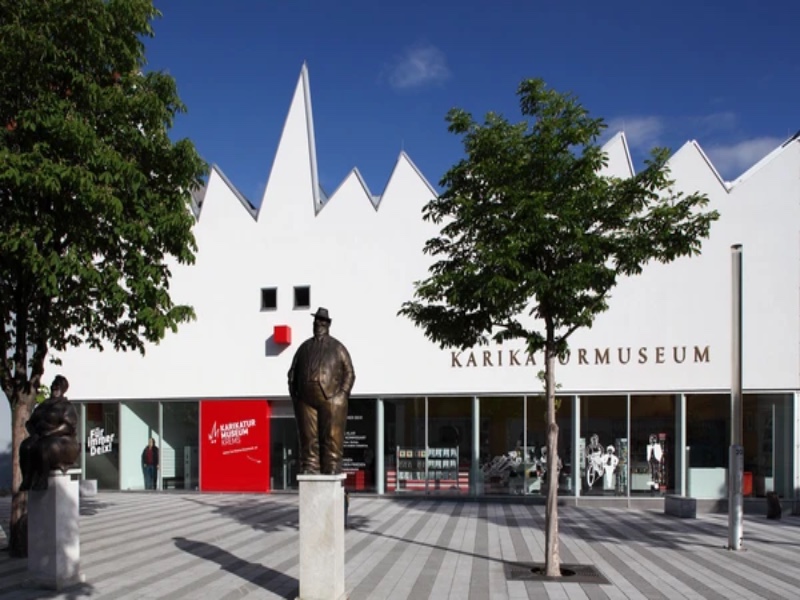
Outside the big names, Krems has smaller museums that dig into daily life. The former Dominican monastery near the Körnermarkt holds collections tracing the city’s trade, religion, and art history. It’s usually quiet, and you can wander without crowds—ideal if you like to travel at your own pace.
If you’re into quirky spots, check out the Karikaturmuseum, Austria’s only museum for caricature and cartoon art. Exhibits rotate often, with artists like Manfred Deix and Gerhard Haderer. Even if you’re not familiar with them, the humor and social bite come through.
My tip? Walk between these places instead of driving. The cobblestone lanes and old façades make the journey part of the fun, and you’ll probably stumble on a tiny gallery or café that’s not in any guidebook.
Outdoor Adventures Along the Danube
Krems sits by a gentle stretch of the Danube River, where vineyards meet wooded hills. You can explore by bike or on foot, moving between wine terraces, small villages, and river views that shift with the light. Even a short ride or walk feels like a little discovery here.
Cycling the Danube Cycle Path
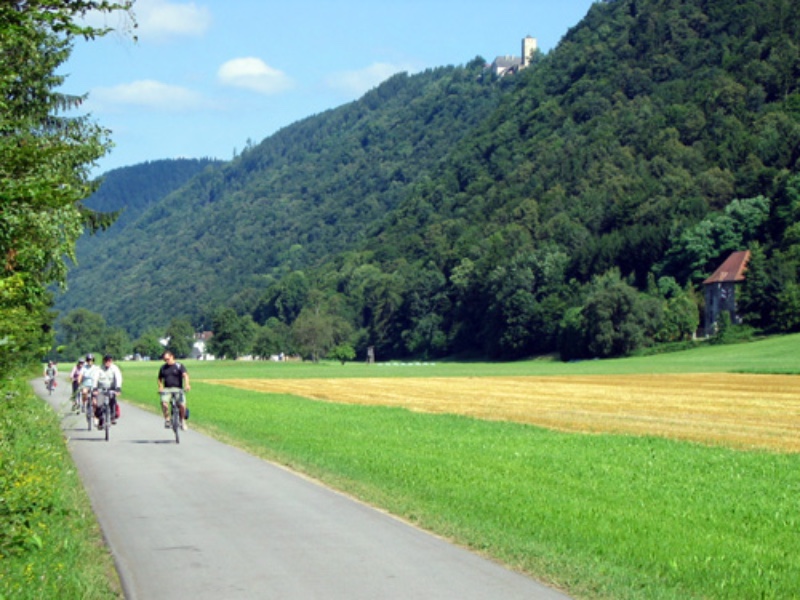
The Danube Cycle Path between Krems and the Wachau Valley is one of Austria’s best scenic routes. It runs right beside the river, often shaded by willows, passing through wine towns like Dürnstein and Spitz. You’ll spot castle ruins on the hills and ferries crossing the water every few miles.
Renting a bike in town costs about €20 for the day. The path is mostly flat, so it’s easy even for casual riders. I like to start early, stop for coffee at a riverside café, and just take my time—there’s really no need to rush.
Pack light, bring water, and don’t forget sunscreen. The ride from Krems to Melk takes about three hours each way, but you can always hop on a river cruise if you’re tired. It’s easy to plan your trip after finding cheap flight deals through flight alerts, which helps stretch your budget for experiences like this.
Scenic Riverbank Walks
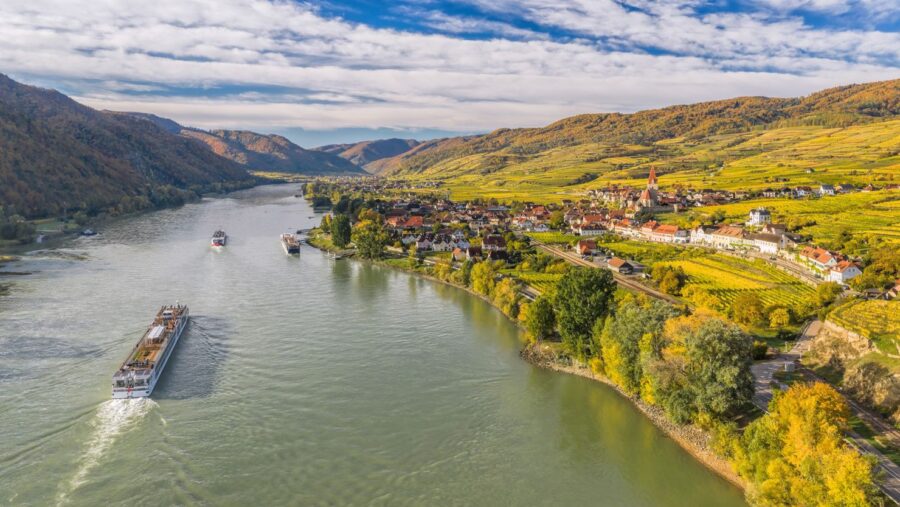
If cycling isn’t your thing, walking along the Danube River is a quieter way to see the area. Trails near Krems weave past vineyards and small chapels, with benches under old trees. You’ll often hear church bells echo across the valley.
One of my favorite spots is the Kremstal-Danube Long Distance Trail, which cuts through the wine hills just outside town. It’s well-marked and easy, even for beginners.
Bring a picnic or pick up local cheese and bread from a market before you go. The views toward the Wachau Valley are especially lovely in late afternoon, when the sun hits the water just right and the whole river glows.
Where to Eat, Drink, and Stay
Krems has a mix of cozy Austrian restaurants, little wine taverns, and family-run guesthouses. You’ll find hearty local food, crisp Wachau wines, and places to stay that match the town’s easy riverside pace.
Austrian Cuisine and Cafés

You really shouldn’t leave Krems without trying Austrian comfort food—think schnitzel, goulash, and apricot dumplings. Many downtown restaurants serve these classics with a glass of Grüner Veltliner from nearby vineyards.
I liked Gasthaus Jell, an old favorite known for seasonal dishes and genuinely warm service. For something lighter, the cafés along Obere Landstrasse do good coffee and homemade pastries. Try a slice of Marillenstrudel—it’s the Wachau’s thing.
If you want something different, Krems also has Italian, Greek, and Asian spots. Most are small, family-run, and feel personal.
For a relaxed evening, drop by a Heuriger, the traditional wine tavern. Locals gather for young wine and cold platters of cheese and smoked meats. It’s casual, affordable, and honestly feels like being welcomed into someone’s home.
When you’re ready to explore more, you can stash your bags through Luggage Storage and squeeze in one last meal by the Danube.
Unique Accommodation Options
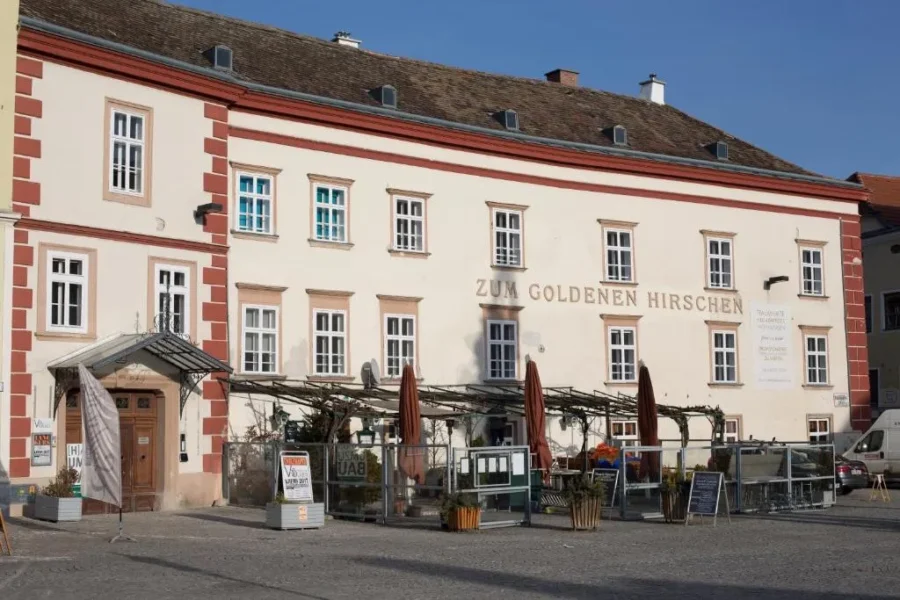
Staying in Krems feels a bit like stepping into a quiet storybook. Many hotels and guesthouses are inside old buildings with sloped roofs and wooden beams.
Budget travelers usually pick pensions or small inns near the Old Town. They’re simple, clean, and the owners are happy to share local tips. If you want something more modern, there are boutique hotels with minimalist design and views of the vineyards.
I once stayed in a farmhouse on the town’s edge—woke up to church bells and the smell of fresh bread from the kitchen. That’s Krems: peaceful and unhurried.
You can compare and book rooms through Booking.com or check deals on Expedia. Both list everything from riverside hotels to countryside stays.
If you’re planning a longer trip through Austria, consider travel insurance from Visitors Coverage for peace of mind—it’s worth it, especially when you’re exploring smaller towns like this.
Frequently Asked Questions
Krems offers a blend of history, wine culture, and Danube views that you can easily enjoy in a single day. You’ll find peaceful abbeys, art museums, and small shops that still feel genuinely local. Getting around is simple, and quick trips into the Wachau Valley make it even better.
What are the top attractions to visit during a day trip in Krems an der Donau?
Start at Steiner Tor, the old city gate that leads into Krems’ historic center. Wander the cobblestone streets to Göttweig Abbey, perched on a hill with sweeping valley views.
If art’s your thing, check out the Landesgalerie Niederösterreich or Kunsthalle Krems. Both show off Austrian and international artists in modern spaces that contrast nicely with the old town’s architecture.
Can you suggest an ideal one-day itinerary for exploring Krems?
Begin your morning strolling through the Old Town, grabbing a pastry and coffee from a small bakery. Then head to LOISIUM WeinWelt in nearby Langenlois for a look at local wine traditions and a tasting or two.
After lunch, take a short drive or bus to Göttweig Abbey. Wrap up your day with a walk along the Danube promenade, especially nice at sunset when the light touches the river.
What unique souvenirs and local goods are recommended to buy when visiting Krems, Austria?
You’ll find plenty of Wachau apricot products—jams, liqueurs, even soaps made from local fruit. I always bring home a bottle of Grüner Veltliner or Riesling, both grown on the nearby terraced vineyards.
Small artisan shops in the old town also sell hand-painted ceramics and regional honey, which make thoughtful gifts.
How can one best experience the charm of Krems’ old town?
Honestly, just walk without a plan. The narrow lanes, pastel buildings, and little courtyards reveal details you’d miss otherwise.
Visit the Gozzoburg, a medieval building with frescoes telling local stories, or pop into a café for cake and people-watching. I once spent an hour just admiring the mix of Gothic and Baroque facades—it’s that kind of place.
What is the most efficient way to plan a Wachau Valley day trip, including a visit to Krems?
Use Krems as your base. Rent a bike or take a river cruise to Dürnstein or Spitz, both close by and packed with vineyards and small wineries.
If you prefer public transport, the local bus or train connects these spots easily. I’d go early to avoid crowds and catch the best morning light over the river.
What are some lesser-known but interesting activities to do in Krems for a traveler seeking authentic experiences?
Try an Instawalk or a casual photo walk set up by the tourism office—these walks usually wind through hidden alleys and lead you to some pretty great viewpoints you’d probably miss otherwise.
You could also jump into a wine cellar tour with one of the smaller family-run producers, not just the big estates. If you’re a bit of a history buff (or just curious), wander into the Karikaturmuseum. It’s a quirky spot all about cartoons and satire—surprisingly entertaining, and honestly, the Austrian humor there might catch you off guard in the best way.