
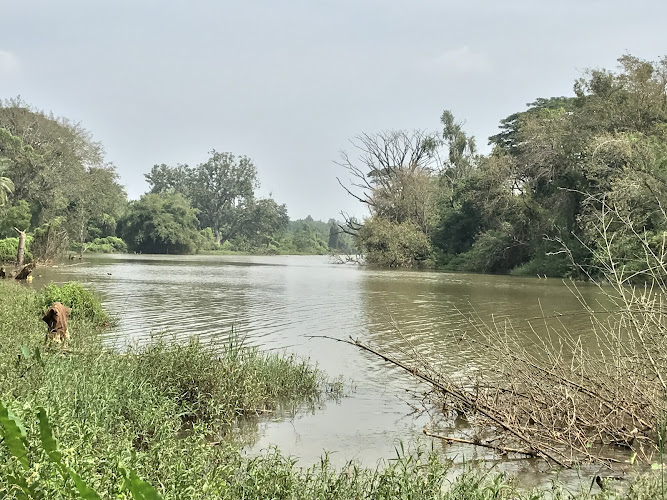
Mandagadde Bird Sanctuary
About Mandagadde Bird Sanctuary
Description
Mandagadde Bird Sanctuary is one of those places that doesn't scream for attention but quietly rewards those who make the effort to visit. Located along the banks of the Tunga River in Karnataka's Shimoga district, this small island sanctuary has been drawing bird enthusiasts and nature lovers for decades. The sanctuary spans roughly four acres, which might sound tiny compared to sprawling national parks, but sometimes the best things really do come in small packages. What makes this place special is its seasonal transformation. During the monsoon months, this becomes a breeding ground for several species of migratory and resident birds who nest in the tall trees scattered across the island. I've heard from fellow travelers that watching thousands of birds congregate here during peak season is something that sticks with you long after you've left. The cacophony of bird calls, the constant flutter of wings, and the sheer density of avian life creates an atmosphere that's hard to describe until you experience it yourself. The sanctuary primarily attracts species like cormorants, darters, egrets, herons, ibises, and several types of storks. But here's the thing - visiting Mandagadde isn't always a guaranteed home run. The experience depends heavily on timing, water levels in the river, and frankly, a bit of luck. Some visitors find themselves disappointed if they arrive during off-peak months when bird activity is minimal. The sanctuary's reputation has grown considerably over recent years, which means it can get crowded during weekends and holidays, potentially affecting the peaceful bird-watching experience you might be hoping for. Access to the sanctuary involves a short coracle ride across the river, which adds an element of adventure to your visit. These round, traditional boats might look precarious if you've never been in one before, and they definitely aren't wheelchair accessible - something important to note for travelers with mobility concerns. The sanctuary itself lacks modern infrastructure, which some people appreciate for its rustic charm while others find inconvenient.Key Features
- Home to thousands of migratory and resident bird species during breeding season, including cormorants, darters, painted storks, Asian openbills, black-headed ibises, and various egret and heron species
- Small river island spanning approximately four acres, creating an intimate bird-watching environment where you can observe nesting behaviors up close
- Traditional coracle boat rides across the Tunga River provide the only access to the sanctuary, offering a unique cultural experience alongside your bird-watching adventure
- Peak breeding season transforms the island into a bustling bird colony with nests visible throughout the tree canopy
- Relatively undeveloped natural habitat without excessive tourist infrastructure, preserving the authentic wilderness experience
- Photography opportunities abound during peak season, though capturing birds in dense foliage requires patience and decent equipment
- Kid-friendly destination that can help younger visitors develop appreciation for wildlife and nature conservation
- The surrounding Tunga River area offers scenic beauty beyond just bird watching, with lush greenery especially prominent during and after monsoons
- Local guides and coracle operators can share knowledge about bird species and behaviors, enhancing the educational value of your visit
Best Time to Visit
Timing is absolutely everything when it comes to Mandagadde Bird Sanctuary. And I can't stress this enough - show up during the wrong season and you'll wonder what all the fuss was about. The ideal window for visiting runs from June through November, with the peak breeding season typically occurring between July and September. During these monsoon and post-monsoon months, the sanctuary transforms into a bustling bird metropolis. Thousands of birds descend on the island to nest, breed, and raise their young. The trees become so packed with nests and birds that the branches literally sag under their weight. This is when you'll witness the spectacular scenes that make Mandagadde worth the journey. Early morning visits between 6 AM and 9 AM offer the best bird activity. Birds are most active during these cooler hours, feeding and tending to their nests. The light is also better for photography during this time, though the dense tree cover can still make getting clear shots challenging. Late afternoon around 4 PM onwards presents another decent window, though typically not as rewarding as morning sessions. Here's what nobody tells you about visiting during peak season though - it can get crowded. Weekends and public holidays see local tourists flooding the area, which somewhat defeats the purpose of a peaceful nature experience. If you can swing it, plan your visit on a weekday when you'll have more space and quieter surroundings to actually hear the birds rather than competing conversations. The off-season months from December through May see dramatically reduced bird populations. Many visitors who arrive during this period leave disappointed, having expected the incredible avian congregation they'd seen in photos online. Water levels in the Tunga River also fluctuate throughout the year, sometimes affecting coracle access to the island. Weather considerations matter too. During heavy monsoon downpours, the coracle rides can be suspended for safety reasons. But a light drizzle? That actually creates a magical atmosphere with birds going about their business while rain patters through the leaves.How to Get There
Getting to Mandagadde requires some planning since it's not exactly on the main tourist circuit. The sanctuary sits about 20 kilometers from Shimoga city (also called Shivamogga), which serves as your base for accessing the area. If you're flying in, the nearest airport is Mangalore International Airport, roughly 170 kilometers away. Bangalore's Kempegowda International Airport is another option at about 280 kilometers distance. From either airport, you'll need to arrange road transportation to Shimoga and then to Mandagadde. The nearest major railway station is Shimoga Town Railway Station, well-connected to Bangalore and other Karnataka cities. From the railway station, hiring a taxi or auto-rickshaw to Mandagadde takes about 45 minutes to an hour depending on traffic and road conditions. For those driving or taking buses, Shimoga has good road connectivity. Regular bus services run from Bangalore to Shimoga, taking approximately 5-6 hours. From Shimoga, you can hire a taxi, take a local bus toward Sagar or Hosanagar, or even rent a two-wheeler if you're comfortable navigating Karnataka's rural roads. The route to Mandagadde is reasonably well-marked, though it helps to have offline maps downloaded since mobile connectivity can get patchy. Once you reach the Mandagadde village area, you'll need to park your vehicle and walk a short distance to the river bank where coracle operators wait to ferry visitors across to the sanctuary island. The coracle ride itself takes just a few minutes but adds a memorable element to the journey. Expect to pay a nominal fee for the round-trip coracle ride - prices can vary, so it's worth confirming before boarding. The roads leading to Mandagadde are decent but not exactly highways. During monsoon season, some stretches can get slippery or waterlogged. A sturdy vehicle is preferable if you're driving yourself, though regular cars manage the journey without too much trouble under normal conditions.Tips for Visiting
After talking with numerous visitors and piecing together experiences, here's what actually helps make a trip to Mandagadde Bird Sanctuary successful. Bring proper binoculars. This sounds obvious, but you'd be surprised how many people show up expecting birds to pose at arm's length. The sanctuary's dense tree cover means many birds nest high up in branches, making binoculars essential for decent viewing. A pair with 8x or 10x magnification works well for most visitors. Dress practically, not fashionably. Wear comfortable walking shoes with good grip since the island terrain can be uneven and potentially muddy during monsoon months. Long pants and long sleeves protect against insects and brush. Earth-toned clothing helps you blend in rather than startle the birds. And seriously, leave the bright red jacket at home. Photography gear needs consideration. If you're serious about bird photography, bring a camera with a telephoto lens - something in the 300-400mm range minimum. The birds won't let you get super close, and zoom capabilities make all the difference between mediocre shots and ones worth sharing. But also manage your expectations. Dense foliage, lighting challenges, and moving subjects make getting perfect photos harder than it looks. Pack light refreshments and water. The sanctuary itself has no facilities - no restrooms, no cafes, no water fountains. The nearest amenities are back in the village area. Staying hydrated is important, especially if you're visiting during warmer months, but you'll need to carry everything with you. Hire a local guide if bird identification isn't your strong suit. The coracle operators often double as informal guides, pointing out different species and sharing interesting behavioral observations. Their local knowledge adds significant value to the experience, helping you spot birds you'd otherwise miss. Respect the wildlife and environment. This should go without saying, but apparently it needs saying. Don't throw trash, don't try to feed the birds, don't play loud music from your phone, and definitely don't attempt to grab or disturb nesting birds for photos. The sanctuary's continued success as a breeding ground depends on minimal human interference. Check current conditions before heading out. Water levels, weather forecasts, and recent visitor reports can all influence whether your visit will be worthwhile. Some online forums and travel groups share real-time updates that help you make informed decisions about timing your visit. Bring mosquito repellent. You're visiting a river island sanctuary during monsoon months - insects come with the territory. Protecting yourself against mosquito bites makes the experience much more pleasant. Be patient and quiet. Bird watching isn't a spectator sport with guaranteed action every minute. Sometimes you need to stand still, stay quiet, and just observe. The birds gradually resume natural behaviors once they've adjusted to your presence, but constant movement and noise keep them agitated and less visible. Consider combining your visit with other attractions in the Shimoga region. Jog Falls, Tyavarekoppa Lion and Tiger Safari, Sakrebailu Elephant Camp, and several beautiful temples dot the area. Since Mandagadde can be thoroughly explored in a few hours, building it into a broader itinerary makes logistical sense.Key Features
- Small island sanctuary in the Tunga River (approx. 1.14 acres)
- Mass seasonal nesting colony of herons, egrets, cormorants and pelicans
- Accessible by short boat trip from the riverbank
- Scenic riverine forest setting ideal for photography
- Close to Shimoga town and reachable from NH/SH routes
More Details
Updated April 5, 2026
Table of Contents
- Description
- Key Features
- Best Time to Visit
- How to Get There
- Tips for Visiting
- Key Highlights
- Location
- Places to Stay Near Mandagadde Bird Sanctuary
- Find and Book a Tour
- Explore More Travel Guides
- Key Takeaways
- About Mandagadde Bird Sanctuary
- Unique Island Location and Geography
- Historical and Local Significance
- Role Within Shettihalli Wildlife Sanctuary
- Bird Species of Mandagadde
- Key Migratory and Resident Birds
- Rare and Notable Bird Sightings
- Bird Nesting and Breeding Habits
- Birdwatching and Photography Experiences
- Best Viewing Spots and Watchtower Insights
- Optimal Seasons and Timings for Sightings
- Tips for Birdwatching and Capture
- Visiting Mandagadde Bird Sanctuary
- How to Reach: Routes and Transportation
- Sanctuary Timings and Entry Information
- Local Facilities and Amenities
- Activities and Attractions Nearby
- Boating on the Tunga River
- Nature Walks and Trekking
- Nearby Tourist Spots and Excursions
- Conservation, Ecology, and Responsible Tourism
- Sanctuary Conservation Efforts
- Ecological Importance of Mandagadde
- Tips for Responsible Travel
- Frequently Asked Questions
- Which district is Mandagadde Bird Sanctuary located in, and what’s the easiest way to reach it from nearby cities?
- What are the visiting hours at Mandagadde Bird Sanctuary, and do they change by season or day of the week?
- When is the best time of year to visit for peak bird activity and nesting, and what time of day is most rewarding?
- Traveler Reviews for Mandagadde Bird Sanctuary
- Share Your Experience
Description
Mandagadde Bird Sanctuary is one of those places that doesn’t scream for attention but quietly rewards those who make the effort to visit. Located along the banks of the Tunga River in Karnataka’s Shimoga district, this small island sanctuary has been drawing bird enthusiasts and nature lovers for decades. The sanctuary spans roughly four acres, which might sound tiny compared to sprawling national parks, but sometimes the best things really do come in small packages.
What makes this place special is its seasonal transformation. During the monsoon months, this becomes a breeding ground for several species of migratory and resident birds who nest in the tall trees scattered across the island. I’ve heard from fellow travelers that watching thousands of birds congregate here during peak season is something that sticks with you long after you’ve left. The cacophony of bird calls, the constant flutter of wings, and the sheer density of avian life creates an atmosphere that’s hard to describe until you experience it yourself.
The sanctuary primarily attracts species like cormorants, darters, egrets, herons, ibises, and several types of storks. But here’s the thing – visiting Mandagadde isn’t always a guaranteed home run. The experience depends heavily on timing, water levels in the river, and frankly, a bit of luck. Some visitors find themselves disappointed if they arrive during off-peak months when bird activity is minimal. The sanctuary’s reputation has grown considerably over recent years, which means it can get crowded during weekends and holidays, potentially affecting the peaceful bird-watching experience you might be hoping for.
Access to the sanctuary involves a short coracle ride across the river, which adds an element of adventure to your visit. These round, traditional boats might look precarious if you’ve never been in one before, and they definitely aren’t wheelchair accessible – something important to note for travelers with mobility concerns. The sanctuary itself lacks modern infrastructure, which some people appreciate for its rustic charm while others find inconvenient.
Key Features
- Home to thousands of migratory and resident bird species during breeding season, including cormorants, darters, painted storks, Asian openbills, black-headed ibises, and various egret and heron species
- Small river island spanning approximately four acres, creating an intimate bird-watching environment where you can observe nesting behaviors up close
- Traditional coracle boat rides across the Tunga River provide the only access to the sanctuary, offering a unique cultural experience alongside your bird-watching adventure
- Peak breeding season transforms the island into a bustling bird colony with nests visible throughout the tree canopy
- Relatively undeveloped natural habitat without excessive tourist infrastructure, preserving the authentic wilderness experience
- Photography opportunities abound during peak season, though capturing birds in dense foliage requires patience and decent equipment
- Kid-friendly destination that can help younger visitors develop appreciation for wildlife and nature conservation
- The surrounding Tunga River area offers scenic beauty beyond just bird watching, with lush greenery especially prominent during and after monsoons
- Local guides and coracle operators can share knowledge about bird species and behaviors, enhancing the educational value of your visit
Best Time to Visit
Timing is absolutely everything when it comes to Mandagadde Bird Sanctuary. And I can’t stress this enough – show up during the wrong season and you’ll wonder what all the fuss was about.
The ideal window for visiting runs from June through November, with the peak breeding season typically occurring between July and September. During these monsoon and post-monsoon months, the sanctuary transforms into a bustling bird metropolis. Thousands of birds descend on the island to nest, breed, and raise their young. The trees become so packed with nests and birds that the branches literally sag under their weight. This is when you’ll witness the spectacular scenes that make Mandagadde worth the journey.
Early morning visits between 6 AM and 9 AM offer the best bird activity. Birds are most active during these cooler hours, feeding and tending to their nests. The light is also better for photography during this time, though the dense tree cover can still make getting clear shots challenging. Late afternoon around 4 PM onwards presents another decent window, though typically not as rewarding as morning sessions.
Here’s what nobody tells you about visiting during peak season though – it can get crowded. Weekends and public holidays see local tourists flooding the area, which somewhat defeats the purpose of a peaceful nature experience. If you can swing it, plan your visit on a weekday when you’ll have more space and quieter surroundings to actually hear the birds rather than competing conversations.
The off-season months from December through May see dramatically reduced bird populations. Many visitors who arrive during this period leave disappointed, having expected the incredible avian congregation they’d seen in photos online. Water levels in the Tunga River also fluctuate throughout the year, sometimes affecting coracle access to the island.
Weather considerations matter too. During heavy monsoon downpours, the coracle rides can be suspended for safety reasons. But a light drizzle? That actually creates a magical atmosphere with birds going about their business while rain patters through the leaves.
How to Get There
Getting to Mandagadde requires some planning since it’s not exactly on the main tourist circuit. The sanctuary sits about 20 kilometers from Shimoga city (also called Shivamogga), which serves as your base for accessing the area.
If you’re flying in, the nearest airport is Mangalore International Airport, roughly 170 kilometers away. Bangalore’s Kempegowda International Airport is another option at about 280 kilometers distance. From either airport, you’ll need to arrange road transportation to Shimoga and then to Mandagadde.
The nearest major railway station is Shimoga Town Railway Station, well-connected to Bangalore and other Karnataka cities. From the railway station, hiring a taxi or auto-rickshaw to Mandagadde takes about 45 minutes to an hour depending on traffic and road conditions.
For those driving or taking buses, Shimoga has good road connectivity. Regular bus services run from Bangalore to Shimoga, taking approximately 5-6 hours. From Shimoga, you can hire a taxi, take a local bus toward Sagar or Hosanagar, or even rent a two-wheeler if you’re comfortable navigating Karnataka’s rural roads. The route to Mandagadde is reasonably well-marked, though it helps to have offline maps downloaded since mobile connectivity can get patchy.
Once you reach the Mandagadde village area, you’ll need to park your vehicle and walk a short distance to the river bank where coracle operators wait to ferry visitors across to the sanctuary island. The coracle ride itself takes just a few minutes but adds a memorable element to the journey. Expect to pay a nominal fee for the round-trip coracle ride – prices can vary, so it’s worth confirming before boarding.
The roads leading to Mandagadde are decent but not exactly highways. During monsoon season, some stretches can get slippery or waterlogged. A sturdy vehicle is preferable if you’re driving yourself, though regular cars manage the journey without too much trouble under normal conditions.
Tips for Visiting
After talking with numerous visitors and piecing together experiences, here’s what actually helps make a trip to Mandagadde Bird Sanctuary successful.
Bring proper binoculars. This sounds obvious, but you’d be surprised how many people show up expecting birds to pose at arm’s length. The sanctuary’s dense tree cover means many birds nest high up in branches, making binoculars essential for decent viewing. A pair with 8x or 10x magnification works well for most visitors.
Dress practically, not fashionably. Wear comfortable walking shoes with good grip since the island terrain can be uneven and potentially muddy during monsoon months. Long pants and long sleeves protect against insects and brush. Earth-toned clothing helps you blend in rather than startle the birds. And seriously, leave the bright red jacket at home.
Photography gear needs consideration. If you’re serious about bird photography, bring a camera with a telephoto lens – something in the 300-400mm range minimum. The birds won’t let you get super close, and zoom capabilities make all the difference between mediocre shots and ones worth sharing. But also manage your expectations. Dense foliage, lighting challenges, and moving subjects make getting perfect photos harder than it looks.
Pack light refreshments and water. The sanctuary itself has no facilities – no restrooms, no cafes, no water fountains. The nearest amenities are back in the village area. Staying hydrated is important, especially if you’re visiting during warmer months, but you’ll need to carry everything with you.
Hire a local guide if bird identification isn’t your strong suit. The coracle operators often double as informal guides, pointing out different species and sharing interesting behavioral observations. Their local knowledge adds significant value to the experience, helping you spot birds you’d otherwise miss.
Respect the wildlife and environment. This should go without saying, but apparently it needs saying. Don’t throw trash, don’t try to feed the birds, don’t play loud music from your phone, and definitely don’t attempt to grab or disturb nesting birds for photos. The sanctuary’s continued success as a breeding ground depends on minimal human interference.
Check current conditions before heading out. Water levels, weather forecasts, and recent visitor reports can all influence whether your visit will be worthwhile. Some online forums and travel groups share real-time updates that help you make informed decisions about timing your visit.
Bring mosquito repellent. You’re visiting a river island sanctuary during monsoon months – insects come with the territory. Protecting yourself against mosquito bites makes the experience much more pleasant.
Be patient and quiet. Bird watching isn’t a spectator sport with guaranteed action every minute. Sometimes you need to stand still, stay quiet, and just observe. The birds gradually resume natural behaviors once they’ve adjusted to your presence, but constant movement and noise keep them agitated and less visible.
Consider combining your visit with other attractions in the Shimoga region. Jog Falls, Tyavarekoppa Lion and Tiger Safari, Sakrebailu Elephant Camp, and several beautiful temples dot the area. Since Mandagadde can be thoroughly explored in a few hours, building it into a broader itinerary makes logistical sense.
Key Highlights
- Small island sanctuary in the Tunga River (approx. 1.14 acres)
- Mass seasonal nesting colony of herons, egrets, cormorants and pelicans
- Accessible by short boat trip from the riverbank
- Scenic riverine forest setting ideal for photography
- Close to Shimoga town and reachable from NH/SH routes
Location
Places to Stay Near Mandagadde Bird Sanctuary
Find and Book a Tour
Explore More Travel Guides
No reviews found! Be the first to review!
Mandagadde Bird Sanctuary: Top Birdwatching Wonder in Karnataka Revealed
Hidden away on a tiny island in the Tunga River, Mandagadde Bird Sanctuary feels like one of Karnataka’s best-kept secrets for birdwatching. It’s just 30 kilometers from Shimoga town, and this little 1.14-acre island gets absolutely packed when thousands of migratory birds show up between July and September to nest and breed.
August is wild—over 5,000 birds, from darters to egrets and cormorants, flock here and turn this small sanctuary into one of India’s top 20 bird havens. Birds love the island’s setup: they nest in the top branches when the monsoon waters flood the lower areas. It’s like they’ve figured out the perfect survival trick.
Doesn’t matter if you’re a seasoned birder or just a little curious about wildlife—Mandagadde hits different. There’s a watchtower for scoping out nesting birds, and boat rides that get you close to the action without scaring anyone off.
Key Takeaways
- Mandagadde Bird Sanctuary draws in over 5,000 migratory birds during the July to September breeding season
- This sanctuary is a small island in the Tunga River, with a watchtower and boat viewing available
- Monsoon months are the best time to visit for epic birdwatching in Karnataka
About Mandagadde Bird Sanctuary
This tiny island sanctuary sits right in the Tunga River near Shimoga, Karnataka. It covers just 1.14 acres but still supports over 5,000 birds at the height of the season from July to September.
Unique Island Location and Geography
You’ll spot Mandagadde Bird Sanctuary on a little island in the Tunga River, about 30 km from Shimoga town. It’s small—just 1.14 acres—but don’t underestimate it. It’s right off the highway between Shimoga and Tirthahalli, so getting there is pretty simple.
Monsoon season totally transforms the island. The Tunga River swells between July and September, submerging parts of the island. That’s why birds stick to the highest branches—they know how to stay dry and safe above the floodwaters.
The river wraps around the sanctuary on all sides, creating a natural moat. You get an island ringed by forest and water, giving birds the perfect safe haven during breeding season.
Historical and Local Significance
Mandagadde sanctuary stands out as one of India’s 20 important bird sanctuaries. Each year, thousands of migratory birds turn up, especially in August when numbers can top 5,000. The main migratory stars here are median egrets, darters (or snake birds), and little cormorants.
You’ll also catch sight of resident birds like maiden egrets, pied kingfishers, woolly neck storks, night herons, and open-billed storks. Folks in the nearby Mandagadde village have watched these birds return every year, and it’s become part of the area’s natural rhythm.
A watchtower stands ready for you to observe the birds without getting in their way. Want a closer look? Hop on a boat ride during the season.
Role Within Shettihalli Wildlife Sanctuary
Mandagadde sanctuary works as part of the larger Shettihalli Wildlife Sanctuary system. This connection helps keep the region’s ecosystem in check. The island acts as a vital breeding ground—birds lay eggs from July to September, then stick around until December.
The sanctuary does more than just offer nesting spots. It helps balance the local ecosystem by supporting thousands of birds that control insects and spread seeds through the surrounding forest. Thanks to Shettihalli’s protected status, the island stays undisturbed during those crucial breeding months.
Bird Species of Mandagadde
Over 200 bird species hang out here, with three primary migratory species arriving between July and September. They mix with resident birds like pied kingfishers, night herons, and open-billed storks that stick around all year.
Key Migratory and Resident Birds
Come by in August and you’ll see an insane gathering—over 5,000 birds crowd this little 1.14-acre island. The main migratory trio? Median egret, darter (aka snake bird), and little cormorant. They show up in July and hang around until December.
Resident birds aren’t just background noise. You’ll see maiden egret, pied kingfisher, wooly neck stork, night herons, and open-billed storks hunting along the riverbanks or chilling in the forest trees.
The pied kingfisher is a riot to watch—it hovers above the water, then dives for fish. And if you’re patient, you might spot the darter swimming with just its neck poking out, totally living up to that “snake bird” nickname.
Rare and Notable Bird Sightings
Sure, the sanctuary’s regular visitors are amazing, but birders have spotted some rarer guests over the years. The wooly neck stork, even though it’s a resident, isn’t as common as the egrets and cormorants.
Keep an eye out for open-billed storks—their odd-shaped bills are built for snacking on mollusks. Night herons play hard to get, so spotting one takes a bit of luck and timing.
From October through June, things quiet down. Fewer birds show up, but the resident species stick around and are often easier to see without the migratory crowds.
Bird Nesting and Breeding Habits
The birds at Mandagadde have totally adapted to the island’s quirks. When the Tunga River rises during the monsoon and floods the island, they nest only in the top branches—keeping eggs and chicks safe from the water below.
July through September is the main breeding season, and August is the absolute peak. You’ll see cormorants, darters, and median egrets all laying eggs at the same time. The sanctuary’s watchtower lets you check out the nesting colonies up close, and boat tours get you even nearer to the action.
It’s wild how all these different species nest side by side—egrets with cormorants, darters sharing trees with storks. The place turns into a bird apartment complex, with thousands raising their young at once.
Birdwatching and Photography Experiences
If you’re patient, Mandagadde Bird Sanctuary will reward you with some unforgettable moments. The island’s small size—just 1.14 acres—actually makes it easier to spot the thousands of birds that show up during peak season.
Best Viewing Spots and Watchtower Insights
The riverbanks along the Tunga River give you great access to the action without bothering the birds. Designated viewing spots are set up for visitors, and they’re placed to help you see herons, egrets, cormorants, and darters doing their thing.
Walking along the banks gives you a fresh angle compared to just standing in one spot. The island is so small that you can check out most viewing angles in a single visit, but don’t rush. Sometimes, the best sightings happen when you just chill in one place and let the birds get used to you.
The sanctuary isn’t fancy—no big infrastructure here, and honestly, that’s part of its charm. So, you’ve got to be a little strategic about where you stand. Look for gaps in the vegetation where birds gather, especially near the water where they fish and bathe.
Optimal Seasons and Timings for Sightings
Monsoon months—July to October—turn the sanctuary into a birding hotspot. Over 5,000 migratory birds show up for the food and shelter. You’ll see the most variety then, including snake-birds and median egrets that travel here just for this season.
Winter (November to February) brings cooler weather and calmer conditions, which is perfect for longer observation sessions. Morning light in winter is especially good for photography.
Early mornings are your best bet for bird activity and that golden light. Birds are busiest just after sunrise when they’re feeding. Evenings work too if you’re after that riverside vibe as things cool down, though the light gets a little tricky for photos.
Tips for Birdwatching and Capture
If you’re into photography, bring a solid zoom lens—200mm or more is ideal so you don’t have to get too close. The birds here are used to people, but they’ll still take off if you get pushy.
Wear earth tones or muted colors to blend in. Bright clothes scare birds off faster than you’d expect. Comfy shoes are a must—the riverbank can get muddy and uneven.
Patience is honestly your best friend here. Since the place is small, birds keep circling back to the same spots. Miss a shot? No worries—just wait, and you’ll probably get another chance. Move slowly and avoid chasing every bird you see.
Visiting Mandagadde Bird Sanctuary
Getting to this little island sanctuary takes a bit of planning, but the drive through Karnataka’s green countryside is half the fun. The sanctuary is open during daylight hours and doesn’t charge an entry fee, so it’s a great option for any budget.
How to Reach: Routes and Transportation
Mandagadde sits about 32 km from Shimoga (now Shivamogga), which is your main jumping-off point. The drive takes around 40-45 minutes on the Thirthahalli-Shimoga road, and honestly, the scenery is amazing during the monsoon.
If you’re coming from Chikmagalur, head through Koppa town first. It’s about 65 km, and you’ll wind through coffee estates and forest. From Bangalore, it’s a solid 300 km, so expect a 6-7 hour drive, depending on traffic.
The closest railway station is at Kadur, but it’s not super convenient unless you’re already nearby. Most folks drive or grab a taxi from Shimoga. There’s no direct bus to Mandagadde village, but you can take a bus between Shimoga and Thirthahalli to the turnoff—then grab an auto-rickshaw or taxi for the last 3-4 km.
Sanctuary Timings and Entry Information
The sanctuary opens its gates at 6 AM and wraps up by 6 PM every day. Here’s something refreshing—entry is totally free. You won’t see ticket counters or those formal gates you find at other wildlife reserves.
If you’re into birdwatching, mornings are golden. The light’s softer, the birds get busy, and you’ll probably have the best spots to yourself. Try to reach by 7 AM during the main season (July to October) when migratory birds crowd the trees.
Some locals near the viewing platforms rent out binoculars for ₹20-50. During monsoon, nature guides might show up and point out rare birds—they usually ask for ₹100-200, but you’re not obligated to hire one.
Local Facilities and Amenities
No fancy stuff here. Mandagadde keeps it simple—kind of charming, but you’ll want to plan ahead.
What you’ll find:
- Viewing platforms along the riverbank
- A small parking area by the main viewpoint
- Tea stalls (open mainly during peak season)
The village doesn’t offer restaurants or proper restrooms. It’s best to use facilities in Shimoga before you head out. A couple of small shops in Mandagadde sell snacks and bottled water, but don’t expect much variety.
For a place to stay, you’ll need to crash in Shimoga or Thirthahalli. Some people coming from Udupi try to do this as a day trip, but honestly, 130 km one way is a lot. If you’re adding stops like the Sakrebyle elephant camp (about 15 km away), staying overnight in the area makes life easier.
Activities and Attractions Nearby
The sanctuary sits right on the Tunga River, so you get water activities and forest trails. A short drive brings you to elephant camps, dams, and other wildlife spots—plenty to fill more than a single day if you’re up for it.
Boating on the Tunga River
During summer, the forest department runs coracle rides once the river drops. These round boats take you close to the island where birds nest in the trees. You’ll drift past colonies and might even spot crocodiles sunning on the banks—most people don’t expect that until they’re out there.
The rides usually happen from February to May, but it depends on the river. Local boatmen know the safest routes and often point out birds as you float. Early mornings are best—the birds are busy, and it’s not too hot yet. Coracles feel different from regular boats; they rock gently and let you move quietly, so you don’t scare off the wildlife.
Nature Walks and Trekking
The area around Mandagadde has walking trails through the forest. They’re not well-marked or maintained like in bigger parks, but that’s part of the adventure. Local guides from the village can take you along the river or into thicker woods where you might catch sight of birds that skip the main island.
There’s a watchtower near the sanctuary that gives you a higher view of the birds—no boat needed. It’s a short walk from the main road and definitely worth the climb.
If you want a tougher trek, Shettihalli Wildlife Sanctuary is about 40 km away and has proper trails. The terrain there is hillier, so you’ll need a few hours if you want to see the main routes.
Nearby Tourist Spots and Excursions
Sakrebailu Elephant Camp is just 15 km from Mandagadde. You can watch elephants get bathed in the river while mahouts go about their morning routines. It’s one of the better elephant camps in Karnataka—well-run and safe for visitors.
Gajanur Dam, roughly 12 km away, was built in 1972 and forms a reservoir that attracts water birds. The plantations and calm water make it a peaceful spot for an afternoon break.
If you’ve got more time, Chikmagalur is about 70 km south with coffee estates and hill stations. Koppa town sits between Mandagadde and Chikmagalur and makes a good lunch stop with local eateries. Heading west toward the coast, Udupi is around 100 km away—far enough that you’ll want to plan a separate trip or stay overnight. The drive itself is pretty scenic, shifting from Malnad forests to coastal plains.
Conservation, Ecology, and Responsible Tourism
The island sanctuary helps protect migratory birds and keeps the Tunga River ecosystem balanced. If you visit, you’re supporting conservation—just stick to practices that don’t disturb nesting birds.
Sanctuary Conservation Efforts
Both the government and local community in Karnataka look after Mandagadde Bird Sanctuary. The Department of Tourism teams up with villagers to protect the 1.14-acre island during nesting season.
Most people don’t realize the sanctuary’s lack of infrastructure is intentional. Limited access means less human impact on nesting colonies. Local authorities track bird populations during July to September, when over 5,000 birds show up to breed.
The backwoods around the island naturally keep predators and people away. Villagers play a big role—they act as informal guardians, report problems, and help tourists with birdwatching etiquette.
Ecological Importance of Mandagadde
This sanctuary is a crucial breeding ground for Brahminy Kites, herons, egrets, terns, ibises, and more. The island’s spot on the Tunga River gives birds plenty of fish and thick vegetation for nesting.
Over 200 bird species use the sanctuary all year. During monsoon, the river swells and cuts off the island, giving birds a safe spot to raise chicks without ground predators.
When you visit, you actually get to see how wetland ecosystems work up close. The river feeds them, the trees shelter them, and the isolation keeps them safe—it’s like a tiny world of its own. Just like Shettihalli Wildlife Sanctuary nearby, these places help keep biodiversity alive across Karnataka.
Tips for Responsible Travel
Stick to the designated viewing spots along the riverbank. Don’t try to reach the island—boats aren’t allowed during nesting season. Bring binoculars or a zoom lens if you’re into photography.
Here’s what helps most:
- Come early (6-9 AM) when birds are active and the heat’s not bad
- Keep noise down—skip the loud chats and music
- Don’t use flash, it startles the birds
- Take your trash with you, especially plastics
If you’re not a serious birdwatcher, skip the peak nesting months (July–September). The birds need space, and honestly, you’ll see more relaxed birds during the shoulder seasons anyway.
Hiring local guides from Mandagadde village is a win-win. They know the best spots, and your support gives them more reason to keep up their conservation work.
Frequently Asked Questions
Mandagadde Bird Sanctuary sits on a small island in Shivamogga district. It opens daily from 6 AM to 6 PM, and you’ll catch peak bird activity during the monsoon—from July to October.
Which district is Mandagadde Bird Sanctuary located in, and what’s the easiest way to reach it from nearby cities?
You’ll find Mandagadde Bird Sanctuary in Shivamogga district, Karnataka, about 32 km from Shivamogga city. The sanctuary is right on the Thirthahalli-Shimoga road, so getting there is pretty straightforward.
The drive from Shivamogga takes about 40 to 45 minutes, winding through some beautiful forest stretches. The journey itself is half the fun, honestly.
If you’re coming from Bangalore, it’s about a 6-hour drive (roughly 350 km). A lot of people combine this sanctuary with other Western Ghats spots to make the trip really worth it.
What are the visiting hours at Mandagadde Bird Sanctuary, and do they change by season or day of the week?
The sanctuary sticks to the same hours all year—6 AM to 6 PM, every day. No need to worry about seasonal changes or different timings on weekends.
Entry is free, but you might pay a small fee for binocular rentals or certain viewing platforms—these are local services, not official charges.
Try to get there early, around 6:30 AM. You’ll have the place mostly to yourself and the birds are busiest then.
When is the best time of year to visit for peak bird activity and nesting, and what time of day is most rewarding?
The monsoon season, running from July to October, really brings the sanctuary alive. Thousands of migratory birds show up—darters, egrets, cormorants—sometimes more than 5,000 at once. It’s honestly a wild sight if you love birds.
Heavy rains turn the Tunga River and all the greenery into something out of a nature documentary. Of course, you should expect wet paths and maybe a few road hiccups, so bring some rain gear and a flexible attitude.
If you want drier weather and clearer skies for photos, November through February works well. You’ll probably find the weather more comfortable, but don’t expect those huge, noisy flocks you get during the monsoon.
Early mornings, like between 6 and 9 AM, are golden for birdwatching and photography. The light’s soft, birds are busy, and the whole place feels fresh.
Evenings before closing have a chill vibe too—cooler air, pretty riverside views. Birds tend to wind down by then, but it’s still a nice way to end the day.
Traveler Reviews for Mandagadde Bird Sanctuary
There are no reviews yet. Be the first one to write one.
Have you visited Mandagadde Bird Sanctuary? Help other travelers by sharing your review.
Nearby Attractions
Find Accommodations Nearby
Recommended Tours & Activities
Visitor Reviews
There are no reviews yet. Be the first one to write one.
Share Your Experience
Have you visited Mandagadde Bird Sanctuary? Help other travelers by leaving a review.