Kadalundi Bird Sanctuary
About Kadalundi Bird Sanctuary
Description
The Kadalundi Bird Sanctuary sprawls across a cluster of small islands where the Kadalundi River meets the Arabian Sea, creating one of Kerala's most fascinating ecosystems for bird enthusiasts and nature lovers. This protected area covers roughly 200 acres of river delta, mangrove forests, and mudflats that transform into an absolute paradise for migratory birds between November and April each year. What makes this sanctuary genuinely special is how it exists in this perfect balance between river and sea - the mixing of freshwater and saltwater creates this incredibly rich habitat that supports not just birds, but also countless species of fish, crabs, and other marine life. I've always found it remarkable how nature creates these transition zones that become biodiversity hotspots, and Kadalundi is a textbook example of that phenomenon. The sanctuary itself feels less like a traditional zoo-type attraction and more like stepping into a living documentary. You're watching real birds in their actual habitat, doing what they do naturally - feeding, nesting, and interacting. And honestly? That's what makes it so compelling for travelers who want something more authentic than the typical tourist circuit. The mangrove forests here deserve special mention because they're not just pretty to look at - they're the backbone of the entire ecosystem. These salt-tolerant trees with their distinctive root systems create breeding grounds for fish, shelter for crabs, and feeding areas for wading birds. The entire food chain here depends on these mangroves, which also happen to protect the coastline from erosion. Pretty smart system nature's got going there.Key Features
- Over 100 species of native birds and around 60 species of migratory birds documented in the sanctuary, including rare varieties like the whimbrel, seagull, brahminy kite, and sandpiper
- Extensive mangrove ecosystem spanning the river delta with walking paths that let you get surprisingly close to the wildlife without disturbing them
- Observation tower positioned strategically to give you panoramic views of the sanctuary - bring binoculars because you'll want them
- Peak migration season transforms the sanctuary into an international bird convention, with species arriving from as far as Siberia and other parts of Central Asia
- Rich aquatic life including numerous fish species and crustaceans that you can spot in the shallow waters during low tide
- Wheelchair accessible entrance making it possible for visitors with mobility challenges to experience the sanctuary
- On-site facilities including restrooms and gender-neutral options, plus modern payment systems accepting cards and digital payments
- Boat rides available through the mangrove channels offering a completely different perspective of the ecosystem
- Educational signage throughout the sanctuary helping identify different species, though I'll be honest - they could probably update some of these
- Family-friendly environment that's genuinely suitable for kids, unlike some nature reserves that are too challenging for younger visitors
Best Time to Visit
Here's the thing about timing your visit to Kadalundi - it really matters more than you might think. The sanctuary technically operates year-round, but your experience will vary dramatically depending on when you show up. November through April represents the golden window for bird watching here. This is when migratory birds make their annual journey from colder climates to escape the harsh winters up north. The numbers are genuinely impressive during peak season - you might spot thousands of birds on a single visit. December and January are probably the absolute best months if you're serious about seeing the greatest variety of species. But here's something most travel guides won't tell you: the monsoon season from June to September has its own weird charm. Yes, there are fewer birds around, and yes, it rains. Sometimes a lot. But the landscape takes on this completely different character, and the mangroves look absolutely lush. The sanctuary is also significantly less crowded, which some people actually prefer. Just be prepared for wet conditions and bring appropriate gear. Early mornings are ideal regardless of the season you visit. Birds are most active during the cooler hours just after sunrise, typically between 6:00 AM and 9:00 AM. The light is also better for photography during these hours if that's your thing. Late afternoons around 4:00 PM onwards can also be productive, especially during winter months when the heat of the day starts subsiding. Weekdays tend to be quieter than weekends, which matters if crowds diminish your nature experience. Indian holidays and school vacation periods can get particularly busy, so plan accordingly if you prefer a more peaceful visit. One practical tip - check the tide timings before you visit. Low tide exposes mudflats where wading birds congregate to feed, giving you excellent viewing opportunities. High tide pushes birds to different areas of the sanctuary where they roost and rest.How to Get There
The sanctuary sits in the Kozhikode district of Kerala, roughly 19 kilometers from Kozhikode city (also known as Calicut). Getting there isn't particularly complicated, though you've got several options depending on your travel style and budget. If you're flying into Kerala, Calicut International Airport is your nearest option, located about 25 kilometers from the sanctuary. From the airport, you can hire a taxi or use app-based cab services, which should take around 45 minutes depending on traffic. The drive itself is pretty straightforward along NH66. The Kadalundi railway station literally sits adjacent to the sanctuary - like, you can practically see it from the platform. This makes train travel an incredibly convenient option if you're already traveling through Kerala by rail. Trains running along the Kerala coast stop here, connecting you to major cities like Kozhikode, Thrissur, and even Mangalore further north. From the station, it's just a short walk to the sanctuary entrance. Road access is probably what most travelers will use, especially if you're exploring Kerala more broadly. State-run KSRTC buses connect Kadalundi with Kozhikode and other nearby towns quite regularly. Private buses also ply this route. If you're driving yourself or hiring a car, NH66 (the old NH17) passes right through the area, making navigation simple enough that you probably won't need GPS once you're close. For the more adventurous types, some local tour operators in Kozhikode organize day trips to the sanctuary, often combining it with other nearby attractions. This can be worth it if you want someone else handling logistics and providing expert commentary about the birds and ecosystem. Auto-rickshaws from nearby towns are another option, though you'll want to negotiate the fare beforehand or insist on using the meter. Local transport is generally affordable in this part of Kerala.Tips for Visiting
Bring binoculars - this isn't optional if you actually want to see the birds properly. While some species come reasonably close, many of the interesting ones maintain their distance, as they should. A good pair of binoculars transforms the experience from "I think that's a bird over there" to actually appreciating the details. Wear comfortable walking shoes with good grip because the paths can get muddy, especially if there's been recent rain. Flip-flops might seem tempting in Kerala's heat, but you'll regret that decision when you're trying to navigate uneven terrain. Dress in muted colors - browns, greens, grays. Bright clothing can startle birds and reduce your chances of close encounters. And yes, I know you want to look good in your photos, but maybe prioritize the actual bird watching over the Instagram aesthetic here. Pack water and light snacks because facilities within the sanctuary are limited. There are small shops near the entrance, but don't count on finding much once you're inside. Staying hydrated in Kerala's humidity is non-negotiable. Sunscreen and insect repellent are your friends. The sun reflects off the water making sunburn more likely than you'd expect, and mosquitoes absolutely thrive in mangrove environments. Learn from my mistakes on this one. Maintain silence or at least keep conversation to hushed tones while bird watching. Loud noises send birds flying off, ruining the experience for everyone including yourself. Photography enthusiasts should bring appropriate equipment - a telephoto lens makes a huge difference for bird photography. But please, turn off camera sounds and flash. Nothing announces "amateur photographer" quite like flash photography of wildlife in daylight. Respect the sanctuary rules about staying on designated paths. The temptation to wander off for a better view or photograph can be strong, but these rules exist to protect the ecosystem and, frankly, to keep you safe. Those mudflats can be deceptively dangerous. Hire a local guide if you're serious about understanding what you're seeing. The difference between wandering around looking at random birds and actually learning about their behaviors, migration patterns, and ecological significance is substantial. Guides aren't expensive and they genuinely enhance the experience. Plan for at least 2-3 hours if you want to properly explore the sanctuary. Rushing through defeats the entire purpose - bird watching requires patience and time. Check weather conditions before heading out, particularly during monsoon season. Heavy rains can make visits uncomfortable and sometimes unsafe, especially if you're planning boat rides through the mangroves. Bring cash for entrance fees and guide services, though digital payments are increasingly accepted. Better safe than sorry though. And finally - leave nothing but footprints. The sanctuary's beauty depends on visitors respecting the environment. Carry out any trash you bring in, don't disturb wildlife, and treat this fragile ecosystem with the respect it deserves. Future visitors and the birds themselves will thank you for it.Key Features
- Over 100 species of native birds and around 60 species of migratory birds documented in the sanctuary, including rare varieties like the whimbrel, seagull, brahminy kite, and sandpiper
- Extensive mangrove ecosystem spanning the river delta with walking paths that let you get surprisingly close to the wildlife without disturbing them
- Observation tower positioned strategically to give you panoramic views of the sanctuary - bring binoculars because you'll want them
- Peak migration season transforms the sanctuary into an international bird convention, with species arriving from as far as Siberia and other parts of Central Asia
- Rich aquatic life including numerous fish species and crustaceans that you can spot in the shallow waters during low tide
- Wheelchair accessible entrance making it possible for visitors with mobility challenges to experience the sanctuary
- On-site facilities including restrooms and gender-neutral options, plus modern payment systems accepting cards and digital payments
- Boat rides available through the mangrove channels offering a completely different perspective of the ecosystem
More Details
Updated January 17, 2026
Table of Contents
Description
The Kadalundi Bird Sanctuary sprawls across a cluster of small islands where the Kadalundi River meets the Arabian Sea, creating one of Kerala’s most fascinating ecosystems for bird enthusiasts and nature lovers. This protected area covers roughly 200 acres of river delta, mangrove forests, and mudflats that transform into an absolute paradise for migratory birds between November and April each year.
What makes this sanctuary genuinely special is how it exists in this perfect balance between river and sea – the mixing of freshwater and saltwater creates this incredibly rich habitat that supports not just birds, but also countless species of fish, crabs, and other marine life. I’ve always found it remarkable how nature creates these transition zones that become biodiversity hotspots, and Kadalundi is a textbook example of that phenomenon.
The sanctuary itself feels less like a traditional zoo-type attraction and more like stepping into a living documentary. You’re watching real birds in their actual habitat, doing what they do naturally – feeding, nesting, and interacting. And honestly? That’s what makes it so compelling for travelers who want something more authentic than the typical tourist circuit.
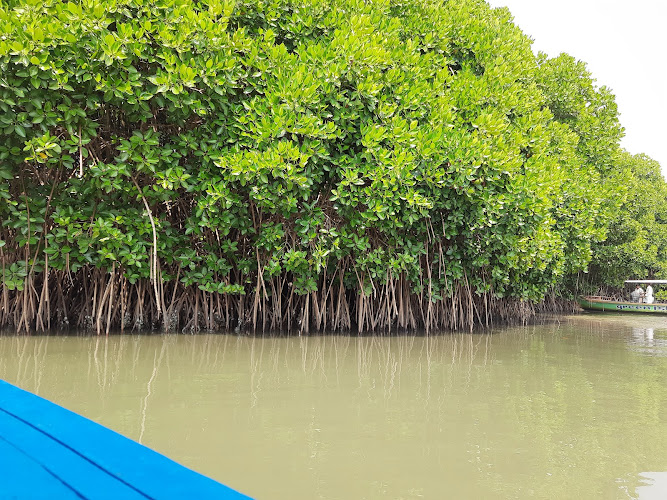
The mangrove forests here deserve special mention because they’re not just pretty to look at – they’re the backbone of the entire ecosystem. These salt-tolerant trees with their distinctive root systems create breeding grounds for fish, shelter for crabs, and feeding areas for wading birds. The entire food chain here depends on these mangroves, which also happen to protect the coastline from erosion. Pretty smart system nature’s got going there.
Key Features
- Over 100 species of native birds and around 60 species of migratory birds documented in the sanctuary, including rare varieties like the whimbrel, seagull, brahminy kite, and sandpiper
- Extensive mangrove ecosystem spanning the river delta with walking paths that let you get surprisingly close to the wildlife without disturbing them
- Observation tower positioned strategically to give you panoramic views of the sanctuary – bring binoculars because you’ll want them
- Peak migration season transforms the sanctuary into an international bird convention, with species arriving from as far as Siberia and other parts of Central Asia
- Rich aquatic life including numerous fish species and crustaceans that you can spot in the shallow waters during low tide
- Wheelchair accessible entrance making it possible for visitors with mobility challenges to experience the sanctuary
- On-site facilities including restrooms and gender-neutral options, plus modern payment systems accepting cards and digital payments
- Boat rides available through the mangrove channels offering a completely different perspective of the ecosystem
- Educational signage throughout the sanctuary helping identify different species, though I’ll be honest – they could probably update some of these
- Family-friendly environment that’s genuinely suitable for kids, unlike some nature reserves that are too challenging for younger visitors
Best Time to Visit
Here’s the thing about timing your visit to Kadalundi – it really matters more than you might think. The sanctuary technically operates year-round, but your experience will vary dramatically depending on when you show up.
November through April represents the golden window for bird watching here. This is when migratory birds make their annual journey from colder climates to escape the harsh winters up north. The numbers are genuinely impressive during peak season – you might spot thousands of birds on a single visit. December and January are probably the absolute best months if you’re serious about seeing the greatest variety of species.
But here’s something most travel guides won’t tell you: the monsoon season from June to September has its own weird charm. Yes, there are fewer birds around, and yes, it rains. Sometimes a lot. But the landscape takes on this completely different character, and the mangroves look absolutely lush. The sanctuary is also significantly less crowded, which some people actually prefer. Just be prepared for wet conditions and bring appropriate gear.
Early mornings are ideal regardless of the season you visit. Birds are most active during the cooler hours just after sunrise, typically between 6:00 AM and 9:00 AM. The light is also better for photography during these hours if that’s your thing. Late afternoons around 4:00 PM onwards can also be productive, especially during winter months when the heat of the day starts subsiding.
Weekdays tend to be quieter than weekends, which matters if crowds diminish your nature experience. Indian holidays and school vacation periods can get particularly busy, so plan accordingly if you prefer a more peaceful visit.
One practical tip – check the tide timings before you visit. Low tide exposes mudflats where wading birds congregate to feed, giving you excellent viewing opportunities. High tide pushes birds to different areas of the sanctuary where they roost and rest.
How to Get There
The sanctuary sits in the Kozhikode district of Kerala, roughly 19 kilometers from Kozhikode city (also known as Calicut). Getting there isn’t particularly complicated, though you’ve got several options depending on your travel style and budget.
If you’re flying into Kerala, Calicut International Airport is your nearest option, located about 25 kilometers from the sanctuary. From the airport, you can hire a taxi or use app-based cab services, which should take around 45 minutes depending on traffic. The drive itself is pretty straightforward along NH66.
The Kadalundi railway station literally sits adjacent to the sanctuary – like, you can practically see it from the platform. This makes train travel an incredibly convenient option if you’re already traveling through Kerala by rail. Trains running along the Kerala coast stop here, connecting you to major cities like Kozhikode, Thrissur, and even Mangalore further north. From the station, it’s just a short walk to the sanctuary entrance.
Road access is probably what most travelers will use, especially if you’re exploring Kerala more broadly. State-run KSRTC buses connect Kadalundi with Kozhikode and other nearby towns quite regularly. Private buses also ply this route. If you’re driving yourself or hiring a car, NH66 (the old NH17) passes right through the area, making navigation simple enough that you probably won’t need GPS once you’re close.
For the more adventurous types, some local tour operators in Kozhikode organize day trips to the sanctuary, often combining it with other nearby attractions. This can be worth it if you want someone else handling logistics and providing expert commentary about the birds and ecosystem.
Auto-rickshaws from nearby towns are another option, though you’ll want to negotiate the fare beforehand or insist on using the meter. Local transport is generally affordable in this part of Kerala.
Tips for Visiting
Bring binoculars – this isn’t optional if you actually want to see the birds properly. While some species come reasonably close, many of the interesting ones maintain their distance, as they should. A good pair of binoculars transforms the experience from “I think that’s a bird over there” to actually appreciating the details.
Wear comfortable walking shoes with good grip because the paths can get muddy, especially if there’s been recent rain. Flip-flops might seem tempting in Kerala’s heat, but you’ll regret that decision when you’re trying to navigate uneven terrain.
Dress in muted colors – browns, greens, grays. Bright clothing can startle birds and reduce your chances of close encounters. And yes, I know you want to look good in your photos, but maybe prioritize the actual bird watching over the Instagram aesthetic here.
Pack water and light snacks because facilities within the sanctuary are limited. There are small shops near the entrance, but don’t count on finding much once you’re inside. Staying hydrated in Kerala’s humidity is non-negotiable.
Sunscreen and insect repellent are your friends. The sun reflects off the water making sunburn more likely than you’d expect, and mosquitoes absolutely thrive in mangrove environments. Learn from my mistakes on this one.
Maintain silence or at least keep conversation to hushed tones while bird watching. Loud noises send birds flying off, ruining the experience for everyone including yourself.
Photography enthusiasts should bring appropriate equipment – a telephoto lens makes a huge difference for bird photography. But please, turn off camera sounds and flash. Nothing announces “amateur photographer” quite like flash photography of wildlife in daylight.
Respect the sanctuary rules about staying on designated paths. The temptation to wander off for a better view or photograph can be strong, but these rules exist to protect the ecosystem and, frankly, to keep you safe. Those mudflats can be deceptively dangerous.
Hire a local guide if you’re serious about understanding what you’re seeing. The difference between wandering around looking at random birds and actually learning about their behaviors, migration patterns, and ecological significance is substantial. Guides aren’t expensive and they genuinely enhance the experience.
Plan for at least 2-3 hours if you want to properly explore the sanctuary. Rushing through defeats the entire purpose – bird watching requires patience and time.
Check weather conditions before heading out, particularly during monsoon season. Heavy rains can make visits uncomfortable and sometimes unsafe, especially if you’re planning boat rides through the mangroves.
Bring cash for entrance fees and guide services, though digital payments are increasingly accepted. Better safe than sorry though.
And finally – leave nothing but footprints. The sanctuary’s beauty depends on visitors respecting the environment. Carry out any trash you bring in, don’t disturb wildlife, and treat this fragile ecosystem with the respect it deserves. Future visitors and the birds themselves will thank you for it.
Key Highlights
- Over 100 species of native birds and around 60 species of migratory birds documented in the sanctuary, including rare varieties like the whimbrel, seagull, brahminy kite, and sandpiper
- Extensive mangrove ecosystem spanning the river delta with walking paths that let you get surprisingly close to the wildlife without disturbing them
- Observation tower positioned strategically to give you panoramic views of the sanctuary – bring binoculars because you'll want them
- Peak migration season transforms the sanctuary into an international bird convention, with species arriving from as far as Siberia and other parts of Central Asia
- Rich aquatic life including numerous fish species and crustaceans that you can spot in the shallow waters during low tide
- Wheelchair accessible entrance making it possible for visitors with mobility challenges to experience the sanctuary
- On-site facilities including restrooms and gender-neutral options, plus modern payment systems accepting cards and digital payments
- Boat rides available through the mangrove channels offering a completely different perspective of the ecosystem
Location
Places to Stay Near Kadalundi Bird Sanctuary
Find and Book a Tour
Explore More Travel Guides
No reviews found! Be the first to review!
Traveler Reviews for Kadalundi Bird Sanctuary
There are no reviews yet. Be the first one to write one.
Have you visited Kadalundi Bird Sanctuary? Help other travelers by sharing your review.
Find Accommodations Nearby
Recommended Tours & Activities
Visitor Reviews
There are no reviews yet. Be the first one to write one.
Share Your Experience
Have you visited Kadalundi Bird Sanctuary? Help other travelers by leaving a review.
