
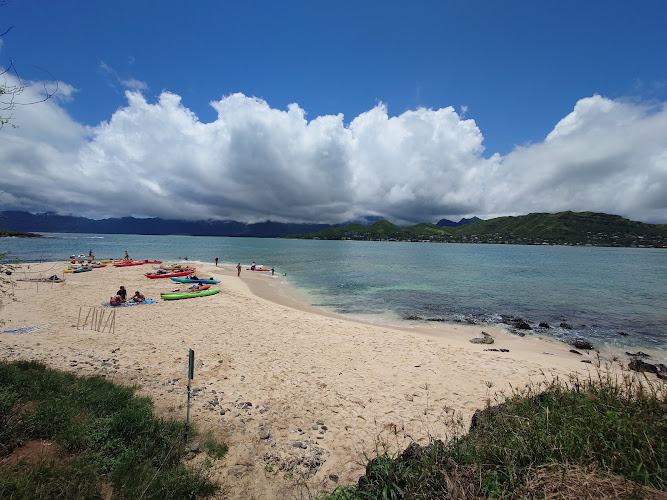
Mokulua Islets Seabird Sanctuary
About Mokulua Islets Seabird Sanctuary
Description
The Mokulua Islets Seabird Sanctuary represents one of Hawaii's most remarkable natural treasures, though many visitors to Oahu never quite make it out to this protected marine environment. These two small islands—Moku Nui and Moku Iki—rise from the turquoise waters off Lanikai Beach like ancient sentinels guarding secrets that only the birds and the ocean know. And honestly, that's part of what makes this place so special. When I first heard about the Mokulua Islets, I'll admit I thought they were just pretty backdrops for Instagram photos. Boy, was I wrong. These volcanic remnants serve as critical nesting grounds for dozens of seabird species, and they're part of Hawaii's State Seabird Sanctuary system. The smaller islet, Moku Iki, remains completely off-limits to visitors, while Moku Nui allows limited access to one beach area—and even that comes with strict guidelines to protect the feathered residents who were here long before any of us. The journey to reach these islands typically involves kayaking across the channel from Lanikai Beach, which is roughly a mile of paddling through open ocean. This isn't your casual afternoon paddle in a calm lake. The waters between the mainland and the Mokuluas can get surprisingly challenging, with currents, waves, and wind that demand respect and decent physical fitness. But the reward for that effort? You'll find yourself in an environment that feels worlds away from the bustling tourist areas just a few miles down the coast. What strikes most visitors immediately is the sheer number of seabirds. Wedge-tailed Shearwaters, Red-footed Boobies, Brown Boobies, and various tern species call these islands home. The cacophony of bird calls, the sight of birds diving for fish, and the occasional glimpse of a bird returning to its burrow create an atmosphere that's equal parts peaceful and wild. This is nature doing its thing without much human interference, which has become increasingly rare in our modern world.Key Features
- Protected habitat for endangered and native Hawaiian seabirds including Wedge-tailed Shearwaters, Red-footed Boobies, Brown Boobies, and multiple tern species
- Stunning volcanic rock formations that provide nesting sites and shelter for bird colonies
- Crystal-clear waters surrounding the islands perfect for snorkeling with sea turtles, tropical fish, and occasional dolphin sightings
- Limited beach access on Moku Nui providing a secluded spot for rest between kayaking and snorkeling
- Dramatic coastal scenery offering panoramic views back toward Lanikai and the windward coast
- Protected marine environment as part of Hawaii's State Seabird Sanctuary system ensuring minimal development and human impact
- Underground bird burrows visible in sandy areas where Shearwaters nest and raise their young
- Tide pools along rocky shores teeming with small marine life during lower tide periods
- Opportunity to witness natural predator-prey dynamics as birds hunt fish in the surrounding waters
- Unique geological features showing evidence of Hawaii's volcanic origins and erosion patterns
Best Time to Visit
Timing your visit to the Mokulua Islets requires considering both ocean conditions and bird activity, and frankly, these don't always align perfectly. But that's nature for you—she doesn't consult our vacation schedules. The summer months from May through September generally offer the calmest ocean conditions, making the kayak journey more manageable for average paddlers. Trade winds tend to be lighter during these months, and the surf along the windward coast typically mellows out compared to winter swells. However, even summer days can surprise you with choppy conditions, especially in the afternoons when winds pick up. Early morning launches—we're talking 7 or 8 AM—give you the best chance of glassy water and easier paddling. For bird enthusiasts, the nesting season brings the most activity. Wedge-tailed Shearwaters return to their burrows from April through November, with peak nesting activity in summer months. You'll hear their haunting calls echoing across the islands, especially during early morning and evening hours. Red-footed Boobies nest year-round, so you've got decent chances of seeing them regardless of when you visit. Winter months from November through March present more challenging conditions. The North Pacific sends substantial swells toward Hawaii's windward shores, and the channel crossing can become genuinely dangerous. Strong trade winds compound the difficulty. Unless you're an experienced ocean kayaker, winter visits probably aren't worth the risk. And I mean that seriously—every year, the Coast Guard rescues people who underestimated these conditions. Weekdays offer a noticeably less crowded experience compared to weekends, when locals and tourists alike flock to Lanikai Beach and the surrounding waters. If you can swing a Tuesday or Wednesday visit, you'll share the space with far fewer people, which enhances both the paddling experience and the sense of isolation once you reach the islands.How to Get There
Getting to the Mokulua Islets requires some planning since there's no ferry service or tour boat dropping you off at the doorstep. The primary access method involves launching a kayak from Lanikai Beach and paddling approximately one mile across open ocean to Moku Nui. First, you'll need to arrange kayak transportation. Several rental companies in Kailua offer single and double kayaks specifically for the Mokulua adventure. Some provide delivery service right to Lanikai Beach, which saves you the hassle of trying to transport a 12-foot kayak on top of your rental car. Make advance reservations, especially during peak tourist seasons—showing up hoping to rent a kayak on the spot often leads to disappointment. Finding parking near Lanikai Beach presents its own challenge. The residential neighborhood has extremely limited public parking, and residents understandably get frustrated with tourists clogging their streets. Your best bet is arriving very early or using the public beach access points with small parking areas. Some visitors park in Kailua and walk or bike to Lanikai, which adds time but reduces parking stress. The paddle itself demands attention and energy. You're crossing open ocean, not a protected bay. Watch for other kayakers, outrigger canoe groups, and the occasional standup paddleboarder. Keep your group together and maintain awareness of changing conditions. The current can push you off course if you're not paying attention, and what looks like a straight shot to the islands can turn into a diagonal slog against wind and current. Upon reaching Moku Nui, land only at the designated beach on the northwest side. Other areas remain off-limits to protect nesting birds. Moku Iki, the smaller island, is completely closed to visitors—no exceptions. Respect these boundaries. The birds need undisturbed space to successfully raise their young, and violations can result in significant fines.Tips for Visiting
Visiting the Mokulua Islets isn't like strolling through a city park. This experience requires preparation, respect for the environment, and realistic assessment of your abilities. Here's what you need to know. Physical fitness matters more than most people realize. That mile-long paddle can take anywhere from 30 minutes to over an hour depending on conditions and your paddling skills. You'll be working against wind, dealing with waves, and using muscles you probably don't use regularly. If you're not reasonably fit or haven't kayaked before, consider whether this adventure matches your abilities. There's no shame in choosing a different activity if this one exceeds your comfort level. Check ocean conditions before you go. Multiple websites and apps provide wind forecasts, wave heights, and tide information for the windward coast. Pay attention to these. A wind forecast showing 15-20 mph trade winds means you're in for a workout. Wave heights above 3-4 feet suggest reconsidering your plans. And personally, I wouldn't attempt this paddle if conditions looked even marginally questionable—the ocean always wins those arguments. Bring more water than you think you'll need. Dehydration sneaks up on you when you're focused on paddling and surrounded by salt water. Pack snacks with decent calories and electrolytes. The combination of physical exertion, sun exposure, and time on the water drains energy faster than you'd expect. Sun protection deserves serious attention. We're talking Hawaii sun reflecting off water while you're sitting in a kayak with zero shade. Waterproof sunscreen rated SPF 50 or higher isn't overkill—it's necessary. Reapply frequently. Wear a hat, sunglasses with a retention strap, and consider long-sleeve sun shirts. Sunburns ruin vacations quickly. Dogs are technically allowed on Moku Nui, but think carefully before bringing your pet. The kayak journey presents obvious challenges for animals, and the island terrain includes sharp volcanic rock, nesting burrows that shouldn't be disturbed, and limited shade. Unless your dog is exceptionally well-trained, comfortable in kayaks, and accustomed to challenging outdoor environments, they're probably better off staying behind. Respect the sanctuary boundaries absolutely. Stay on the beach and immediate rocky shore areas where landing is permitted. Don't approach bird burrows, chase birds for photos, or venture into restricted zones. These regulations exist because human activity impacts nesting success. Every person who ignores the rules contributes to potential population declines for species that are already struggling. Pack out everything you pack in. This should go without saying, but trash left on the islands harms wildlife directly. Birds mistake plastic for food, entangle themselves in debris, and suffer when humans treat natural areas like garbage dumps. Leave no trace principles apply completely here. Snorkeling around the islands offers fantastic marine life viewing, but stay aware of your position relative to rocks and currents. The water clarity makes distance deception easy—that rock formation looks closer than it actually is. Waves pushing you toward sharp lava rock can cause serious injuries. Maintain awareness and give yourself plenty of buffer space. Consider taking tickets or reserving your kayak rental in advance. Popular rental companies book up quickly during high season, and showing up without reservations often means missing out entirely. A little advance planning prevents disappointment. Finally, have a backup plan. Ocean conditions change, personal energy levels vary, and sometimes things just don't work out. If you arrive at Lanikai and the water looks intimidating, there's no requirement to push forward. Lanikai Beach itself is gorgeous, and plenty of other activities in the Kailua area don't involve potentially dangerous ocean crossings. The Mokuluas aren't going anywhere—they'll still be there next time you visit Hawaii. The Mokulua Islets Seabird Sanctuary represents something increasingly rare in our overcrowded world—a place where nature takes priority and humans are merely guests. The experience of paddling across open ocean to reach these protected islands stays with visitors long after they've returned home. Just approach the adventure with proper preparation, healthy respect for the ocean, and commitment to protecting the remarkable ecosystem you're privileged to visit.Key Features
- Protected habitat for endangered and native Hawaiian seabirds including Wedge-tailed Shearwaters, Red-footed Boobies, Brown Boobies, and multiple tern species
- Stunning volcanic rock formations that provide nesting sites and shelter for bird colonies
- Crystal-clear waters surrounding the islands perfect for snorkeling with sea turtles, tropical fish, and occasional dolphin sightings
- Limited beach access on Moku Nui providing a secluded spot for rest between kayaking and snorkeling
- Dramatic coastal scenery offering panoramic views back toward Lanikai and the windward coast
- Protected marine environment as part of Hawaii's State Seabird Sanctuary system ensuring minimal development and human impact
- Underground bird burrows visible in sandy areas where Shearwaters nest and raise their young
- Tide pools along rocky shores teeming with small marine life during lower tide periods
More Details
Updated January 18, 2026
Table of Contents
Description
The Mokulua Islets Seabird Sanctuary represents one of Hawaii’s most remarkable natural treasures, though many visitors to Oahu never quite make it out to this protected marine environment. These two small islands—Moku Nui and Moku Iki—rise from the turquoise waters off Lanikai Beach like ancient sentinels guarding secrets that only the birds and the ocean know. And honestly, that’s part of what makes this place so special.
When I first heard about the Mokulua Islets, I’ll admit I thought they were just pretty backdrops for Instagram photos. Boy, was I wrong. These volcanic remnants serve as critical nesting grounds for dozens of seabird species, and they’re part of Hawaii’s State Seabird Sanctuary system. The smaller islet, Moku Iki, remains completely off-limits to visitors, while Moku Nui allows limited access to one beach area—and even that comes with strict guidelines to protect the feathered residents who were here long before any of us.
The journey to reach these islands typically involves kayaking across the channel from Lanikai Beach, which is roughly a mile of paddling through open ocean. This isn’t your casual afternoon paddle in a calm lake. The waters between the mainland and the Mokuluas can get surprisingly challenging, with currents, waves, and wind that demand respect and decent physical fitness. But the reward for that effort? You’ll find yourself in an environment that feels worlds away from the bustling tourist areas just a few miles down the coast.
What strikes most visitors immediately is the sheer number of seabirds. Wedge-tailed Shearwaters, Red-footed Boobies, Brown Boobies, and various tern species call these islands home. The cacophony of bird calls, the sight of birds diving for fish, and the occasional glimpse of a bird returning to its burrow create an atmosphere that’s equal parts peaceful and wild. This is nature doing its thing without much human interference, which has become increasingly rare in our modern world.
Key Features
- Protected habitat for endangered and native Hawaiian seabirds including Wedge-tailed Shearwaters, Red-footed Boobies, Brown Boobies, and multiple tern species
- Stunning volcanic rock formations that provide nesting sites and shelter for bird colonies
- Crystal-clear waters surrounding the islands perfect for snorkeling with sea turtles, tropical fish, and occasional dolphin sightings
- Limited beach access on Moku Nui providing a secluded spot for rest between kayaking and snorkeling
- Dramatic coastal scenery offering panoramic views back toward Lanikai and the windward coast
- Protected marine environment as part of Hawaii’s State Seabird Sanctuary system ensuring minimal development and human impact
- Underground bird burrows visible in sandy areas where Shearwaters nest and raise their young
- Tide pools along rocky shores teeming with small marine life during lower tide periods
- Opportunity to witness natural predator-prey dynamics as birds hunt fish in the surrounding waters
- Unique geological features showing evidence of Hawaii’s volcanic origins and erosion patterns
Best Time to Visit
Timing your visit to the Mokulua Islets requires considering both ocean conditions and bird activity, and frankly, these don’t always align perfectly. But that’s nature for you—she doesn’t consult our vacation schedules.
The summer months from May through September generally offer the calmest ocean conditions, making the kayak journey more manageable for average paddlers. Trade winds tend to be lighter during these months, and the surf along the windward coast typically mellows out compared to winter swells. However, even summer days can surprise you with choppy conditions, especially in the afternoons when winds pick up. Early morning launches—we’re talking 7 or 8 AM—give you the best chance of glassy water and easier paddling.
For bird enthusiasts, the nesting season brings the most activity. Wedge-tailed Shearwaters return to their burrows from April through November, with peak nesting activity in summer months. You’ll hear their haunting calls echoing across the islands, especially during early morning and evening hours. Red-footed Boobies nest year-round, so you’ve got decent chances of seeing them regardless of when you visit.
Winter months from November through March present more challenging conditions. The North Pacific sends substantial swells toward Hawaii’s windward shores, and the channel crossing can become genuinely dangerous. Strong trade winds compound the difficulty. Unless you’re an experienced ocean kayaker, winter visits probably aren’t worth the risk. And I mean that seriously—every year, the Coast Guard rescues people who underestimated these conditions.
Weekdays offer a noticeably less crowded experience compared to weekends, when locals and tourists alike flock to Lanikai Beach and the surrounding waters. If you can swing a Tuesday or Wednesday visit, you’ll share the space with far fewer people, which enhances both the paddling experience and the sense of isolation once you reach the islands.
How to Get There
Getting to the Mokulua Islets requires some planning since there’s no ferry service or tour boat dropping you off at the doorstep. The primary access method involves launching a kayak from Lanikai Beach and paddling approximately one mile across open ocean to Moku Nui.
First, you’ll need to arrange kayak transportation. Several rental companies in Kailua offer single and double kayaks specifically for the Mokulua adventure. Some provide delivery service right to Lanikai Beach, which saves you the hassle of trying to transport a 12-foot kayak on top of your rental car. Make advance reservations, especially during peak tourist seasons—showing up hoping to rent a kayak on the spot often leads to disappointment.
Finding parking near Lanikai Beach presents its own challenge. The residential neighborhood has extremely limited public parking, and residents understandably get frustrated with tourists clogging their streets. Your best bet is arriving very early or using the public beach access points with small parking areas. Some visitors park in Kailua and walk or bike to Lanikai, which adds time but reduces parking stress.
The paddle itself demands attention and energy. You’re crossing open ocean, not a protected bay. Watch for other kayakers, outrigger canoe groups, and the occasional standup paddleboarder. Keep your group together and maintain awareness of changing conditions. The current can push you off course if you’re not paying attention, and what looks like a straight shot to the islands can turn into a diagonal slog against wind and current.
Upon reaching Moku Nui, land only at the designated beach on the northwest side. Other areas remain off-limits to protect nesting birds. Moku Iki, the smaller island, is completely closed to visitors—no exceptions. Respect these boundaries. The birds need undisturbed space to successfully raise their young, and violations can result in significant fines.
Tips for Visiting
Visiting the Mokulua Islets isn’t like strolling through a city park. This experience requires preparation, respect for the environment, and realistic assessment of your abilities. Here’s what you need to know.
Physical fitness matters more than most people realize. That mile-long paddle can take anywhere from 30 minutes to over an hour depending on conditions and your paddling skills. You’ll be working against wind, dealing with waves, and using muscles you probably don’t use regularly. If you’re not reasonably fit or haven’t kayaked before, consider whether this adventure matches your abilities. There’s no shame in choosing a different activity if this one exceeds your comfort level.
Check ocean conditions before you go. Multiple websites and apps provide wind forecasts, wave heights, and tide information for the windward coast. Pay attention to these. A wind forecast showing 15-20 mph trade winds means you’re in for a workout. Wave heights above 3-4 feet suggest reconsidering your plans. And personally, I wouldn’t attempt this paddle if conditions looked even marginally questionable—the ocean always wins those arguments.
Bring more water than you think you’ll need. Dehydration sneaks up on you when you’re focused on paddling and surrounded by salt water. Pack snacks with decent calories and electrolytes. The combination of physical exertion, sun exposure, and time on the water drains energy faster than you’d expect.
Sun protection deserves serious attention. We’re talking Hawaii sun reflecting off water while you’re sitting in a kayak with zero shade. Waterproof sunscreen rated SPF 50 or higher isn’t overkill—it’s necessary. Reapply frequently. Wear a hat, sunglasses with a retention strap, and consider long-sleeve sun shirts. Sunburns ruin vacations quickly.
Dogs are technically allowed on Moku Nui, but think carefully before bringing your pet. The kayak journey presents obvious challenges for animals, and the island terrain includes sharp volcanic rock, nesting burrows that shouldn’t be disturbed, and limited shade. Unless your dog is exceptionally well-trained, comfortable in kayaks, and accustomed to challenging outdoor environments, they’re probably better off staying behind.
Respect the sanctuary boundaries absolutely. Stay on the beach and immediate rocky shore areas where landing is permitted. Don’t approach bird burrows, chase birds for photos, or venture into restricted zones. These regulations exist because human activity impacts nesting success. Every person who ignores the rules contributes to potential population declines for species that are already struggling.
Pack out everything you pack in. This should go without saying, but trash left on the islands harms wildlife directly. Birds mistake plastic for food, entangle themselves in debris, and suffer when humans treat natural areas like garbage dumps. Leave no trace principles apply completely here.
Snorkeling around the islands offers fantastic marine life viewing, but stay aware of your position relative to rocks and currents. The water clarity makes distance deception easy—that rock formation looks closer than it actually is. Waves pushing you toward sharp lava rock can cause serious injuries. Maintain awareness and give yourself plenty of buffer space.
Consider taking tickets or reserving your kayak rental in advance. Popular rental companies book up quickly during high season, and showing up without reservations often means missing out entirely. A little advance planning prevents disappointment.
Finally, have a backup plan. Ocean conditions change, personal energy levels vary, and sometimes things just don’t work out. If you arrive at Lanikai and the water looks intimidating, there’s no requirement to push forward. Lanikai Beach itself is gorgeous, and plenty of other activities in the Kailua area don’t involve potentially dangerous ocean crossings. The Mokuluas aren’t going anywhere—they’ll still be there next time you visit Hawaii.
The Mokulua Islets Seabird Sanctuary represents something increasingly rare in our overcrowded world—a place where nature takes priority and humans are merely guests. The experience of paddling across open ocean to reach these protected islands stays with visitors long after they’ve returned home. Just approach the adventure with proper preparation, healthy respect for the ocean, and commitment to protecting the remarkable ecosystem you’re privileged to visit.
Key Highlights
- Protected habitat for endangered and native Hawaiian seabirds including Wedge-tailed Shearwaters, Red-footed Boobies, Brown Boobies, and multiple tern species
- Stunning volcanic rock formations that provide nesting sites and shelter for bird colonies
- Crystal-clear waters surrounding the islands perfect for snorkeling with sea turtles, tropical fish, and occasional dolphin sightings
- Limited beach access on Moku Nui providing a secluded spot for rest between kayaking and snorkeling
- Dramatic coastal scenery offering panoramic views back toward Lanikai and the windward coast
- Protected marine environment as part of Hawaii's State Seabird Sanctuary system ensuring minimal development and human impact
- Underground bird burrows visible in sandy areas where Shearwaters nest and raise their young
- Tide pools along rocky shores teeming with small marine life during lower tide periods
Location
Places to Stay Near Mokulua Islets Seabird Sanctuary
Find and Book a Tour
Explore More Travel Guides
No reviews found! Be the first to review!
Traveler Reviews for Mokulua Islets Seabird Sanctuary
There are no reviews yet. Be the first one to write one.
Have you visited Mokulua Islets Seabird Sanctuary? Help other travelers by sharing your review.
You Might Also Like
Kaelepulu Park
170 Hamakua Dr
Pali Notches
Find Accommodations Nearby
Recommended Tours & Activities
Visitor Reviews
There are no reviews yet. Be the first one to write one.
Share Your Experience
Have you visited Mokulua Islets Seabird Sanctuary? Help other travelers by leaving a review.