Radhanagari Wildlife Sanctuary
About Radhanagari Wildlife Sanctuary
Description
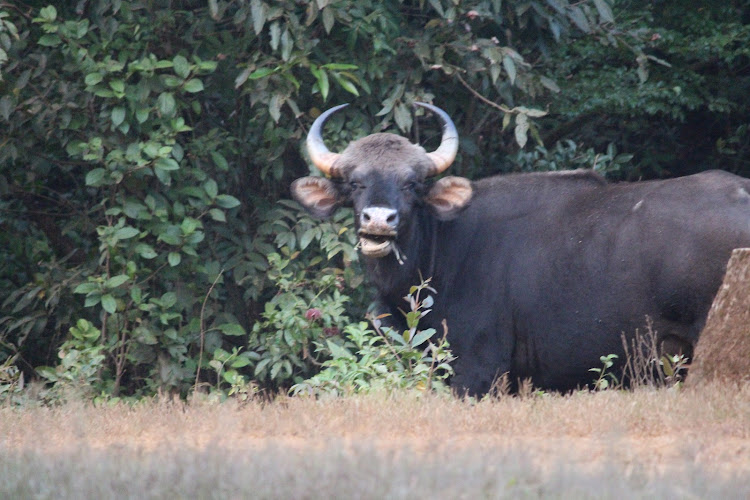
Radhanagari Wildlife Sanctuary is one of those places that quietly sneaks into your heart and stays there. Located in the lush folds of the Western Ghats, this sanctuary feels like stepping into a living, breathing postcard—except the air smells of rain-soaked earth, and the soundtrack is a mix of rustling leaves and distant bird calls. It’s not just a forest; it’s an entire ecosystem humming with life. You’ll find leopards lurking in the shadows, sloth bears ambling through the undergrowth, deer darting across the grasslands, and over 260 species of birds filling the skies. Honestly, if you’ve ever longed to see nature in its raw, unfiltered form, this is the place to do it.
What makes Radhanagari special isn’t just its wildlife. It’s the way everything seems to coexist in perfect rhythm—the dense evergreen forests, the clear streams, the occasional waterfall that tumbles down like a secret revealed. And right at its center lies the Radhanagari Dam, a serene expanse of water that mirrors the surrounding hills. The dam doesn’t just look pretty; it plays a vital role in maintaining the sanctuary’s delicate ecological balance. I remember standing by the dam one early morning, coffee in hand, watching the mist rise off the water. It felt like time had slowed down just for that moment.
For travelers who love a bit of adventure mixed with tranquility, this sanctuary is a dream. There are trails for hiking, spots perfect for picnicking, and viewpoints that make you forget to check your phone. And yes, it’s surprisingly accessible—wheelchair-friendly entrances, assistive hearing loops, and even cycling lanes make it welcoming to just about everyone. Families with kids will find it especially delightful, thanks to the playgrounds, swings, and gentle kid-friendly hikes that keep little explorers engaged.
Of course, not everything is flawless. Some visitors find the facilities a bit basic, and the restrooms could use an upgrade. But honestly, that’s part of the charm. You’re here for the wilderness, not Wi-Fi. The sanctuary’s simplicity is what keeps it authentic, and that’s something you can’t fake. It’s the kind of place where you might get a little muddy, a little sweaty, and a lot happier.
Key Features
- Home to a variety of wildlife including leopards, sloth bears, bison, sambar, and over 260 bird species.
- Features the scenic Radhanagari Dam that supports the sanctuary’s ecosystem.
- Offers hiking trails through dense forest, waterfalls, and panoramic viewpoints.
- Facilities include picnic tables, cycling lanes, gender-neutral restrooms, and public restrooms.
- Wheelchair accessible entrance and parking, with assistive hearing loops available.
- Kid-friendly amenities such as playgrounds, slides, and swings.
- Eco-conscious and LGBTQ+ friendly environment.
- Accepts credit cards and NFC mobile payments for convenience.
What really stands out is how the sanctuary balances conservation with accessibility. You can go from watching a herd of deer grazing quietly to enjoying a picnic under a massive banyan tree in minutes. I once met a local guide who told me that the best way to experience Radhanagari is to “walk slowly and listen.” He was right—if you rush, you’ll miss the magic. The forest rewards patience with glimpses of rare birds, flashes of color, and the occasional call of a langur echoing through the valley.
Best Time to Visit
If you ask me, the best time to visit Radhanagari Wildlife Sanctuary is between October and May. The monsoon rains have usually washed the forest clean by then, leaving behind a carpet of green that looks almost unreal. The climate is comfortable, the trails are open, and the wildlife is more active. During the early mornings and late evenings, you might even catch sight of elephants or a leopard near the water bodies—though spotting them requires a bit of luck and a lot of patience.
Monsoon season, from June to September, transforms the sanctuary into a misty wonderland, but it also makes some areas tricky to access. If you’re the adventurous type who doesn’t mind getting drenched, the waterfalls are spectacular during this time. But for most travelers, the post-monsoon months offer the perfect balance between comfort and adventure. The skies are clear, the birds are plentiful, and the forest hums with life.
How to Get There
Reaching Radhanagari Wildlife Sanctuary is fairly straightforward. The nearest major city is Kolhapur, which is well-connected by road, rail, and air. From Kolhapur, it’s roughly a 55-kilometer drive—about an hour and a half depending on traffic and how often you stop to admire the scenery (and trust me, you’ll want to stop). The roads wind through charming little villages, sugarcane fields, and stretches of forest that give you a preview of what’s to come.
If you’re coming by train, Kolhapur Railway Station is the most convenient stop. From there, taxis and local buses are available to take you directly to the sanctuary. For those flying in, the Kolhapur Airport is the closest, though Pune’s airport offers more frequent flights and is about a five-hour drive away. Driving yourself can be a joy if you love road trips—the route is scenic, dotted with roadside eateries serving hot chai and spicy bhajiyas. It’s the kind of journey where getting there feels like half the fun.
Tips for Visiting
Here’s the thing about Radhanagari Wildlife Sanctuary—it rewards those who come prepared. So before you pack your bags, here are a few tips I’ve picked up from my own visits and chats with locals:
- Start early: Wildlife sightings are best during dawn and dusk when animals are most active. Plus, the morning mist adds a magical touch to your photos.
- Dress comfortably: Light, breathable clothing and good walking shoes are a must. Avoid bright colors; earthy tones help you blend into the surroundings.
- Carry essentials: Bring water, snacks, insect repellent, and a small first-aid kit. The sanctuary is vast, and amenities aren’t available everywhere.
- Respect the wildlife: Keep a safe distance from animals and avoid feeding them. Remember, you’re a guest in their home.
- Stay eco-friendly: Carry your trash back with you. The sanctuary’s beauty depends on everyone doing their part.
- Hire a local guide: They know the forest like the back of their hand and can point out species and stories you’d otherwise miss.
- Keep your expectations real: This isn’t a zoo. You might not see every animal you hope to—but that unpredictability is part of the adventure.
One of my favorite memories from Radhanagari was sitting quietly under a tree, watching a family of langurs leap from branch to branch. No camera could capture that moment the way it felt—the stillness, the sense of being part of something ancient and untamed. That’s what this sanctuary offers: not just sights, but feelings. The kind that linger long after you’ve left.
So whether you’re a wildlife enthusiast, a photographer chasing the perfect shot, or just someone craving a break from city chaos, Radhanagari Wildlife Sanctuary is worth the trip. It’s not just about seeing nature—it’s about feeling it, breathing it, and maybe even rediscovering a quieter part of yourself along the way.
Key Features
- Home to a variety of wildlife including leopards, sloth bears, bison, sambar, and over 260 bird species.
- Features the scenic Radhanagari Dam that supports the sanctuary’s ecosystem.
- Offers hiking trails through dense forest, waterfalls, and panoramic viewpoints.
- Facilities include picnic tables, cycling lanes, gender-neutral restrooms, and public restrooms.
- Wheelchair accessible entrance and parking, with assistive hearing loops available.
- Kid-friendly amenities such as playgrounds, slides, and swings.
- Eco-conscious and LGBTQ+ friendly environment.
- Accepts credit cards and NFC mobile payments for convenience.
More Details
Updated November 7, 2025
Table of Contents
Description
Radhanagari Wildlife Sanctuary is one of those places that quietly sneaks into your heart and stays there. Located in the lush folds of the Western Ghats, this sanctuary feels like stepping into a living, breathing postcard—except the air smells of rain-soaked earth, and the soundtrack is a mix of rustling leaves and distant bird calls. It’s not just a forest; it’s an entire ecosystem humming with life. You’ll find leopards lurking in the shadows, sloth bears ambling through the undergrowth, deer darting across the grasslands, and over 260 species of birds filling the skies. Honestly, if you’ve ever longed to see nature in its raw, unfiltered form, this is the place to do it.
What makes Radhanagari special isn’t just its wildlife. It’s the way everything seems to coexist in perfect rhythm—the dense evergreen forests, the clear streams, the occasional waterfall that tumbles down like a secret revealed. And right at its center lies the Radhanagari Dam, a serene expanse of water that mirrors the surrounding hills. The dam doesn’t just look pretty; it plays a vital role in maintaining the sanctuary’s delicate ecological balance. I remember standing by the dam one early morning, coffee in hand, watching the mist rise off the water. It felt like time had slowed down just for that moment.
For travelers who love a bit of adventure mixed with tranquility, this sanctuary is a dream. There are trails for hiking, spots perfect for picnicking, and viewpoints that make you forget to check your phone. And yes, it’s surprisingly accessible—wheelchair-friendly entrances, assistive hearing loops, and even cycling lanes make it welcoming to just about everyone. Families with kids will find it especially delightful, thanks to the playgrounds, swings, and gentle kid-friendly hikes that keep little explorers engaged.
Of course, not everything is flawless. Some visitors find the facilities a bit basic, and the restrooms could use an upgrade. But honestly, that’s part of the charm. You’re here for the wilderness, not Wi-Fi. The sanctuary’s simplicity is what keeps it authentic, and that’s something you can’t fake. It’s the kind of place where you might get a little muddy, a little sweaty, and a lot happier.
Key Features
- Home to a variety of wildlife including leopards, sloth bears, bison, sambar, and over 260 bird species.
- Features the scenic Radhanagari Dam that supports the sanctuary’s ecosystem.
- Offers hiking trails through dense forest, waterfalls, and panoramic viewpoints.
- Facilities include picnic tables, cycling lanes, gender-neutral restrooms, and public restrooms.
- Wheelchair accessible entrance and parking, with assistive hearing loops available.
- Kid-friendly amenities such as playgrounds, slides, and swings.
- Eco-conscious and LGBTQ+ friendly environment.
- Accepts credit cards and NFC mobile payments for convenience.
What really stands out is how the sanctuary balances conservation with accessibility. You can go from watching a herd of deer grazing quietly to enjoying a picnic under a massive banyan tree in minutes. I once met a local guide who told me that the best way to experience Radhanagari is to “walk slowly and listen.” He was right—if you rush, you’ll miss the magic. The forest rewards patience with glimpses of rare birds, flashes of color, and the occasional call of a langur echoing through the valley.
Best Time to Visit
If you ask me, the best time to visit Radhanagari Wildlife Sanctuary is between October and May. The monsoon rains have usually washed the forest clean by then, leaving behind a carpet of green that looks almost unreal. The climate is comfortable, the trails are open, and the wildlife is more active. During the early mornings and late evenings, you might even catch sight of elephants or a leopard near the water bodies—though spotting them requires a bit of luck and a lot of patience.
Monsoon season, from June to September, transforms the sanctuary into a misty wonderland, but it also makes some areas tricky to access. If you’re the adventurous type who doesn’t mind getting drenched, the waterfalls are spectacular during this time. But for most travelers, the post-monsoon months offer the perfect balance between comfort and adventure. The skies are clear, the birds are plentiful, and the forest hums with life.
How to Get There
Reaching Radhanagari Wildlife Sanctuary is fairly straightforward. The nearest major city is Kolhapur, which is well-connected by road, rail, and air. From Kolhapur, it’s roughly a 55-kilometer drive—about an hour and a half depending on traffic and how often you stop to admire the scenery (and trust me, you’ll want to stop). The roads wind through charming little villages, sugarcane fields, and stretches of forest that give you a preview of what’s to come.
If you’re coming by train, Kolhapur Railway Station is the most convenient stop. From there, taxis and local buses are available to take you directly to the sanctuary. For those flying in, the Kolhapur Airport is the closest, though Pune’s airport offers more frequent flights and is about a five-hour drive away. Driving yourself can be a joy if you love road trips—the route is scenic, dotted with roadside eateries serving hot chai and spicy bhajiyas. It’s the kind of journey where getting there feels like half the fun.
Tips for Visiting
Here’s the thing about Radhanagari Wildlife Sanctuary—it rewards those who come prepared. So before you pack your bags, here are a few tips I’ve picked up from my own visits and chats with locals:
- Start early: Wildlife sightings are best during dawn and dusk when animals are most active. Plus, the morning mist adds a magical touch to your photos.
- Dress comfortably: Light, breathable clothing and good walking shoes are a must. Avoid bright colors; earthy tones help you blend into the surroundings.
- Carry essentials: Bring water, snacks, insect repellent, and a small first-aid kit. The sanctuary is vast, and amenities aren’t available everywhere.
- Respect the wildlife: Keep a safe distance from animals and avoid feeding them. Remember, you’re a guest in their home.
- Stay eco-friendly: Carry your trash back with you. The sanctuary’s beauty depends on everyone doing their part.
- Hire a local guide: They know the forest like the back of their hand and can point out species and stories you’d otherwise miss.
- Keep your expectations real: This isn’t a zoo. You might not see every animal you hope to—but that unpredictability is part of the adventure.
One of my favorite memories from Radhanagari was sitting quietly under a tree, watching a family of langurs leap from branch to branch. No camera could capture that moment the way it felt—the stillness, the sense of being part of something ancient and untamed. That’s what this sanctuary offers: not just sights, but feelings. The kind that linger long after you’ve left.
So whether you’re a wildlife enthusiast, a photographer chasing the perfect shot, or just someone craving a break from city chaos, Radhanagari Wildlife Sanctuary is worth the trip. It’s not just about seeing nature—it’s about feeling it, breathing it, and maybe even rediscovering a quieter part of yourself along the way.

Key Highlights
- Home to a variety of wildlife including leopards, sloth bears, bison, sambar, and over 260 bird species.
- Features the scenic Radhanagari Dam that supports the sanctuary’s ecosystem.
- Offers hiking trails through dense forest, waterfalls, and panoramic viewpoints.
- Facilities include picnic tables, cycling lanes, gender-neutral restrooms, and public restrooms.
- Wheelchair accessible entrance and parking, with assistive hearing loops available.
- Kid-friendly amenities such as playgrounds, slides, and swings.
- Eco-conscious and LGBTQ+ friendly environment.
- Accepts credit cards and NFC mobile payments for convenience.
Location
Places to Stay Near Radhanagari Wildlife Sanctuary
Find and Book a Tour
Explore More Travel Guides
No reviews found! Be the first to review!
Traveler Reviews for Radhanagari Wildlife Sanctuary
There are no reviews yet. Be the first one to write one.
Have you visited Radhanagari Wildlife Sanctuary? Help other travelers by sharing your review.
Find Accommodations Nearby
Recommended Tours & Activities
Visitor Reviews
There are no reviews yet. Be the first one to write one.
Share Your Experience
Have you visited Radhanagari Wildlife Sanctuary? Help other travelers by leaving a review.