
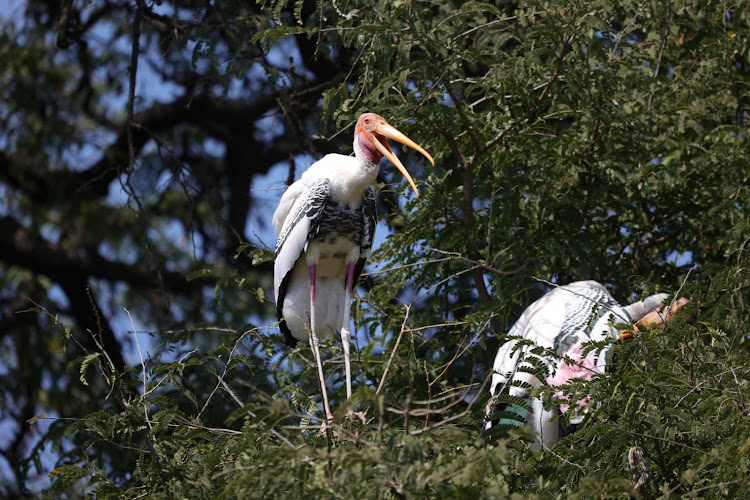
Kaggaladu Bird Sanctuary
About Kaggaladu Bird Sanctuary
Description
Kaggaladu Bird Sanctuary offers one of those rare experiences where nature still does its thing without too much human interference. Located in the Haveri district of Karnataka, this seasonal wetland transforms into an absolute paradise for bird enthusiasts during the monsoon months. I've always found it fascinating how certain places just come alive at specific times of the year, and this sanctuary is definitely one of those spots. The sanctuary spans roughly 0.87 square kilometers, which might sound modest compared to other protected areas, but honestly? Size doesn't always matter when it comes to wildlife watching. What makes Kaggaladu special is its role as a critical breeding ground for several bird species, particularly the painted stork. During peak season, you'll witness thousands of these magnificent birds creating what can only be described as organized chaos in the best possible way. The wetland ecosystem here serves as a temporary home for migratory birds traveling from distant lands. I remember reading somewhere that birds don't recognize borders the way we do, and places like Kaggaladu prove that point beautifully. The sanctuary becomes a melting pot of resident and migratory species, all coexisting in this relatively small patch of protected land. What struck me most about this place when researching it was how it challenges our notion of what makes a sanctuary "successful." Unlike year-round attractions, Kaggaladu operates on nature's schedule. The waterbody fills during monsoon, birds arrive to breed, and then as water recedes, they move on. It's temporary, cyclical, and completely dependent on rainfall patterns – which makes every visit somewhat unpredictable in the best way possible.Key Features
The sanctuary packs quite a punch despite its compact size. Here's what makes it worth adding to your Karnataka itinerary:- Painted Stork Breeding Colonies: The main attraction here is undoubtedly the painted storks that arrive in massive numbers. Watching these birds tend to their nests and raise their young provides an intimate look at avian family life that you won't easily find elsewhere.
- Seasonal Wetland Ecosystem: The temporary nature of this wetland creates a unique habitat that supports specific species adapted to these conditions. It's like nature's version of a pop-up restaurant, except it happens every year.
- Diverse Bird Species: Beyond painted storks, the sanctuary attracts spot-billed pelicans, grey herons, purple herons, egrets, ibises, and various waterfowl. I've heard from visitors who've counted over 30 different species during a single visit.
- Photography Opportunities: For anyone with even a passing interest in wildlife photography, this place is golden. The sheer concentration of birds means you're almost guaranteed frame-worthy shots.
- Family-Friendly Environment: The sanctuary works well for kids, making it an educational outing for families. There's something about seeing children's faces light up when they spot their first stork that reminds you why protecting these places matters.
- Accessible Observation: Unlike some sanctuaries where you need serious trekking skills or expensive safaris, Kaggaladu is relatively easy to navigate. The birds can be observed from designated viewing areas without disturbing their natural behavior.
- Research and Conservation Value: The sanctuary serves as an important site for ornithological studies, and your visit indirectly supports ongoing conservation efforts.
Best Time to Visit
Timing is everything when it comes to Kaggaladu, and I cannot stress this enough. Unlike places where you can show up any random Tuesday and see something interesting, this sanctuary demands you plan around nature's calendar. The absolute best time to visit runs from August through January, with September to November being the sweet spot. This is when the monsoon rains have filled the wetland and birds are actively nesting and breeding. During these months, the sanctuary buzzes with activity – literally thousands of birds going about their daily routines of feeding, nesting, and raising young. By December and January, you'll still find good bird activity, though numbers start declining as some species begin their migration elsewhere. The post-monsoon period offers clearer skies which can be great for photography, even if bird populations aren't at their absolute peak. Here's the thing though – visiting outside these months might leave you disappointed. From February onwards, the water levels drop significantly, and birds disperse to other habitats. By summer (March to May), the sanctuary can be almost completely dry with minimal bird activity. I've read accounts from travelers who showed up in April expecting to see painted storks and found basically an empty field. So yeah, check the calendar before you book those tickets. Weather-wise, mornings are typically your friend. Early visits between 6 AM and 10 AM offer the best lighting for photography and increased bird activity. Birds tend to be most active during feeding times in early morning and late afternoon. The midday heat, especially in the months approaching summer, can make both you and the birds somewhat lethargic. Weekdays generally provide a quieter experience compared to weekends when local families often visit. But honestly, even on busier days, the sanctuary doesn't get overwhelmingly crowded like some of India's more famous tourist spots.How to Get There
Getting to Kaggaladu requires a bit of planning since it's not exactly on the main tourist circuit. But that's part of its charm, really. The sanctuary sits approximately 20 kilometers from Haveri town in Karnataka. If you're coming from Bangalore, you're looking at roughly a 340-kilometer journey that takes about 6-7 hours depending on traffic and your driving speed. The route typically goes through Tumkur and Chitradurga, and the roads are generally decent though not always perfect. From Hubli, which has better connectivity including an airport, Kaggaladu is around 65 kilometers away – about a 90-minute drive. This makes Hubli a practical base for visitors flying in from other parts of India. The Hubli Airport connects to major cities like Bangalore, Mumbai, and Hyderabad. If you prefer trains, Haveri Railway Station is your nearest railhead. From there, you'll need to arrange local transport – either a taxi or auto-rickshaw – to cover the remaining distance to the sanctuary. Local buses do run between Haveri and nearby villages, but they can be infrequent and might not drop you exactly at the sanctuary entrance. Most visitors opt for private vehicles or hired cars, which gives you flexibility with timing and stops along the way. The roads leading to the sanctuary are manageable for regular cars, though during heavy monsoons, some patches might require careful navigation. There aren't major signboards guiding you every step of the way, so having GPS navigation or Google Maps handy is essential. Ask locals for directions if you get confused – people in the area are generally helpful, though language might be a barrier if you don't speak Kannada.Tips for Visiting
After going through countless visitor experiences and doing my homework on this place, here are some practical tips that'll make your visit smoother: Start your day early. And I mean really early. The best bird activity happens in the early morning hours, so plan to arrive by sunrise or shortly after. Plus, the lighting during golden hour makes everything look better through a camera lens. Bring binoculars if you have them. While you can observe birds with naked eyes, a decent pair of binoculars transforms the experience from "oh, there are some birds" to actually seeing the intricate patterns on painted stork feathers and watching chick-feeding behaviors up close. Pack appropriate camera gear if photography is your thing. A telephoto lens (at least 200mm, preferably 300mm or more) will serve you well here. Extra batteries and memory cards are must-haves because you'll take way more photos than you think. I've learned this lesson the hard way at other wildlife spots. Wear comfortable clothing in earth tones. Bright colors can potentially disturb birds, though at Kaggaladu the birds are somewhat habituated to human presence. Still, blending in a bit doesn't hurt. Also, during monsoon months, be prepared for muddy conditions – waterproof footwear is smart. Bring your own food and water. There aren't restaurants or cafes right at the sanctuary, and the nearest town requires a drive. Pack enough drinking water, some snacks, and maybe a packed lunch if you plan to spend several hours observing birds. Respect the sanctuary rules and maintain appropriate distance from nesting areas. These birds are here to breed and raise young, and human interference can cause stress or abandonment of nests. Stay in designated viewing areas and resist the urge to get "just a little closer" for that perfect shot. Don't expect luxury facilities. This is a working sanctuary, not a resort. Bathroom facilities are basic at best, so plan accordingly. The experience is about nature, not amenities. Check current conditions before your visit. Since Kaggaladu is seasonal and dependent on monsoon rains, water levels and bird populations can vary year to year. Local forest department offices or recent visitor reviews can give you current status updates. Consider hiring a local guide if you're serious about bird identification. They can point out species you might miss and provide context about behaviors you're observing. Plus, supporting local guides helps the community benefit from conservation efforts. Apply mosquito repellent. Wetlands mean mosquitoes, especially during and after monsoon. Protect yourself from bites and potential mosquito-borne illnesses. Be patient. Wildlife watching isn't like visiting a zoo where animals are guaranteed to perform. Sometimes birds are active and cooperative, other times they're resting or hidden. The unpredictability is part of what makes it authentic. Kaggaladu Bird Sanctuary might not have the name recognition of bigger wildlife destinations, but for bird enthusiasts and nature lovers willing to time their visit right, it delivers an authentic experience that glossier tourist attractions simply can't match. The sight of thousands of painted storks against a Karnataka sky is something that stays with you long after you've packed away your binoculars and headed home.Key Features
- Large seasonal heronry with painted storks, grey pelicans, herons and egrets
- Nesting colonies located in village trees—very close viewing opportunities
- Strong local community protection and coexistence with birds
- Photographer-friendly scenes: nests, feeding flights and communal roosts
- Easy rural access from Sira with quiet, low-tourist atmosphere
More Details
Updated March 30, 2026
Table of Contents
Description
Kaggaladu Bird Sanctuary offers one of those rare experiences where nature still does its thing without too much human interference. Located in the Haveri district of Karnataka, this seasonal wetland transforms into an absolute paradise for bird enthusiasts during the monsoon months. I’ve always found it fascinating how certain places just come alive at specific times of the year, and this sanctuary is definitely one of those spots.
The sanctuary spans roughly 0.87 square kilometers, which might sound modest compared to other protected areas, but honestly? Size doesn’t always matter when it comes to wildlife watching. What makes Kaggaladu special is its role as a critical breeding ground for several bird species, particularly the painted stork. During peak season, you’ll witness thousands of these magnificent birds creating what can only be described as organized chaos in the best possible way.
The wetland ecosystem here serves as a temporary home for migratory birds traveling from distant lands. I remember reading somewhere that birds don’t recognize borders the way we do, and places like Kaggaladu prove that point beautifully. The sanctuary becomes a melting pot of resident and migratory species, all coexisting in this relatively small patch of protected land.
What struck me most about this place when researching it was how it challenges our notion of what makes a sanctuary “successful.” Unlike year-round attractions, Kaggaladu operates on nature’s schedule. The waterbody fills during monsoon, birds arrive to breed, and then as water recedes, they move on. It’s temporary, cyclical, and completely dependent on rainfall patterns – which makes every visit somewhat unpredictable in the best way possible.
Key Features
The sanctuary packs quite a punch despite its compact size. Here’s what makes it worth adding to your Karnataka itinerary:
- Painted Stork Breeding Colonies: The main attraction here is undoubtedly the painted storks that arrive in massive numbers. Watching these birds tend to their nests and raise their young provides an intimate look at avian family life that you won’t easily find elsewhere.
- Seasonal Wetland Ecosystem: The temporary nature of this wetland creates a unique habitat that supports specific species adapted to these conditions. It’s like nature’s version of a pop-up restaurant, except it happens every year.
- Diverse Bird Species: Beyond painted storks, the sanctuary attracts spot-billed pelicans, grey herons, purple herons, egrets, ibises, and various waterfowl. I’ve heard from visitors who’ve counted over 30 different species during a single visit.
- Photography Opportunities: For anyone with even a passing interest in wildlife photography, this place is golden. The sheer concentration of birds means you’re almost guaranteed frame-worthy shots.
- Family-Friendly Environment: The sanctuary works well for kids, making it an educational outing for families. There’s something about seeing children’s faces light up when they spot their first stork that reminds you why protecting these places matters.
- Accessible Observation: Unlike some sanctuaries where you need serious trekking skills or expensive safaris, Kaggaladu is relatively easy to navigate. The birds can be observed from designated viewing areas without disturbing their natural behavior.
- Research and Conservation Value: The sanctuary serves as an important site for ornithological studies, and your visit indirectly supports ongoing conservation efforts.
Best Time to Visit
Timing is everything when it comes to Kaggaladu, and I cannot stress this enough. Unlike places where you can show up any random Tuesday and see something interesting, this sanctuary demands you plan around nature’s calendar.
The absolute best time to visit runs from August through January, with September to November being the sweet spot. This is when the monsoon rains have filled the wetland and birds are actively nesting and breeding. During these months, the sanctuary buzzes with activity – literally thousands of birds going about their daily routines of feeding, nesting, and raising young.
By December and January, you’ll still find good bird activity, though numbers start declining as some species begin their migration elsewhere. The post-monsoon period offers clearer skies which can be great for photography, even if bird populations aren’t at their absolute peak.
Here’s the thing though – visiting outside these months might leave you disappointed. From February onwards, the water levels drop significantly, and birds disperse to other habitats. By summer (March to May), the sanctuary can be almost completely dry with minimal bird activity. I’ve read accounts from travelers who showed up in April expecting to see painted storks and found basically an empty field. So yeah, check the calendar before you book those tickets.
Weather-wise, mornings are typically your friend. Early visits between 6 AM and 10 AM offer the best lighting for photography and increased bird activity. Birds tend to be most active during feeding times in early morning and late afternoon. The midday heat, especially in the months approaching summer, can make both you and the birds somewhat lethargic.
Weekdays generally provide a quieter experience compared to weekends when local families often visit. But honestly, even on busier days, the sanctuary doesn’t get overwhelmingly crowded like some of India’s more famous tourist spots.
How to Get There
Getting to Kaggaladu requires a bit of planning since it’s not exactly on the main tourist circuit. But that’s part of its charm, really.
The sanctuary sits approximately 20 kilometers from Haveri town in Karnataka. If you’re coming from Bangalore, you’re looking at roughly a 340-kilometer journey that takes about 6-7 hours depending on traffic and your driving speed. The route typically goes through Tumkur and Chitradurga, and the roads are generally decent though not always perfect.
From Hubli, which has better connectivity including an airport, Kaggaladu is around 65 kilometers away – about a 90-minute drive. This makes Hubli a practical base for visitors flying in from other parts of India. The Hubli Airport connects to major cities like Bangalore, Mumbai, and Hyderabad.
If you prefer trains, Haveri Railway Station is your nearest railhead. From there, you’ll need to arrange local transport – either a taxi or auto-rickshaw – to cover the remaining distance to the sanctuary. Local buses do run between Haveri and nearby villages, but they can be infrequent and might not drop you exactly at the sanctuary entrance.
Most visitors opt for private vehicles or hired cars, which gives you flexibility with timing and stops along the way. The roads leading to the sanctuary are manageable for regular cars, though during heavy monsoons, some patches might require careful navigation.
There aren’t major signboards guiding you every step of the way, so having GPS navigation or Google Maps handy is essential. Ask locals for directions if you get confused – people in the area are generally helpful, though language might be a barrier if you don’t speak Kannada.
Tips for Visiting
After going through countless visitor experiences and doing my homework on this place, here are some practical tips that’ll make your visit smoother:
Start your day early. And I mean really early. The best bird activity happens in the early morning hours, so plan to arrive by sunrise or shortly after. Plus, the lighting during golden hour makes everything look better through a camera lens.
Bring binoculars if you have them. While you can observe birds with naked eyes, a decent pair of binoculars transforms the experience from “oh, there are some birds” to actually seeing the intricate patterns on painted stork feathers and watching chick-feeding behaviors up close.
Pack appropriate camera gear if photography is your thing. A telephoto lens (at least 200mm, preferably 300mm or more) will serve you well here. Extra batteries and memory cards are must-haves because you’ll take way more photos than you think. I’ve learned this lesson the hard way at other wildlife spots.
Wear comfortable clothing in earth tones. Bright colors can potentially disturb birds, though at Kaggaladu the birds are somewhat habituated to human presence. Still, blending in a bit doesn’t hurt. Also, during monsoon months, be prepared for muddy conditions – waterproof footwear is smart.
Bring your own food and water. There aren’t restaurants or cafes right at the sanctuary, and the nearest town requires a drive. Pack enough drinking water, some snacks, and maybe a packed lunch if you plan to spend several hours observing birds.
Respect the sanctuary rules and maintain appropriate distance from nesting areas. These birds are here to breed and raise young, and human interference can cause stress or abandonment of nests. Stay in designated viewing areas and resist the urge to get “just a little closer” for that perfect shot.
Don’t expect luxury facilities. This is a working sanctuary, not a resort. Bathroom facilities are basic at best, so plan accordingly. The experience is about nature, not amenities.
Check current conditions before your visit. Since Kaggaladu is seasonal and dependent on monsoon rains, water levels and bird populations can vary year to year. Local forest department offices or recent visitor reviews can give you current status updates.
Consider hiring a local guide if you’re serious about bird identification. They can point out species you might miss and provide context about behaviors you’re observing. Plus, supporting local guides helps the community benefit from conservation efforts.
Apply mosquito repellent. Wetlands mean mosquitoes, especially during and after monsoon. Protect yourself from bites and potential mosquito-borne illnesses.
Be patient. Wildlife watching isn’t like visiting a zoo where animals are guaranteed to perform. Sometimes birds are active and cooperative, other times they’re resting or hidden. The unpredictability is part of what makes it authentic.
Kaggaladu Bird Sanctuary might not have the name recognition of bigger wildlife destinations, but for bird enthusiasts and nature lovers willing to time their visit right, it delivers an authentic experience that glossier tourist attractions simply can’t match. The sight of thousands of painted storks against a Karnataka sky is something that stays with you long after you’ve packed away your binoculars and headed home.
Key Highlights
- Large seasonal heronry with painted storks, grey pelicans, herons and egrets
- Nesting colonies located in village trees—very close viewing opportunities
- Strong local community protection and coexistence with birds
- Photographer-friendly scenes: nests, feeding flights and communal roosts
- Easy rural access from Sira with quiet, low-tourist atmosphere
Location
Places to Stay Near Kaggaladu Bird Sanctuary
Find and Book a Tour
Explore More Travel Guides
No reviews found! Be the first to review!
Kaggaladu Bird Sanctuary is a prominent attractions located in Kaggaladu, Bhuthakatnahalli.
Visit us at: RV66+WGW, Kaggaladu, Karnataka 572139, India.
Traveler Reviews for Kaggaladu Bird Sanctuary
There are no reviews yet. Be the first one to write one.
Have you visited Kaggaladu Bird Sanctuary? Help other travelers by sharing your review.
Nearby Attractions
Find Accommodations Nearby
Recommended Tours & Activities
Visitor Reviews
There are no reviews yet. Be the first one to write one.
Share Your Experience
Have you visited Kaggaladu Bird Sanctuary? Help other travelers by leaving a review.