
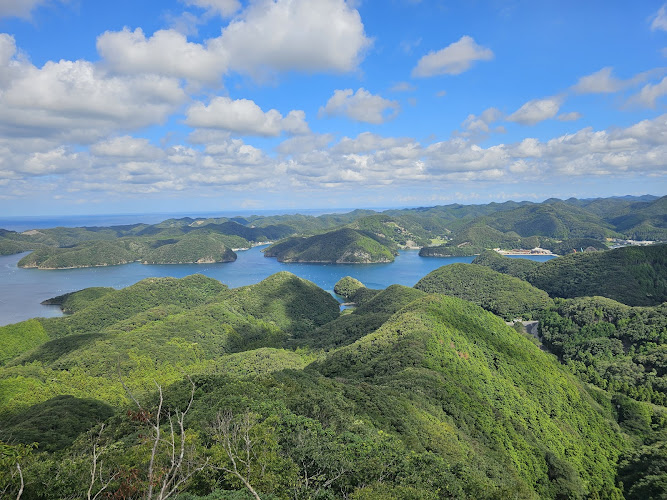
Mount Eboshi Observatory
About Mount Eboshi Observatory
Description
Getting to Mount Eboshi Observatory isn’t just a means to an end—it’s part of the adventure. Most travelers base themselves in Izuhara or Hitakatsu, since those towns are hubs for ferries and buses. The closest you can get by car is the base parking lot. That final stretch? All you and your feet. If you drove yourself (props for navigating those curvy island roads), expect a slow, scenic ride through forests and sleepy rooftops.
For those who love a little legwork, hiking up is an option. Some folks even work it into a longer explore of the area’s trails. It’s not a “wear your flip-flops” kind of walk—think sturdy shoes, maybe a walking stick if you like. If you’re into public transport, check local schedules—buses run but not on a big-city timetable, so a bit of planning pays off.
Taxis are around but can be a splurge. I once shared a ride with a chatty local fisherman who gave better island history than any guidebook—so you never know what kind of adventure you’ll get! For cyclists, well, the climb is a challenge but the descent back down? Adrenaline rush with a capital A.
Tips for Visiting
If you want my honest “non-guidebook” advice, here it is: Take your time on those stairs. It’s tempting to bolt up, but your knees (and lungs) will thank you for taking it slow. Plus, more chances to pause and soak up the woodsy air. Bring water, snacks, and a good hat—the sun reflects off the decks and can surprise even veteran hikers.
The weather on Tsushima likes to keep you guessing. Even if it’s sunny at sea level, clouds can roll in quick up top. I always stuff a light jacket or windbreaker in my backpack; a sudden breeze up there can get pretty nippy. Bug spray’s not a bad idea during peak summer—even the most scenic viewpoints can turn into mosquito central.
Facilities are, let’s say, basic. Occasionally you’ll spot a vending machine or a rustic restroom, but don’t count on five-star amenities. Go before you go, as they say. There’s no food for sale at the top, so a picnic is genius—especially if you enjoy eating with a view that makes sandwiches taste better than Michelin-star meals.
If you’re big on photos, check the weather ahead for the clearest days. Some of the best photos happen just after rain, when the sky clears and everything sparkles. And hey, if you’re there on a busy weekend, try the lower decks for different angles (and less crowding). Be respectful—this spot is precious to locals, not just a checkmark on a tourist list.
Finally, linger a bit. Let the wind, the wide-open sea, and the feeling of being perched on an edge of two countries sink in. Those are the memories you’ll think about when you’re back at street level, real life buzzing along. Trust me on this: Mount Eboshi Observatory gives back what you put in. Make your moment last.
Now, I won’t pretend there’s ever a truly “bad” time at Mount Eboshi Observatory, but don’t let anyone tell you the season doesn’t matter. Hands down, spring and autumn steal the show. Here’s why: spring wraps the paths with cherry blossoms—imagine taking those stairs with petals swirling down. Not gonna lie, the pollen isn’t my favorite, but the Instagram moments are top-tier. Early April is sweet-spot time.
Autumn is a hidden gem. The maples flame red and orange, and the whole island looks like someone upended a paintbox onto Tsushima. Crisp air, clear visibility, and fewer bugs? Sign me up. Summer is green and lush, but wow, can it get muggy. If you’re going mid-July to August, prep for humidity, and bring extra water—and maybe a sweat towel or two. I learned that lesson the *hard* way.
Most folks show up for sunset or sunrise, with good reason—the light is magic, bouncing off the ocean and distant hills. Weekdays, especially in the early morning, are usually quieter. Avoiding crowds (and surprise tour bus drop-offs) gives you space to soak it all in. If mist rolls in, it lends a mysterious vibe, but yeah, you might lose part of the view. That’s nature, right? Unpredictable sometimes, but never boring.
How to Get There
Getting to Mount Eboshi Observatory isn’t just a means to an end—it’s part of the adventure. Most travelers base themselves in Izuhara or Hitakatsu, since those towns are hubs for ferries and buses. The closest you can get by car is the base parking lot. That final stretch? All you and your feet. If you drove yourself (props for navigating those curvy island roads), expect a slow, scenic ride through forests and sleepy rooftops.
For those who love a little legwork, hiking up is an option. Some folks even work it into a longer explore of the area’s trails. It’s not a “wear your flip-flops” kind of walk—think sturdy shoes, maybe a walking stick if you like. If you’re into public transport, check local schedules—buses run but not on a big-city timetable, so a bit of planning pays off.
Taxis are around but can be a splurge. I once shared a ride with a chatty local fisherman who gave better island history than any guidebook—so you never know what kind of adventure you’ll get! For cyclists, well, the climb is a challenge but the descent back down? Adrenaline rush with a capital A.
Tips for Visiting
If you want my honest “non-guidebook” advice, here it is: Take your time on those stairs. It’s tempting to bolt up, but your knees (and lungs) will thank you for taking it slow. Plus, more chances to pause and soak up the woodsy air. Bring water, snacks, and a good hat—the sun reflects off the decks and can surprise even veteran hikers.
The weather on Tsushima likes to keep you guessing. Even if it’s sunny at sea level, clouds can roll in quick up top. I always stuff a light jacket or windbreaker in my backpack; a sudden breeze up there can get pretty nippy. Bug spray’s not a bad idea during peak summer—even the most scenic viewpoints can turn into mosquito central.
Facilities are, let’s say, basic. Occasionally you’ll spot a vending machine or a rustic restroom, but don’t count on five-star amenities. Go before you go, as they say. There’s no food for sale at the top, so a picnic is genius—especially if you enjoy eating with a view that makes sandwiches taste better than Michelin-star meals.
If you’re big on photos, check the weather ahead for the clearest days. Some of the best photos happen just after rain, when the sky clears and everything sparkles. And hey, if you’re there on a busy weekend, try the lower decks for different angles (and less crowding). Be respectful—this spot is precious to locals, not just a checkmark on a tourist list.
Finally, linger a bit. Let the wind, the wide-open sea, and the feeling of being perched on an edge of two countries sink in. Those are the memories you’ll think about when you’re back at street level, real life buzzing along. Trust me on this: Mount Eboshi Observatory gives back what you put in. Make your moment last.
It's funny—some places sneak up on you. You might glance at a map of Tsushima and think, "Sure, an observatory, that's cool"—but here’s the thing: the Mount Eboshi Observatory isn’t just another viewing spot. The trek up? It’s well worth every step, though yeah, your legs might remind you of it the next day. The biggest surprise when you arrive isn’t just the panoramic sweep over Tsushima Island, it’s the mix of awe and peace—almost as if the wind itself knows you made an effort to get there and rewards you with a breeze that feels earned.
From the top, you see so much more than just the sea. There’s Japan drifting away in blue haze, South Korea shimmering on the far-off horizon, and a patchwork of rural life just below. Sounds cliché, but the everyday world suddenly feels miles away. And unlike mega-famous tourist stops, Mount Eboshi still feels real. You might cross paths with locals escaping town or cross-legged couples sharing onigiri, but you won’t get trampled by a selfie stick stampede.
Is it perfect? Of course not. The climb can be a bit of a grunt, particularly if you don’t love stairs or if your knees groan at the thought. The facilities are simple, and, okay, sometimes smudges of weather or early mist block the jaw-dropping vistas in photos. But those imperfections are kind of the charm. If you’re after a slice of Tsushima that’s both accessible and slightly off-the-radar, with scenery that hits you square in the heart, well—this one knocks it out of the park.
Key Features
- 360-Degree Panoramic Views: Peer out over Tsushima, the strait, and sometimes even spot South Korea on a super-clear day. I remember squinting across the water, joking with friends that we’d wave to Busan.
- Accessible Hiking Trail & Stairs: There’s a stair climb that’s part workout, part anticipation. Honest warning: your calves will notice, but the pay-off is worth it.
- Multi-Level Decks: Multiple observation platforms mean you can scout out the best view—sometimes lower decks are quieter, which is a pro tip if you’re a peace-seeker.
- Bird’s Eye on History: You can spot remnants of wartime bunkers and fortifications if you’re into history (it adds perspective—Tsushima’s past laid out below you).
- Photo Ops at Every Turn: Whether it’s sunrise lighting the sea golden, or a sunset that paints the sky, bring your camera or just your eyes. Nature steals the show.
- Feeling of Solitude: Unlike some crowded spots, you sometimes get the whole top to yourself—pics with nobody in the background, if that’s your thing!
- Seasonal Surprises: Cherry blossoms in spring, a rolling green world in summer, fiery maples come autumn—each visit is a bit of a new story.
- Informational Signs: Helpful little placards teach you about what you’re staring at (though, minor gripe, translations might require some imagination.)
Best Time to Visit
Now, I won’t pretend there’s ever a truly “bad” time at Mount Eboshi Observatory, but don’t let anyone tell you the season doesn’t matter. Hands down, spring and autumn steal the show. Here’s why: spring wraps the paths with cherry blossoms—imagine taking those stairs with petals swirling down. Not gonna lie, the pollen isn’t my favorite, but the Instagram moments are top-tier. Early April is sweet-spot time.
Autumn is a hidden gem. The maples flame red and orange, and the whole island looks like someone upended a paintbox onto Tsushima. Crisp air, clear visibility, and fewer bugs? Sign me up. Summer is green and lush, but wow, can it get muggy. If you’re going mid-July to August, prep for humidity, and bring extra water—and maybe a sweat towel or two. I learned that lesson the *hard* way.
Most folks show up for sunset or sunrise, with good reason—the light is magic, bouncing off the ocean and distant hills. Weekdays, especially in the early morning, are usually quieter. Avoiding crowds (and surprise tour bus drop-offs) gives you space to soak it all in. If mist rolls in, it lends a mysterious vibe, but yeah, you might lose part of the view. That’s nature, right? Unpredictable sometimes, but never boring.
How to Get There
Getting to Mount Eboshi Observatory isn’t just a means to an end—it’s part of the adventure. Most travelers base themselves in Izuhara or Hitakatsu, since those towns are hubs for ferries and buses. The closest you can get by car is the base parking lot. That final stretch? All you and your feet. If you drove yourself (props for navigating those curvy island roads), expect a slow, scenic ride through forests and sleepy rooftops.
For those who love a little legwork, hiking up is an option. Some folks even work it into a longer explore of the area’s trails. It’s not a “wear your flip-flops” kind of walk—think sturdy shoes, maybe a walking stick if you like. If you’re into public transport, check local schedules—buses run but not on a big-city timetable, so a bit of planning pays off.
Taxis are around but can be a splurge. I once shared a ride with a chatty local fisherman who gave better island history than any guidebook—so you never know what kind of adventure you’ll get! For cyclists, well, the climb is a challenge but the descent back down? Adrenaline rush with a capital A.
Tips for Visiting
If you want my honest “non-guidebook” advice, here it is: Take your time on those stairs. It’s tempting to bolt up, but your knees (and lungs) will thank you for taking it slow. Plus, more chances to pause and soak up the woodsy air. Bring water, snacks, and a good hat—the sun reflects off the decks and can surprise even veteran hikers.
The weather on Tsushima likes to keep you guessing. Even if it’s sunny at sea level, clouds can roll in quick up top. I always stuff a light jacket or windbreaker in my backpack; a sudden breeze up there can get pretty nippy. Bug spray’s not a bad idea during peak summer—even the most scenic viewpoints can turn into mosquito central.
Facilities are, let’s say, basic. Occasionally you’ll spot a vending machine or a rustic restroom, but don’t count on five-star amenities. Go before you go, as they say. There’s no food for sale at the top, so a picnic is genius—especially if you enjoy eating with a view that makes sandwiches taste better than Michelin-star meals.
If you’re big on photos, check the weather ahead for the clearest days. Some of the best photos happen just after rain, when the sky clears and everything sparkles. And hey, if you’re there on a busy weekend, try the lower decks for different angles (and less crowding). Be respectful—this spot is precious to locals, not just a checkmark on a tourist list.
Finally, linger a bit. Let the wind, the wide-open sea, and the feeling of being perched on an edge of two countries sink in. Those are the memories you’ll think about when you’re back at street level, real life buzzing along. Trust me on this: Mount Eboshi Observatory gives back what you put in. Make your moment last.
Key Features
- Key Features
- Best Time to Visit
- How to Get There
- Tips for Visiting
More Details
Updated June 9, 2025
Table of Contents
Description
It’s funny—some places sneak up on you. You might glance at a map of Tsushima and think, “Sure, an observatory, that’s cool”—but here’s the thing: the Mount Eboshi Observatory isn’t just another viewing spot. The trek up? It’s well worth every step, though yeah, your legs might remind you of it the next day. The biggest surprise when you arrive isn’t just the panoramic sweep over Tsushima Island, it’s the mix of awe and peace—almost as if the wind itself knows you made an effort to get there and rewards you with a breeze that feels earned.
From the top, you see so much more than just the sea. There’s Japan drifting away in blue haze, South Korea shimmering on the far-off horizon, and a patchwork of rural life just below. Sounds cliché, but the everyday world suddenly feels miles away. And unlike mega-famous tourist stops, Mount Eboshi still feels real. You might cross paths with locals escaping town or cross-legged couples sharing onigiri, but you won’t get trampled by a selfie stick stampede.
Is it perfect? Of course not. The climb can be a bit of a grunt, particularly if you don’t love stairs or if your knees groan at the thought. The facilities are simple, and, okay, sometimes smudges of weather or early mist block the jaw-dropping vistas in photos. But those imperfections are kind of the charm. If you’re after a slice of Tsushima that’s both accessible and slightly off-the-radar, with scenery that hits you square in the heart, well—this one knocks it out of the park.
Key Features
- 360-Degree Panoramic Views: Peer out over Tsushima, the strait, and sometimes even spot South Korea on a super-clear day. I remember squinting across the water, joking with friends that we’d wave to Busan.
- Accessible Hiking Trail & Stairs: There’s a stair climb that’s part workout, part anticipation. Honest warning: your calves will notice, but the pay-off is worth it.
- Multi-Level Decks: Multiple observation platforms mean you can scout out the best view—sometimes lower decks are quieter, which is a pro tip if you’re a peace-seeker.
- Bird’s Eye on History: You can spot remnants of wartime bunkers and fortifications if you’re into history (it adds perspective—Tsushima’s past laid out below you).
- Photo Ops at Every Turn: Whether it’s sunrise lighting the sea golden, or a sunset that paints the sky, bring your camera or just your eyes. Nature steals the show.
- Feeling of Solitude: Unlike some crowded spots, you sometimes get the whole top to yourself—pics with nobody in the background, if that’s your thing!
- Seasonal Surprises: Cherry blossoms in spring, a rolling green world in summer, fiery maples come autumn—each visit is a bit of a new story.
- Informational Signs: Helpful little placards teach you about what you’re staring at (though, minor gripe, translations might require some imagination.)
Best Time to Visit
Now, I won’t pretend there’s ever a truly “bad” time at Mount Eboshi Observatory, but don’t let anyone tell you the season doesn’t matter. Hands down, spring and autumn steal the show. Here’s why: spring wraps the paths with cherry blossoms—imagine taking those stairs with petals swirling down. Not gonna lie, the pollen isn’t my favorite, but the Instagram moments are top-tier. Early April is sweet-spot time.
Autumn is a hidden gem. The maples flame red and orange, and the whole island looks like someone upended a paintbox onto Tsushima. Crisp air, clear visibility, and fewer bugs? Sign me up. Summer is green and lush, but wow, can it get muggy. If you’re going mid-July to August, prep for humidity, and bring extra water—and maybe a sweat towel or two. I learned that lesson the *hard* way.
Most folks show up for sunset or sunrise, with good reason—the light is magic, bouncing off the ocean and distant hills. Weekdays, especially in the early morning, are usually quieter. Avoiding crowds (and surprise tour bus drop-offs) gives you space to soak it all in. If mist rolls in, it lends a mysterious vibe, but yeah, you might lose part of the view. That’s nature, right? Unpredictable sometimes, but never boring.
How to Get There
Getting to Mount Eboshi Observatory isn’t just a means to an end—it’s part of the adventure. Most travelers base themselves in Izuhara or Hitakatsu, since those towns are hubs for ferries and buses. The closest you can get by car is the base parking lot. That final stretch? All you and your feet. If you drove yourself (props for navigating those curvy island roads), expect a slow, scenic ride through forests and sleepy rooftops.
For those who love a little legwork, hiking up is an option. Some folks even work it into a longer explore of the area’s trails. It’s not a “wear your flip-flops” kind of walk—think sturdy shoes, maybe a walking stick if you like. If you’re into public transport, check local schedules—buses run but not on a big-city timetable, so a bit of planning pays off.
Taxis are around but can be a splurge. I once shared a ride with a chatty local fisherman who gave better island history than any guidebook—so you never know what kind of adventure you’ll get! For cyclists, well, the climb is a challenge but the descent back down? Adrenaline rush with a capital A.
Tips for Visiting
If you want my honest “non-guidebook” advice, here it is: Take your time on those stairs. It’s tempting to bolt up, but your knees (and lungs) will thank you for taking it slow. Plus, more chances to pause and soak up the woodsy air. Bring water, snacks, and a good hat—the sun reflects off the decks and can surprise even veteran hikers.
The weather on Tsushima likes to keep you guessing. Even if it’s sunny at sea level, clouds can roll in quick up top. I always stuff a light jacket or windbreaker in my backpack; a sudden breeze up there can get pretty nippy. Bug spray’s not a bad idea during peak summer—even the most scenic viewpoints can turn into mosquito central.
Facilities are, let’s say, basic. Occasionally you’ll spot a vending machine or a rustic restroom, but don’t count on five-star amenities. Go before you go, as they say. There’s no food for sale at the top, so a picnic is genius—especially if you enjoy eating with a view that makes sandwiches taste better than Michelin-star meals.
If you’re big on photos, check the weather ahead for the clearest days. Some of the best photos happen just after rain, when the sky clears and everything sparkles. And hey, if you’re there on a busy weekend, try the lower decks for different angles (and less crowding). Be respectful—this spot is precious to locals, not just a checkmark on a tourist list.
Finally, linger a bit. Let the wind, the wide-open sea, and the feeling of being perched on an edge of two countries sink in. Those are the memories you’ll think about when you’re back at street level, real life buzzing along. Trust me on this: Mount Eboshi Observatory gives back what you put in. Make your moment last.
Key Highlights
- Key Features
- Best Time to Visit
- How to Get There
- Tips for Visiting
Location
Places to Stay Near Mount Eboshi Observatory
Find and Book a Tour
Explore More Travel Guides
No reviews found! Be the first to review!
Traveler Reviews for Mount Eboshi Observatory
There are no reviews yet. Be the first one to write one.
Have you visited Mount Eboshi Observatory? Help other travelers by sharing your review.
You Might Also Like

Kaneishi Castle Garden
Land Disembarkment of Russian Soldiers

Fureai Dokoro Tsushima
Find Accommodations Nearby
Recommended Tours & Activities
Visitor Reviews
There are no reviews yet. Be the first one to write one.
Share Your Experience
Have you visited Mount Eboshi Observatory? Help other travelers by leaving a review.