
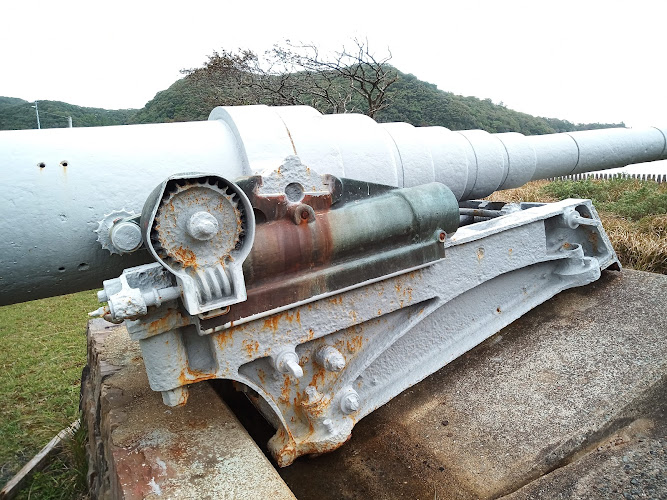
Land Disembarkment of Russian Soldiers
About Land Disembarkment of Russian Soldiers
Description
If you’re a traveler with a keen sense for offbeat historical corners, the Land Disembarkment of Russian Soldiers in Tsushima is one of those subtle, yet oddly stirring sites that manage to imprint themselves in memory far after you’ve left. Funny thing—on my first visit, I almost missed it entirely. It’s not one of those places with massive crowds jostling for the best selfie angle. In fact, the tranquility is the first thing that hits you: birds, wind, barely a murmur of conversation, and then the weight of history upon these grounds.
This site preserves the story of a pivotal moment—a spot where, under tension and turmoil, Russian soldiers set foot on Japanese soil during the late 19th or early 20th century (depending on your historical lens). It’s not your average battlefield. Instead, you’ll find a place that whispers about conflicts past, international intrigue, diplomacy’s failures and successes, and the odd way a tiny place in Nagasaki suddenly became world-relevant—if only for a few remarkable days.
More than a monument, it’s a narrative layered quietly within the landscape. Here, stone markers, simple plaques, and readable signboards help fill in the blanks. You might stand by the water’s edge, feeling a shiver thinking about exhausted men stepping off a foreign ship, facing uncertainty. Well, I get chills just writing about it—mostly, I suppose, because you’re not just looking at a memorial but actually standing where history’s story unfolded. Not every destiny-changing place has to be ornate or busy to grab your imagination.
Interestingly, despite this historic weight, it’s not an austere, somber spot. I find it’s got this gentle, haunted sort of peace. The local landscape slopes down toward clear blue water, ringed with gentle, pine-dotted hills behind you. It’s the kind of place where you feel, for a moment, both connected to something global and very, very local.
Key Features
- Authentic Historical Significance: Stand on the very soil where Russian soldiers once disembarked during a critical moment in Russo-Japanese relations, giving physical context to decades-old diplomatic fluctuations.
- Interpretive Signage: Informational boards, despite being short and to the point, offer well-translated background. Even if you’re not a history buff, you’ll walk away knowing much more about Tsushima’s unique role in mediating East and West.
- Scenic Coastal Setting: Forget those boring stone-and-cement heritage sites—here, the stones blend seamlessly against Tsushima’s lush greenery and sparkling coastline.
- Uncrowded Atmosphere: It’s rare to bump elbows here, meaning it’s perfect for contemplative travel, photo enthusiasts, or anyone needing a break from city clamor.
- Local Touchpoints: You’ll spot well-tended floral displays and sometimes even chatty local caretakers eager to share anecdotes or surprising details—especially if you’re game to ask questions.
- Natural Wildlife: Watch herons and kingfishers along the shore or catch sight of a local deer—nature and history hand-in-hand. I once found myself sidetracked for ten minutes chasing a particularly bold squirrel (no joke).
Best Time to Visit
Alright, let’s not pretend Tsushima doesn’t have its seasonal quirks. Personally, I’d rank late spring and early autumn as the crowning glory here. Around April and May, you get wildflowers bursting into color and a reliable breeze off the sea—no need to swat pesky insects or fan yourself like a Victorian noble. If you’re more for silence and solitude, try late October when the tourists vanish and leaves either drop or burn into gold. Good walking weather, and all the better if you want the site to yourself for proper contemplation (there’s just something about a quiet historic landscape, isn’t there?).
Avoid the rainy season in June or the muggy stretches of mid-summer unless you thrive on humidity. Winter’s chill isn’t unbearable, though the wind sometimes makes the shore feel wonderfully desolate and dramatic if you like your history with a side of brooding scenery (I do, but I’m odd that way).
Weekdays are prime for uncrowded exploring. Also, if you’re the shutterbug type, aim for late afternoon—softening sunlight turns the surrounding hills and bay into an impressionist painting. Bring a jacket, though. The breeze can pack a punch, even in gentler months.
How to Get There
Getting to the Land Disembarkment of Russian Soldiers is equal parts adventure and patience. Tsushima isn’t the kind of place you stumble upon after hopping off a bullet train (trust me, I’ve tried). First, make your way—by air or sea—to Tsushima Island. Most folks catch a ferry from Hakata or hop a plane from Fukuoka. The flight’s quick but ferry gives you a sense of just how isolated and sea-bound the island really is.
Once you’re on Tsushima, there’s limited public transport heading to the far north of the island, where this historic site lies. A rental car is, honestly, your best bet. The roads, winding but well-kept, provide scenic drama—rolling forests, old fishing harbors, the occasional wild boar (keep your camera ready, but don’t try to pet it).
If driving isn’t in the cards, there’s a sparse but reliable local bus network. Be warned—timetables can be, let’s say, ‘optimistic’. I once spent an hour at a roadside stop, sketching and watching dragonflies, so patience (and maybe a snack) is required.
Plan at least a half-day for your visit unless you’re staying nearby. And, genuinely, bring a map—or at least make sure your phone’s got service—because while locals are friendly, not everyone speaks English, and signage loves its cryptic Japanese abbreviations.
Tips for Visiting
- Wear Decent Shoes: You’re not hiking Mount Fuji, but the ground can be uneven, and sometimes you’ll detour onto grassy paths or down a shingle slope for the best angle.
- B.Y.O.S. (Bring Your Own Snacks): Food options nearby are minimal—maybe a vending machine or small store if you’re lucky. A packed lunch overlooking the water feels oddly fitting.
- Bring a Translation App: Signage is decent, but English isn’t always guaranteed everywhere you go, including cafes or bus stops.
- Photography Moments: Early morning or late afternoon light gives you gorgeous shots—especially of the water glinting behind the markers. If you fancy drawing or journaling, it’s a lovely spot.
- Respect the Place: It’s not a playground or Insta-prop. Locals care about the site’s dignity. Be mindful of where you tread and, honestly, just soak it in.
- Take the Long Way Home: After your visit, wander a little further along the coast. Some of my best memories from Tsushima are strayed moments—hidden coves, stray cats, and silent shrines tucked under the woods. The island rewards those who dawdle.
- Double-Check Hours: If you’re aiming to visit specific museums or companion historic spots nearby, verify opening times. Some close early and there’s no city-style nightlife in this part of the world.
Honestly, if you’re looking to check off “unique Japanese historic experiences” from your travel wish list, the Land Disembarkment of Russian Soldiers is the sort of stop that’ll make a great story when you’re back home. It’s both understated and powerful, best enjoyed with a hefty dose of curiosity, a sprinkle of patience, and perhaps a gentle nod to the past, as you stand where the world once shifted—if only for a fleeting moment.
Key Features
- Key Features
- Best Time to Visit
- How to Get There
- Tips for Visiting
More Details
Updated June 9, 2025
Table of Contents
- Description
- Key Features
- Best Time to Visit
- How to Get There
- Tips for Visiting
- Key Highlights
- Location
- Places to Stay Near Land Disembarkment of Russian Soldiers
- Find and Book a Tour
- Explore More Travel Guides
- Nearby Places You Might Like
- Traveler Reviews for Land Disembarkment of Russian Soldiers
- Share Your Experience
Description
If you’re a traveler with a keen sense for offbeat historical corners, the Land Disembarkment of Russian Soldiers in Tsushima is one of those subtle, yet oddly stirring sites that manage to imprint themselves in memory far after you’ve left. Funny thing—on my first visit, I almost missed it entirely. It’s not one of those places with massive crowds jostling for the best selfie angle. In fact, the tranquility is the first thing that hits you: birds, wind, barely a murmur of conversation, and then the weight of history upon these grounds.
This site preserves the story of a pivotal moment—a spot where, under tension and turmoil, Russian soldiers set foot on Japanese soil during the late 19th or early 20th century (depending on your historical lens). It’s not your average battlefield. Instead, you’ll find a place that whispers about conflicts past, international intrigue, diplomacy’s failures and successes, and the odd way a tiny place in Nagasaki suddenly became world-relevant—if only for a few remarkable days.
More than a monument, it’s a narrative layered quietly within the landscape. Here, stone markers, simple plaques, and readable signboards help fill in the blanks. You might stand by the water’s edge, feeling a shiver thinking about exhausted men stepping off a foreign ship, facing uncertainty. Well, I get chills just writing about it—mostly, I suppose, because you’re not just looking at a memorial but actually standing where history’s story unfolded. Not every destiny-changing place has to be ornate or busy to grab your imagination.
Interestingly, despite this historic weight, it’s not an austere, somber spot. I find it’s got this gentle, haunted sort of peace. The local landscape slopes down toward clear blue water, ringed with gentle, pine-dotted hills behind you. It’s the kind of place where you feel, for a moment, both connected to something global and very, very local.
Key Features
- Authentic Historical Significance: Stand on the very soil where Russian soldiers once disembarked during a critical moment in Russo-Japanese relations, giving physical context to decades-old diplomatic fluctuations.
- Interpretive Signage: Informational boards, despite being short and to the point, offer well-translated background. Even if you’re not a history buff, you’ll walk away knowing much more about Tsushima’s unique role in mediating East and West.
- Scenic Coastal Setting: Forget those boring stone-and-cement heritage sites—here, the stones blend seamlessly against Tsushima’s lush greenery and sparkling coastline.
- Uncrowded Atmosphere: It’s rare to bump elbows here, meaning it’s perfect for contemplative travel, photo enthusiasts, or anyone needing a break from city clamor.
- Local Touchpoints: You’ll spot well-tended floral displays and sometimes even chatty local caretakers eager to share anecdotes or surprising details—especially if you’re game to ask questions.
- Natural Wildlife: Watch herons and kingfishers along the shore or catch sight of a local deer—nature and history hand-in-hand. I once found myself sidetracked for ten minutes chasing a particularly bold squirrel (no joke).
Best Time to Visit
Alright, let’s not pretend Tsushima doesn’t have its seasonal quirks. Personally, I’d rank late spring and early autumn as the crowning glory here. Around April and May, you get wildflowers bursting into color and a reliable breeze off the sea—no need to swat pesky insects or fan yourself like a Victorian noble. If you’re more for silence and solitude, try late October when the tourists vanish and leaves either drop or burn into gold. Good walking weather, and all the better if you want the site to yourself for proper contemplation (there’s just something about a quiet historic landscape, isn’t there?).
Avoid the rainy season in June or the muggy stretches of mid-summer unless you thrive on humidity. Winter’s chill isn’t unbearable, though the wind sometimes makes the shore feel wonderfully desolate and dramatic if you like your history with a side of brooding scenery (I do, but I’m odd that way).
Weekdays are prime for uncrowded exploring. Also, if you’re the shutterbug type, aim for late afternoon—softening sunlight turns the surrounding hills and bay into an impressionist painting. Bring a jacket, though. The breeze can pack a punch, even in gentler months.
How to Get There
Getting to the Land Disembarkment of Russian Soldiers is equal parts adventure and patience. Tsushima isn’t the kind of place you stumble upon after hopping off a bullet train (trust me, I’ve tried). First, make your way—by air or sea—to Tsushima Island. Most folks catch a ferry from Hakata or hop a plane from Fukuoka. The flight’s quick but ferry gives you a sense of just how isolated and sea-bound the island really is.
Once you’re on Tsushima, there’s limited public transport heading to the far north of the island, where this historic site lies. A rental car is, honestly, your best bet. The roads, winding but well-kept, provide scenic drama—rolling forests, old fishing harbors, the occasional wild boar (keep your camera ready, but don’t try to pet it).
If driving isn’t in the cards, there’s a sparse but reliable local bus network. Be warned—timetables can be, let’s say, ‘optimistic’. I once spent an hour at a roadside stop, sketching and watching dragonflies, so patience (and maybe a snack) is required.
Plan at least a half-day for your visit unless you’re staying nearby. And, genuinely, bring a map—or at least make sure your phone’s got service—because while locals are friendly, not everyone speaks English, and signage loves its cryptic Japanese abbreviations.
Tips for Visiting
- Wear Decent Shoes: You’re not hiking Mount Fuji, but the ground can be uneven, and sometimes you’ll detour onto grassy paths or down a shingle slope for the best angle.
- B.Y.O.S. (Bring Your Own Snacks): Food options nearby are minimal—maybe a vending machine or small store if you’re lucky. A packed lunch overlooking the water feels oddly fitting.
- Bring a Translation App: Signage is decent, but English isn’t always guaranteed everywhere you go, including cafes or bus stops.
- Photography Moments: Early morning or late afternoon light gives you gorgeous shots—especially of the water glinting behind the markers. If you fancy drawing or journaling, it’s a lovely spot.
- Respect the Place: It’s not a playground or Insta-prop. Locals care about the site’s dignity. Be mindful of where you tread and, honestly, just soak it in.
- Take the Long Way Home: After your visit, wander a little further along the coast. Some of my best memories from Tsushima are strayed moments—hidden coves, stray cats, and silent shrines tucked under the woods. The island rewards those who dawdle.
- Double-Check Hours: If you’re aiming to visit specific museums or companion historic spots nearby, verify opening times. Some close early and there’s no city-style nightlife in this part of the world.
Honestly, if you’re looking to check off “unique Japanese historic experiences” from your travel wish list, the Land Disembarkment of Russian Soldiers is the sort of stop that’ll make a great story when you’re back home. It’s both understated and powerful, best enjoyed with a hefty dose of curiosity, a sprinkle of patience, and perhaps a gentle nod to the past, as you stand where the world once shifted—if only for a fleeting moment.
Key Highlights
- Key Features
- Best Time to Visit
- How to Get There
- Tips for Visiting
Location
Places to Stay Near Land Disembarkment of Russian Soldiers
Find and Book a Tour
Explore More Travel Guides
No reviews found! Be the first to review!
Traveler Reviews for Land Disembarkment of Russian Soldiers
There are no reviews yet. Be the first one to write one.
Have you visited Land Disembarkment of Russian Soldiers? Help other travelers by sharing your review.
You Might Also Like
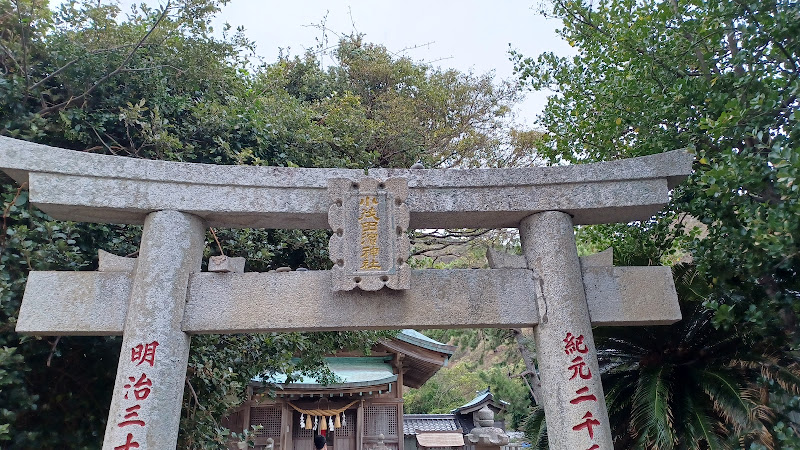
Komodahama Shrine
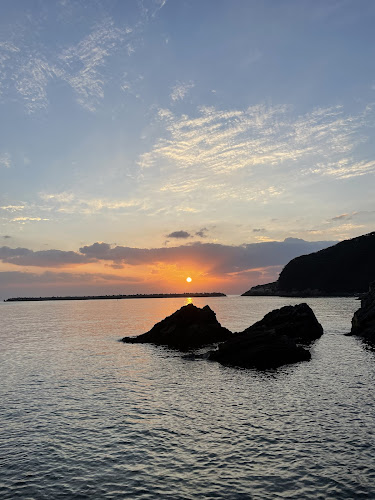
Izuhara Port

Kaneishi Castle Garden
Find Accommodations Nearby
Recommended Tours & Activities
Visitor Reviews
There are no reviews yet. Be the first one to write one.
Share Your Experience
Have you visited Land Disembarkment of Russian Soldiers? Help other travelers by leaving a review.