

Kaneishi Castle Garden
About Kaneishi Castle Garden
Description
Let’s get honest for a second. Most travelers, when they hear “castle garden,” think of Kyoto’s behemoth tourist traps or the endless cherry blossoms of Himeji. But Kaneishi Castle Garden? Trust me, this spot is not only a taste of authentic Japanese history but also a quiet refuge where you can actually hear your own thoughts—without elbowing your way through crowds.
Here’s the thing about Kaneishi Castle Garden: it’s not some sprawling, impossibly-manicured mega-park. Instead, it's got this understated grace, a bit frayed around the edges in places—kinda like your favorite old book. Originally crafted as part of a daimyo’s residence in the 17th century, the grounds are cozier, more approachable. If you’re hoping for a “look but don’t touch” type of deal, you’ll be surprised. This garden welcomes you in, almost as if it’s inviting you to sit down and swap stories with the stone lanterns.
What really struck me was its sense of authenticity. Unlike some flashier gardens, here the layers of age show up in the moss, in the slightly crooked pebble paths—reminders that you’re wandering someplace genuinely storied. Honestly, I spent as much time people-watching local families and giggling schoolkids as I did admiring koi darting through the pond. And thanks to the attached public restroom, you can stay for a while without the stress that always follows an overhydrated sightseeing tour.
At its core, Kaneishi Castle Garden isn’t trying to impress you with perfection. It just exists, quietly telling the tales of old Tsushima. Take a slow stroll, and you’ll see why people (myself included) come away with a sense of peace—and a phone full of photos!
Key Features
- Authentic Edo-period atmosphere: This garden doesn’t feel like a movie set; it feels lived in, and almost like the past is still hanging out beneath those gnarled pines.
- Beautiful carp pond: I counted at least 15 carp jostling for crumbs—perfect for families with little ones who want some close-up wildlife action.
- Compact layout: No need to plan for a whole afternoon unless you really, really want to. You can take in the highlights in an unhurried hour—great if you’re squeezing Tsushima’s attractions into a single day.
- Hand-carved stone lanterns: These beauties are scattered around with just the right mix of symmetry and wabi-sabi. More than once, I caught myself daydreaming about what stories they could tell.
- Ideal for children: The garden is friendly for families—flat, stroller-friendly paths (mostly!), and zero worry about little ones getting bored.
- Well-maintained public restroom: It’s not glamorous, but honestly, when you’re halfway through your sightseeing day, this is the real MVP.
- Low-key, peaceful atmosphere: It never felt crowded. If you want a breather from the buzz of buses and shops, this garden is perfect.
- Historic site markers: Signs dotted around the site (in Japanese; bring your translation app!) explain the ruins and the original castle structures. It adds a nice educational twist.
- Great photo ops: Whether you’re chasing autumn foliage or that classic reflection-on-the-pond shot, your Instagram will be happy.
Best Time to Visit
If there’s one thing I always tell folks about Japanese gardens, it’s this: timing is everything! Kaneishi Castle Garden changes character with each season. For my money, late October to early November wins hands down—there’s this crisp air, and the maples go bonkers with shades of orange, gold, and red. Cherry blossom season in early April can be charming too, although not as explosive as some parks in mainland Japan. But I personally prefer the shoulder seasons (spring and autumn) for thinner crowds and comfortable weather.
Summer, to be real, can get a bit muggy. The trees offer nice shade, but unless you’re a fan of humidity and bugs (shoutout to my mosquito-magnet friends), you might want to aim for those cooler months. Winters are peaceful—a fantastic spot if you like your gardens meditative and your walks solitary. No matter what, Kaneishi Castle Garden has this serene vibe year-round, but nature does her best work when there’s a slight chill in the air.
How to Get There
I get it—Tsushima’s not on the standard tourist circuit. But that’s part of the adventure, right? If you’re already on the island, getting to the garden is pleasantly straightforward. You can walk from the Izuhara ferry terminal in about 15 minutes, or hop in a taxi if you’re traveling with suitcases, sleepy kids, or just can’t face the walk.
Coming from further afield? Ferries run from Hakata in Fukuoka to Tsushima; you’ll want to check schedules since they’re not as frequent as city trains. Once you’ve landed, you could rent a bike, as the island isn’t outrageously hilly near the garden. And—for anyone who’s used Google Maps in rural Japan—you can actually trust the directions here. The signage might be in Japanese, but the garden’s popularity among locals means someone’s always around if you need to ask, too.
Oh, and here’s a tip: if you drive yourself, parking is handy but can fill up on weekends when local families come for a stroll. If you can, visit during the week for smooth sailing.
Tips for Visiting
If I’ve learned anything from years rambling around Japanese gardens, it’s this—bring a camera or at least clear some space on your phone. The light, even on cloudy days, is soft and kind. And don’t forget to linger. A lot of visitors breeze through, ticking the site off their list, but real magic here is in the details: the way the lotus leaves float, the silhouettes of castle ruins in the background, the sound of carp popping to the surface for a snack.
Here’s a quick list of other tips (from one traveler to another):
- Check the weather forecast: Like most outdoor spots, torrential rain can make things a bit soggy (and frankly, less photogenic).
- Bring cash: Small entrance fees may be required, and cash is king—especially on Tsushima Island. There’s rarely card payment available at the entry booth.
- No need to rush: Even with its smaller size, every corner has a new perspective. If you’re a photographer, plan for at least an hour—you won’t regret it.
- Traveling with kids? The open lawns mean you can let them roam a bit, but do keep a lookout around the pond edges—toddlers and deep water are never a dreamy combo.
- Try quiet time: Early mornings and late afternoons are sublime. I ducked in right after opening, and had the place mostly to myself—pure bliss for introverts, if you ask me.
- Respect the site: This may seem like common sense, but given the historic nature, tread lightly on the paths and avoid picking flowers or leaves (the garden guardians are watchful!).
- Take a moment to reflect: Bring a notebook if you’re the journaling type. There’s a special kind of inspiration that comes when you sit on one of the stone benches, pen in hand, letting centuries-old trees whisper their secrets to you. Not every place moves you like this—and you’ll want to remember how it felt.
To wrap up (and trust me, it’s not easy to stop waxing lyrical about this place), Kaneishi Castle Garden is one of Japan’s genuinely soulful spots. It’s approachable, historic, and never pretentious—a living slice of Tsushima’s story, just waiting for you. So go slow, breathe deep, and let yourself be part of the gentle rhythm that has pulsed here for centuries. Safe travels and enjoy the adventure!
Key Features
- Key Features
- Best Time to Visit
- How to Get There
- Tips for Visiting
More Details
Updated June 9, 2025
Table of Contents
Description
Let’s get honest for a second. Most travelers, when they hear “castle garden,” think of Kyoto’s behemoth tourist traps or the endless cherry blossoms of Himeji. But Kaneishi Castle Garden? Trust me, this spot is not only a taste of authentic Japanese history but also a quiet refuge where you can actually hear your own thoughts—without elbowing your way through crowds.
Here’s the thing about Kaneishi Castle Garden: it’s not some sprawling, impossibly-manicured mega-park. Instead, it’s got this understated grace, a bit frayed around the edges in places—kinda like your favorite old book. Originally crafted as part of a daimyo’s residence in the 17th century, the grounds are cozier, more approachable. If you’re hoping for a “look but don’t touch” type of deal, you’ll be surprised. This garden welcomes you in, almost as if it’s inviting you to sit down and swap stories with the stone lanterns.
What really struck me was its sense of authenticity. Unlike some flashier gardens, here the layers of age show up in the moss, in the slightly crooked pebble paths—reminders that you’re wandering someplace genuinely storied. Honestly, I spent as much time people-watching local families and giggling schoolkids as I did admiring koi darting through the pond. And thanks to the attached public restroom, you can stay for a while without the stress that always follows an overhydrated sightseeing tour.
At its core, Kaneishi Castle Garden isn’t trying to impress you with perfection. It just exists, quietly telling the tales of old Tsushima. Take a slow stroll, and you’ll see why people (myself included) come away with a sense of peace—and a phone full of photos!
Key Features
- Authentic Edo-period atmosphere: This garden doesn’t feel like a movie set; it feels lived in, and almost like the past is still hanging out beneath those gnarled pines.
- Beautiful carp pond: I counted at least 15 carp jostling for crumbs—perfect for families with little ones who want some close-up wildlife action.
- Compact layout: No need to plan for a whole afternoon unless you really, really want to. You can take in the highlights in an unhurried hour—great if you’re squeezing Tsushima’s attractions into a single day.
- Hand-carved stone lanterns: These beauties are scattered around with just the right mix of symmetry and wabi-sabi. More than once, I caught myself daydreaming about what stories they could tell.
- Ideal for children: The garden is friendly for families—flat, stroller-friendly paths (mostly!), and zero worry about little ones getting bored.
- Well-maintained public restroom: It’s not glamorous, but honestly, when you’re halfway through your sightseeing day, this is the real MVP.
- Low-key, peaceful atmosphere: It never felt crowded. If you want a breather from the buzz of buses and shops, this garden is perfect.
- Historic site markers: Signs dotted around the site (in Japanese; bring your translation app!) explain the ruins and the original castle structures. It adds a nice educational twist.
- Great photo ops: Whether you’re chasing autumn foliage or that classic reflection-on-the-pond shot, your Instagram will be happy.
Best Time to Visit
If there’s one thing I always tell folks about Japanese gardens, it’s this: timing is everything! Kaneishi Castle Garden changes character with each season. For my money, late October to early November wins hands down—there’s this crisp air, and the maples go bonkers with shades of orange, gold, and red. Cherry blossom season in early April can be charming too, although not as explosive as some parks in mainland Japan. But I personally prefer the shoulder seasons (spring and autumn) for thinner crowds and comfortable weather.
Summer, to be real, can get a bit muggy. The trees offer nice shade, but unless you’re a fan of humidity and bugs (shoutout to my mosquito-magnet friends), you might want to aim for those cooler months. Winters are peaceful—a fantastic spot if you like your gardens meditative and your walks solitary. No matter what, Kaneishi Castle Garden has this serene vibe year-round, but nature does her best work when there’s a slight chill in the air.
How to Get There
I get it—Tsushima’s not on the standard tourist circuit. But that’s part of the adventure, right? If you’re already on the island, getting to the garden is pleasantly straightforward. You can walk from the Izuhara ferry terminal in about 15 minutes, or hop in a taxi if you’re traveling with suitcases, sleepy kids, or just can’t face the walk.
Coming from further afield? Ferries run from Hakata in Fukuoka to Tsushima; you’ll want to check schedules since they’re not as frequent as city trains. Once you’ve landed, you could rent a bike, as the island isn’t outrageously hilly near the garden. And—for anyone who’s used Google Maps in rural Japan—you can actually trust the directions here. The signage might be in Japanese, but the garden’s popularity among locals means someone’s always around if you need to ask, too.
Oh, and here’s a tip: if you drive yourself, parking is handy but can fill up on weekends when local families come for a stroll. If you can, visit during the week for smooth sailing.
Tips for Visiting
If I’ve learned anything from years rambling around Japanese gardens, it’s this—bring a camera or at least clear some space on your phone. The light, even on cloudy days, is soft and kind. And don’t forget to linger. A lot of visitors breeze through, ticking the site off their list, but real magic here is in the details: the way the lotus leaves float, the silhouettes of castle ruins in the background, the sound of carp popping to the surface for a snack.
Here’s a quick list of other tips (from one traveler to another):
- Check the weather forecast: Like most outdoor spots, torrential rain can make things a bit soggy (and frankly, less photogenic).
- Bring cash: Small entrance fees may be required, and cash is king—especially on Tsushima Island. There’s rarely card payment available at the entry booth.
- No need to rush: Even with its smaller size, every corner has a new perspective. If you’re a photographer, plan for at least an hour—you won’t regret it.
- Traveling with kids? The open lawns mean you can let them roam a bit, but do keep a lookout around the pond edges—toddlers and deep water are never a dreamy combo.
- Try quiet time: Early mornings and late afternoons are sublime. I ducked in right after opening, and had the place mostly to myself—pure bliss for introverts, if you ask me.
- Respect the site: This may seem like common sense, but given the historic nature, tread lightly on the paths and avoid picking flowers or leaves (the garden guardians are watchful!).
- Take a moment to reflect: Bring a notebook if you’re the journaling type. There’s a special kind of inspiration that comes when you sit on one of the stone benches, pen in hand, letting centuries-old trees whisper their secrets to you. Not every place moves you like this—and you’ll want to remember how it felt.
To wrap up (and trust me, it’s not easy to stop waxing lyrical about this place), Kaneishi Castle Garden is one of Japan’s genuinely soulful spots. It’s approachable, historic, and never pretentious—a living slice of Tsushima’s story, just waiting for you. So go slow, breathe deep, and let yourself be part of the gentle rhythm that has pulsed here for centuries. Safe travels and enjoy the adventure!
Key Highlights
- Key Features
- Best Time to Visit
- How to Get There
- Tips for Visiting
Location
Places to Stay Near Kaneishi Castle Garden
Find and Book a Tour
Explore More Travel Guides
No reviews found! Be the first to review!
Traveler Reviews for Kaneishi Castle Garden
There are no reviews yet. Be the first one to write one.
Have you visited Kaneishi Castle Garden? Help other travelers by sharing your review.
You Might Also Like
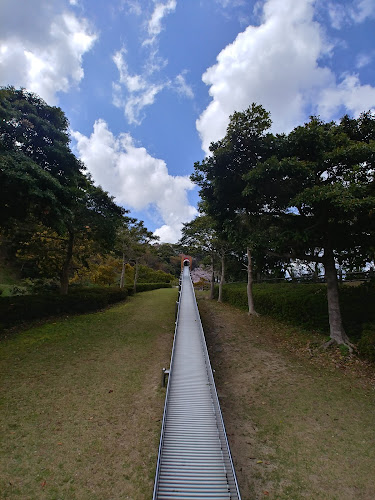
Tsushima Green Park
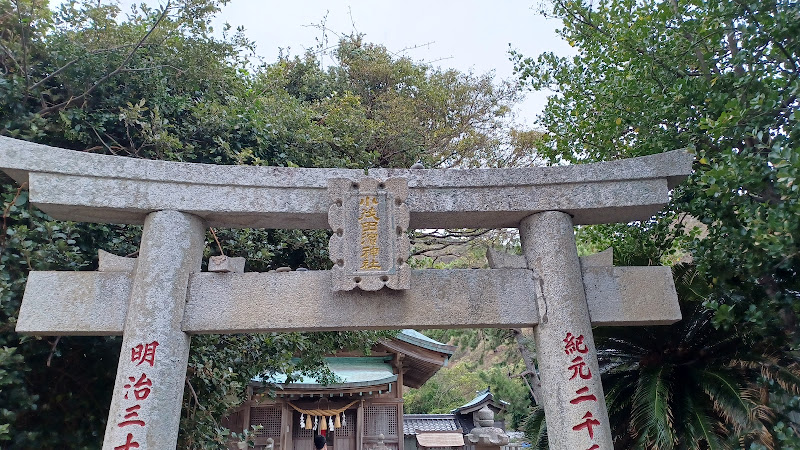
Komodahama Shrine
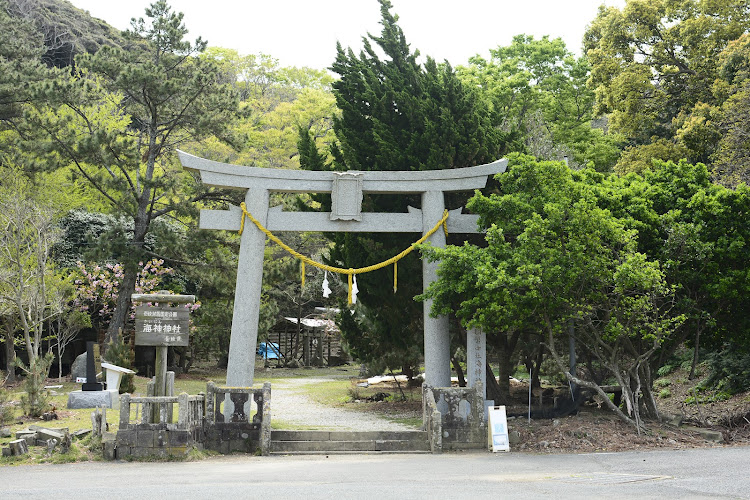
Kaijin Shrine
Find Accommodations Nearby
Recommended Tours & Activities
Visitor Reviews
There are no reviews yet. Be the first one to write one.
Share Your Experience
Have you visited Kaneishi Castle Garden? Help other travelers by leaving a review.