
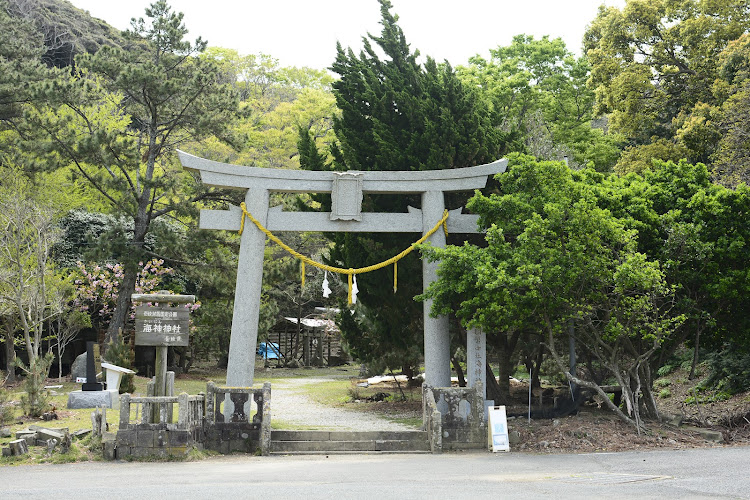
Kaijin Shrine
About Kaijin Shrine
Description
Kaijin Shrine might not show up in every glossy travel brochure, but honestly, that’s part of its appeal. Located in Tsushima, Nagasaki, it’s this wonderfully unpretentious Shinto shrine that kind of weaves together centuries-old tradition with those quiet, everyday moments that stick with you long after you leave. When I first wandered up its stone steps—clutching a can of iced coffee and sweating more than I’d like to admit—I felt that shift, you know? That subtle hush of spirit, way deeper than your standard photo-op stop.
This spot has always struck a chord with travelers who hunt for locations just a bit off the mainstream radar. There’s no choreographed fanfare here—no over-the-top souvenir shops or hawkers vying for your attention. Instead, Kaijin Shrine is tranquil, a touch mysterious, and deeply comforting in that classic local way. I’ve met more than a few regulars who swing by for just a quiet moment or to collect the beautifully penned goshuin (shrine stamps), which, quirky detail—the shrine switched exclusively to pre-written ones. You just grab one yourself at the little office, left by the caretakers. If you’re seeking direct hand-crafting, it’s something to consider, but the charm remains.
There are stairs leading up (your quads have been warned!), and while it’s not accessible for wheelchairs, the climb adds to the whole experience. Some may call it a challenge; I call it part of the ritual—so don’t wear those fancy shoes you’re afraid to scuff. The air up there feels cleaner, lighter, almost like you’re being gently nudged to slow down. Sure, it’s possible you’ll find minor nicks or weathered bits here and there, but that’s soul, not neglect.
If you’re a genuine shrine lover, a first-time visitor, or simply someone who craves a dash of peaceful spiritual energy—without the crowds—Kaijin Shrine has a humble, welcoming presence that invites you to linger just a little longer. Not every place needs grand spectacle to leave a deep impression. Frankly, I think the world needs a few more Kaijin Shrines.
Key Features
- Chilled-out Atmosphere: Far from the rush and noise of urban centers, this shrine encourages reflection, peace, and (if you’re like me) the occasional quiet laugh at how seriously the local pigeons patrol their turf.
- Pre-written Goshuin: No waiting in line for custom calligraphy—the shrine offers written-then-placed goshuin stamps, thoughtfully made by the shrine caretakers. You'll find them at the office, pick one up at your own pace. It’s a gentle nod to modern convenience without compromising tradition.
- Stairway Approach: The stone stairway up is a vital part of the experience. It's maybe a little taxing, but each step gives an ever-widening view—perfect for snapping contemplative photos or, if you’re me, catching your breath and promising yourself you’ll do more cardio next time.
- Unspoiled Tradition: Kaijin Shrine isn’t a commercialized hotspot. Less tourist gloss, more genuine reverence. The aging wood, mossy stone, and fluttering prayer papers let you feel like you’re part of something quietly eternal.
- Seasonal Events: Occasionally, you might catch a local festival or ritual, which are small in scale but mighty in heart. Don’t expect flamboyant parades—think communal prayers and subtle acts of gratitude.
- Local Wildlife: Keep an eye out for songbirds and charmingly moody cats who seem to consider the shrine their personal kingdom.
- Photo Opportunities: For shutterbugs, the shifting light through the torii gates and trees offers a hundred different moods—especially during early morning or before dusk.
Best Time to Visit
If you ask three locals, you'll get at least three different answers about the best time to swing by. But here’s my take after several repeat visits (and a rather unfortunate rainy trek): spring comes out on top. Tsushima’s cherry blossoms don’t shout—they quietly unfold and drape the stairs in delicate pinks, making the whole shrine scene a slow-motion dream. Early April is magic if you're chasing those sakura moments.
Summer delivers that thick, contemplative greenery and brings along a symphony of cicadas—love it or hate it—while autumn turns the leaves into a kind of painter’s palette of deep reds, oranges, and impossible golds. I once sat on the main steps eating a konpeito (I’ll admit, I was procrastinating the climb) and watched the leaves flutter down around the torii. It’s a memory that honestly, money can’t buy.
Winter can be chilly and, in my humble opinion, best for folks who actually enjoy crisp air and nearly empty grounds. You’ll have the place almost to yourself, save for a few determined locals. Avoid heavy rain days—the stones can get slick, and some of the smaller footpaths are deceptively tricky.
If you’re hoping to catch a festival, try syncing your visit with New Year rituals or local shrine fairs. These are minor, intimate celebrations that offer a peek behind the usual curtain—small gatherings rather than spectacles, so they feel extra special.
How to Get There
Let’s be frank—getting to Kaijin Shrine isn’t exactly like jumping on the subway and hopping off a stop later, but that’s all part of the adventure, right? If you’re traveling from mainland Japan, you’ll first need to take a ferry (or a flight, if you’re feeling flush) to Tsushima Island. The main port is Izuhara, and from there, you’ll likely want to grab a taxi or rent a car. Public transport exits for the truly determined, but buses run infrequently, so check the schedule, or you may end up on an unplanned island tour. Not a disaster—Tsushima is lovely—but less efficient if your feet get sore easily.
Driving is pretty straightforward, and the roads are pleasantly scenic, winding past rice paddies and the kind of rural landscape that seems to have its own soundtrack. There aren’t any fancy directional billboards, but GPS apps do a good job. Don’t be alarmed if you feel like you’re heading the wrong way—just keep an eye out for the signature torii gates.
If you’re the kind of soul who loves a brisk walk, you can make your way on foot from nearby neighborhoods (about 15-30 minutes, depending on your pace and willingness to stop for random snack stalls). And if you take a wrong turn? Savor it as part of the journey—some of my favorite travel stories start exactly like that.
Tips for Visiting
I always wish someone would hand me a short, brutally honest list before I visit lesser-known places, so here you go—no sugarcoating, just stuff you’d want from a well-meaning friend (or maybe, that slightly quirky travel blogger you subscribe to):
- Wear Sensible Shoes: The stairs aren’t just for show. They’re a commitment. Choose shoes with a decent grip and no shame in picking comfort over style, trust me—your knees will thank you.
- Embrace the Solitude: The shrine won’t always be bustling with people. Sometimes, you’re walking those steps solo. Use the quiet—let yourself decompress, journal for a moment, or just stare at the sky unbothered.
- Collect the Goshuin: If shrine stamps are your thing, the self-service style here is straightforward and stress-free. Quick tip: bring something sturdy to store your stamp, so it doesn’t get crumpled (I learned this the hard way).
- Mind the Weather: During rainy days, the stones get slippery, and there aren’t a ton of places to duck for cover. Pack an umbrella, even if you’re sure it won’t rain. Physics and weather are cruel.
- Accessibility Note: The stairs make wheelchair access tough. If you have mobility challenges, there isn’t currently an alternative route, which is something the community hopes to address in the future.
- Bring Simple Offerings: Even a coin or a silent prayer goes a long way. The shrine is still a sacred place, and participation—even quietly—builds a sweet sense of connection. If you spot locals, take your cue from them.
- Photography Etiquette: While photos are welcomed, be mindful if a ceremony is underway. And remember—sometimes the
Key Features
- Key Features
- Best Time to Visit
- How to Get There
- Tips for Visiting
More Details
Updated June 9, 2025
Table of Contents
Description
Kaijin Shrine might not show up in every glossy travel brochure, but honestly, that’s part of its appeal. Located in Tsushima, Nagasaki, it’s this wonderfully unpretentious Shinto shrine that kind of weaves together centuries-old tradition with those quiet, everyday moments that stick with you long after you leave. When I first wandered up its stone steps—clutching a can of iced coffee and sweating more than I’d like to admit—I felt that shift, you know? That subtle hush of spirit, way deeper than your standard photo-op stop.
This spot has always struck a chord with travelers who hunt for locations just a bit off the mainstream radar. There’s no choreographed fanfare here—no over-the-top souvenir shops or hawkers vying for your attention. Instead, Kaijin Shrine is tranquil, a touch mysterious, and deeply comforting in that classic local way. I’ve met more than a few regulars who swing by for just a quiet moment or to collect the beautifully penned goshuin (shrine stamps), which, quirky detail—the shrine switched exclusively to pre-written ones. You just grab one yourself at the little office, left by the caretakers. If you’re seeking direct hand-crafting, it’s something to consider, but the charm remains.
There are stairs leading up (your quads have been warned!), and while it’s not accessible for wheelchairs, the climb adds to the whole experience. Some may call it a challenge; I call it part of the ritual—so don’t wear those fancy shoes you’re afraid to scuff. The air up there feels cleaner, lighter, almost like you’re being gently nudged to slow down. Sure, it’s possible you’ll find minor nicks or weathered bits here and there, but that’s soul, not neglect.
If you’re a genuine shrine lover, a first-time visitor, or simply someone who craves a dash of peaceful spiritual energy—without the crowds—Kaijin Shrine has a humble, welcoming presence that invites you to linger just a little longer. Not every place needs grand spectacle to leave a deep impression. Frankly, I think the world needs a few more Kaijin Shrines.
Key Features
- Chilled-out Atmosphere: Far from the rush and noise of urban centers, this shrine encourages reflection, peace, and (if you’re like me) the occasional quiet laugh at how seriously the local pigeons patrol their turf.
- Pre-written Goshuin: No waiting in line for custom calligraphy—the shrine offers written-then-placed goshuin stamps, thoughtfully made by the shrine caretakers. You’ll find them at the office, pick one up at your own pace. It’s a gentle nod to modern convenience without compromising tradition.
- Stairway Approach: The stone stairway up is a vital part of the experience. It’s maybe a little taxing, but each step gives an ever-widening view—perfect for snapping contemplative photos or, if you’re me, catching your breath and promising yourself you’ll do more cardio next time.
- Unspoiled Tradition: Kaijin Shrine isn’t a commercialized hotspot. Less tourist gloss, more genuine reverence. The aging wood, mossy stone, and fluttering prayer papers let you feel like you’re part of something quietly eternal.
- Seasonal Events: Occasionally, you might catch a local festival or ritual, which are small in scale but mighty in heart. Don’t expect flamboyant parades—think communal prayers and subtle acts of gratitude.
- Local Wildlife: Keep an eye out for songbirds and charmingly moody cats who seem to consider the shrine their personal kingdom.
- Photo Opportunities: For shutterbugs, the shifting light through the torii gates and trees offers a hundred different moods—especially during early morning or before dusk.
Best Time to Visit
If you ask three locals, you’ll get at least three different answers about the best time to swing by. But here’s my take after several repeat visits (and a rather unfortunate rainy trek): spring comes out on top. Tsushima’s cherry blossoms don’t shout—they quietly unfold and drape the stairs in delicate pinks, making the whole shrine scene a slow-motion dream. Early April is magic if you’re chasing those sakura moments.
Summer delivers that thick, contemplative greenery and brings along a symphony of cicadas—love it or hate it—while autumn turns the leaves into a kind of painter’s palette of deep reds, oranges, and impossible golds. I once sat on the main steps eating a konpeito (I’ll admit, I was procrastinating the climb) and watched the leaves flutter down around the torii. It’s a memory that honestly, money can’t buy.
Winter can be chilly and, in my humble opinion, best for folks who actually enjoy crisp air and nearly empty grounds. You’ll have the place almost to yourself, save for a few determined locals. Avoid heavy rain days—the stones can get slick, and some of the smaller footpaths are deceptively tricky.
If you’re hoping to catch a festival, try syncing your visit with New Year rituals or local shrine fairs. These are minor, intimate celebrations that offer a peek behind the usual curtain—small gatherings rather than spectacles, so they feel extra special.
How to Get There
Let’s be frank—getting to Kaijin Shrine isn’t exactly like jumping on the subway and hopping off a stop later, but that’s all part of the adventure, right? If you’re traveling from mainland Japan, you’ll first need to take a ferry (or a flight, if you’re feeling flush) to Tsushima Island. The main port is Izuhara, and from there, you’ll likely want to grab a taxi or rent a car. Public transport exits for the truly determined, but buses run infrequently, so check the schedule, or you may end up on an unplanned island tour. Not a disaster—Tsushima is lovely—but less efficient if your feet get sore easily.
Driving is pretty straightforward, and the roads are pleasantly scenic, winding past rice paddies and the kind of rural landscape that seems to have its own soundtrack. There aren’t any fancy directional billboards, but GPS apps do a good job. Don’t be alarmed if you feel like you’re heading the wrong way—just keep an eye out for the signature torii gates.
If you’re the kind of soul who loves a brisk walk, you can make your way on foot from nearby neighborhoods (about 15-30 minutes, depending on your pace and willingness to stop for random snack stalls). And if you take a wrong turn? Savor it as part of the journey—some of my favorite travel stories start exactly like that.
Tips for Visiting
I always wish someone would hand me a short, brutally honest list before I visit lesser-known places, so here you go—no sugarcoating, just stuff you’d want from a well-meaning friend (or maybe, that slightly quirky travel blogger you subscribe to):
- Wear Sensible Shoes: The stairs aren’t just for show. They’re a commitment. Choose shoes with a decent grip and no shame in picking comfort over style, trust me—your knees will thank you.
- Embrace the Solitude: The shrine won’t always be bustling with people. Sometimes, you’re walking those steps solo. Use the quiet—let yourself decompress, journal for a moment, or just stare at the sky unbothered.
- Collect the Goshuin: If shrine stamps are your thing, the self-service style here is straightforward and stress-free. Quick tip: bring something sturdy to store your stamp, so it doesn’t get crumpled (I learned this the hard way).
- Mind the Weather: During rainy days, the stones get slippery, and there aren’t a ton of places to duck for cover. Pack an umbrella, even if you’re sure it won’t rain. Physics and weather are cruel.
- Accessibility Note: The stairs make wheelchair access tough. If you have mobility challenges, there isn’t currently an alternative route, which is something the community hopes to address in the future.
- Bring Simple Offerings: Even a coin or a silent prayer goes a long way. The shrine is still a sacred place, and participation—even quietly—builds a sweet sense of connection. If you spot locals, take your cue from them.
-
Photography Etiquette: While photos are welcomed, be mindful if a ceremony is underway. And remember—sometimes the
Key Highlights
- Key Features
- Best Time to Visit
- How to Get There
- Tips for Visiting
Location
Places to Stay Near Kaijin Shrine
Find and Book a Tour
Explore More Travel Guides
No reviews found! Be the first to review!
Traveler Reviews for Kaijin Shrine
There are no reviews yet. Be the first one to write one.
Have you visited Kaijin Shrine? Help other travelers by sharing your review.
You Might Also Like

Kaneishi Castle Garden
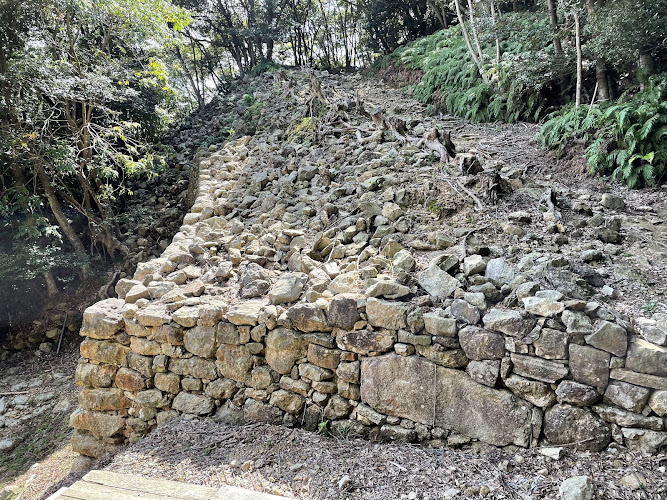
Kaneda Fortress Ruins
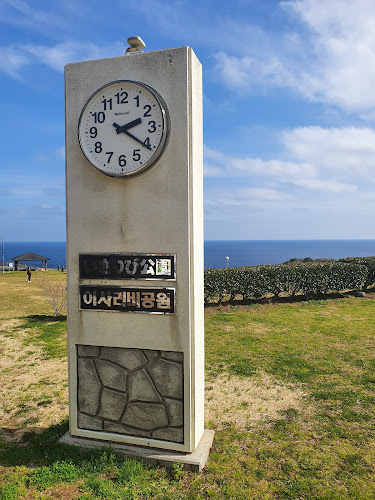
Isaribi Park
Find Accommodations Nearby
Recommended Tours & Activities
Visitor Reviews
There are no reviews yet. Be the first one to write one.
Share Your Experience
Have you visited Kaijin Shrine? Help other travelers by leaving a review.