
Kaneda Fortress Ruins
About Kaneda Fortress Ruins
Description
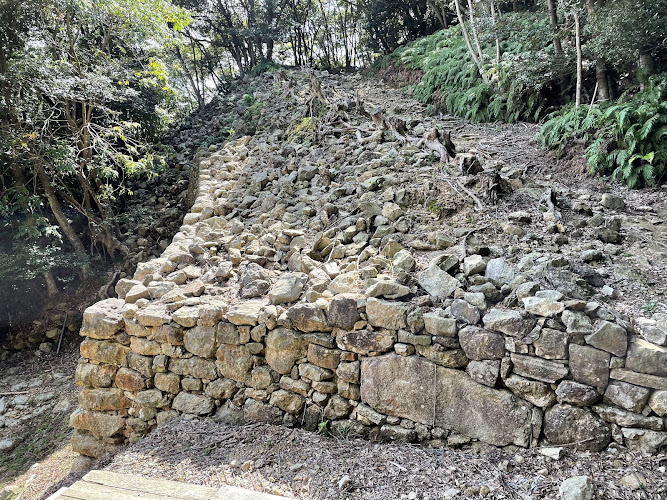
Wandering up to the Kaneda Fortress Ruins isn’t a polished, glassy history museum experience – it’s more like stepping back into an ancient battleground where you can still feel the tension in the rocks underfoot. This rugged, 7th-century mountain stronghold sprawls over a heavily wooded peninsula, with wind that whispers through scraggly pines. The first time I made that climb, the forest was so quiet you could sense your own heartbeat echoing off the old stone ramparts. If you love travel that sparks your imagination and gets your boots dirty, this spot delivers in spades. Unlike tourist traps with ticket lines, here you actually wander those old battlements, tracing a defensive structure that once stood between mainland Japan and would-be invaders.
Honestly, what got me hooked (and maybe it’ll do the same for you) is just how wild and untouched it all feels. Centuries-old stonework still snakes around the hilltop, and in the cooler months, moss and ferns spill down like a green waterfall. It’s a bit off-the-beaten-path and, sure, you might have to brush the occasional spiderweb from your jacket, but that’s half the charm. And while there’s no grand palace left – mostly commanding earthworks and those weathered stone ramparts – the scale is something. You can stand at the top, breathe in the sea air, and picture imperial defenders peering at the same horizon, nerves tight as foreign sails appeared.
I won’t sugarcoat things: if you’re seeking finely-curated tours or easy paved walks, this isn’t that. But if you’ve got an explorer's itch and a good pair of shoes, Kaneda Fortress feels a tad magical, like the old stones have secrets they’re half-willing to share. Not everything here is explained, and that’s what makes piecing it together so fun. Plus, let’s be honest, when you snap a photo up here, you’ll know you earned it.
Key Features
- Extensive Ancient Stonework: Sweeping stone walls and old earthen embankments trace the original fortress perimeter, providing spectacular photo ops (and goosebumps for history buffs).
- Stunning Panoramic Views: Climb the outer ramparts for jaw-dropping vistas across forested headlands and glimpses of sparkling ocean – on a clear morning, it’s genuinely unforgettable.
- Sense of Seclusion: The site is rarely crowded, even in peak months. Most days, you’ll share the ruins with birds, breeze, and maybe a cat or two if you’re lucky (yes, wild cats absolutely loaf around the stones).
- Rich Archaeological Value: Built as a defensive response to historical invasions, the fortress is a rare example of ancient military architecture – a genuine relic of Japan’s Asuka period ingenuity.
- Forested Mountaineering Trails: Access is by winding paths shaded by pines and camphor trees; getting there feels like a little adventure, with the journey as satisfying as the destination.
- Atmospheric Ruins: The best ruins, in my opinion, are the ones where time and moss have done their work – and Kaneda Fortress delivers, especially when the mist rolls in.
- Wildlife & Nature: It’s not uncommon to spot hawks tracing circles above the peninsula, and the soundscape is all chirping insects and distant waves.
- Lack of Commercialization: There’s almost no tourist infrastructure right by the site (bring everything you’ll need), which, frankly, keeps the tranquility intact.
Best Time to Visit
So about the seasons: Honestly, if I could, I’d bottle up late autumn at Kaneda Fortress and share it. The forests burn gold and crimson, the air’s crisp, and there are zero mosquitoes (truly, a blessing). Spring’s pretty fab too with those young leaves and a softer, almost sweet scent in the air – plus, the fleeting chance to see wildflowers popping up along the trail. Summer can be a bit of a furnace, especially if you’re not used to humid hikes — bring sunscreen and plenty of water, or skip strenuous climbing in the midday heat. If you happen to be one of those fog-loving souls (I feel you), an early winter morning wraps the ruins in thick, silvery mist, turning the whole place into a set worthy of an epic period drama. Just, you know, watch your step.
If you want a really peaceful walkthrough, weekdays are ace – on weekends, you might spot a few locals hiking, but you’re still unlikely to face crowds. I once caught the sunset up top in November, jacket zipped and hands still cold, and honestly? Hands-down one of my top Japan travel memories.
How to Get There
Let’s be up front: reaching Kaneda Fortress Ruins isn’t quite as simple as jumping off a city subway. You’ll mess about with ferries or flights if you're not already on Tsushima Island. From Tsushima's northern reaches, the roads wind along some hilly, technicolor terrain (lots of sharp bends, so maybe skip breakfast if you get carsick). There isn’t a train that takes you to the site itself – think rental car, taxi, or honest-to-goodness hiking from a nearby town.
If you’re driving, be prepared for narrow local roads and limited parking. Bigger vehicles might have to squeeze into whatever patch of gravel is available near the trailhead. As for public transport...well, it’s sparse. That said, if you’re blessed with strong legs and a decent sense of adventure, hiking up from the nearest settlements is a treat, especially with some snacks and good company.
I’d suggest pinning your digital maps BEFORE you lose signal – ask me how I know. It’s all part of the fun, but there’s nothing more character-building than finding yourself in a tangle of backroads with only crows for company.
Tips for Visiting
Here’s where I dish the hard-earned wisdom and the blisters. First, shoes matter – the trail can be steep, muddy after rain, and those ancient stones are loving tripping up the unwary. Skip the sandals, folks. I’ve seen more than one shivering traveler in gym shorts and city sneakers regretting their choices halfway up.
Also, Kaneda Fortress is not particularly friendly to prams, wheelchairs, or strollers. If mobility is a big concern, this might not be your ideal excursion, sadly. There’s no real tourist infrastructure at the site — restrooms, benches, food stalls? All missing. Bring water and snacks, maybe an extra layer if the weather’s iffy, and be prepared to pack out your trash. Leave no trace and all that good stuff.
As for photography: early morning or just before dusk gives you the drama – soft light, long shadows, and sometimes that elusive magic fog. But also, just take a minute and enjoy the quiet. You might even hear distant temple bells, or just the wind combing through the forest. Pause and soak it up.
Last thing: Kaneda Fortress Ruins have a sort of untamed energy, but also deep peace. Respect local wildlife – don’t feed wandering animals, and keep an eye out for snakes in warmer months. Oh, and if you’re lucky enough to cross paths with a local hiker, ask them about the myths. You’ll get stories no guidebook knows, and maybe a grin or two.
If you crave raw history, unfiltered landscapes, and timeworn stones under blue sky, Kaneda Fortress Ruins might just become your next favorite travel story. And if you do visit, take a mental snapshot – these sorts of places, once discovered, never quite leave you.
Key Features
- Key Features
- Best Time to Visit
- How to Get There
- Tips for Visiting
More Details
Updated June 9, 2025
Table of Contents
Description
Wandering up to the Kaneda Fortress Ruins isn’t a polished, glassy history museum experience – it’s more like stepping back into an ancient battleground where you can still feel the tension in the rocks underfoot. This rugged, 7th-century mountain stronghold sprawls over a heavily wooded peninsula, with wind that whispers through scraggly pines. The first time I made that climb, the forest was so quiet you could sense your own heartbeat echoing off the old stone ramparts. If you love travel that sparks your imagination and gets your boots dirty, this spot delivers in spades. Unlike tourist traps with ticket lines, here you actually wander those old battlements, tracing a defensive structure that once stood between mainland Japan and would-be invaders.
Honestly, what got me hooked (and maybe it’ll do the same for you) is just how wild and untouched it all feels. Centuries-old stonework still snakes around the hilltop, and in the cooler months, moss and ferns spill down like a green waterfall. It’s a bit off-the-beaten-path and, sure, you might have to brush the occasional spiderweb from your jacket, but that’s half the charm. And while there’s no grand palace left – mostly commanding earthworks and those weathered stone ramparts – the scale is something. You can stand at the top, breathe in the sea air, and picture imperial defenders peering at the same horizon, nerves tight as foreign sails appeared.
I won’t sugarcoat things: if you’re seeking finely-curated tours or easy paved walks, this isn’t that. But if you’ve got an explorer’s itch and a good pair of shoes, Kaneda Fortress feels a tad magical, like the old stones have secrets they’re half-willing to share. Not everything here is explained, and that’s what makes piecing it together so fun. Plus, let’s be honest, when you snap a photo up here, you’ll know you earned it.
Key Features
- Extensive Ancient Stonework: Sweeping stone walls and old earthen embankments trace the original fortress perimeter, providing spectacular photo ops (and goosebumps for history buffs).
- Stunning Panoramic Views: Climb the outer ramparts for jaw-dropping vistas across forested headlands and glimpses of sparkling ocean – on a clear morning, it’s genuinely unforgettable.
- Sense of Seclusion: The site is rarely crowded, even in peak months. Most days, you’ll share the ruins with birds, breeze, and maybe a cat or two if you’re lucky (yes, wild cats absolutely loaf around the stones).
- Rich Archaeological Value: Built as a defensive response to historical invasions, the fortress is a rare example of ancient military architecture – a genuine relic of Japan’s Asuka period ingenuity.
- Forested Mountaineering Trails: Access is by winding paths shaded by pines and camphor trees; getting there feels like a little adventure, with the journey as satisfying as the destination.
- Atmospheric Ruins: The best ruins, in my opinion, are the ones where time and moss have done their work – and Kaneda Fortress delivers, especially when the mist rolls in.
- Wildlife & Nature: It’s not uncommon to spot hawks tracing circles above the peninsula, and the soundscape is all chirping insects and distant waves.
- Lack of Commercialization: There’s almost no tourist infrastructure right by the site (bring everything you’ll need), which, frankly, keeps the tranquility intact.
Best Time to Visit
So about the seasons: Honestly, if I could, I’d bottle up late autumn at Kaneda Fortress and share it. The forests burn gold and crimson, the air’s crisp, and there are zero mosquitoes (truly, a blessing). Spring’s pretty fab too with those young leaves and a softer, almost sweet scent in the air – plus, the fleeting chance to see wildflowers popping up along the trail. Summer can be a bit of a furnace, especially if you’re not used to humid hikes — bring sunscreen and plenty of water, or skip strenuous climbing in the midday heat. If you happen to be one of those fog-loving souls (I feel you), an early winter morning wraps the ruins in thick, silvery mist, turning the whole place into a set worthy of an epic period drama. Just, you know, watch your step.
If you want a really peaceful walkthrough, weekdays are ace – on weekends, you might spot a few locals hiking, but you’re still unlikely to face crowds. I once caught the sunset up top in November, jacket zipped and hands still cold, and honestly? Hands-down one of my top Japan travel memories.
How to Get There
Let’s be up front: reaching Kaneda Fortress Ruins isn’t quite as simple as jumping off a city subway. You’ll mess about with ferries or flights if you’re not already on Tsushima Island. From Tsushima’s northern reaches, the roads wind along some hilly, technicolor terrain (lots of sharp bends, so maybe skip breakfast if you get carsick). There isn’t a train that takes you to the site itself – think rental car, taxi, or honest-to-goodness hiking from a nearby town.
If you’re driving, be prepared for narrow local roads and limited parking. Bigger vehicles might have to squeeze into whatever patch of gravel is available near the trailhead. As for public transport…well, it’s sparse. That said, if you’re blessed with strong legs and a decent sense of adventure, hiking up from the nearest settlements is a treat, especially with some snacks and good company.
I’d suggest pinning your digital maps BEFORE you lose signal – ask me how I know. It’s all part of the fun, but there’s nothing more character-building than finding yourself in a tangle of backroads with only crows for company.
Tips for Visiting
Here’s where I dish the hard-earned wisdom and the blisters. First, shoes matter – the trail can be steep, muddy after rain, and those ancient stones are loving tripping up the unwary. Skip the sandals, folks. I’ve seen more than one shivering traveler in gym shorts and city sneakers regretting their choices halfway up.
Also, Kaneda Fortress is not particularly friendly to prams, wheelchairs, or strollers. If mobility is a big concern, this might not be your ideal excursion, sadly. There’s no real tourist infrastructure at the site — restrooms, benches, food stalls? All missing. Bring water and snacks, maybe an extra layer if the weather’s iffy, and be prepared to pack out your trash. Leave no trace and all that good stuff.
As for photography: early morning or just before dusk gives you the drama – soft light, long shadows, and sometimes that elusive magic fog. But also, just take a minute and enjoy the quiet. You might even hear distant temple bells, or just the wind combing through the forest. Pause and soak it up.
Last thing: Kaneda Fortress Ruins have a sort of untamed energy, but also deep peace. Respect local wildlife – don’t feed wandering animals, and keep an eye out for snakes in warmer months. Oh, and if you’re lucky enough to cross paths with a local hiker, ask them about the myths. You’ll get stories no guidebook knows, and maybe a grin or two.
If you crave raw history, unfiltered landscapes, and timeworn stones under blue sky, Kaneda Fortress Ruins might just become your next favorite travel story. And if you do visit, take a mental snapshot – these sorts of places, once discovered, never quite leave you.
Key Highlights
- Key Features
- Best Time to Visit
- How to Get There
- Tips for Visiting
Location
Places to Stay Near Kaneda Fortress Ruins
Find and Book a Tour
Explore More Travel Guides
No reviews found! Be the first to review!
Traveler Reviews for Kaneda Fortress Ruins
There are no reviews yet. Be the first one to write one.
Have you visited Kaneda Fortress Ruins? Help other travelers by sharing your review.
You Might Also Like
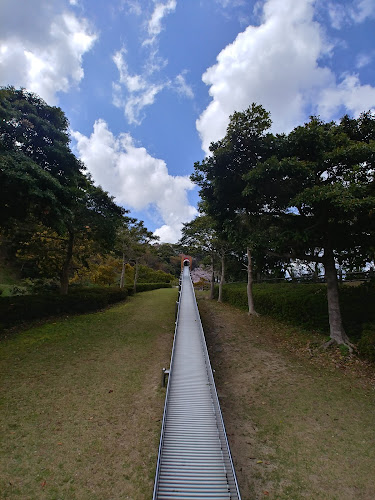
Tsushima Green Park
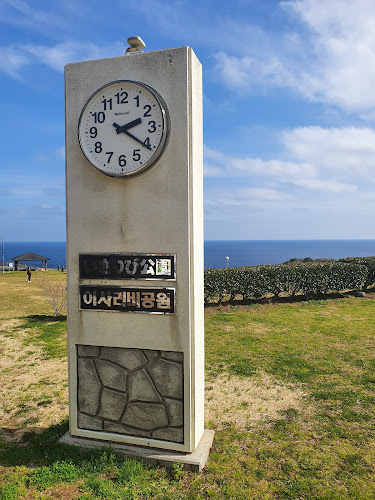
Isaribi Park

Kaneishi Castle Garden
Find Accommodations Nearby
Recommended Tours & Activities
Visitor Reviews
There are no reviews yet. Be the first one to write one.
Share Your Experience
Have you visited Kaneda Fortress Ruins? Help other travelers by leaving a review.