
Heroes’ Square
About Heroes’ Square
Description
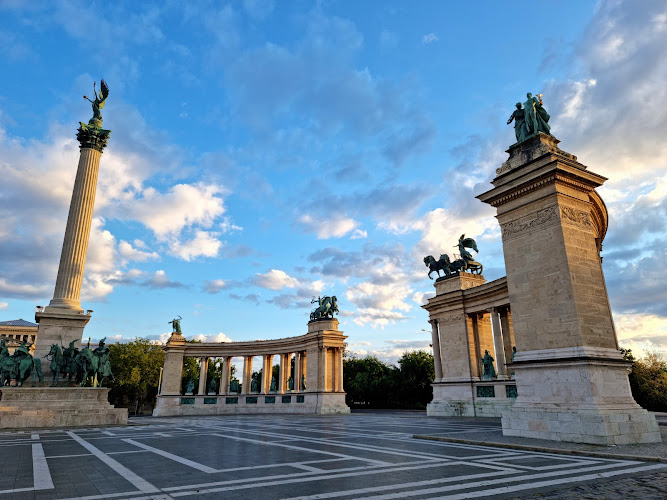
Heroes’ Square—known locally as Hősök tere—stands as one of Budapest’s most important attractions, drawing travelers, art lovers, history buffs, and the selfie-hungry alike. If you’re the kind who geeks out on history or just want a jaw-dropping spot to pause between ruin pubs and steamy baths, this enormous plaza sits at the apex of the city’s story, and—let’s be real—its drama. And right off the bat, don’t expect hidden tranquillity; this is where the heartbeat of Hungary puts on full display for all the world.
The square’s sheer scale is a thing to experience in person—no photo can quite catch the sweep of the broad pavement, the proud Millennium Monument blazing toward the sky with the Archangel Gabriel perched atop, or the ring of iconic statues. What’s special: it isn’t just great for postcard snaps, but a symbol of national unity and resilience. The feeling of standing in the middle of this historic space, where the likes of Franz Joseph and Horthy paraded, really sticks with you. For me, there’s always a little electric frisson, thinking how many revolutions, rallies, and celebrations have played out right here.
Built to commemorate the 1000th anniversary (which was back in 1896, if you love a good round number) of the Magyar conquest of the Carpathian Basin, the Millennium Monument’s semicircular colonnades serve up grand statues of Hungary’s most important figures—from the seven chieftains who started it all, to national leaders and kings like Stephen I. The Archangel Gabriel on that 36-meter-high column brings the Holy Crown down from up top—literally. And the square’s got a knack for balancing solemn memorial with tourist spectacle: think mothers with strollers beside wedding photographers, school groups gawking alongside LED-lit tour bikes.
Surrounding the monument, you’ll see not just centuries of stone faces but two serious anchors for Budapest’s soul: the Museum of Fine Arts and the Palace of Art. These add depth—step inside for everything from Renaissance masterpieces to contemporary installations. If you’re a lover of both art and open-air grandeur, you’ll understand why Heroes’ Square stands on the UNESCO World Heritage list, right at the end of the city’s grand Andrássy Avenue and marking the entrance to green, rambling City Park. There are flaws, of course; crowds can be thick and summer sun merciless, but there’s an energy here you don’t find elsewhere.
Key Features
- Millennium Monument: Created in 1896 for the 1000th anniversary of the founding of Hungary, it’s a gleaming reminder of national pride and history.
- Central Column with Archangel Gabriel: Atop the central 36-meter column, Gabriel holds the Hungarian Holy Crown—conveying both power and myth (and yes, it’s got a little magic at sunset).
- Statues of the Seven Chieftains: These imposing Magyar chieftains, led by Árpád, represent the tribes that settled Hungary (they’re muscular, dramatic, and more than a bit cinematic).
- Colonnades of Hungarian Kings and National Leaders: Featuring sculpted tributes to important figures in Hungarian history—you’ll spot everyone from King Stephen (István) to revolutionary Lajos Kossuth.
- Memorial Stone of Heroes: The symbolic tomb honors those who gave their lives for Hungary’s independence and freedom. Note: it’s not a burial site, more a place of collective remembrance.
- Museum of Fine Arts: One side of the square is lined with a neoclassical marvel housing Old Masters, ancient Egyptian pieces, and major European works.
- Palace of Art (Kunsthalle): On the opposite flank, this gallery is where you’ll find bold contemporary art and boundary-pushing exhibitions.
- UNESCO World Heritage Status: Not a mere tourist box-tick—Hősök tere is recognized for its crucial role in Budapest’s world heritage, right alongside Andrássy Avenue and City Park.
- Gateway to City Park (Városliget): Behind the monument, the park offers green escapes, an ice rink in winter, fun fairs, and the whimsical Vajdahunyad Castle.
- Accessibility: The square offers wheelchair-accessible entrances and parking, so most visitors (including families and those with limited mobility) can experience it without barriers.
- Hosts National Events: From state ceremonies to New Year’s fireworks and marathon finishes, if something big’s happening in Budapest, odds are it’s kicking off here.
Best Time to Visit
Honestly, the answer depends on what kind of vibe you’re after. Spring and autumn are usually the best bets in Budapest overall; you get mild weather, shifting colors, and manageable crowds. April, May, September, and October are the sweet spots—daylight is long enough for lazy exploration, and the heat waves of July and August haven’t yet reduced everyone to puddles on the pavement.
But if you’re a people-watcher, nothing compares to a sunny summer weekend when families, buskers, wedding parties, and skateboarders convert Heroes’ Square into a living theatre. Just bring a hat and patience—shade is hard to come by, and Budapest’s sun can be fierce. Winter brings its own magic, with festive markets in the nearby City Park, sometimes a dusting of snow on the statues, and a huge outdoor ice rink right behind the monument. Personally, being here just before dusk, any time of year, is a winner—the low sun turns the stone golden, and the square feels almost cinematic as the city lights up.
How to Get There
First time in Budapest? Don’t stress—Heroes’ Square is absurdly easy to reach, which is good news for anyone who hates complicated logistics (guilty). The square is literally at the city end of Andrássy Avenue, one of the grandest boulevards in Europe.
The M1 metro line, Budapest’s historic “little yellow” underground (also Europe’s oldest continental metro, a quirky bit of trivia I only learned thanks to a chatty local), stops right at Hősök tere station—just pop up the stairs and bam, you’re there. City buses and trolleys run this way too, but honestly, walking the length of Andrássy Avenue is half the fun, passing mansions, embassies, and theaters. If you’re biking, Budapest has plenty of cycle lanes, and the square itself offers bike parking (and if you’re driving, there’s a paid parking lot nearby—but Budapest traffic is not for the faint-hearted, so public transit really is king).
Tip: If you’re coming from the city center or the popular Jewish Quarter, it’s only about 20–30 minutes on foot, and the walk lets you soak up a big slice of Budapest’s urban tapestry.
Tips for Visiting
- Arrive early or late to dodge the crowds. Mid-morning and late afternoon (especially outside of high season) give you the best chance at soaking up the square without elbowing through photo shoots.
- Check for events. Major Hungarian holidays, marathon days, or state occasions can turn Heroes’ Square into a packed spectacle—amazing if you want atmosphere, not so much for quiet photos or relaxed strolling.
- Bring water and sun protection. The wide-open space offers no shade cover; in summer, bring a hat, and in winter, the winds can cut right through you. Take it from someone who forgot their scarf, and paid for it.
- Explore beyond the square. Step into the Museum of Fine Arts for world-class exhibits—plan at least 1–2 hours—and don’t skip the Palace of Art for contemporary cool.
- Combine with City Park. Make a day of it: after soaking up heritage, stroll over to Vajdahunyad Castle, the Budapest Zoo, or the Széchenyi Thermal Bath—all within easy reach.
- Accessibility. Ramps and smooth paving make Heroes’ Square accessible for wheelchairs and strollers; accessible parking is available, but do check if there are big events which might make getting around trickier.
- Respect the Memorial Stone of Heroes. This is a site of national remembrance; climbing or sitting here is frowned upon by locals (and you’ll get stern looks from grannies, guaranteed).
- Pace yourself. The magnitude of the monument and the statues can be overwhelming—take a moment to read the inscriptions, look at faces, and consider just how much history each figure represents.
- Snap photos, but mind your stuff. Like any major plaza in the world, keep an eye on your bag; pickpockets are rare but not unknown.
- Have a plan B if it rains. Both bordering museums are perfect for ducking into if the Budapest skies open up—plus, you get world-class art as a reward.
All in all, Heroes’ Square is one of those places that can surprise you, no matter how many photos you’ve already seen. Some people come expecting just a quick glance—and end up staying for hours. If you’re into history, art, big city energy, or just want the kind of travel story that’ll stick with you, Hősök tere delivers with more style and presence than almost any other square on the continent.
Key Features
- Millennium Monument with Archangel Gabriel atop a tall column
- Semi-circular colonnades featuring statues of Hungarian leaders
- Tomb of the Unknown Soldier and commemorative plaques
- Prominent location at the end of Andrássy Avenue, adjacent to City Park
- Close to major cultural institutions like the Museum of Fine Arts and Műcsarnok
Nearby Attractions
City Park (Városliget)
Museum of Fine Arts (Szépművészeti Múzeum)
Műcsarnok (Hall of Art)
You Might Also Like
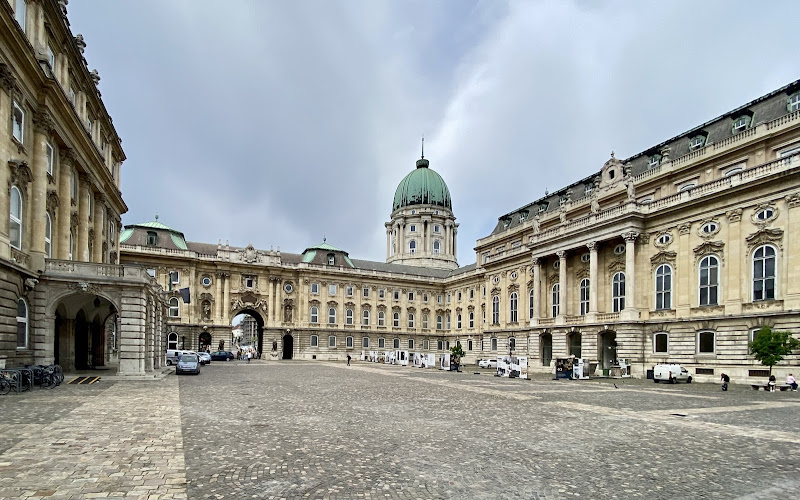
Buda Castle
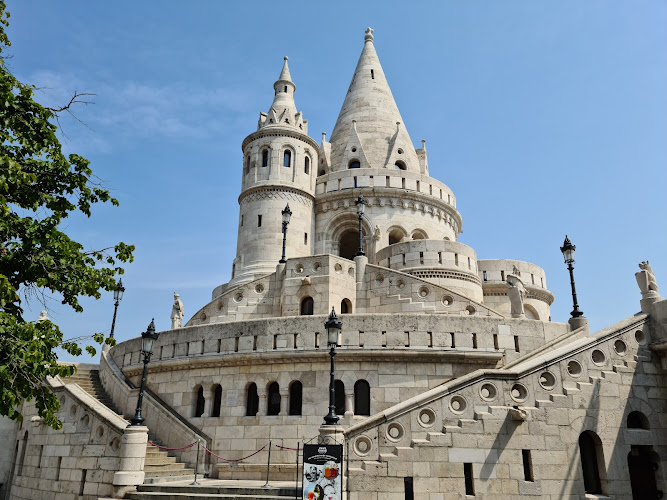
Fisherman's Bastion
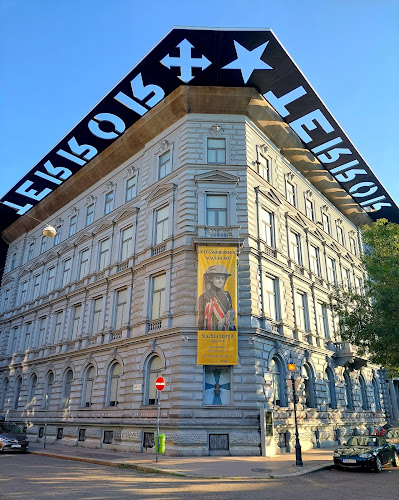
House of Terror Museum
Tours & Activities
GetYourGuide provides this tour inventory. We may earn a commission if you book through it; verify current availability, prices, and terms with the provider.
Visitor Reviews
There are no reviews yet. Be the first one to write one.
Share Your Experience
Have you visited Heroes’ Square? Help other travelers by leaving a review.