About Ferenc Móra Museum

Description

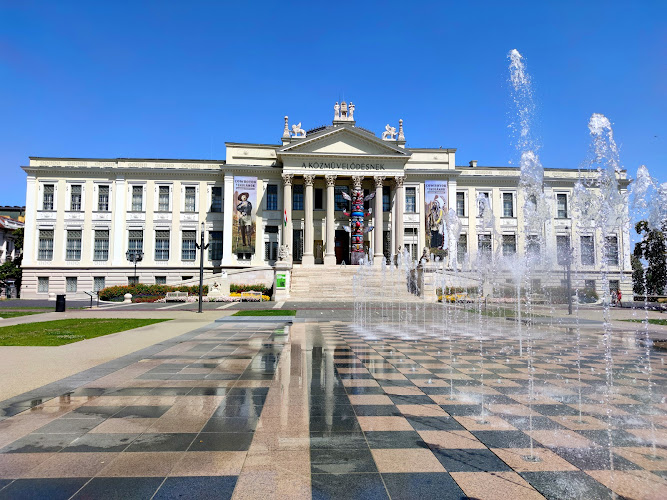
The Ferenc Móra Museum is one of those places that manages to feel both grand and approachable at the same time. Sitting inside a stately neoclassical building, it carries the kind of architectural presence that makes you slow down and just admire the columns before even stepping inside. And once you do walk through those doors, it’s like opening a book where every page tells a different story—whether it’s about ancient civilizations, natural history, or the traditions of Hungarian culture. It doesn’t feel dusty or overly academic either; the museum has a way of presenting history that feels alive, sometimes even playful.

Travelers who enjoy variety will probably like it here because the exhibitions range widely. One moment you’re gazing at glittering gold artifacts, and the next you’re standing in front of ethnographic displays that trace the everyday lives of people from centuries ago. There’s also a strong seasonal element, meaning that if you visit in the summer and then come back in winter, you might find entirely different temporary exhibitions waiting for you. Personally, I think that’s what keeps the museum fresh—there’s always a sense of discovery.

It’s not without its quirks though. Some visitors feel the permanent displays could be expanded or modernized a bit more, while others rave about the richness of the collections. But overall, the museum tends to leave people impressed, especially those who take the time to really wander through each hall. It’s also a very family-friendly spot, so if you’re traveling with kids, you won’t feel like you’re dragging them through something boring. In fact, children often light up when they see the natural history sections.

Key Features

  • Neoclassical architecture that makes the building itself worth a look
  • Extensive natural history exhibits, including fossils and wildlife displays
  • Ethnological collections that dive into Hungarian traditions and everyday life
  • Rotating seasonal exhibitions, often with interactive or thematic elements
  • A gold collection that showcases dazzling treasures and artifacts
  • Live performances and cultural programs hosted throughout the year
  • Wheelchair accessible entrance, restrooms, and parking facilities
  • Family-friendly environment, with plenty of appeal for children
  • On-site amenities such as restrooms and Wi-Fi (but no restaurant inside)
  • Paid parking lot available nearby for convenience

Best Time to Visit

If you’re wondering when to go, the truth is that the Ferenc Móra Museum works well in any season. On a rainy day, it’s a cozy escape indoors where you can lose yourself in history without worrying about the weather. In summer, the museum often ties into city events and festivals, which gives your visit an extra layer of excitement. Personally, I enjoy visiting in the quieter months—late autumn or early spring—because the crowds thin out a bit, and you can take your time without feeling rushed.

Weekdays tend to be calmer compared to weekends, when families and tour groups fill the halls. If you’re the type who likes to linger and really read every display card, you’ll appreciate the extra breathing room during off-peak times. And if you’re hoping to catch one of the seasonal exhibitions or live performances, it’s worth checking the schedule ahead of time. There’s nothing worse than realizing you missed something special by just a week.

How to Get There

Reaching the Ferenc Móra Museum is fairly straightforward, no matter how you’re traveling. If you’re already in the city center, it’s usually just a short walk away. For those coming from further out, public transportation is reliable and drops you close enough that you won’t have to trek too far. Buses and trams are common options, and if you’re like me and enjoy a bit of people-watching on the way, the ride itself can be part of the fun.

Driving is also an option, though keep in mind that parking is paid. The convenience of having a dedicated parking lot nearby does make things easier, especially if you’re traveling with kids or carrying a lot of gear. I will say, though, that the surrounding streets can get busy during peak hours, so it’s smart to plan your arrival a little earlier in the day.

Tips for Visiting

One of the best pieces of advice I can give is to pace yourself. The museum isn’t overwhelming in size, but there’s enough variety that you could easily spend two or three hours without realizing how much time has passed. Wear comfortable shoes because the floors are hard, and you’ll probably want to wander back and forth between exhibits.

If you’re traveling with kids, make a beeline for the natural history sections first. It’s usually the most engaging for younger visitors, and it sets a positive tone for the rest of the visit. And don’t be afraid to let them explore at their own pace—sometimes they’ll notice details that adults overlook.

Another tip: bring a little snack or plan to eat before or after your visit since there isn’t a restaurant inside. There are, however, plenty of cafes and eateries nearby, so you won’t have to go far to refuel. Also, take advantage of the free Wi-Fi if you want to share photos or look up extra information about the exhibits while you’re there.

For accessibility, the museum does a solid job. Entrances, restrooms, and even the parking lot are wheelchair-friendly, which makes it a good choice for travelers of all mobility levels. If you or someone in your group needs those features, you can rest assured that the infrastructure is in place.

Lastly, keep an eye out for live performances or special events. They add a completely different dimension to the museum experience. I once stumbled into a small performance during a cultural program, and it turned what I expected to be a quiet museum visit into something unexpectedly lively and memorable. Those moments are the ones that stick with you long after you’ve left.

Key Features

  • Neoclassical architecture that makes the building itself worth a look
  • Extensive natural history exhibits, including fossils and wildlife displays
  • Ethnological collections that dive into Hungarian traditions and everyday life
  • Rotating seasonal exhibitions, often with interactive or thematic elements
  • A gold collection that showcases dazzling treasures and artifacts
  • Live performances and cultural programs hosted throughout the year
  • Wheelchair accessible entrance, restrooms, and parking facilities
  • Family-friendly environment, with plenty of appeal for children

More Details

Updated September 8, 2025


Description

The Ferenc Móra Museum is one of those places that manages to feel both grand and approachable at the same time. Sitting inside a stately neoclassical building, it carries the kind of architectural presence that makes you slow down and just admire the columns before even stepping inside. And once you do walk through those doors, it’s like opening a book where every page tells a different story—whether it’s about ancient civilizations, natural history, or the traditions of Hungarian culture. It doesn’t feel dusty or overly academic either; the museum has a way of presenting history that feels alive, sometimes even playful.

Travelers who enjoy variety will probably like it here because the exhibitions range widely. One moment you’re gazing at glittering gold artifacts, and the next you’re standing in front of ethnographic displays that trace the everyday lives of people from centuries ago. There’s also a strong seasonal element, meaning that if you visit in the summer and then come back in winter, you might find entirely different temporary exhibitions waiting for you. Personally, I think that’s what keeps the museum fresh—there’s always a sense of discovery.

It’s not without its quirks though. Some visitors feel the permanent displays could be expanded or modernized a bit more, while others rave about the richness of the collections. But overall, the museum tends to leave people impressed, especially those who take the time to really wander through each hall. It’s also a very family-friendly spot, so if you’re traveling with kids, you won’t feel like you’re dragging them through something boring. In fact, children often light up when they see the natural history sections.

Key Features

  • Neoclassical architecture that makes the building itself worth a look
  • Extensive natural history exhibits, including fossils and wildlife displays
  • Ethnological collections that dive into Hungarian traditions and everyday life
  • Rotating seasonal exhibitions, often with interactive or thematic elements
  • A gold collection that showcases dazzling treasures and artifacts
  • Live performances and cultural programs hosted throughout the year
  • Wheelchair accessible entrance, restrooms, and parking facilities
  • Family-friendly environment, with plenty of appeal for children
  • On-site amenities such as restrooms and Wi-Fi (but no restaurant inside)
  • Paid parking lot available nearby for convenience

Best Time to Visit

If you’re wondering when to go, the truth is that the Ferenc Móra Museum works well in any season. On a rainy day, it’s a cozy escape indoors where you can lose yourself in history without worrying about the weather. In summer, the museum often ties into city events and festivals, which gives your visit an extra layer of excitement. Personally, I enjoy visiting in the quieter months—late autumn or early spring—because the crowds thin out a bit, and you can take your time without feeling rushed.

Weekdays tend to be calmer compared to weekends, when families and tour groups fill the halls. If you’re the type who likes to linger and really read every display card, you’ll appreciate the extra breathing room during off-peak times. And if you’re hoping to catch one of the seasonal exhibitions or live performances, it’s worth checking the schedule ahead of time. There’s nothing worse than realizing you missed something special by just a week.

How to Get There

Reaching the Ferenc Móra Museum is fairly straightforward, no matter how you’re traveling. If you’re already in the city center, it’s usually just a short walk away. For those coming from further out, public transportation is reliable and drops you close enough that you won’t have to trek too far. Buses and trams are common options, and if you’re like me and enjoy a bit of people-watching on the way, the ride itself can be part of the fun.

Driving is also an option, though keep in mind that parking is paid. The convenience of having a dedicated parking lot nearby does make things easier, especially if you’re traveling with kids or carrying a lot of gear. I will say, though, that the surrounding streets can get busy during peak hours, so it’s smart to plan your arrival a little earlier in the day.

Tips for Visiting

One of the best pieces of advice I can give is to pace yourself. The museum isn’t overwhelming in size, but there’s enough variety that you could easily spend two or three hours without realizing how much time has passed. Wear comfortable shoes because the floors are hard, and you’ll probably want to wander back and forth between exhibits.

If you’re traveling with kids, make a beeline for the natural history sections first. It’s usually the most engaging for younger visitors, and it sets a positive tone for the rest of the visit. And don’t be afraid to let them explore at their own pace—sometimes they’ll notice details that adults overlook.

Another tip: bring a little snack or plan to eat before or after your visit since there isn’t a restaurant inside. There are, however, plenty of cafes and eateries nearby, so you won’t have to go far to refuel. Also, take advantage of the free Wi-Fi if you want to share photos or look up extra information about the exhibits while you’re there.

For accessibility, the museum does a solid job. Entrances, restrooms, and even the parking lot are wheelchair-friendly, which makes it a good choice for travelers of all mobility levels. If you or someone in your group needs those features, you can rest assured that the infrastructure is in place.

Lastly, keep an eye out for live performances or special events. They add a completely different dimension to the museum experience. I once stumbled into a small performance during a cultural program, and it turned what I expected to be a quiet museum visit into something unexpectedly lively and memorable. Those moments are the ones that stick with you long after you’ve left.

Key Highlights

  • Neoclassical architecture that makes the building itself worth a look
  • Extensive natural history exhibits, including fossils and wildlife displays
  • Ethnological collections that dive into Hungarian traditions and everyday life
  • Rotating seasonal exhibitions, often with interactive or thematic elements
  • A gold collection that showcases dazzling treasures and artifacts
  • Live performances and cultural programs hosted throughout the year
  • Wheelchair accessible entrance, restrooms, and parking facilities
  • Family-friendly environment, with plenty of appeal for children

Location

Places to Stay Near Ferenc Móra Museum

Find and Book a Tour

Explore More Travel Guides

No reviews found! Be the first to review!

Traveler Reviews for Ferenc Móra Museum

There are no reviews yet. Be the first one to write one.

Share Your Experience

Have you visited Ferenc Móra Museum? Help other travelers by sharing your review.

Find Accommodations Nearby

Recommended Tours & Activities

Visitor Reviews

There are no reviews yet. Be the first one to write one.

Share Your Experience

Have you visited Ferenc Móra Museum? Help other travelers by leaving a review.