Déri Museum
About Déri Museum
Description
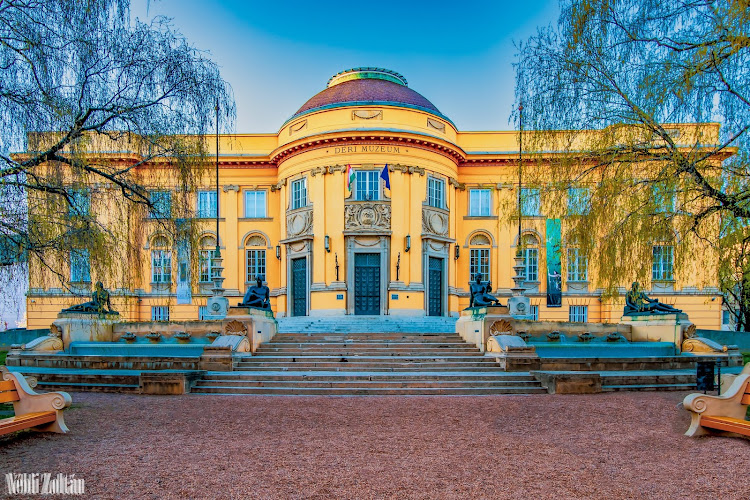
The Déri Museum in Debrecen, Hungary, sits in a striking neo-baroque building from the 1920s and houses a diverse mix of art, archaeological and ethnographic collections. Visitors will find paintings alongside everyday objects from past centuries, stonework and artifacts unearthed nearby, and displays that seek to explain regional culture as much as to show beautiful items. The museum functions as both an art museum and a cultural center, and that dual personality is part of its charm: fine paintings rub shoulders with folk costumes and archaeological finds in a way that actually makes sense, once a visitor gets used to the pace of the galleries.
The building itself deserves attention. With ceilings that still whisper of early 20th-century civic pride, the architecture frames the exhibits. Natural light and large gallery spaces make viewing comfortable—though some rooms are deliberately dimmed for delicate oil paintings. The layout is friendly enough for a relaxed wander; it is not one of those labyrinths where a person loses track of time and exits with sore feet and no sense of accomplishment. But a visitor should bring good shoes anyway.
One of the most rewarding aspects is how the museum balances national art narratives with local stories. It does not scream for attention; rather, it invites a closer look. Live performances, occasionally hosted in a courtyard or a gallery-adjacent space, add an unexpected live-art element, turning a museum day into an evening event sometimes. That community-facing role, combining exhibitions with performance, gives the Déri Museum an energy that museums which only show objects often lack.
Practical note: the museum is known to be accessible. A wheelchair-accessible entrance, dedicated parking, and accessible restrooms mean that visitors with mobility concerns can plan with more confidence than at many older institutions. There is no on-site restaurant, so visitors should plan breaks or bring small snacks if they need them, though the surrounding neighborhood offers cafés and eateries within a reasonable stroll.
Key Features
- Neo-baroque 1920s architecture that frames the collections with historic atmosphere
- A broad mix of art: paintings by Hungarian and regional artists alongside thoughtfully hung exhibits
- Archaeological finds that trace the local past and make history tangible
- Ethnographic displays showcasing regional costumes, tools and everyday life artifacts
- Occasional live performances, turning exhibitions into participatory cultural events
- Wheelchair accessible entrance, accessible parking and restroom facilities
- Restroom facilities on-site for visitor comfort
- Family-friendly programming and exhibits that are good for kids and curious minds
- Temporary exhibitions rotate, so each visit can reveal something new
Best Time to Visit
The best time to visit the Déri Museum in Debrecen, Hungary, depends on what kind of experience a person wants. For quieter gallery time, weekday mornings right after opening are usually ideal. Weekends attract local families and tourists, especially when a live performance or a special exhibition is on the calendar, so expect a livelier vibe then.
Seasonally, the shoulder months—late spring and early autumn—often offer the most pleasant overall travel experience in Debrecen. The city is less crowded than in high summer, weather is generally comfortable for walking between attractions, and temporary exhibitions often debut in these periods. Winter visits can be peaceful and allow for slow, uninterrupted viewing inside the warm museum spaces; just note that live outdoor programming will be minimal.
For those specifically interested in live performances, checking the museum’s event schedule in advance is wise. Popular performances can draw crowds; planning ahead will let a visitor align a museum visit with a concert or a cultural event. And, if a visitor is into photography and quieter galleries, try late afternoons on weekdays—there’s often great light and fewer people in the rooms.
How to Get There
Getting to the Déri Museum in Debrecen, Hungary, is straightforward from most points in the city. The museum is situated within easy reach of Debrecen’s central areas, so many visitors walk from nearby squares and hotels. Walking through the city to reach the museum is often pleasant—Debrecen’s streets are flat and easy to navigate for most people.
Public transport options serve the museum area. Local buses and trams operate across Debrecen, and several routes stop within comfortable walking distance of the museum. For travelers who prefer a direct approach, taxis are readily available across the city and are a quick, if slightly more expensive, way to get there. Cyclists will find the general area cycle-friendly; secure bike parking is commonly available nearby. For those driving, there is wheelchair-accessible parking associated with the museum, but general parking can be limited at peak times, so arriving earlier in the day is recommended.
A practical hint: if a visitor plans to combine the museum with other Debrecen sights in a single day—markets, churches, parks—mapping a walking route makes for easier logistics and more pleasant pacing. Public transport timetables are easy to check on the day, and local hosts or hotel staff can give the most up-to-date hints about temporary parking or construction detours that sometimes pop up in the city.
Tips for Visiting
Allow at least 90 minutes to two hours for a solid visit, though anyone with a deep interest in art or regional history could happily spend a half-day. The museum is compact enough to feel manageable, but rich enough that rushing through is a shame.
Tickets and timing: check exhibition schedules before setting off. Temporary exhibitions, which rotate, are where the museum often shows its most surprising material. If a special show is on, buy tickets early or arrive at opening time. The museum’s live performances can make a visit feel like a full cultural evening—worth timing a visit around if that appeals.
Food and comfort: there is no restaurant inside. That’s important to know because hunger makes masterpieces look less impressive. The surrounding neighborhood holds cafés and small eateries. Stash water in a bag and plan a café stop afterward—Debrecen has some genuinely nice coffee and pastry spots that pair well with post-museum chatter.
Accessibility: the place is better equipped than many historical museums. Wheelchair access points, accessible parking and restrooms are in place. If a visitor needs assistance, contacting the museum in advance can clarify routes and services, especially for performances where seating arrangements may vary.
Kids and families: the Déri Museum gets credit for being family-friendly. Exhibits that place everyday objects alongside art work particularly well for children; they can see how historical life looked up close. Still, bring small activities or electronic backups for younger children—museum concentration spans can be short. And there are often programs geared to families during holidays and weekends, so check the calendar if traveling with kids.
Photography: rules vary between permanent and temporary exhibitions. Cameras without flash are often acceptable in certain galleries but not others; the safest bet is to ask at the desk. Tripods and large equipment are usually restricted. For the casual smartphone snapper, non-flash photos in most public areas will be fine—yet always be mindful of signage and staff instructions.
Hidden gems and lesser-known tips: take a moment to read the smaller labels. The ethnographic displays hide tiny details—stitching patterns, engraved tools, everyday household pieces—that reveal far more about the region’s history than the big-name paintings do. Also, don’t rush from room to room; some of the best stories are tucked into alcoves and are only noticed by people who slow down.
Guided tours and interpretation: if a visitor likes context, ask about guided tours. The guides can stitch artifacts and paintings into a coherent narrative about Debrecen and the surrounding region, which makes the experience much richer. And, for visitors who’ve seen museums before and crave a fresh angle, asking staff about the curators’ current favorites or “must-not-miss” pieces often yields recommendations that aren’t on the main promotional materials.
Combine and conquer: for travelers with a day to spend, pairing the museum with nearby cultural stops makes for a rounded taste of Debrecen. The museum’s position in the city’s cultural loop means a visitor can move between galleries, parks and historic sites without long journeys. It’s an efficient way to sample both art and local life on a single itinerary.
Final thought—this is one of those places that rewards curiosity. People who go in expecting only oil paintings might be surprised by the human stories in the ethnographic rooms; those who arrive for archaeology may end up lingering before a portrait for entirely emotional reasons. The Déri Museum in Debrecen, Hungary, quietly offers layers: architecture, art, artifacts, and live culture. If someone is the sort who loves discovering the personal details that knit together a region’s past and present, they’ll likely leave thinking they saw more than they expected—and that’s the best kind of museum visit, really.
Key Features
- Neo-baroque 1920s architecture that frames the collections with historic atmosphere
- A broad mix of art: paintings by Hungarian and regional artists alongside thoughtfully hung exhibits
- Archaeological finds that trace the local past and make history tangible
- Ethnographic displays showcasing regional costumes, tools and everyday life artifacts
- Occasional live performances, turning exhibitions into participatory cultural events
- Wheelchair accessible entrance, accessible parking and restroom facilities
- Restroom facilities on-site for visitor comfort
- Family-friendly programming and exhibits that are good for kids and curious minds
More Details
Updated August 30, 2025
Table of Contents
Description
The Déri Museum in Debrecen, Hungary, sits in a striking neo-baroque building from the 1920s and houses a diverse mix of art, archaeological and ethnographic collections. Visitors will find paintings alongside everyday objects from past centuries, stonework and artifacts unearthed nearby, and displays that seek to explain regional culture as much as to show beautiful items. The museum functions as both an art museum and a cultural center, and that dual personality is part of its charm: fine paintings rub shoulders with folk costumes and archaeological finds in a way that actually makes sense, once a visitor gets used to the pace of the galleries.
The building itself deserves attention. With ceilings that still whisper of early 20th-century civic pride, the architecture frames the exhibits. Natural light and large gallery spaces make viewing comfortable—though some rooms are deliberately dimmed for delicate oil paintings. The layout is friendly enough for a relaxed wander; it is not one of those labyrinths where a person loses track of time and exits with sore feet and no sense of accomplishment. But a visitor should bring good shoes anyway.
One of the most rewarding aspects is how the museum balances national art narratives with local stories. It does not scream for attention; rather, it invites a closer look. Live performances, occasionally hosted in a courtyard or a gallery-adjacent space, add an unexpected live-art element, turning a museum day into an evening event sometimes. That community-facing role, combining exhibitions with performance, gives the Déri Museum an energy that museums which only show objects often lack.
Practical note: the museum is known to be accessible. A wheelchair-accessible entrance, dedicated parking, and accessible restrooms mean that visitors with mobility concerns can plan with more confidence than at many older institutions. There is no on-site restaurant, so visitors should plan breaks or bring small snacks if they need them, though the surrounding neighborhood offers cafés and eateries within a reasonable stroll.
Key Features
- Neo-baroque 1920s architecture that frames the collections with historic atmosphere
- A broad mix of art: paintings by Hungarian and regional artists alongside thoughtfully hung exhibits
- Archaeological finds that trace the local past and make history tangible
- Ethnographic displays showcasing regional costumes, tools and everyday life artifacts
- Occasional live performances, turning exhibitions into participatory cultural events
- Wheelchair accessible entrance, accessible parking and restroom facilities
- Restroom facilities on-site for visitor comfort
- Family-friendly programming and exhibits that are good for kids and curious minds
- Temporary exhibitions rotate, so each visit can reveal something new
Best Time to Visit
The best time to visit the Déri Museum in Debrecen, Hungary, depends on what kind of experience a person wants. For quieter gallery time, weekday mornings right after opening are usually ideal. Weekends attract local families and tourists, especially when a live performance or a special exhibition is on the calendar, so expect a livelier vibe then.
Seasonally, the shoulder months—late spring and early autumn—often offer the most pleasant overall travel experience in Debrecen. The city is less crowded than in high summer, weather is generally comfortable for walking between attractions, and temporary exhibitions often debut in these periods. Winter visits can be peaceful and allow for slow, uninterrupted viewing inside the warm museum spaces; just note that live outdoor programming will be minimal.
For those specifically interested in live performances, checking the museum’s event schedule in advance is wise. Popular performances can draw crowds; planning ahead will let a visitor align a museum visit with a concert or a cultural event. And, if a visitor is into photography and quieter galleries, try late afternoons on weekdays—there’s often great light and fewer people in the rooms.
How to Get There
Getting to the Déri Museum in Debrecen, Hungary, is straightforward from most points in the city. The museum is situated within easy reach of Debrecen’s central areas, so many visitors walk from nearby squares and hotels. Walking through the city to reach the museum is often pleasant—Debrecen’s streets are flat and easy to navigate for most people.
Public transport options serve the museum area. Local buses and trams operate across Debrecen, and several routes stop within comfortable walking distance of the museum. For travelers who prefer a direct approach, taxis are readily available across the city and are a quick, if slightly more expensive, way to get there. Cyclists will find the general area cycle-friendly; secure bike parking is commonly available nearby. For those driving, there is wheelchair-accessible parking associated with the museum, but general parking can be limited at peak times, so arriving earlier in the day is recommended.
A practical hint: if a visitor plans to combine the museum with other Debrecen sights in a single day—markets, churches, parks—mapping a walking route makes for easier logistics and more pleasant pacing. Public transport timetables are easy to check on the day, and local hosts or hotel staff can give the most up-to-date hints about temporary parking or construction detours that sometimes pop up in the city.
Tips for Visiting
Allow at least 90 minutes to two hours for a solid visit, though anyone with a deep interest in art or regional history could happily spend a half-day. The museum is compact enough to feel manageable, but rich enough that rushing through is a shame.
Tickets and timing: check exhibition schedules before setting off. Temporary exhibitions, which rotate, are where the museum often shows its most surprising material. If a special show is on, buy tickets early or arrive at opening time. The museum’s live performances can make a visit feel like a full cultural evening—worth timing a visit around if that appeals.
Food and comfort: there is no restaurant inside. That’s important to know because hunger makes masterpieces look less impressive. The surrounding neighborhood holds cafés and small eateries. Stash water in a bag and plan a café stop afterward—Debrecen has some genuinely nice coffee and pastry spots that pair well with post-museum chatter.
Accessibility: the place is better equipped than many historical museums. Wheelchair access points, accessible parking and restrooms are in place. If a visitor needs assistance, contacting the museum in advance can clarify routes and services, especially for performances where seating arrangements may vary.
Kids and families: the Déri Museum gets credit for being family-friendly. Exhibits that place everyday objects alongside art work particularly well for children; they can see how historical life looked up close. Still, bring small activities or electronic backups for younger children—museum concentration spans can be short. And there are often programs geared to families during holidays and weekends, so check the calendar if traveling with kids.
Photography: rules vary between permanent and temporary exhibitions. Cameras without flash are often acceptable in certain galleries but not others; the safest bet is to ask at the desk. Tripods and large equipment are usually restricted. For the casual smartphone snapper, non-flash photos in most public areas will be fine—yet always be mindful of signage and staff instructions.
Hidden gems and lesser-known tips: take a moment to read the smaller labels. The ethnographic displays hide tiny details—stitching patterns, engraved tools, everyday household pieces—that reveal far more about the region’s history than the big-name paintings do. Also, don’t rush from room to room; some of the best stories are tucked into alcoves and are only noticed by people who slow down.
Guided tours and interpretation: if a visitor likes context, ask about guided tours. The guides can stitch artifacts and paintings into a coherent narrative about Debrecen and the surrounding region, which makes the experience much richer. And, for visitors who’ve seen museums before and crave a fresh angle, asking staff about the curators’ current favorites or “must-not-miss” pieces often yields recommendations that aren’t on the main promotional materials.
Combine and conquer: for travelers with a day to spend, pairing the museum with nearby cultural stops makes for a rounded taste of Debrecen. The museum’s position in the city’s cultural loop means a visitor can move between galleries, parks and historic sites without long journeys. It’s an efficient way to sample both art and local life on a single itinerary.
Final thought—this is one of those places that rewards curiosity. People who go in expecting only oil paintings might be surprised by the human stories in the ethnographic rooms; those who arrive for archaeology may end up lingering before a portrait for entirely emotional reasons. The Déri Museum in Debrecen, Hungary, quietly offers layers: architecture, art, artifacts, and live culture. If someone is the sort who loves discovering the personal details that knit together a region’s past and present, they’ll likely leave thinking they saw more than they expected—and that’s the best kind of museum visit, really.

Key Highlights
- Neo-baroque 1920s architecture that frames the collections with historic atmosphere
- A broad mix of art: paintings by Hungarian and regional artists alongside thoughtfully hung exhibits
- Archaeological finds that trace the local past and make history tangible
- Ethnographic displays showcasing regional costumes, tools and everyday life artifacts
- Occasional live performances, turning exhibitions into participatory cultural events
- Wheelchair accessible entrance, accessible parking and restroom facilities
- Restroom facilities on-site for visitor comfort
- Family-friendly programming and exhibits that are good for kids and curious minds
Location
Places to Stay Near Déri Museum
Find and Book a Tour
Explore More Travel Guides
No reviews found! Be the first to review!
Traveler Reviews for Déri Museum
There are no reviews yet. Be the first one to write one.
Have you visited Déri Museum? Help other travelers by sharing your review.
Find Accommodations Nearby
Recommended Tours & Activities
Visitor Reviews
There are no reviews yet. Be the first one to write one.
Share Your Experience
Have you visited Déri Museum? Help other travelers by leaving a review.