
Pannon Sea Museum
About Pannon Sea Museum
Description
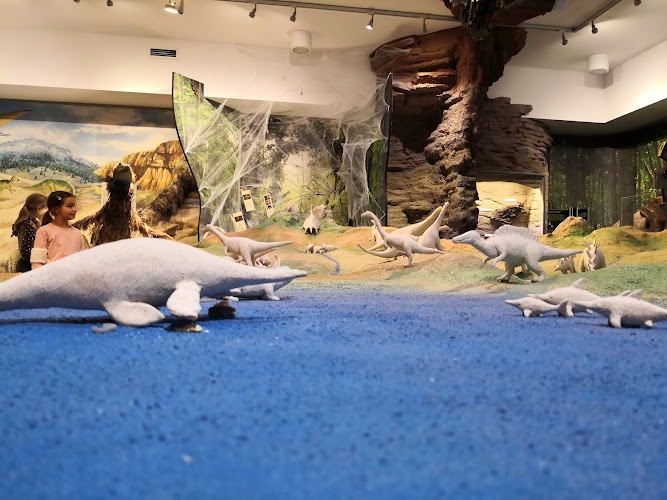
The Pannon Sea Museum is one of those places that makes you stop and think about the sheer scale of time. Imagine standing in front of fossils that are millions of years old, remnants of a sea that once covered much of Central Europe. That’s exactly what you’ll find here. It’s not just another museum with glass cases and dusty labels—it feels more like stepping into a storybook where the main character is the Earth itself. The museum does a solid job of balancing science with storytelling, so even if you’re not a geology buff, you’ll still walk away fascinated.
The atmosphere is calm and reflective, but also surprisingly engaging for kids. Families often remark that the exhibits spark curiosity in children without overwhelming them. Accessibility is thoughtfully designed, with wheelchair-friendly entrances, restrooms, and parking, so visitors with mobility needs can explore without stress. While there’s no restaurant on site, the nearby cafés and eateries make up for it, and honestly, it’s kind of nice to step outside for a bite after being immersed in ancient history.
Most travelers leave with a sense of awe, though a handful feel the museum could expand its interactive displays. Personally, I think that’s part of its charm—it’s not trying to be flashy, but rather authentic. If you’re the type of traveler who enjoys slowing down, taking in the details, and imagining the world as it once was, this place is going to stick with you long after you leave.
Key Features
- Extensive fossil collection from the ancient Pannon Sea
- Exhibits that highlight the geological and natural history of Central Europe
- Kid-friendly displays that spark curiosity without overwhelming
- Wheelchair accessible entrance, restrooms, and parking
- Peaceful environment ideal for reflective exploration
- Knowledgeable staff who are happy to answer questions
Best Time to Visit
If you ask me, the best time to visit the Pannon Sea Museum is during the shoulder seasons—spring and autumn. The weather outside is pleasant, which makes the journey to and from the museum more enjoyable, and you’ll usually avoid the peak holiday crowds. Summer can get busy, especially with families on school break, while winter has its own quiet charm but shorter daylight hours. Personally, I love visiting in early autumn when the air is crisp, the leaves are turning, and the museum feels like a calm retreat from the bustle of city life.
How to Get There
Reaching the museum is straightforward, though it depends on your travel style. If you’re driving, there’s convenient parking available, including accessible spaces for those who need them. Public transportation is also a solid option, with buses and trains connecting the area to larger cities nearby. I’ve taken the train before, and honestly, the journey itself was half the fun—watching the countryside roll by while knowing you’re on your way to see fossils older than humanity itself is a pretty surreal experience. For those who like to bike, the surrounding region is cyclist-friendly, though it’s worth checking the route in advance.
Tips for Visiting
First off, give yourself enough time. It’s tempting to think you can breeze through in an hour, but the details here deserve your attention. I’d recommend at least two to three hours if you want to soak it all in without rushing. Bring a bottle of water with you, as there isn’t a restaurant inside, and maybe a light snack for afterward. Comfortable shoes are a must—the museum isn’t enormous, but you’ll still be on your feet a lot.
If you’re traveling with kids, prepare for questions—lots of them. The exhibits are designed to spark curiosity, and you’ll probably find yourself googling answers on the spot (I know I did). For photography lovers, the lighting inside is decent, but a steady hand or a phone with night mode will help capture the details of the fossils. And one more thing: don’t skip chatting with the staff. They’re genuinely passionate about the subject and often share little nuggets of information you won’t find on the exhibit labels.
Overall, visiting the Pannon Sea Museum is less about ticking an attraction off your list and more about slowing down to connect with the deep history of the land under your feet. It’s a reminder that travel isn’t just about the places we go, but also about the stories we uncover along the way.
Key Features
- Extensive fossil collection from the ancient Pannon Sea
- Exhibits that highlight the geological and natural history of Central Europe
- Kid-friendly displays that spark curiosity without overwhelming
- Wheelchair accessible entrance, restrooms, and parking
- Peaceful environment ideal for reflective exploration
- Knowledgeable staff who are happy to answer questions
More Details
Updated September 9, 2025
Table of Contents
Description
The Pannon Sea Museum is one of those places that makes you stop and think about the sheer scale of time. Imagine standing in front of fossils that are millions of years old, remnants of a sea that once covered much of Central Europe. That’s exactly what you’ll find here. It’s not just another museum with glass cases and dusty labels—it feels more like stepping into a storybook where the main character is the Earth itself. The museum does a solid job of balancing science with storytelling, so even if you’re not a geology buff, you’ll still walk away fascinated.
The atmosphere is calm and reflective, but also surprisingly engaging for kids. Families often remark that the exhibits spark curiosity in children without overwhelming them. Accessibility is thoughtfully designed, with wheelchair-friendly entrances, restrooms, and parking, so visitors with mobility needs can explore without stress. While there’s no restaurant on site, the nearby cafés and eateries make up for it, and honestly, it’s kind of nice to step outside for a bite after being immersed in ancient history.
Most travelers leave with a sense of awe, though a handful feel the museum could expand its interactive displays. Personally, I think that’s part of its charm—it’s not trying to be flashy, but rather authentic. If you’re the type of traveler who enjoys slowing down, taking in the details, and imagining the world as it once was, this place is going to stick with you long after you leave.
Key Features
- Extensive fossil collection from the ancient Pannon Sea
- Exhibits that highlight the geological and natural history of Central Europe
- Kid-friendly displays that spark curiosity without overwhelming
- Wheelchair accessible entrance, restrooms, and parking
- Peaceful environment ideal for reflective exploration
- Knowledgeable staff who are happy to answer questions
Best Time to Visit
If you ask me, the best time to visit the Pannon Sea Museum is during the shoulder seasons—spring and autumn. The weather outside is pleasant, which makes the journey to and from the museum more enjoyable, and you’ll usually avoid the peak holiday crowds. Summer can get busy, especially with families on school break, while winter has its own quiet charm but shorter daylight hours. Personally, I love visiting in early autumn when the air is crisp, the leaves are turning, and the museum feels like a calm retreat from the bustle of city life.
How to Get There
Reaching the museum is straightforward, though it depends on your travel style. If you’re driving, there’s convenient parking available, including accessible spaces for those who need them. Public transportation is also a solid option, with buses and trains connecting the area to larger cities nearby. I’ve taken the train before, and honestly, the journey itself was half the fun—watching the countryside roll by while knowing you’re on your way to see fossils older than humanity itself is a pretty surreal experience. For those who like to bike, the surrounding region is cyclist-friendly, though it’s worth checking the route in advance.
Tips for Visiting
First off, give yourself enough time. It’s tempting to think you can breeze through in an hour, but the details here deserve your attention. I’d recommend at least two to three hours if you want to soak it all in without rushing. Bring a bottle of water with you, as there isn’t a restaurant inside, and maybe a light snack for afterward. Comfortable shoes are a must—the museum isn’t enormous, but you’ll still be on your feet a lot.
If you’re traveling with kids, prepare for questions—lots of them. The exhibits are designed to spark curiosity, and you’ll probably find yourself googling answers on the spot (I know I did). For photography lovers, the lighting inside is decent, but a steady hand or a phone with night mode will help capture the details of the fossils. And one more thing: don’t skip chatting with the staff. They’re genuinely passionate about the subject and often share little nuggets of information you won’t find on the exhibit labels.
Overall, visiting the Pannon Sea Museum is less about ticking an attraction off your list and more about slowing down to connect with the deep history of the land under your feet. It’s a reminder that travel isn’t just about the places we go, but also about the stories we uncover along the way.
Key Highlights
- Extensive fossil collection from the ancient Pannon Sea
- Exhibits that highlight the geological and natural history of Central Europe
- Kid-friendly displays that spark curiosity without overwhelming
- Wheelchair accessible entrance, restrooms, and parking
- Peaceful environment ideal for reflective exploration
- Knowledgeable staff who are happy to answer questions
Location
Places to Stay Near Pannon Sea Museum
Find and Book a Tour
Explore More Travel Guides
No reviews found! Be the first to review!
Traveler Reviews for Pannon Sea Museum
There are no reviews yet. Be the first one to write one.
Have you visited Pannon Sea Museum? Help other travelers by sharing your review.
Find Accommodations Nearby
Recommended Tours & Activities
Visitor Reviews
There are no reviews yet. Be the first one to write one.
Share Your Experience
Have you visited Pannon Sea Museum? Help other travelers by leaving a review.