
House of Terror Museum
About House of Terror Museum
Description
Key Features
- Authentic Historical Building: The museum is housed in the original headquarters of both the Arrow Cross Party and communist secret police, making every wall and corridor a living piece of history.
- Powerful Exhibitions: Interactive, multimedia displays covering both Nazi and Soviet oppression, complete with first-person testimonies, authentic objects, and recreated rooms (including interrogation chambers and prison cells in the basement).
- Memorial to Victims: A poignant memorial wall honoring those killed or persecuted by fascist and communist regimes in Hungary, bringing humanity to the statistics.
- Audio Guides Available: Audio tours in several languages (Hungarian, English, and more), perfect for getting deeper context if you don't speak Hungarian. They help—trust me.
- Accessible for All Visitors: The entrance and restrooms are wheelchair-accessible, so everyone can explore this chapter of Budapest history.
- Modern Museum Amenities: There’s Wi-Fi throughout the building and clean restrooms. No in-house restaurant—but plenty of cafes nearby to decompress afterward.
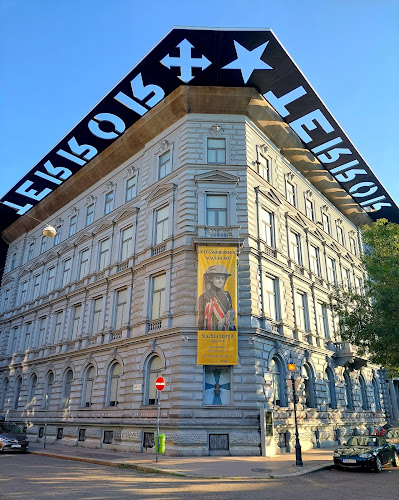
- Striking Architecture: The “TERROR” letters cast onto the façade make the museum itself a photo-worthy landmark, if you’re into more than just selfies.
- Central Location: Situated along one of Budapest’s most important avenues, making it easy to reach and a notable stop on any exploration of the city.
Best Time to Visit
How to Get There
- Metro: The M1 yellow metro line (Budapest’s oldest!) has a stop called Vörösmarty utca just steps from the museum’s entrance. Riding this creaky, charming metro line is a tiny time trip in itself.
- Tram/Bus: Several buses and trams stop along Andrássy Avenue. Look for No. 4 or 6 trams or 105 Bus, though be ready for a short stroll.
- Taxi or Rideshare: Cabs are easy to hail in Budapest, but the inner city traffic can be unpredictable. It’s rarely necessary unless you’re in a real pinch, thanks to excellent public transport.
- Parking: There’s paid street parking, but good luck on busy days—it fills up quickly and the Hungarian parking meters aren’t always intuitive. My advice: go public if you can.
Tips for Visiting
- Prepare for Heavy Content: This museum is emotionally demanding—as a parent, I’d say it’s okay for older kids (middle-school and up), but you know your little ones best. Don’t be surprised if you need a breather (or even a tissue) partway through.
- Audio Guide is a Must: Unless you’re fluent in Hungarian, rent the audio guide at the ticket desk. Exhibition info is mostly in Hungarian, and you’ll miss the full impact without translations. The English audio is well-produced and makes complex history feel more personal—seriously, worth every forint.
- Take Your Time: Don’t just breeze from room to room; give exhibits a moment to sink in. It’s a museum that rewards patience and reflection. There are a lot of layers, both literally (the basement!) and metaphorically.
- Respect the Space: Pictures aren’t allowed everywhere—be sure to check signage. This isn’t just a museum; it’s a memorial for real people who suffered and, sometimes, died here. That gravity deserves respect.
- Plan for the End: The tour ends in the basement—home to the preserved cells and torture rooms. It’s pretty harrowing, so if you (or anyone you’re visiting with) feel unsettled, it’s normal.
- No Restaurant Inside: Grab a bite beforehand or plan to decompress at a nearby café afterward. Lots of visitors, including myself, need a little time to process (and maybe a strong coffee) before moving on to Budapest’s lighter experiences.
- Book in Advance if Possible: During busy travel seasons and weekends, it’s a good idea to secure tickets early. No one likes wasting time in a long line, especially in the Hungarian sun or drizzle.
- Wheelchair Friendly: The building is accessible, including entrance and restrooms. Staff are usually helpful if you need a hand—but Budapest sidewalks can be a bit uneven, so keep that in mind.
- Avoid Peak Hours: If you want space to think and reflect, dodge lunchtime and late afternoons when group tours swarm in.
Key Features
- Exhibits on both fascist (Arrow Cross) and communist (ÁVH) regimes
- Original building used by historical secret police organizations
- Recreated prison and interrogation rooms
- Extensive archival material, photos and personal testimonies
- Immersive multimedia displays and documentary footage
More Details
Updated July 9, 2025
Table of Contents
Description
What makes the House of Terror stand out isn’t just its striking exterior on Andrássy Avenue (you’ll immediately spot the building with its bold black awning spelling out “TERROR” in shadow on the walls). It’s what’s inside—and what happened inside—that chills you. Once, these corridors were the headquarters for two of the most notorious regimes Hungary ever suffered: first, the fascist Arrow Cross Party, and later, the communist secret police. Thousands of Hungarians were brought here. Some never left.
Inside, the museum serves as both a powerful memorial to those who suffered under Nazi and Soviet regimes and a somber journey through some of the darkest days of Budapest history. The exhibits don’t sugarcoat anything. You’ll see artifacts from both fascist and communist eras, testimonies from survivors haunting you from video screens, and even authentic cells in the basement where political prisoners lived (if you call that living).
It’s hard not to get swept up in the gravity of what the building represents. History isn’t just listed here—it’s on display in a way you rarely experience in museums across Europe. The memorial wall with the names and faces of victims is a moment that stops you in your tracks. Every time I go, I see people—both locals and curious travelers—emerging a bit quieter, their everyday worries feeling small for a while.
Not everything here is dark, though. What strikes me is that the museum never loses sight of hope—the determination of people who resisted, who spoke truth, who survived both Nazi and communist oppression. This place paints the complex picture of Hungarian history, showing us the resilience of its people.
I’ll admit, it’s not always an easy visit. But for anyone curious about Hungary, about the impact of fascist and communist regimes on everyday life, this is vital. You’ll walk back into the daylight changed—or, at the very least, thinking hard.
Key Features
- Authentic Historical Building: The museum is housed in the original headquarters of both the Arrow Cross Party and communist secret police, making every wall and corridor a living piece of history.
- Powerful Exhibitions: Interactive, multimedia displays covering both Nazi and Soviet oppression, complete with first-person testimonies, authentic objects, and recreated rooms (including interrogation chambers and prison cells in the basement).
- Memorial to Victims: A poignant memorial wall honoring those killed or persecuted by fascist and communist regimes in Hungary, bringing humanity to the statistics.
- Audio Guides Available: Audio tours in several languages (Hungarian, English, and more), perfect for getting deeper context if you don’t speak Hungarian. They help—trust me.
- Accessible for All Visitors: The entrance and restrooms are wheelchair-accessible, so everyone can explore this chapter of Budapest history.
- Modern Museum Amenities: There’s Wi-Fi throughout the building and clean restrooms. No in-house restaurant—but plenty of cafes nearby to decompress afterward.
- Striking Architecture: The “TERROR” letters cast onto the façade make the museum itself a photo-worthy landmark, if you’re into more than just selfies.
- Central Location: Situated along one of Budapest’s most important avenues, making it easy to reach and a notable stop on any exploration of the city.
Best Time to Visit
If you can swing it, weekdays are always quieter. I’ve found that arriving in the late morning or mid-afternoon usually means smaller tour groups and less shuffling. Budapest summers (June to August) bring tourists galore, but the museum is air-conditioned (whew). In winter, you’ll deal with a chill on Andrássy Avenue—a perfect excuse to duck indoors and spend time on meaningful exploration rather than shivering on a city street.
Avoid national holidays or commemorative dates (like October 23)—the museum gets packed with school groups and ceremonies. Mondays are a no-go anyway since most Hungarian museums, including this one, are closed. If you’re traveling with kids or anyone sensitive to powerful experiences, I always say: opt for an earlier visit in the day when everyone’s energies are fresh.
Oh, and do yourself a favor—don’t try to rush. Give yourself, at minimum, a couple of hours. There’s much more to see, read, and reflect on than you might guess from outside.
How to Get There
The museum is located right on Andrássy út, a main artery cutting through the heart of Budapest. If you’re staying near the city center, it’s a scenic walk from the Opera House or the St. Stephen’s Basilica area (took me about 15 minutes, easy stroll past some beautiful architecture). If not, Budapest’s public transport makes it easy:
- Metro: The M1 yellow metro line (Budapest’s oldest!) has a stop called Vörösmarty utca just steps from the museum’s entrance. Riding this creaky, charming metro line is a tiny time trip in itself.
- Tram/Bus: Several buses and trams stop along Andrássy Avenue. Look for No. 4 or 6 trams or 105 Bus, though be ready for a short stroll.
- Taxi or Rideshare: Cabs are easy to hail in Budapest, but the inner city traffic can be unpredictable. It’s rarely necessary unless you’re in a real pinch, thanks to excellent public transport.
- Parking: There’s paid street parking, but good luck on busy days—it fills up quickly and the Hungarian parking meters aren’t always intuitive. My advice: go public if you can.
If you get lost (it happens!), just ask a local or a fellow traveler—they’ll point you toward Andrássy út 60 faster than you can say “hussar”.
Tips for Visiting
-
Prepare for Heavy Content:
This museum is emotionally demanding—as a parent, I’d say it’s okay for older kids (middle-school and up), but you know your little ones best. Don’t be surprised if you need a breather (or even a tissue) partway through. -
Audio Guide is a Must:
Unless you’re fluent in Hungarian, rent the audio guide at the ticket desk. Exhibition info is mostly in Hungarian, and you’ll miss the full impact without translations. The English audio is well-produced and makes complex history feel more personal—seriously, worth every forint. -
Take Your Time:
Don’t just breeze from room to room; give exhibits a moment to sink in. It’s a museum that rewards patience and reflection. There are a lot of layers, both literally (the basement!) and metaphorically. -
Respect the Space:
Pictures aren’t allowed everywhere—be sure to check signage. This isn’t just a museum; it’s a memorial for real people who suffered and, sometimes, died here. That gravity deserves respect. -
Plan for the End:
The tour ends in the basement—home to the preserved cells and torture rooms. It’s pretty harrowing, so if you (or anyone you’re visiting with) feel unsettled, it’s normal. -
No Restaurant Inside:
Grab a bite beforehand or plan to decompress at a nearby café afterward. Lots of visitors, including myself, need a little time to process (and maybe a strong coffee) before moving on to Budapest’s lighter experiences. -
Book in Advance if Possible:
During busy travel seasons and weekends, it’s a good idea to secure tickets early. No one likes wasting time in a long line, especially in the Hungarian sun or drizzle. -
Wheelchair Friendly:
The building is accessible, including entrance and restrooms. Staff are usually helpful if you need a hand—but Budapest sidewalks can be a bit uneven, so keep that in mind. -
Avoid Peak Hours:
If you want space to think and reflect, dodge lunchtime and late afternoons when group tours swarm in.
Long story short? Bring curiosity, empathy, and maybe a friend to talk things over with after. The House of Terror Museum isn’t about spooky thrills or photo ops. It’s a living memorial to Hungary’s 20th-century trauma and resilience—one of the most impactful museums I’ve ever visited in Europe. It may not be easy, but I promise—it’s absolutely worth your time in Budapest.
Key Highlights
- Exhibits on both fascist (Arrow Cross) and communist (ÁVH) regimes
- Original building used by historical secret police organizations
- Recreated prison and interrogation rooms
- Extensive archival material, photos and personal testimonies
- Immersive multimedia displays and documentary footage
Location
Places to Stay Near House of Terror Museum
Find and Book a Tour
Explore More Travel Guides
No reviews found! Be the first to review!
Traveler Reviews for House of Terror Museum
There are no reviews yet. Be the first one to write one.
Have you visited House of Terror Museum? Help other travelers by sharing your review.
Nearby Attractions
You Might Also Like
MNB ügyfélszolgálat
Buda Castle
Heroes' Square
Find Accommodations Nearby
Recommended Tours & Activities
Visitor Reviews
There are no reviews yet. Be the first one to write one.
Share Your Experience
Have you visited House of Terror Museum? Help other travelers by leaving a review.