
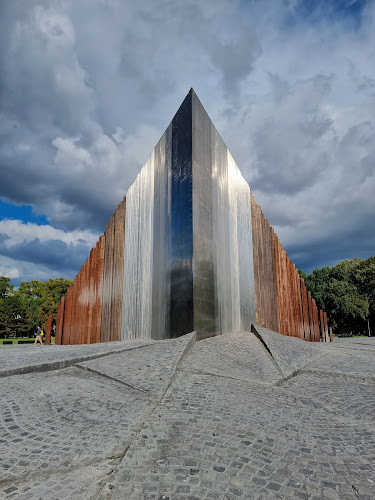
Ötvenhatosok tere
About Ötvenhatosok tere
Ötvenhatosok tere—a place that’s much more than just another Budapest square—sits right in the heart of a city swirling with history, modern life, and those strangely peaceful moments you only get in a truly big city, where everything collides. Some folks walk through it, barely noticing; others, like me, find themselves stopping again and again—pulled in by the weight of memory here. This square (its name translates to "Square of '56ers" in reference to the 1956 Hungarian Revolution) isn’t just a slab of concrete or a cut-through for the busy city park. It’s where Hungarian history comes to stand still for a minute, then shifts and moves with new stories every day. And yes, you’re in luck if you like places where you can feel every wrinkle in history but still let your kids run amok or walk your dog without a fuss.
Let’s break this down: Ötvenhatosok tere Budapest Hungary isn’t world-famous like Heroes Square next door, but honestly, sometimes that’s part of its charm. It’s got a raw, unfiltered feel. At one end, you might find stoic monuments that speak in silent volumes about world wars, revolutions, and lives lived loudly (and sometimes lost). Turn around and you catch the echo of laughter, some street musicians jamming, a pop-up exhibition, or maybe a quiet protest gathering—because this space has always been about resilience and community, as much as commemoration.
History buffs, take note: this square sits where all kinds of things have happened—military parades, mass demonstrations, passionate speeches, and the day-to-day humdrum of Budapest itself. The memory of 1956 looms large, with statues, plaques, and an atmosphere thick enough that even if you’re not Hungarian, you feel it. Oddly enough, for me, it was on a rainy spring day the square’s power really hit home—seeing an old couple stand silently by the memorial, umbrellas shaking, eyes fixed far beyond the buildings and noise, you got a sense of what this place means to the city.
Of course, Ötvenhatosok tere is more than just history. For travelers, it’s a rare blend—a place that’s accessible, kid-friendly, kind to pets, open to everybody no matter your mobility needs. It serves as a sort of calm before the storm, just steps from the grand museums (the stunning Museum of Fine Arts, the all-new Museum of Ethnography) and the leafy expanse of City Park. It’s a meeting point, a starting line, or just somewhere to catch your breath.
Key Features
- Rich historical significance: Site of demonstrations, revolutions, and major moments in Hungarian history—especially the 1956 uprising.
- Iconic monuments and installations: Statues, memorials, and striking public art dedicated to freedom, resilience, and the lives shaped by historic events.
- Gateway to cultural riches: Flanked by the Museum of Fine Arts and the cutting-edge Museum of Ethnography, with the grand Heroes Square and Millennium Monument just steps away.
- Neighborhood feel with local character: It’s surprisingly untouristy compared to nearby landmarks, giving you honest snapshots of Budapest daily life—you’ll see families, dog-walkers, and teens skateboarding all coexisting with the past.
- Flat, open, and accessible layout: Smooth wide spaces make it fully wheelchair accessible, easy for strollers, a breeze for people of all ages and abilities.
- Family- and pet-friendly: The square is good for children, and dogs are welcome too—rare for major European city squares!
- Dynamic site for public life and events: From poignant memorial ceremonies to lively outdoor exhibitions and occasional street food pop-ups, there’s almost always something happening—or about to.
- Urban green proximity: Right at the edge of Budapest's beloved City Park (Városliget), perfect for a post-museum coffee break or an after-lunch stroll.
- Photographer's delight: Sweeping architectural lines, stark monuments, and the blend of old and new Budapest all make for some brilliant shots—especially near sunrise or sunset.
- Central location with excellent public transit links: You’re within easy striking distance of metro lines, tram, and bus connections—no taxi required.
Best Time to Visit
If you ask me—someone who’s spent way too many afternoons lost in Budapest’s urban sprawl—Ötvenhatosok tere is best seen from late spring to early autumn. May and June especially: the trees around City Park are lush, the museums open their big exhibitions, and the vibe over here is lively but never overcrowded like the main tourist drag just meters away. The square takes on a special life at sunset, with the stone monuments catching golden light, the city’s hum dialed down to a mellow pitch. Early mornings are peaceful, almost meditative; if you’re the kind of traveler who treasures quiet, you’ll love it then.
Summer can get busy, but unlike other city parks in Budapest Hungary, it rarely feels too hectic. Weekends bring a flurry of locals walking dogs and families picnicking—great for people-watching, if I’m honest. Autumn brings gorgeous colors, sometimes open-air concerts or spontaneous gatherings. Winter’s more bare but still powerful, especially if you come on a national holiday, when commemorative ceremonies make history feel right at your fingertips. Real talk: avoid it on heavy rain days unless you love bleak, moody city shots; the wind can really whip through here.
How to Get There
If you’re navigating your way through Budapest—and really, you should give public transit a try—getting to Ötvenhatosok tere is easy. The square sits just off the grandiose Andrássy Avenue, almost rubbing shoulders with Heroes Square, and is smack at the western entrance of the City Park. Metro line 1 (the historic M1, or “Földalatti” as locals call it) stops at Hősök tere station, a simple one- or two-minute walk from the square. You won’t get lost: just follow the flow out of the station, cross the broad avenue, and you’re there. Buses and trams—especially the busy 105 and 20E—make regular stops nearby, and bike paths snake their way right past the square too.
For my fellow walkers, it’s honestly one of those “everything’s connected” spots—stroll down from the city center along Andrássy, and you’ll see the city’s personality shift block by block, from stately to everyday real. If you’re driving (though parking can be tricky at peak times), designated accessible parking makes it manageable. But best approach? Try Budapest’s ‘green’ city bikes or simply walk the last leg—there’s something about stepping out from the Metro into the open square that just feels right.
Tips for Visiting
-
Give yourself time.
You’ll want at least an hour to appreciate the monuments, walk the square, and soak in the atmosphere—especially if you’re headed to the museums after. -
Come curious—and respectful.
While you’ll see everyday life all around, remember the site’s deep significance in Hungarian history, especially regarding the 1956 Revolution and the events commemorated here. -
Don’t skip the less obvious spots.
Some of the most moving memorials aren’t front and center—look around the square’s edges for smaller plaques, contemporary art, or temporary installations. They often tell stories the big statues don’t. -
Museum hop next door.
Block out extra time for the Museum of Fine Arts and the Museum of Ethnography—each deserves at least a quick wander, and the Museum of Ethnography’s new building is a true architectural surprise. -
Hit the square at different times of day.
Early morning or dusk changes everything. The light, the crowds, the feeling—it’s a completely different experience. -
Bring your pup or your kids.
It’s not often you get a city square with this much historical punch that also welcomes furry companions and toddlers with open arms. I once had a picnic here with friends and their rescue dogs and wound up chatting with a local about how much the city has changed since his childhood. -
Check local listings for events.
Cultural happenings, open-air exhibitions, or historic commemorations often pop up—sometimes with almost no warning. -
Look up and around.
Some of the best details are above eye level—crumbling cornices, subtle plaques, brave new architecture set against the endless Budapest sky. -
Stay street smart.
While the area is generally safe, like anywhere in Budapest, keep an eye out on your belongings if you visit during larger gatherings or at night. -
Take the long way home.
After your visit, don’t rush—wander down to the lake in the City Park, peek at Vajdahunyad Castle, or just enjoy getting a little lost in one of Europe’s most quietly charismatic urban corners.
Here’s the bottom line: Ötvenhatosok tere Budapest Hungary is a city park square that doesn’t scream to get your attention. It’s got layers. It’s honest, unflashy, and holds its history with dignity. For travelers, families, history nerds, casual strollers, and anyone looking for Budapest’s real, beating heart—it’s a place where the stories of decades gather and unfold, right under the open sky.
You Might Also Like
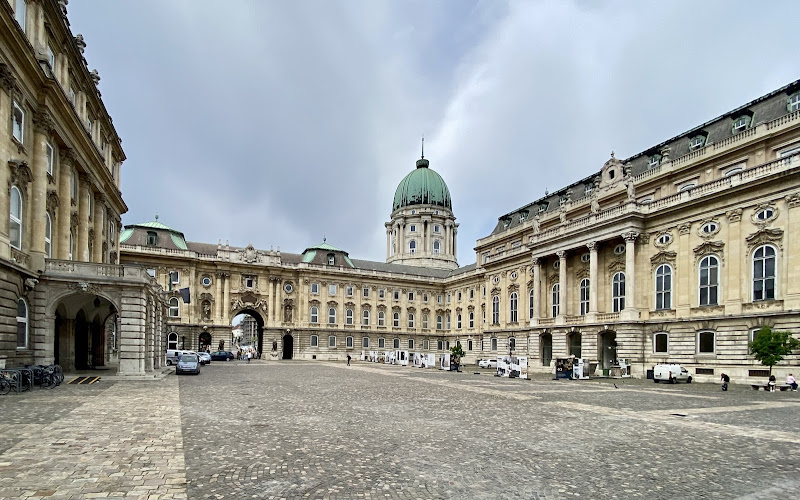
Buda Castle
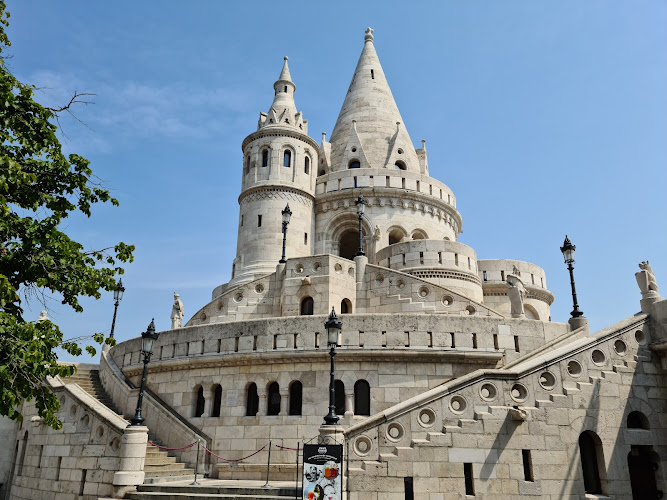
Fisherman's Bastion
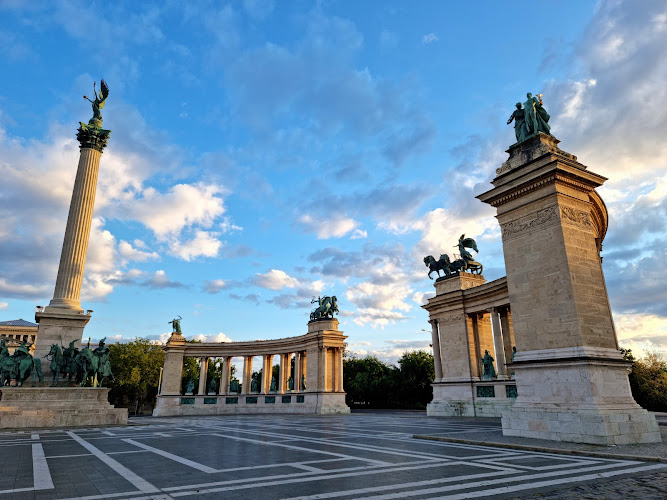
Heroes' Square
Tours & Activities
GetYourGuide provides this tour inventory. We may earn a commission if you book through it; verify current availability, prices, and terms with the provider.
Visitor Reviews
There are no reviews yet. Be the first one to write one.
Share Your Experience
Have you visited Ötvenhatosok tere? Help other travelers by leaving a review.