
Memento Park – Statues from the Communist Dictatorship
About Memento Park – Statues from the Communist Dictatorship
Description
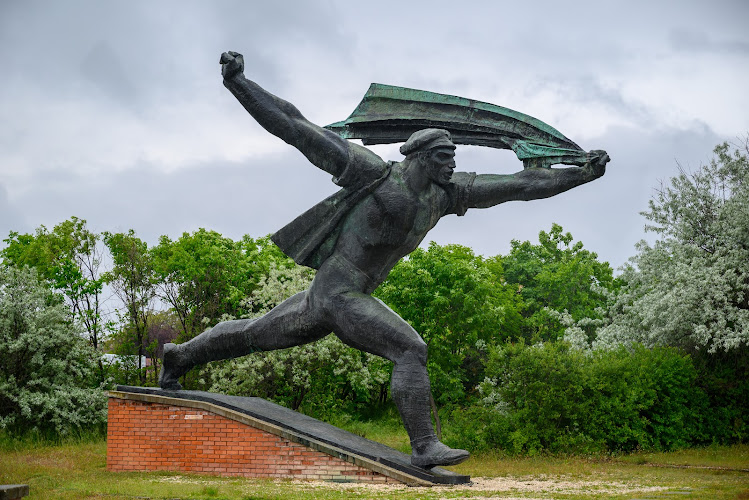
Memento Park in Budapest stands as a fascinating open air museum, housing a striking collection of statues, monuments, and propaganda art from Hungary’s years under communist rule. I’ll tell you straight: it feels a bit surreal walking among these hulking bronze figures – think Lenin, Marx, Engels, and a cast of Hungarian communist leaders, once towering over public spaces in Budapest and now banished here. This is the city’s answer to the complex legacy of its Soviet past and what to do with the physical embodiments of dictatorship after the curtain falls.
The park isn’t just about art, though. It’s a slice of history you can physically stroll through, and a real testament to the resilience (and maybe even dry humor) of the Hungarian people. There’s something almost eerie about the silence – and the sheer scale – of these monuments, most especially the replica Stalin boots that stand where a colossal Stalin once towered, his torso famously toppled during the 1956 revolution. I remember being both unsettled and intrigued by that image: boots, but no leader, like some dystopian Cinderella story. If you’re keen on postwar European history, political regimes, or just weird attractions that leave you thinking for days, you’ll find Memento Park irresistible.
Designed by Hungarian architect Ákos Eleőd, Memento Park was purpose-built after 1989 as a space to confront, rather than erase, Hungary’s communist era. This isn’t a celebration, but a public memorial and a warning – a place to hold up a mirror to the past, as uncomfortable as that may be. If your tours of Budapest’s old-world grandeur start to feel a bit too polished, a detour here adds something raw and undeniably real.
Key Features
- Open Air Museum: Walk outdoor paths lined with more than 40 original communist-era statues of Lenin, Marx, Engels, Red Army soldiers, and various Hungarian figures. You get up close, no ropes or glass cases between you and this bronze and stone history.
- Replica Stalin Boots: The replica of the boots from the infamous Stalin monument is a centerpiece. It’s a haunting symbol of revolution: after the statue was toppled, only the boots remained on their monumental pedestal. If you’re into weird photo ops, this is gold.
- Exhibition Hall: The small indoor exhibition features photos, documents, and videos about Hungary’s journey through dictatorship, revolution, and eventual democracy. The films are raw, personal, and heavy on context – plan a sit-down here.
- Soviet-Era Vehicles: No joke, you can actually clamber up into a Trabant or marvel at how astonishingly tiny (and unreliable) communist cars could be. It’s a glimpse into everyday life behind the Iron Curtain.
- Guided Tours and Cultural Programs: If you’re a history buff, take one of the regular public tours; the guides know their stuff and don’t sugarcoat it (Hungarian humor can be pretty pointed). Sometimes there are performance events or workshops on politics, democracy, and art.
- Accessibility: The park’s paths are wheelchair accessible, and all restrooms are gender-neutral. Parking’s free, both on the lot and on the street, which honestly makes visiting a breeze compared to most Budapest attractions.
- Good for Kids: The scale and drama of the statues, plus the open air setting, means children can run around. There’s no restaurant, so bring snacks for the young ones, or yourself if you don’t like visiting museums on an empty stomach (pro tip from someone who learned the hard way!).
Best Time to Visit
Budapest’s seasons are a mixed bag – I’ve visited Memento Park in both chilly spring winds and blazing summer sunshine. Honestly? Late spring (April–May) and early autumn (September–October) hit the sweet spot. The crowds thin out, and the weather is Goldilocks-perfect: not too hot, not too cold. Since the park is open air, you’ll be spending most of your time outdoors. Hot Hungarian summers can make those wide, paved paths pretty toasty. In winter, the wind can whip through the statues and it quickly gets bleak (somehow fitting, if you’re after the full Communist-era experience).
Weekdays in general are quieter – I once had the park almost to myself on a Monday, with the odd local family wandering among the stone faces. If you’re a photographer, morning light is kindest for those iconic shots next to Lenin or the Stalin boots. And if you love atmosphere, try a grey, overcast day – it gives the statues something extra, and really brings home the gravity of recent Hungarian history.
How to Get There
Memento Park sits south-west of central Budapest, quite a hop from the main tourist drag, but totally doable by public transport or taxi. You don’t need a car – the main road routes in are straightforward, but I find taking the bus part of the adventure. You’ll catch Bus 101E from Kelenföld railway station (that’s on the green M4 metro line), and after a short, slightly bumpy journey you arrive practically at the gate. The local bus drivers are used to travelers so don’t be shy to ask for “Memento Park” if you’re a bit lost. There are signs in English and Hungarian; trust me, you won’t miss the enormous statues greeting you from afar.
Taxis and rideshares work fine too, especially if there’s a group of you or you're not keen on deciphering city transport. The ride from central Budapest typically takes about 30 minutes, depending on traffic. If you love walking, you could hike from the suburban tram terminal, but I’ve always found the Budapest sun or wind a bit much for that longer stroll. Most people stick with bus or taxi.
Tips for Visiting
- Bring Water and Snacks: There’s no onsite café or restaurant (ironic for a place that once enforced communal canteens, I know). On a hot day, you’ll be grateful for that bottle of water and a snack, especially if visiting with kids.
- Allocate Enough Time: You can zip around in an hour if rushed, but to absorb both the statues outside and the stories inside, plan at least two hours. If you’re a real Cold War or political history nerd, you may want the whole morning.
- Take Photos, Respectfully: The atmosphere is a mix of awe and reflection – snapping a selfie with Stalin’s boots is practically tradition, but remember this is a memorial too. Treat it with the weird respect it deserves.
- Consider a Guided Tour: The guides at Memento Park sprinkle in local anecdotes, dark humor, and hard-won wisdom about Hungary’s ambiguous relationship with its communist past. You’ll leave understanding ten times more than from signs alone, plus you get stories you’d never read on Wikipedia.
- Check for Special Exhibitions: Memento Park is always adding new displays about dictatorship, resistance, and democracy in Hungary and across Eastern Europe. Occasionally, there are visiting artists or events, so see what’s going on around your dates.
- Accessibility: All entrances and restrooms are wheelchair accessible. There’s ample free parking for both cars and bicycles, which is rare this close to Budapest.
- Layer Your Clothing: Weather can shift suddenly out here. If you visit in spring or fall, bring layers. Even in summer, it can get breezy with little shade.
- Read Up (Or Watch a Film) Beforehand: If you’re not familiar with Hungary’s communist era, a little background will give richer context to what you’re seeing. Try a Cold War documentary or a quick primer on the Hungarian Revolution of 1956. It’ll blow your mind how recent – and raw – this history is for the country.
One thing people sometimes miss: this isn’t a grim, dusty graveyard. It’s a living place, carefully curated to provoke questions about power, memory, and the future. Memento Park is controversial for some Hungarians – celebrating, shaming, and questioning all at once. Whether you’re passionate about the Soviet era, curious about totalitarian art, or simply looking for an utterly unique afternoon in Budapest, this memorial park is hard to shake off. You come away with more questions than answers, which is surely a sign of a good museum.
Honestly, the hardest part is leaving the place and heading back into bustling, modern Budapest. Those giant boots, silent leaders, and ghostly gestures linger long after the visit. If you appreciate seeing history face-to-face – the grand, the uncomfortable, the poignant – you won’t regret the trip out to Memento Park. It’s not often you visit a museum where the sky’s the only roof and the past stares back at you from every corner.
Key Features
- Key Features
- Best Time to Visit
- How to Get There
- Tips for Visiting
More Details
Updated July 9, 2025
Table of Contents
- Description
- Key Features
- Best Time to Visit
- How to Get There
- Tips for Visiting
- Key Highlights
- Location
- Places to Stay Near Memento Park - Statues from the Communist Dictatorship
- Find and Book a Tour
- Explore More Travel Guides
- Nearby Places You Might Like
- Traveler Reviews for Memento Park – Statues from the Communist Dictatorship
- Share Your Experience
Description
Memento Park in Budapest stands as a fascinating open air museum, housing a striking collection of statues, monuments, and propaganda art from Hungary’s years under communist rule. I’ll tell you straight: it feels a bit surreal walking among these hulking bronze figures – think Lenin, Marx, Engels, and a cast of Hungarian communist leaders, once towering over public spaces in Budapest and now banished here. This is the city’s answer to the complex legacy of its Soviet past and what to do with the physical embodiments of dictatorship after the curtain falls.
The park isn’t just about art, though. It’s a slice of history you can physically stroll through, and a real testament to the resilience (and maybe even dry humor) of the Hungarian people. There’s something almost eerie about the silence – and the sheer scale – of these monuments, most especially the replica Stalin boots that stand where a colossal Stalin once towered, his torso famously toppled during the 1956 revolution. I remember being both unsettled and intrigued by that image: boots, but no leader, like some dystopian Cinderella story. If you’re keen on postwar European history, political regimes, or just weird attractions that leave you thinking for days, you’ll find Memento Park irresistible.
Designed by Hungarian architect Ákos Eleőd, Memento Park was purpose-built after 1989 as a space to confront, rather than erase, Hungary’s communist era. This isn’t a celebration, but a public memorial and a warning – a place to hold up a mirror to the past, as uncomfortable as that may be. If your tours of Budapest’s old-world grandeur start to feel a bit too polished, a detour here adds something raw and undeniably real.
Key Features
- Open Air Museum: Walk outdoor paths lined with more than 40 original communist-era statues of Lenin, Marx, Engels, Red Army soldiers, and various Hungarian figures. You get up close, no ropes or glass cases between you and this bronze and stone history.
- Replica Stalin Boots: The replica of the boots from the infamous Stalin monument is a centerpiece. It’s a haunting symbol of revolution: after the statue was toppled, only the boots remained on their monumental pedestal. If you’re into weird photo ops, this is gold.
- Exhibition Hall: The small indoor exhibition features photos, documents, and videos about Hungary’s journey through dictatorship, revolution, and eventual democracy. The films are raw, personal, and heavy on context – plan a sit-down here.
- Soviet-Era Vehicles: No joke, you can actually clamber up into a Trabant or marvel at how astonishingly tiny (and unreliable) communist cars could be. It’s a glimpse into everyday life behind the Iron Curtain.
- Guided Tours and Cultural Programs: If you’re a history buff, take one of the regular public tours; the guides know their stuff and don’t sugarcoat it (Hungarian humor can be pretty pointed). Sometimes there are performance events or workshops on politics, democracy, and art.
- Accessibility: The park’s paths are wheelchair accessible, and all restrooms are gender-neutral. Parking’s free, both on the lot and on the street, which honestly makes visiting a breeze compared to most Budapest attractions.
- Good for Kids: The scale and drama of the statues, plus the open air setting, means children can run around. There’s no restaurant, so bring snacks for the young ones, or yourself if you don’t like visiting museums on an empty stomach (pro tip from someone who learned the hard way!).
Best Time to Visit
Budapest’s seasons are a mixed bag – I’ve visited Memento Park in both chilly spring winds and blazing summer sunshine. Honestly? Late spring (April–May) and early autumn (September–October) hit the sweet spot. The crowds thin out, and the weather is Goldilocks-perfect: not too hot, not too cold. Since the park is open air, you’ll be spending most of your time outdoors. Hot Hungarian summers can make those wide, paved paths pretty toasty. In winter, the wind can whip through the statues and it quickly gets bleak (somehow fitting, if you’re after the full Communist-era experience).
Weekdays in general are quieter – I once had the park almost to myself on a Monday, with the odd local family wandering among the stone faces. If you’re a photographer, morning light is kindest for those iconic shots next to Lenin or the Stalin boots. And if you love atmosphere, try a grey, overcast day – it gives the statues something extra, and really brings home the gravity of recent Hungarian history.
How to Get There
Memento Park sits south-west of central Budapest, quite a hop from the main tourist drag, but totally doable by public transport or taxi. You don’t need a car – the main road routes in are straightforward, but I find taking the bus part of the adventure. You’ll catch Bus 101E from Kelenföld railway station (that’s on the green M4 metro line), and after a short, slightly bumpy journey you arrive practically at the gate. The local bus drivers are used to travelers so don’t be shy to ask for “Memento Park” if you’re a bit lost. There are signs in English and Hungarian; trust me, you won’t miss the enormous statues greeting you from afar.
Taxis and rideshares work fine too, especially if there’s a group of you or you’re not keen on deciphering city transport. The ride from central Budapest typically takes about 30 minutes, depending on traffic. If you love walking, you could hike from the suburban tram terminal, but I’ve always found the Budapest sun or wind a bit much for that longer stroll. Most people stick with bus or taxi.
Tips for Visiting
- Bring Water and Snacks: There’s no onsite café or restaurant (ironic for a place that once enforced communal canteens, I know). On a hot day, you’ll be grateful for that bottle of water and a snack, especially if visiting with kids.
- Allocate Enough Time: You can zip around in an hour if rushed, but to absorb both the statues outside and the stories inside, plan at least two hours. If you’re a real Cold War or political history nerd, you may want the whole morning.
- Take Photos, Respectfully: The atmosphere is a mix of awe and reflection – snapping a selfie with Stalin’s boots is practically tradition, but remember this is a memorial too. Treat it with the weird respect it deserves.
- Consider a Guided Tour: The guides at Memento Park sprinkle in local anecdotes, dark humor, and hard-won wisdom about Hungary’s ambiguous relationship with its communist past. You’ll leave understanding ten times more than from signs alone, plus you get stories you’d never read on Wikipedia.
- Check for Special Exhibitions: Memento Park is always adding new displays about dictatorship, resistance, and democracy in Hungary and across Eastern Europe. Occasionally, there are visiting artists or events, so see what’s going on around your dates.
- Accessibility: All entrances and restrooms are wheelchair accessible. There’s ample free parking for both cars and bicycles, which is rare this close to Budapest.
- Layer Your Clothing: Weather can shift suddenly out here. If you visit in spring or fall, bring layers. Even in summer, it can get breezy with little shade.
- Read Up (Or Watch a Film) Beforehand: If you’re not familiar with Hungary’s communist era, a little background will give richer context to what you’re seeing. Try a Cold War documentary or a quick primer on the Hungarian Revolution of 1956. It’ll blow your mind how recent – and raw – this history is for the country.
One thing people sometimes miss: this isn’t a grim, dusty graveyard. It’s a living place, carefully curated to provoke questions about power, memory, and the future. Memento Park is controversial for some Hungarians – celebrating, shaming, and questioning all at once. Whether you’re passionate about the Soviet era, curious about totalitarian art, or simply looking for an utterly unique afternoon in Budapest, this memorial park is hard to shake off. You come away with more questions than answers, which is surely a sign of a good museum.
Honestly, the hardest part is leaving the place and heading back into bustling, modern Budapest. Those giant boots, silent leaders, and ghostly gestures linger long after the visit. If you appreciate seeing history face-to-face – the grand, the uncomfortable, the poignant – you won’t regret the trip out to Memento Park. It’s not often you visit a museum where the sky’s the only roof and the past stares back at you from every corner.
Key Highlights
- Key Features
- Best Time to Visit
- How to Get There
- Tips for Visiting
Location
Places to Stay Near Memento Park - Statues from the Communist Dictatorship
Find and Book a Tour
Explore More Travel Guides
No reviews found! Be the first to review!
Traveler Reviews for Memento Park – Statues from the Communist Dictatorship
There are no reviews yet. Be the first one to write one.
Have you visited Memento Park – Statues from the Communist Dictatorship? Help other travelers by sharing your review.
You Might Also Like
Heroes' Square
Ötvenhatosok tere
MNB ügyfélszolgálat
Find Accommodations Nearby
Recommended Tours & Activities
Visitor Reviews
There are no reviews yet. Be the first one to write one.
Share Your Experience
Have you visited Memento Park – Statues from the Communist Dictatorship? Help other travelers by leaving a review.